





Virgin Mary Oil Painting
These virgin mary oil painting works bring centuries of devotional art into focus, offering a tangible link to Renaissance traditions and Baroque portraiture.
Virgin Mary Oil Painting
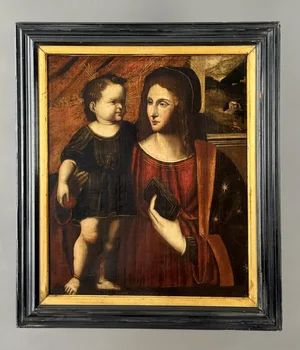
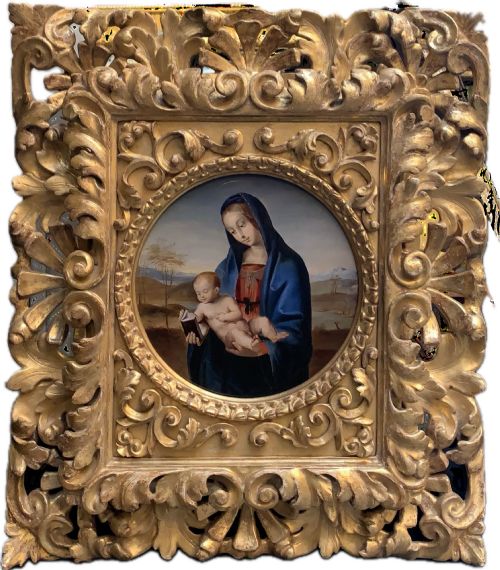
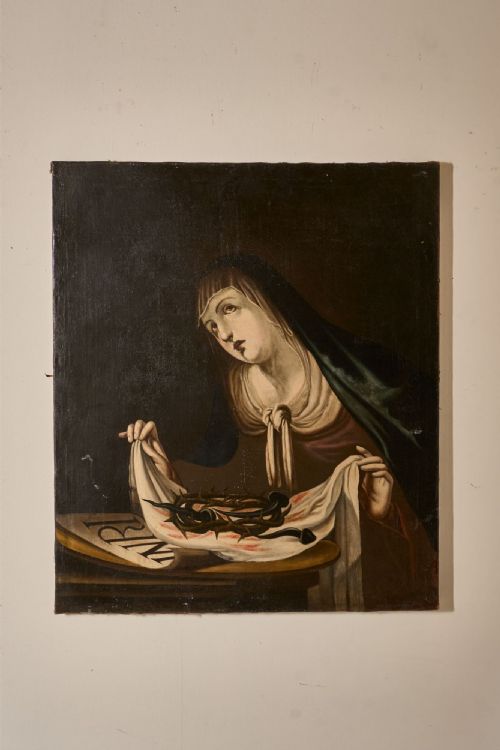
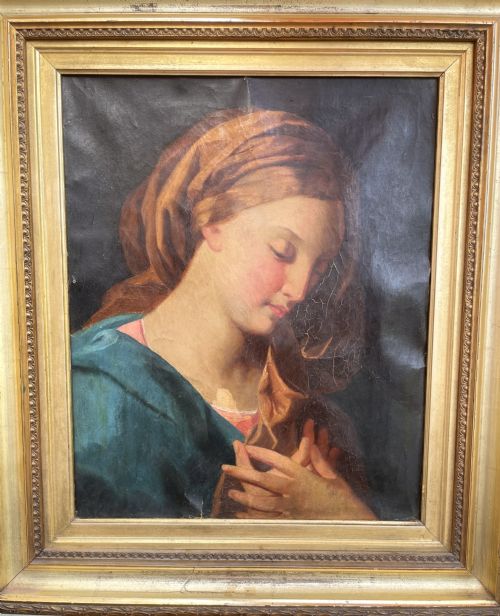
When you search for a virgin mary oil painting, you encounter centuries of sacred portraiture ranging from sixteenth-century Italian school panels to nineteenth-century interpretations. The pieces on this page frequently depict the Madonna and Child, along with specific iconography such as Our Lady of Sorrow and the Divine Shepherdess. These works capture devotional themes developed across Italian, Spanish, and French artistic traditions.
You meet both original compositions and significant copies after masters like Raphael and Murillo. The formats span intimate small canvases and fruitwood panels up to large proportions suited for prominent display. Many examples reflect the hands of followers, circles, and studios rather than the primary master.
The historical scope extends from the Renaissance and Baroque periods through the Victorian era and Edwardian interpretations. Each piece records the evolving aesthetic of religious art across European and colonial schools.
Materials and construction
Painters utilised oil paint applied to canvas, stretched wood, and fruitwood panels as primary supports. The application of oil medium allowed for rich depth of colour and subtle tonal gradation in vestments and flesh tones.
Giltwood and gold leaf frequently frame or accent these compositions, particularly within Italian Renaissance revival and Baroque contexts. These traditional materials support the enduring preservation of the pigment layers.
Virgin Mary Oil Painting Retail Price Guide 2026
Typical asking prices for virgin mary oil painting among the pieces listed under this phrase on Sellingantiques today, from the lower quarter to the upper quarter. They describe what is for sale here now, not the wider market.
The inventory records Italian, Spanish, and French schools spanning Renaissance revival, Baroque, and Victorian religious art traditions.
Distinctions in craftsmanship
The distinction between a standard workshop piece and a finer studio painting rests in the handling of facial expressions and drapery folds. Superior examples demonstrate confident brushwork that captures emotional resonance in the Madonna's gaze.
The integrity of the original support and the subtlety of subsequent conservation efforts also shape the standing of each work. Stronger pieces retain their compositional harmony despite the passage of centuries.
Bernardino Luini·Benvenuto Tisi·Costantino Frixione·Juan Ruiz Soriano·Orsola Maddalena Caccia·Pompeo Batoni·Ambrious Benson
The Virgin Mary Oil Painting Glossary
- Oil on canvas
- Pigment bound in drying oil applied to a woven fabric support. This combination provides flexibility and durability for large-scale devotional works.
- Fruitwood panel
- A dense wooden board used as a rigid support for early paintings. It offers a smooth surface suited for fine detail.
- Giltwood
- Wood carved and coated with gold leaf or gold paint. This finish enhances religious frames and altarpiece elements.
- Circle of
- A designation indicating an artist working closely with a master, sharing style and technique. It denotes proximity to a major workshop without direct attribution.
- Ex-voto
- A votive offering presented in fulfillment of a vow. These portraits record acts of faith and gratitude.
Virgin Mary Oil Painting: Frequently Asked Questions
How do I date a virgin mary oil painting?
Dating relies upon examining the canvas preparation, stretcher construction, and pigment characteristics alongside the stylistic conventions of the period.
Changes in portrait composition and framing techniques also offer reliable clues to whether a piece originates in the sixteenth century or later nineteenth-century revivals.
What is a follower of an artist?
A follower describes an independent painter working in the distinct manner of a master without necessarily training in their direct studio.
These artists adopted characteristic facial types and compositional layouts popularised by figures like Raphael.
Where were these paintings displayed originally?
Devotional works of this scale hung in private chapels, domestic shrines, and monastic spaces to facilitate personal prayer.
Smaller panels often served as travel icons or focal points for quiet contemplation within the home.
How should I care for a canvas painting?
Protect the surface from direct sunlight and maintain stable room humidity to prevent canvas slackening and paint cracking.
Dust gently with a soft dry brush and avoid chemical cleaning agents on the delicate pigment layer.