
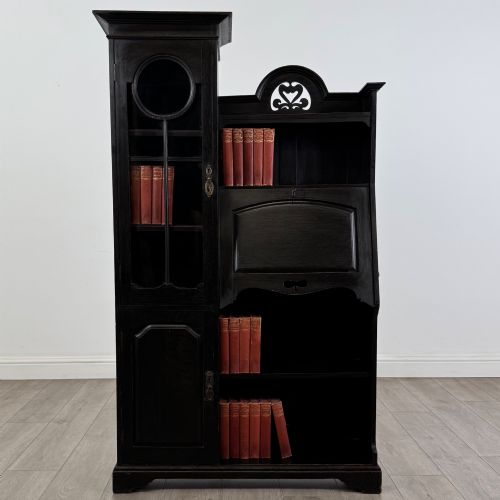
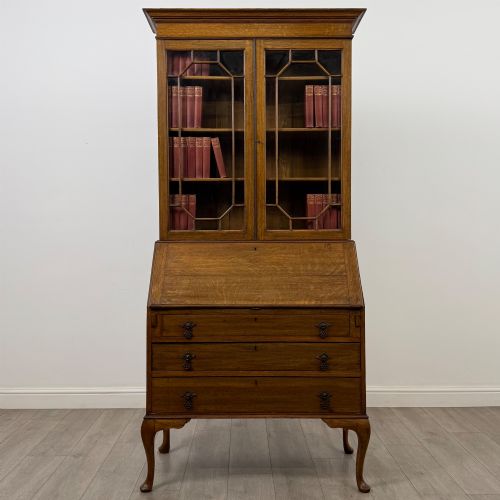


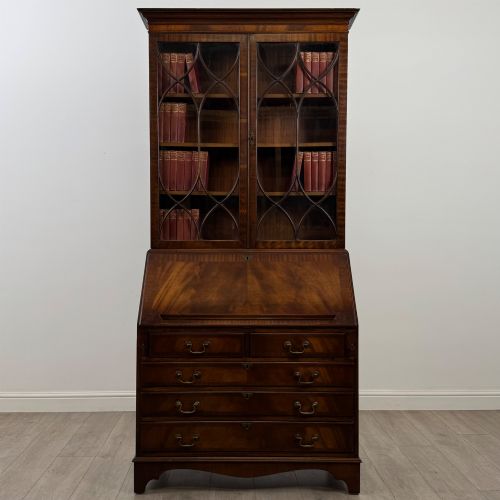
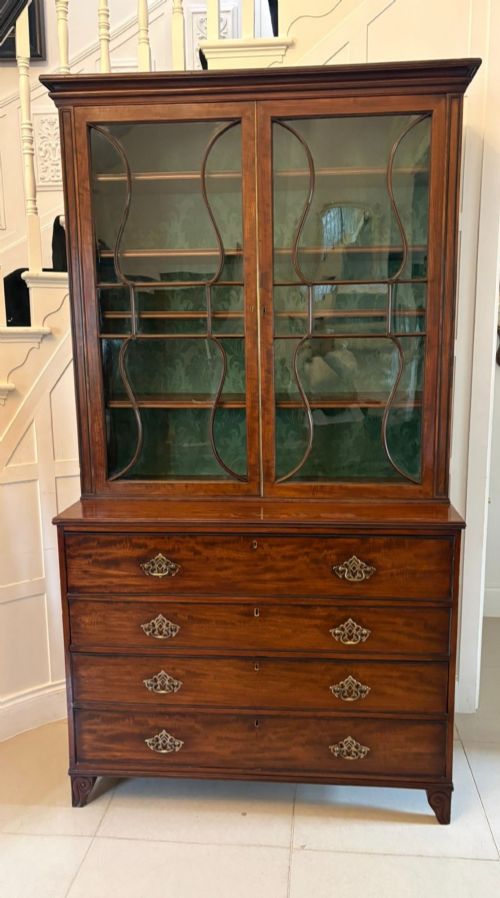
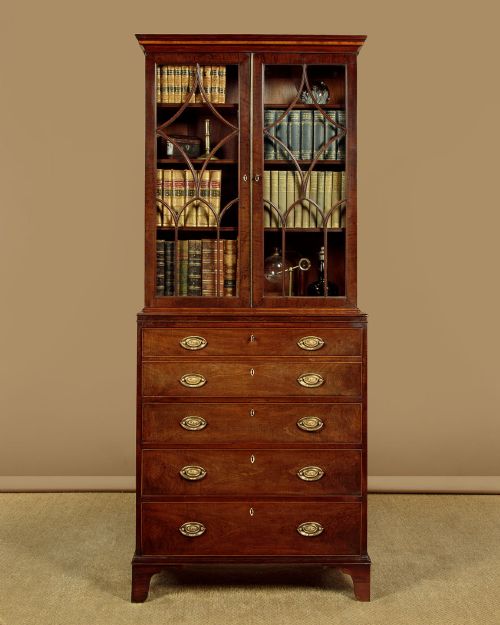
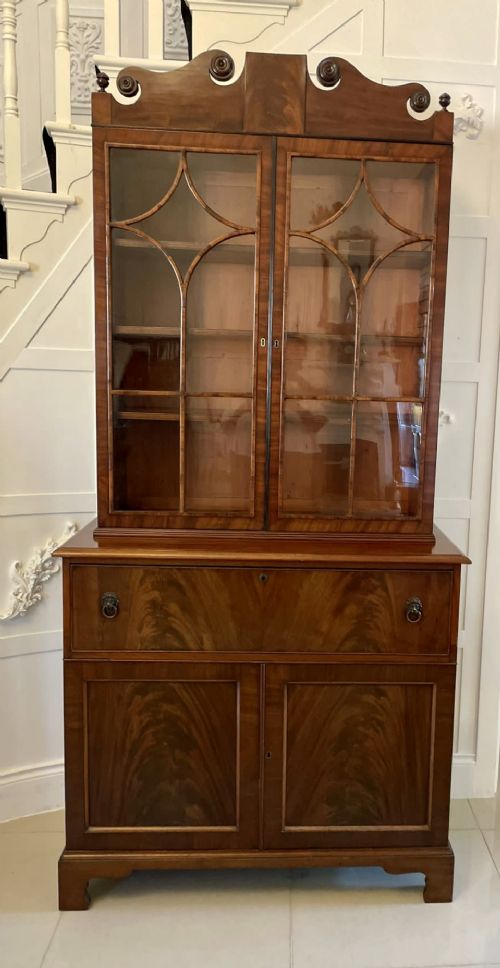
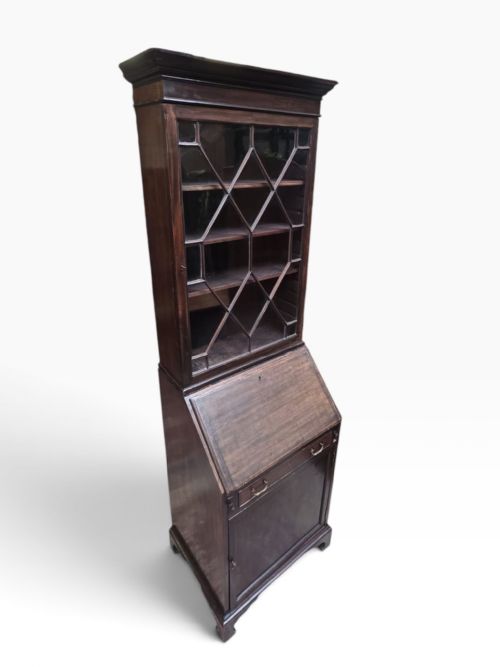
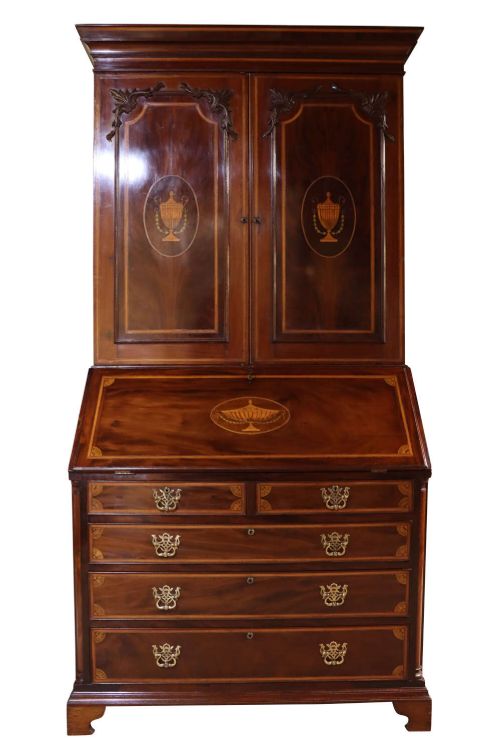
Vintage Writing Bookcase
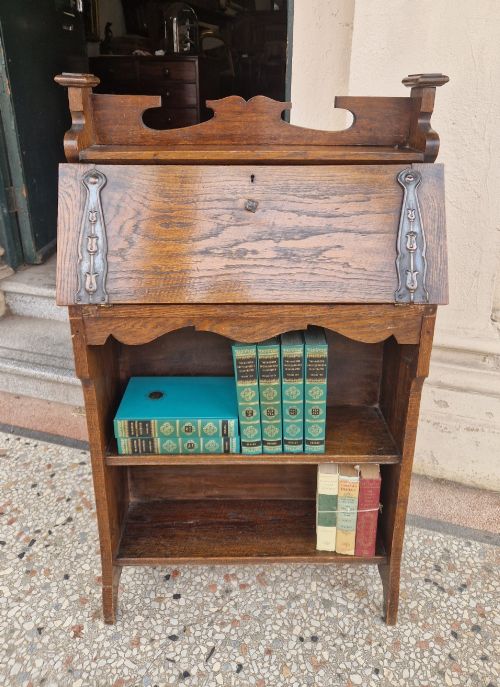
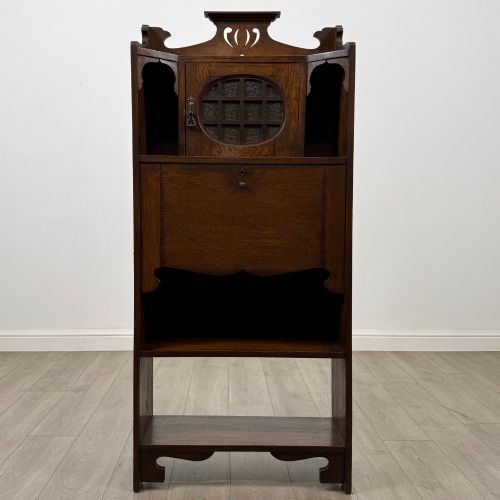
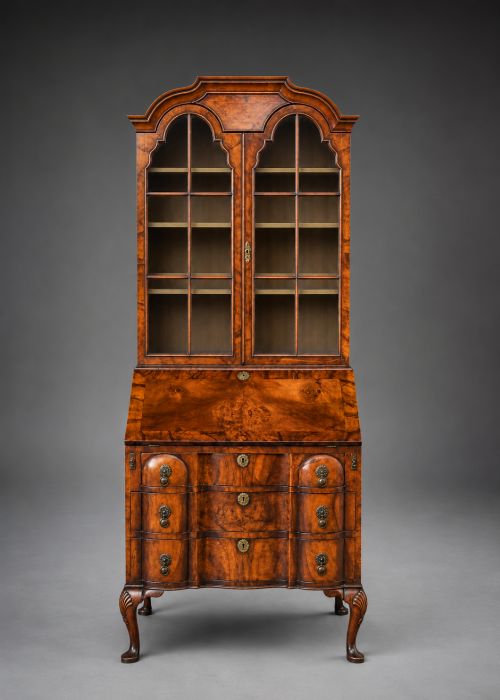
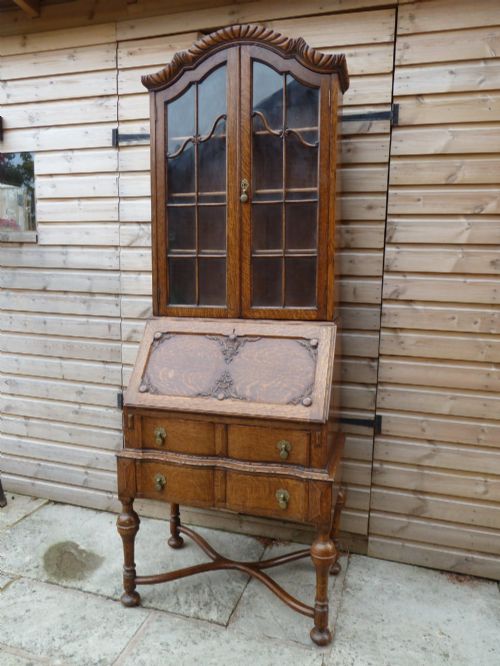
A vintage writing bookcase combines a practical fall-front desk with upper display shelving, offering dual functionality for home storage and study.
Vintage Writing Bookcase
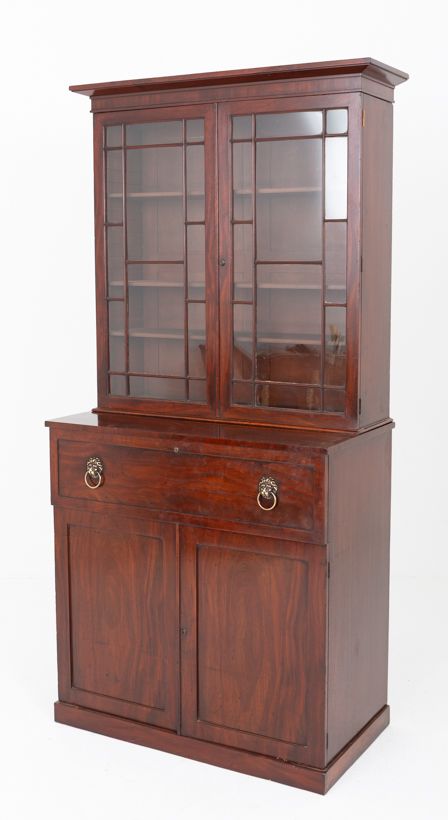
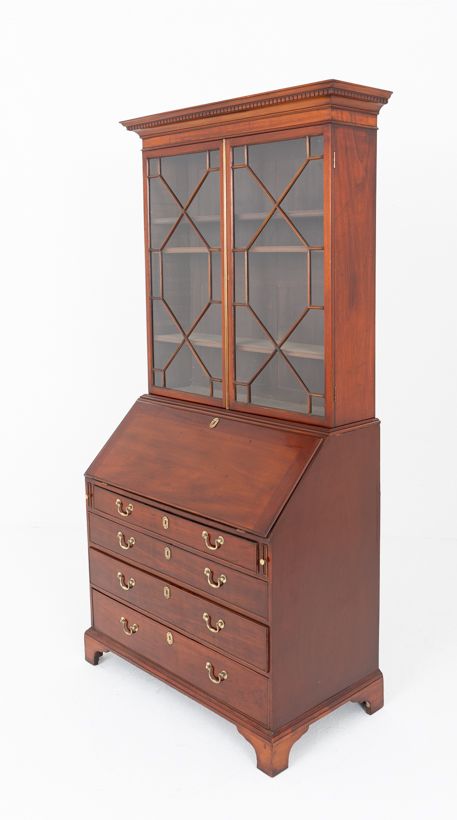
A vintage writing bookcase brings together an enclosed writing surface and upper shelving for books or display. Buyers searching for a vintage writing bookcase encounter pieces ranging from substantial Georgian and Regency library cabinets to compact Edwardian and 1920s oak or mahogany iterations.
Formations include bureau bookcases, secretaire bookcases, and specialised variants featuring fitted interiors and glazed display cabinets. These items serve as functional writing desks while providing prominent vertical storage for books and papers.
Materials and construction methods
Cabinet makers utilised dense hardwoods such as mahogany, oak, walnut, and yew wood to build the robust carcasses required for housing heavy books and folding desks. Secondary woods often formed internal drawer linings and backboards, while fine veneers like satinwood provided decorative exterior surfaces.
Glazing bars divided the glass panels on upper bookcase doors into geometric patterns, and brass hardware such as drop handles and escutcheons secured drawers and fall-fronts. Inlaid stringing and figured wood grains added surface detail without compromising structural integrity.
Secret compartments hidden within fitted desk interiors rewarded owners who knew which tiny spring or sliding panel to press.
Judging quality and craftsmanship
Quality rests upon the selection of timber veneers, the precision of internal joinery within the fitted desk compartments, and the crispness of any inlaid detailing. Superior examples exhibit continuous wood grain across drawer fronts and tight dovetail joints in the hidden drawers.
Proportion and the balance between the lower bureau and upper bookcase dictate visual success, alongside original brass fittings and undamaged glass panes. Pieces produced by documented cabinet makers display refined carving and thoughtful interior arrangements that elevate them above standard utility items.
Gillows·F.H. Marshall & Co Glasgow
The Vintage Writing Bookcase Glossary
- Bureau bookcase
- A combination of a sloping-front desk and a shelved upper cabinet enclosed by doors. This form provides both writing space and upright book storage.
- Secretaire
- A piece of furniture containing a drawer or compartment that pulls out or folds down to form a writing surface. It often conceals a fitted interior with pigeonholes and small drawers.
- Astragal glazed
- Glass doors divided into panes by narrow wooden bars called glazing bars. These frames create geometric patterns across the upper bookcase section.
- Fitted interior
- The collection of small drawers, pigeonholes, and central compartments revealed when the bureau flap or secretaire drawer is opened. It served for organising stationery and letters.
- Dovetail
- A interlocking joint used in drawer construction, formed by interlocking wedge-shaped fingers. It provides strong resistance to being pulled apart.
Vintage Writing Bookcase: Frequently Asked Questions
How do I use a writing bookcase daily?
The fold-down flap or pull-out drawer provides a stable surface for writing or laptop use, while the interior pigeonholes help organise modern correspondence and stationery.
Upper glass-fronted shelves offer display space for books and decorative objects, keeping them protected behind closed doors.
How do I date a wooden bookcase?
Dating relies on observing wood species, construction techniques like dovetailing, and stylistic markers such as Edwardian inlay or Georgian proportions.
Hardware styles and secondary woods hidden inside drawers also offer clues to the era of manufacture.
Where should I place a heavy wooden cabinet?
Position the piece against a stable interior wall away from direct sunlight and heat sources that might dry out the mahogany, oak, or walnut timber.
Ensure the floor is level so the heavy glazed doors hang straight and latch correctly within their frames.