





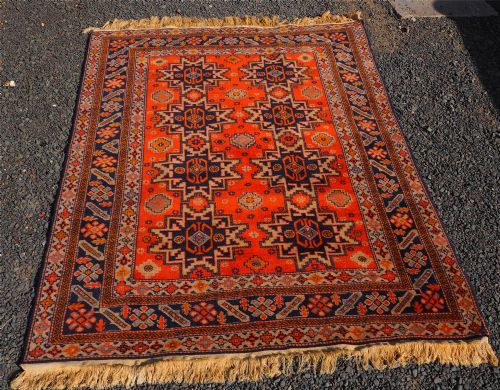
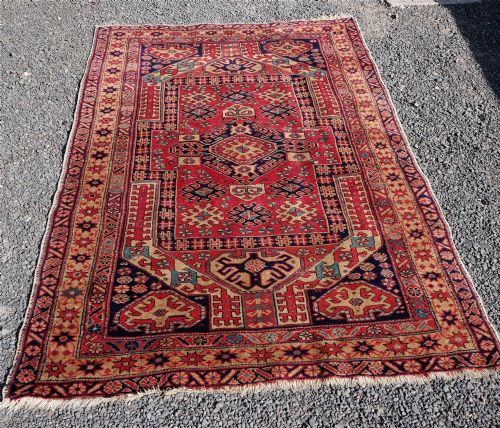
Vintage Woven Carpet
These vintage woven carpet pieces bring rich Persian tradition into a room through enduring wool and cotton construction.
Vintage Woven Carpet
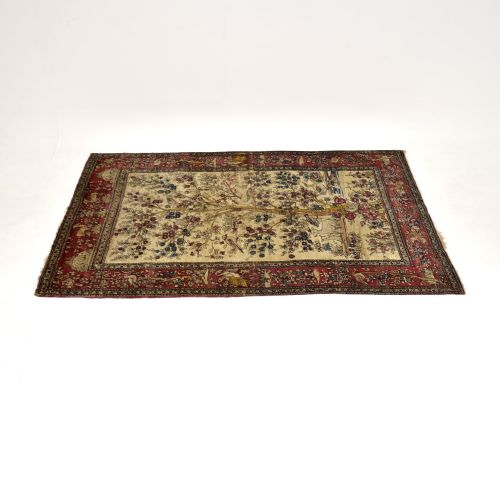
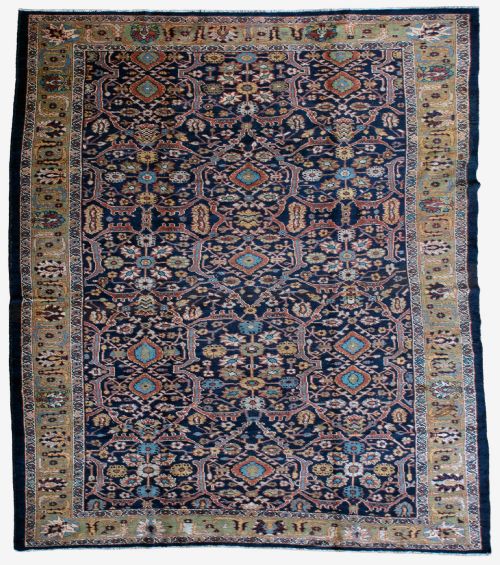
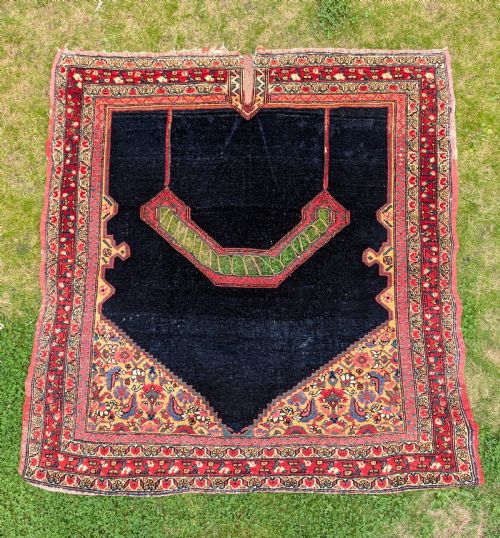
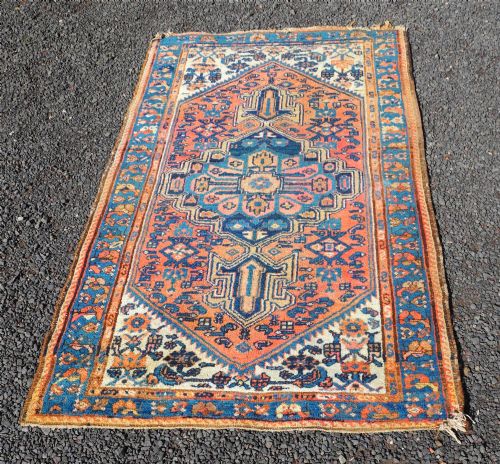
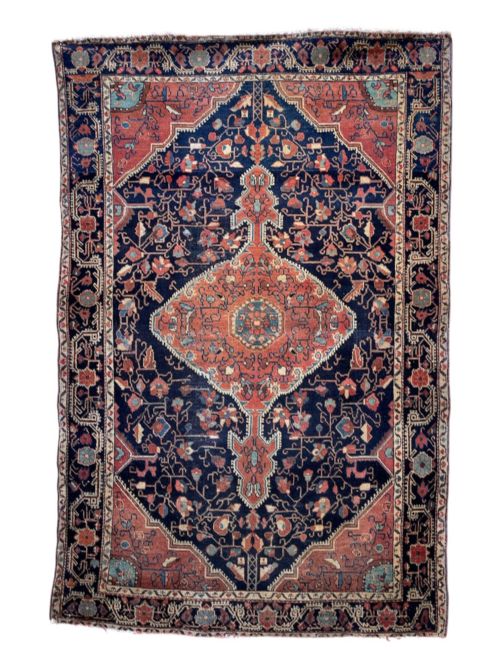
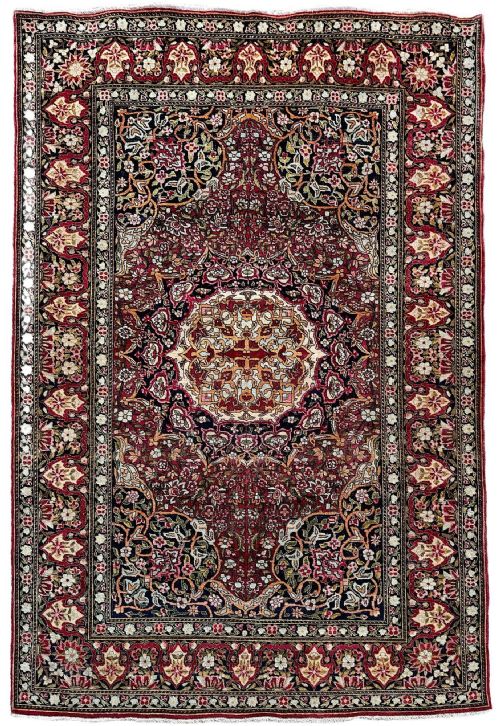
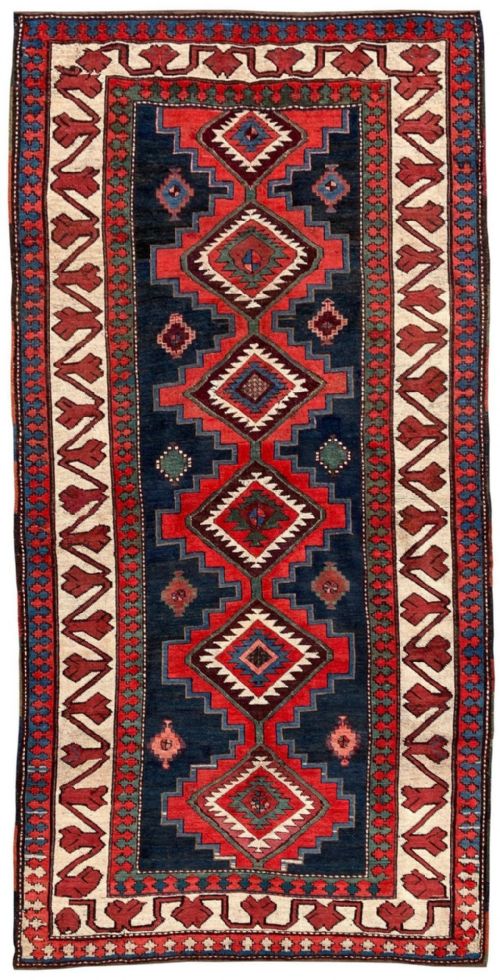
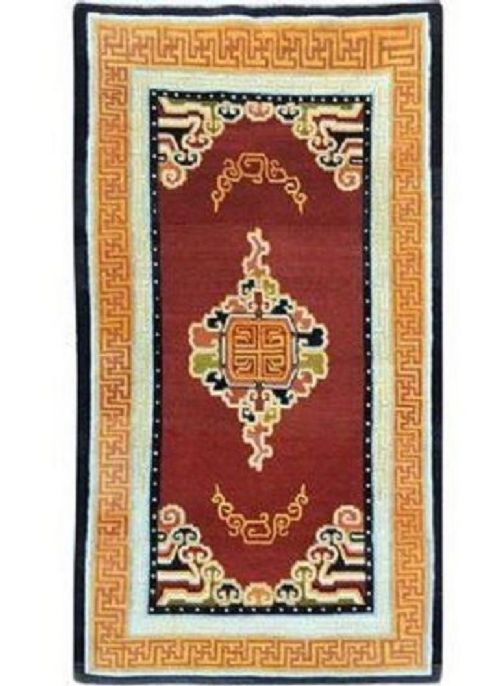
A vintage woven carpet or rug brings traditional Persian design into domestic spaces, appearing in forms such as area rugs and larger floor coverings. Buyers search for these pieces to anchor a room with distinct historical patterns originating from regions like Tabriz, Khorassan, Mahal, Malayer, and Khamseh. The selection ranges from nineteenth-century tribal works to substantial carpets produced around the early twentieth century.
Most examples encountered on this page date from the late nineteenth century up through the nineteen-thirties, reflecting classic Persian traditional and tribal aesthetics. These floor coverings utilise time-honoured knotting and weaving traditions, presenting distinct colour palettes and grounds ranging from cream to deeper saturated tones. Each piece carries the unmistakable visual language of its specific weaving origin.
How vintage woven carpet pieces were made
Makers constructed each vintage woven carpet using fundamental textile materials, relying predominantly on wool for the pile and foundation support alongside cotton structures. These natural fibres provided the necessary tensile strength and soft handle required for domestic floor use.
The construction methods draw upon centuries of regional carpet-making knowledge passed down through Persian tribal and workshop traditions. Artisans knotted wool by hand onto sturdy foundations, creating durable surfaces designed to withstand generations of daily wear.
Vintage Woven Carpet Retail Price Guide 2026
Typical asking prices for vintage woven carpet among the pieces listed under this phrase on Sellingantiques today, from the lower quarter to the upper quarter. They describe what is for sale here now, not the wider market.
Some nineteenth-century tribal weavers left tiny asymmetric wool knots in their margins, like a secret signature whispered directly into the loom.
What varies in quality
Quality differences in a vintage woven carpet stem from the intricacy of the regional design, the fineness of the knotting, and the handling of the wool. Pieces originating from established workshops like Tabriz or Khorassan often display tighter structural density and more refined pictorial detailing than simpler tribal equivalents.
The depth and harmony of the colour palette also distinguish finer examples from standard production. Artisans who achieved subtle tonal shifts and balanced natural dyes produced carpets with enduring visual presence.
The Vintage Woven Carpet Glossary
- Wool
- The primary natural fibre used for the pile and structural elements of these carpets, valued for its resilience and capacity to hold rich dye colours.
- Cotton
- A durable plant-based fibre frequently utilised for the foundational warp and weft threads supporting the wool pile.
- Tabriz
- A historic major centre of carpet production in north-west Persia known for sophisticated workshop designs and fine knotting.
- Khorassan
- A north-eastern Persian region celebrated for producing carpets with dense wool and characteristic traditional medallion or all-over field patterns.
- Malayer
- A district in western Persia producing smaller rugs and carpets featuring charming village and tribal interpretations of classic motifs.
Vintage Woven Carpet: Frequently Asked Questions
Where did vintage woven carpets originate?
These pieces originate primarily from historic Persian weaving centres and tribal regions. Specific areas of production include Tabriz, Khorassan, Mahal, Malayer, and Khamseh.
Each region developed distinct weaving traditions that dictate the specific patterns, structural densities, and colour palettes found in individual floor coverings.
How do I care for a vintage wool carpet?
Maintenance requires gentle vacuuming without a rotating power brush to protect the historic wool pile. Professional cleaning suited for antique textiles preserves the natural fibres.
Positioning the rug away from direct, continuous sunlight prevents premature fading of the traditional dye palettes.
What materials make up these carpets?
Traditional construction relies on natural textiles, with wool forming the soft upper pile and cotton making up the sturdy foundation threads. These organic materials ensure both flexibility and long-term durability.
The combination of wool and cotton allows the heavy textile to lie flat and handle regular foot traffic.
How are different regional styles told apart?
Distinctions between regional styles rely on observing the motif geometry, border arrangements, and overall composition of the field. Workshop pieces from Tabriz exhibit refined floral curves, while tribal rugs from Khamseh or Malayer display more geometric, expressive layouts.
Comparing the weave tightness and the specific colour combinations helps pinpoint the probable weaving origin.