
Vintage Wool Tapestry
A vintage wool tapestry brings tactile depth and rich pattern to a room, offering centuries of textile artistry through woven wall hangings and panels.
Vintage Wool Tapestry
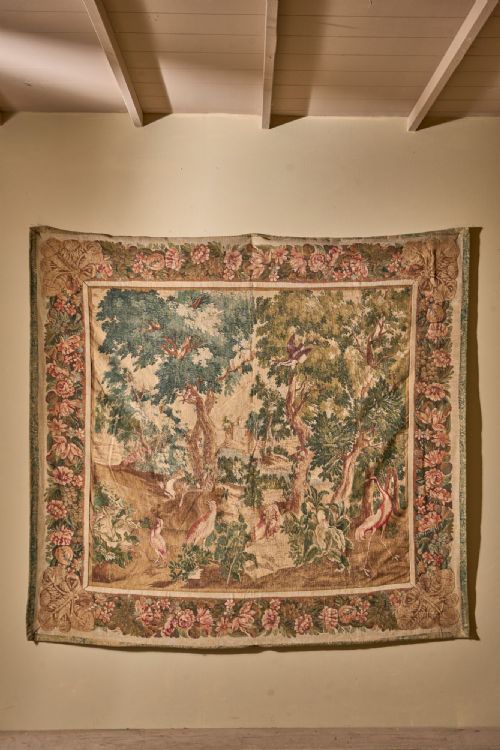
A vintage wool tapestry encompasses a diverse array of textile forms, ranging from grand French verdure panels to smaller needlework pictures and folk art hangings. When searching for a vintage wool tapestry, buyers encounter works spanning from the seventeenth century through to the mid-twentieth century, originating from European weaving centres and tribal regions alike.
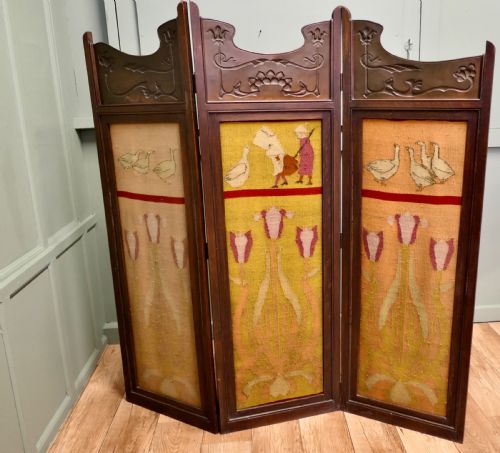
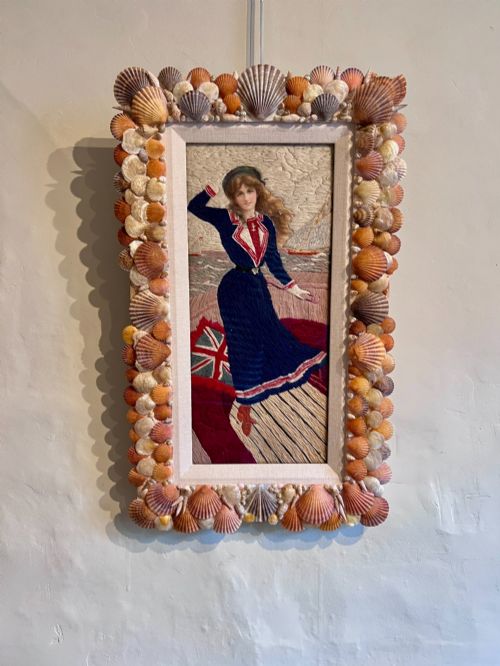
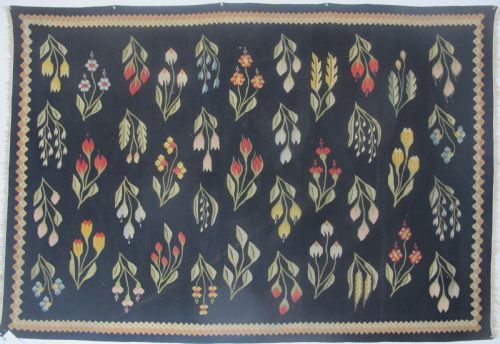
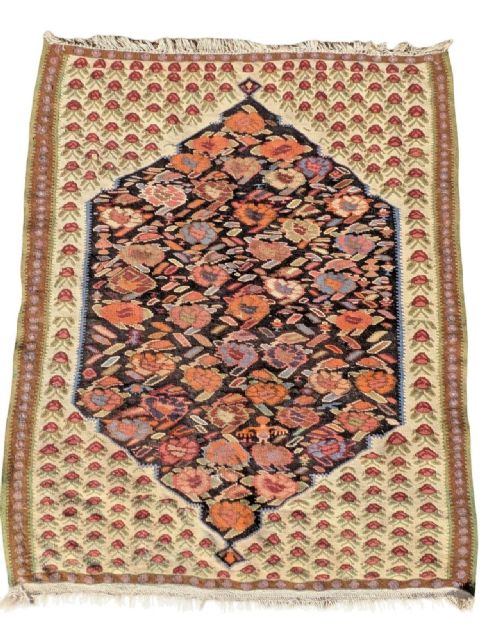
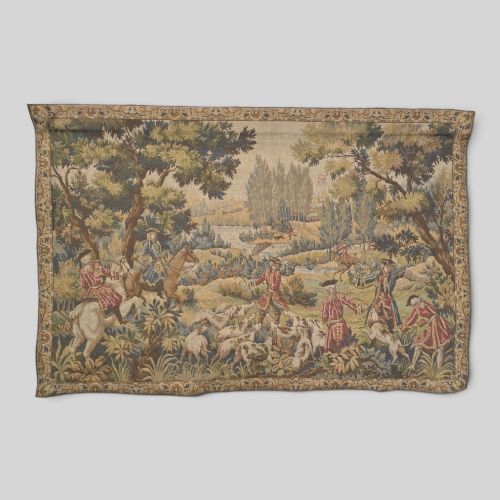
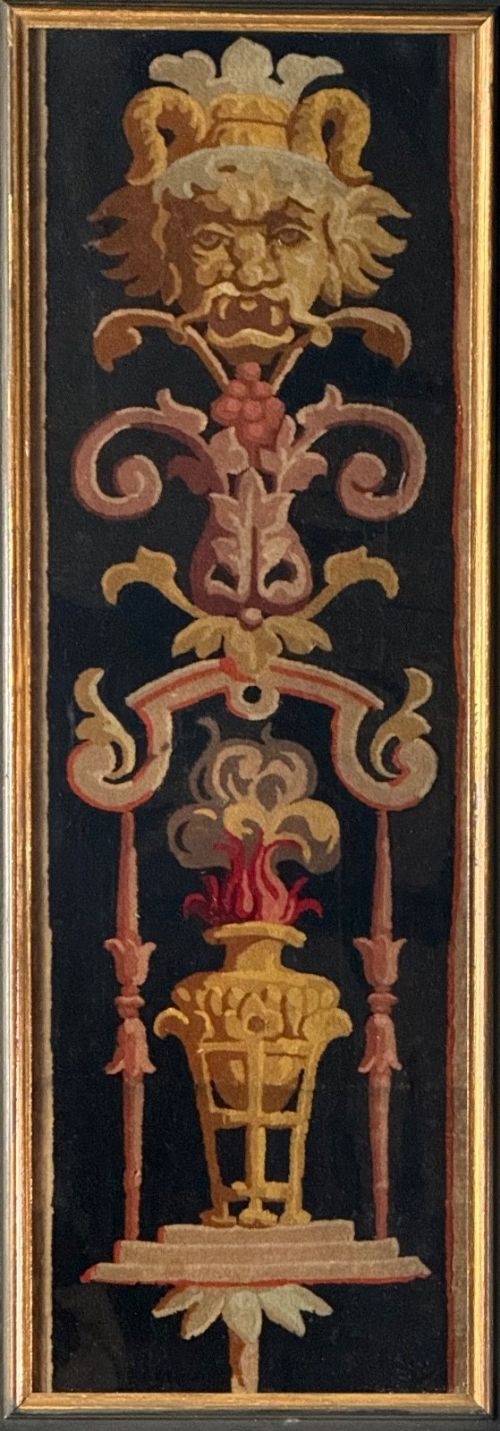
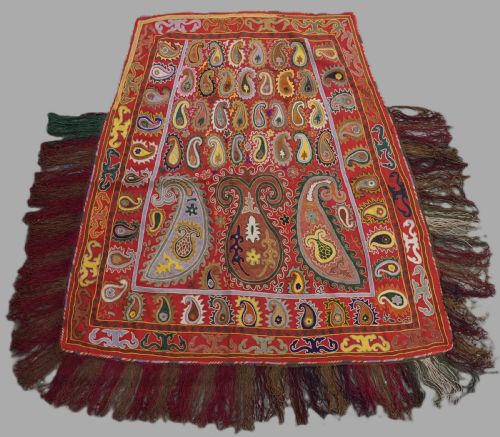
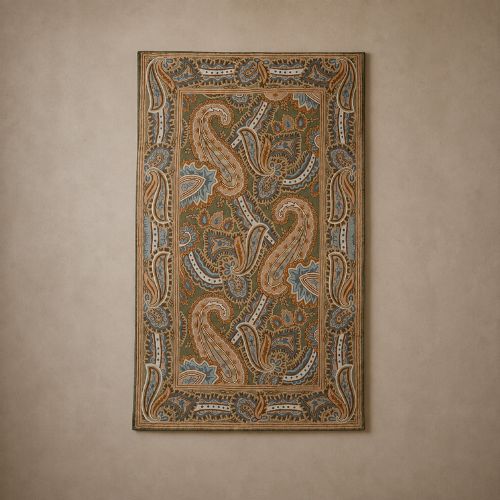
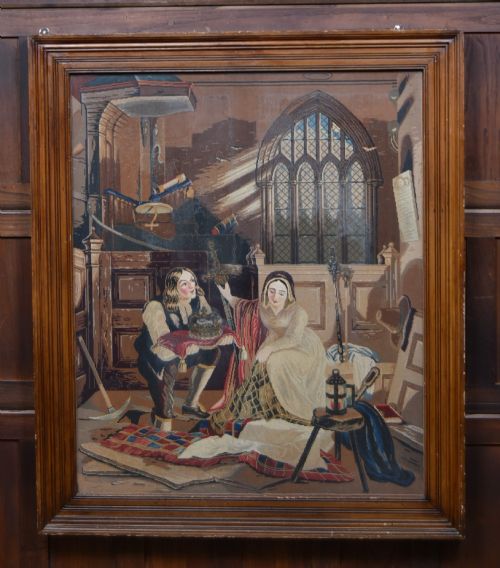
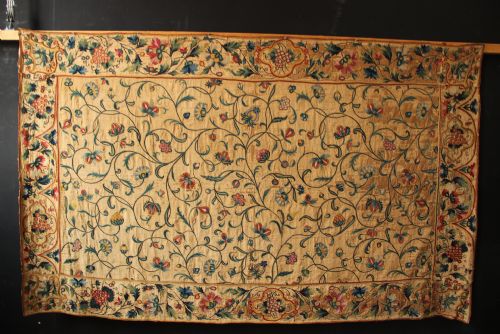
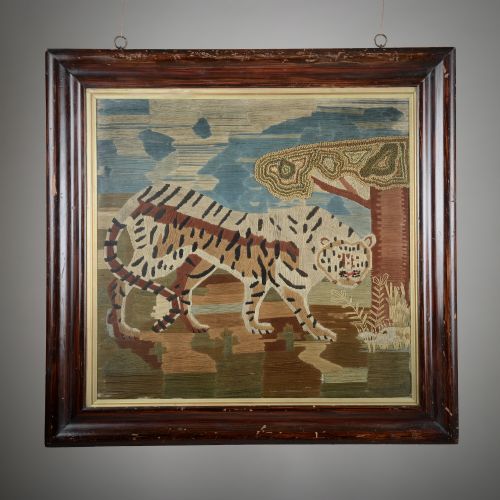
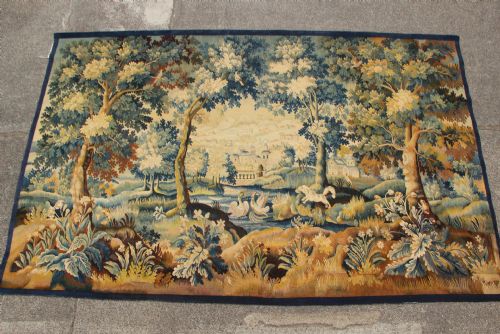
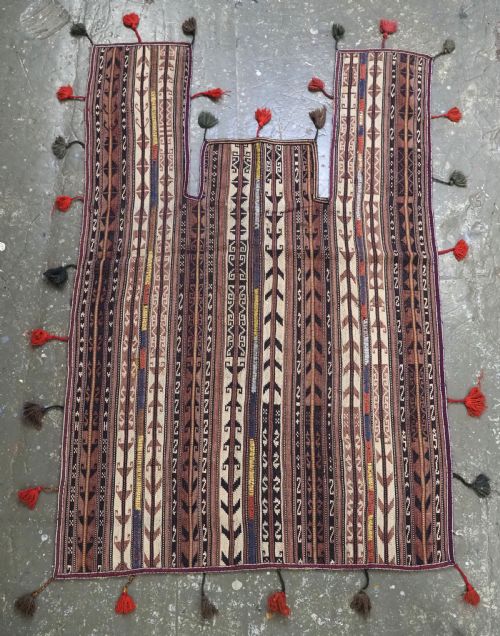
The selections on this page feature an eclectic mix of wall hangings, framed panels, firescreen inserts, and floor rugs. Pieces vary from monumental Aubusson verdure landscapes to intimate crewelwork embroideries and Central Asian tribal horse covers worked in heavy wool.
Domestic English and French needlework pieces sit alongside bold Central Asian kilims and ceremonial saddle covers. This broad spectrum reflects how wool has been utilised across different cultures for decorative and functional textile art over hundreds of years.
Materials and construction methods
The construction of these textiles relies fundamentally on wool, frequently combined with cotton, silk, and linen threads on canvas, linen, or wooden support frames. Artisans employed techniques such as needlepoint, gros-point, crewelwork embroidery, and flatweave construction to build dense, textured surfaces.
Many works incorporate supportive elements like oak frames, copper mounts, or linen backings to stabilise fragile historical fabrics. Tribal pieces utilise stout wool and felt, often dyed in rich hues, while European verdure panels demonstrate intricate hand-weaving designed to depict foliage and classical scenes.
Listings feature textiles from the 17th century through to the mid-20th century, incorporating wool, cotton, silk, linen, and oak.
Factors of distinction
Quality in these textiles rests upon the density of the weave, the fineness of the needlework, and the preservation of the original materials. Works executed with tight, uniform stitches and complex polychrome palettes demonstrate superior technical competence by the maker.
Condition also plays a central role, distinguishing pieces with intact borders and stable wool fibres from heavily fragmented or patched examples. The artistic merit of the composition, whether a detailed figurative portrait or a balanced botanical verdure scene, elevates the standing of the piece.
The Vintage Wool Tapestry Glossary
- Verdure tapestry
- A type of woven wall hanging depicting lush landscapes, foliage, trees, and often animals. These scenes typically draw on seventeenth and eighteenth-century French and Flemish traditions.
- Crewelwork
- A style of embroidery utilising wool yarn to execute flowing floral and patterned designs on a linen or cotton ground. English examples from the seventeenth century onwards showcase this technique.
- Kilim
- A flatwoven carpet or rug produced without a pile, commonly associated with tribal weaving traditions in Central Asia and the Near East. They are known for sharp geometric motifs and durable wool construction.
- Asmalyk
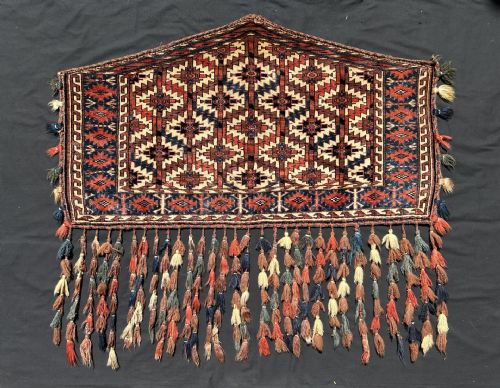
- A traditional pentagonal trapping created by Turkmen tribes, often featuring intricate geometric patterns and heavy wool embroidery. These were historically used as ceremonial horse decorations during weddings.
- Needlepoint
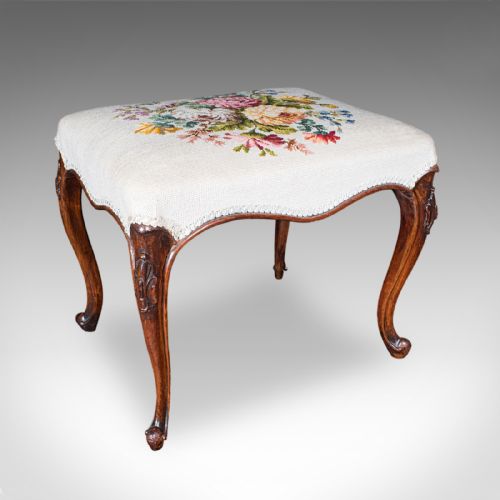
- A form of counted-thread embroidery stitched onto a stiff open-weave canvas foundation. It covers the entire ground to form a dense, durable pictorial surface.
Vintage Wool Tapestry: Frequently Asked Questions
How do I hang a heavy textile safely?
Wall hangings require even weight distribution to prevent distortion of the fabric fibres over time. Using a professional conservator or framing the piece behind glass offers maximum protection for fragile wool panels.
Heavier rugs and large tapestries often utilise a fabric sleeve sewn to the reverse, allowing a padded wooden batten to support the entire width evenly.
Can these rugs be placed on the floor?
While many flatweaves and kilims were built for functional floor use, delicate needlework panels and antique wall tapestries lack the structural resilience for foot traffic. Placing fragile needlepoint or framed textile panels on walls or furniture shields them from wear.
Sturdier wool carpets handle gentle placement in low-traffic areas when paired with an appropriate non-slip underlay to prevent shifting.
How do I clean antique wool textiles?
Professional textile conservation cleaning remains the safest method for handling antique wool and silk works. Household washing or harsh chemical treatments can shrink the wool and cause historic dyes to bleed.
Gentle surface dusting with a low-suction vacuum through a protective mesh screen helps manage everyday maintenance without disturbing fragile stitches.
How are different periods identified?
Dating relies on stylistic markers, materials, and structural construction techniques characteristic of specific eras. Seventeenth-century works often display classical motifs and Flemish border fragments, while Victorian examples lean towards dense floral needlework and folk art.
Examining the reverse of the textile reveals hand-spun yarns, natural dye variations, and sewing methods that point towards particular historical decades.