


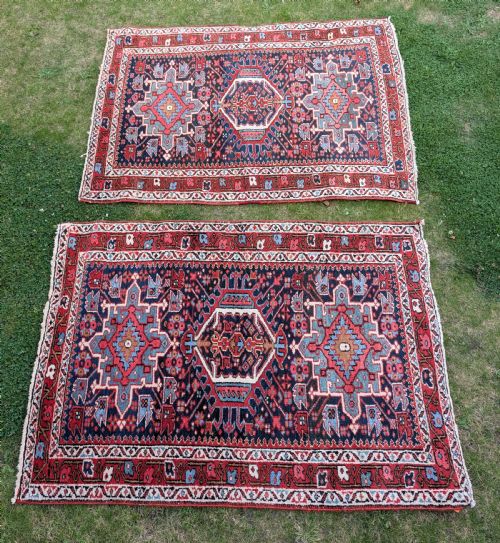
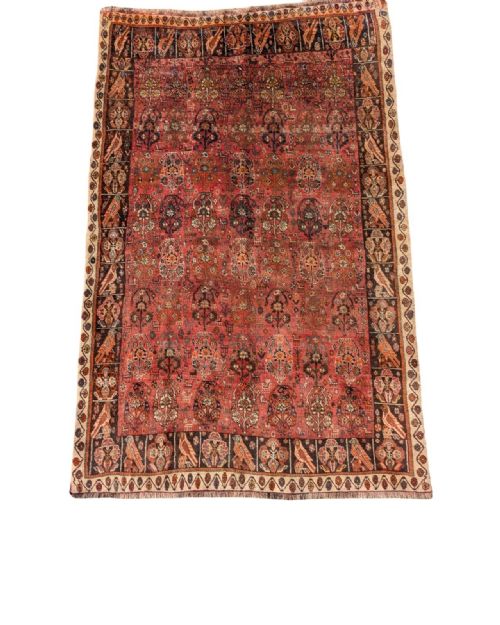
Antique Wool Mat
These antique wool mat examples bring centuries of tribal weaving traditions into modern spaces through durable materials and distinct regional designs.
Antique Wool Mat
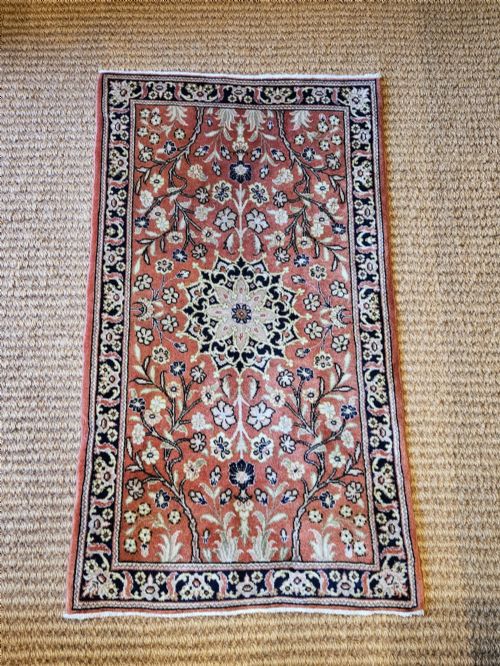
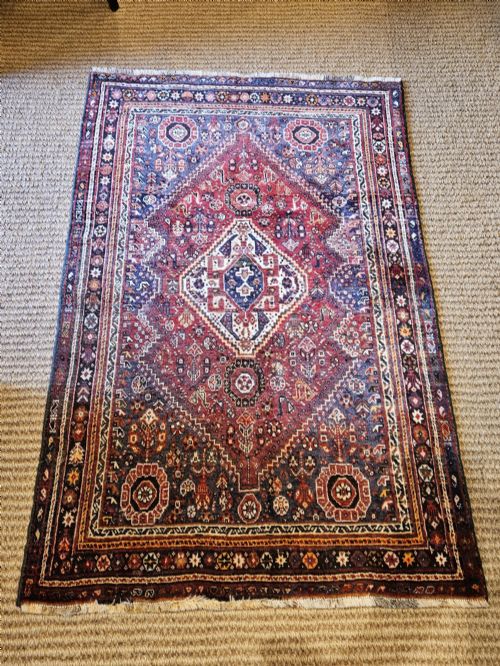
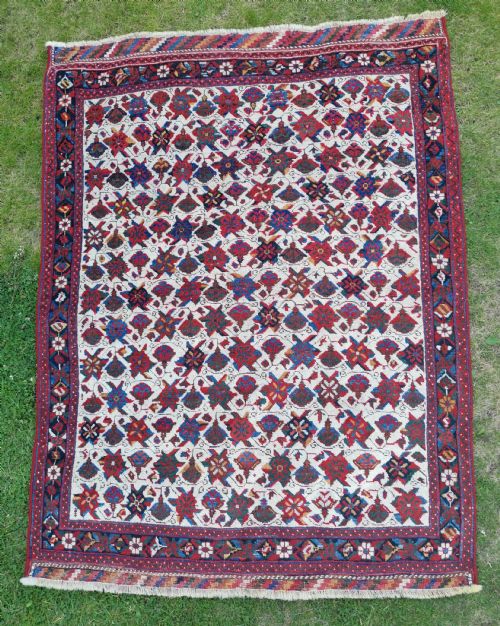
An antique wool mat represents a diverse category of floor coverings, rugs, prayer rugs, and small textiles originating from Central Asia, Persia, the Caucasus, and Anatolia. When searching for an antique wool mat, buyers encounter forms ranging from hearth-sized squares to tribal saddle covers, prayer rugs, and small mats created across the nineteenth and early twentieth centuries.
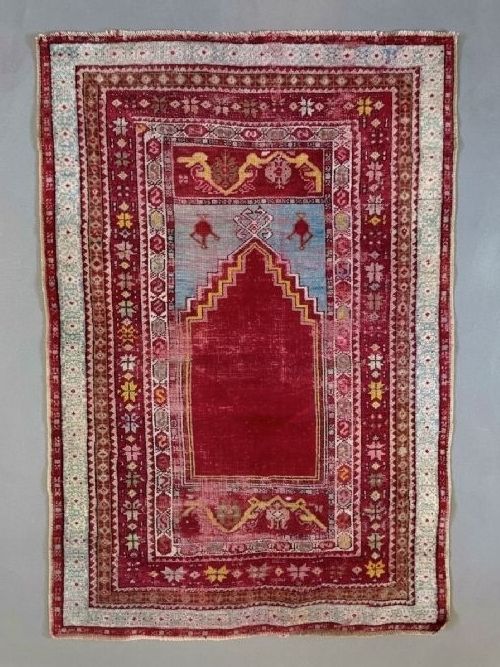
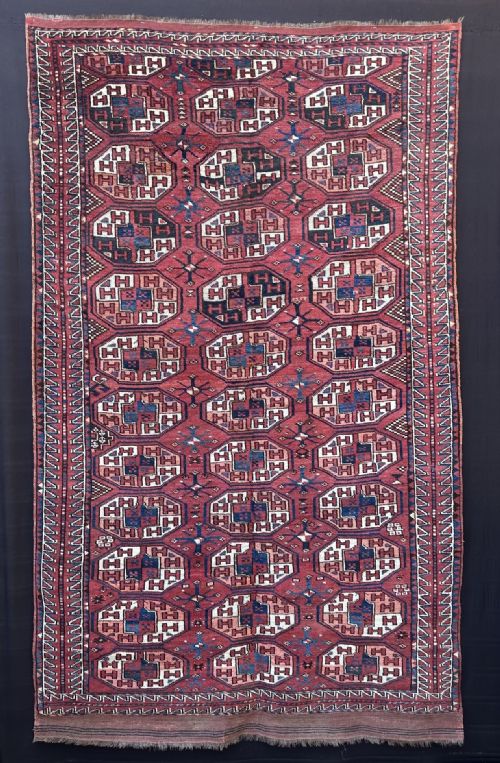
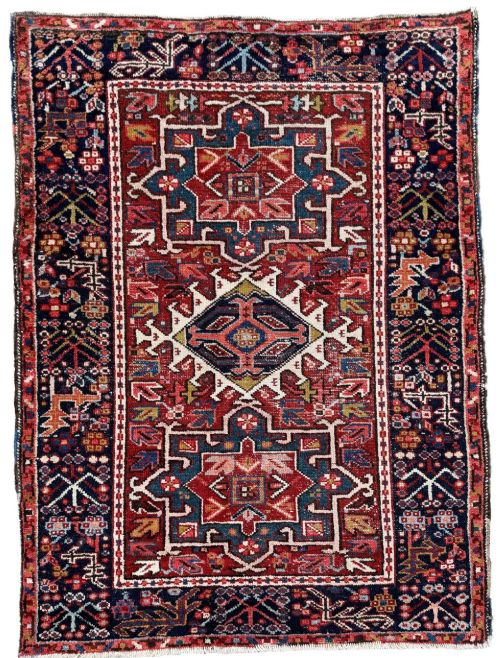
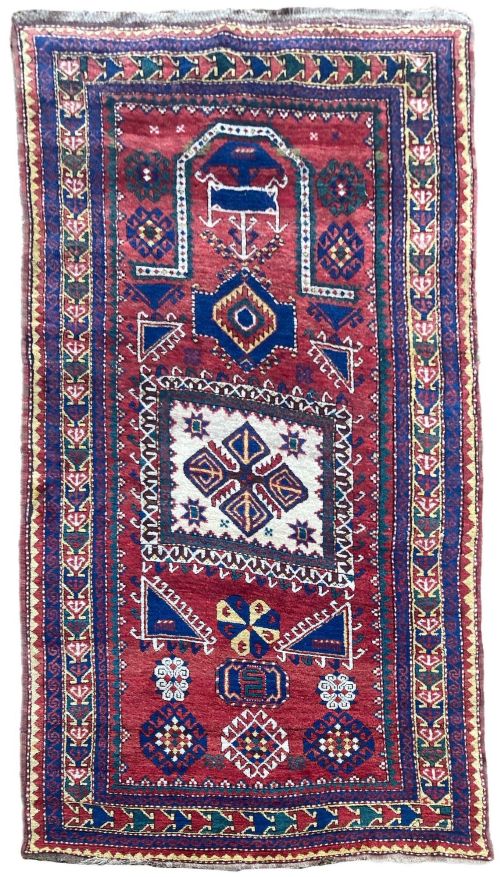
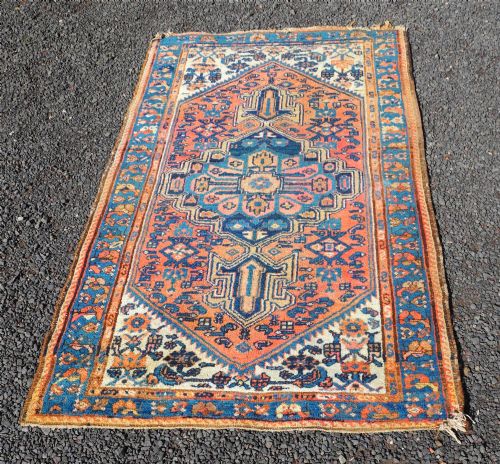
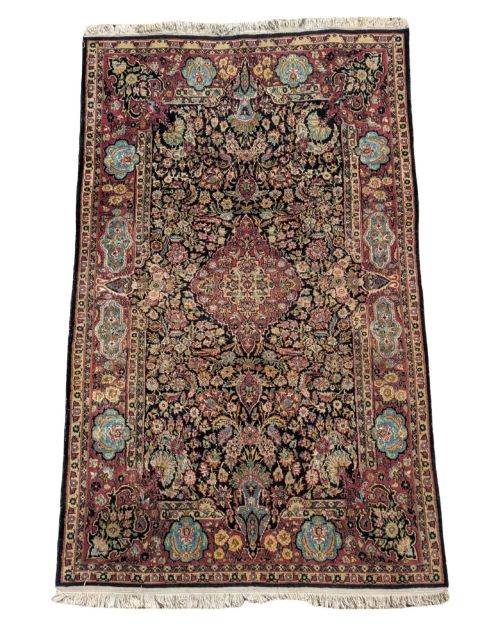
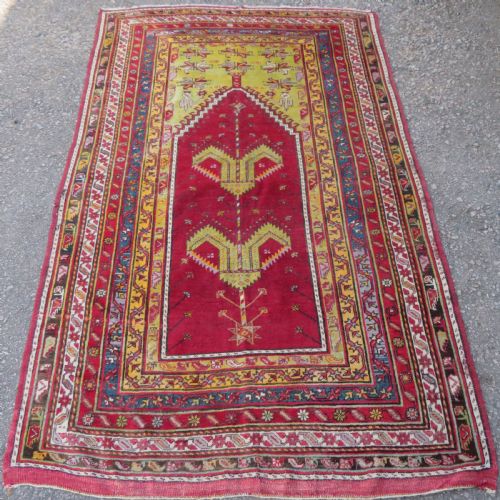
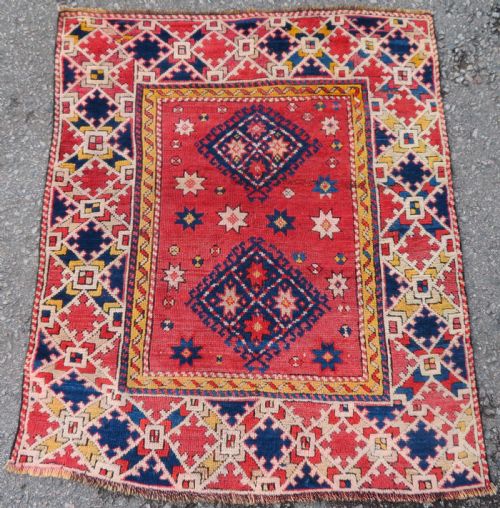
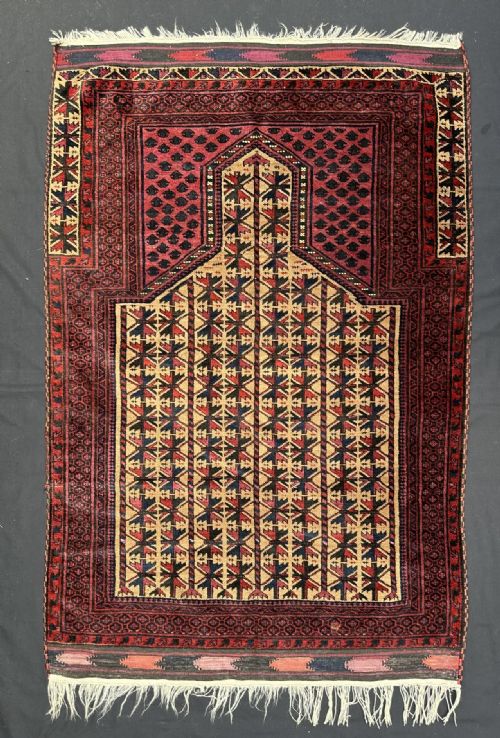
The selection on this page draws heavily from regional traditions including Persian, Turkmen, Caucasian, and Anatolian weaving cultures. Pieces commonly manifest as village or nomadic work, displaying geometric patterns, floral lattice designs, and double mihrab prayer formats constructed by specific tribal confederacies.
How they were made
Weavers constructed these pieces utilising hand-spun wool foundations and surface piles, occasionally incorporating cotton foundations or silk highlights for definition. Artisans dyed the wool using natural dyes, yielding deep colour palettes that developed distinct patinas over decades of use.
Construction techniques involved traditional knotting and weaving methods particular to specific regions, such as the intricate pile work of Caucasian Kazak and Persian Hamadan pieces, or specialised items like embroidered textiles and flatwoven sofreh.
Several pieces preserve their original tassels and saddle cover formats, having survived a century of nomadic travel.
What varies in quality
Quality in these textiles depends heavily on the fineness of the knotting, the integrity of the natural dyes, and the survival of original borders and tassels. Tighter construction and careful preparation of hand-spun wool yield greater durability and structural resilience over time.
The sophistication of the tribal design work and the clarity of the colour combinations also determine the standing of a piece. Examples retaining their original formatting, such as saddle covers with intact tassels or prayer rugs with complete prayer arches, command stronger interest from collectors.
The Antique Wool Mat Glossary
- Prayer Rug
- A small rug featuring a mihrab or arch design used historically for daily prayers. These pieces often direct the worshipper's focus toward Mecca.
- Mihrab
- The niche or arch design found on prayer rugs, symbolising the direction of prayer. It typically frames the upper field of the textile.
- Sofreh
- A flatwoven or piled spread used for dining, kneading bread, or serving food in nomadic households. They often feature large geometric fields surrounded by tribal borders.
- Natural Dyes
- Colourants derived from plants, insects, and minerals rather than synthetic chemicals. These dyes produce complex, muted tones that age gracefully.
- Hand-Spun Wool
- Wool yarn processed manually using a spindle rather than an industrial machine. This method creates irregularities in thickness that add texture and character to the pile.
Antique Wool Mat: Frequently Asked Questions
Where were these mats made?
These textiles originate from regions spanning Persia, Anatolia, the Caucasus, Turkmenistan, and Afghanistan. Nomadic tribes and village workshops in these areas produced them for daily domestic use, travel, and ritual purposes.
Production methods and wool sources reflected the immediate local environment, utilising sheep's wool from local flocks and traditional regional motifs passed down through generations.
How do I clean an antique wool mat?
Maintenance requires gentle care, starting with regular light vacuuming without a beater bar to remove embedded dust. Professional cleaning by a specialist familiar with antique vegetable-dyed textiles is recommended for deeper maintenance.
Avoid harsh chemical detergents, excessive water soaking, and direct continuous sunlight, which can weaken old wool fibres and alter natural dye colours.
How can I tell the age of a rug?
Dating relies on examining the materials, structural weave, natural dye characteristics, and stylistic markers specific to nineteenth and early twentieth-century production. Variations in hand-spun wool and the palette of vegetable dyes provide key clues regarding the period of manufacture.
Comparing structural details against documented tribal weaving styles helps narrow down the era, from mid-nineteenth-century examples to later pieces from the 1920s and 1930s.
What is a tribal prayer rug?
A tribal prayer rug is a portable devotional textile woven by nomadic or village weavers featuring a distinct arched niche known as a mihrab. These smaller rugs served a practical religious function while showcasing the distinct geometric design language of specific tribes.
Weavers often integrated symbolic amulets or floral lattices into the field surrounding the central arch to ward off misfortune during prayer.