








Botanical Embroidered Textile
A botanical embroidered textile brings historical flora into a room through needle and thread, offering tactile depth that flat prints simply lack.
Botanical Embroidered Textile
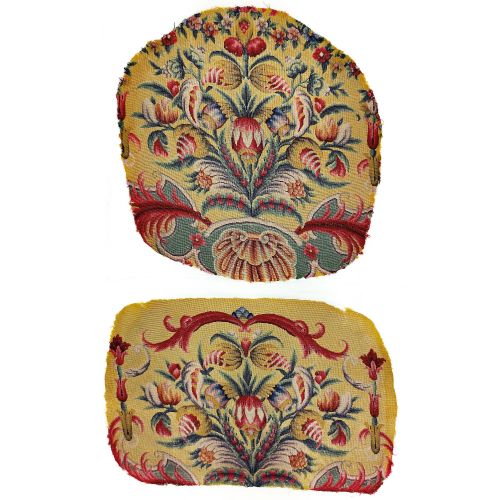
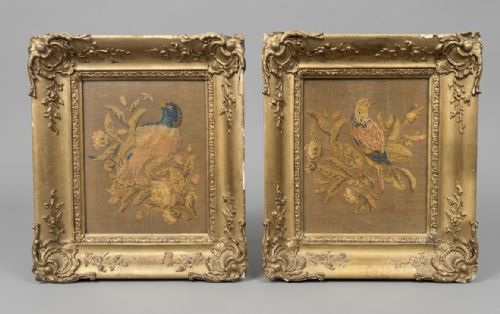
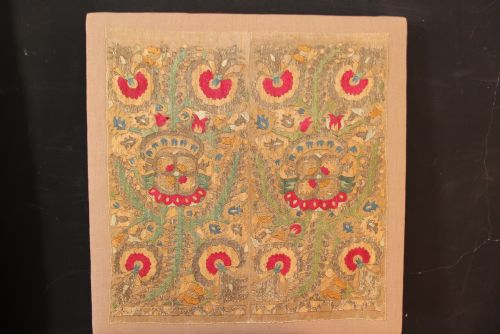
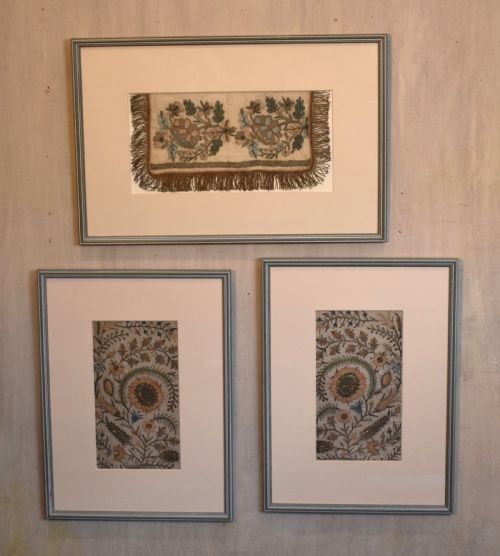
When you search for a botanical embroidered textile, you enter a diverse field spanning centuries of needlework traditions from English country houses to Central Asian workshops. The pieces available here range from intimate eighteenth-century framed needlework pictures to large-scale nineteenth-century Suzani bed covers worked in silk.
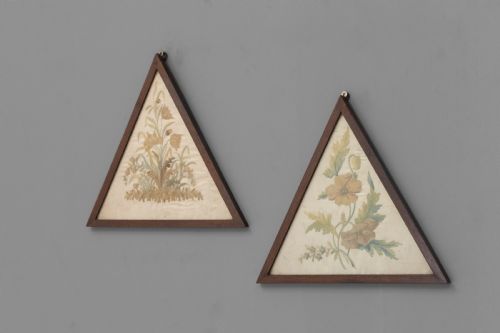
You will encounter various forms, including framed textile art, wall panels, and Greek folk art hand towel end panels. These items showcase floral and natural motifs worked in canvas, linen, and cotton grounds across periods such as the eighteenth century, the Victorian era, and the mid-twentieth century.
Materials and construction methods
Maker execution relies heavily on foundational textiles such as linen, canvas, cotton, and silk, worked with specialised threads including wool, silk, and metallic thread. Framed items frequently utilise timber frames and glass protection to preserve the delicate needlework.
Stitchwork techniques vary from fine silk embroidery and traditional needlepoint to regional Suzani embroidery methods. Artisans applied these stitches onto natural grounds, creating textured surfaces that endure across generations.
Botanical Embroidered Textile Retail Price Guide 2026
Typical asking prices for botanical embroidered textile among the pieces listed under this phrase on Sellingantiques today, from the lower quarter to the upper quarter. They describe what is for sale here now, not the wider market.
Listings feature textiles spanning the eighteenth century to the mid-twentieth century, utilising silk, wool, linen, canvas, and metallic thread.
Factors determining quality
Quality separates ordinary stitching from exceptional textile art through the precision of the needlework and the complexity of the botanical composition. Finer execution shows in the tightness of the weave, the subtlety of thread shading, and the integrity of the ground fabric.
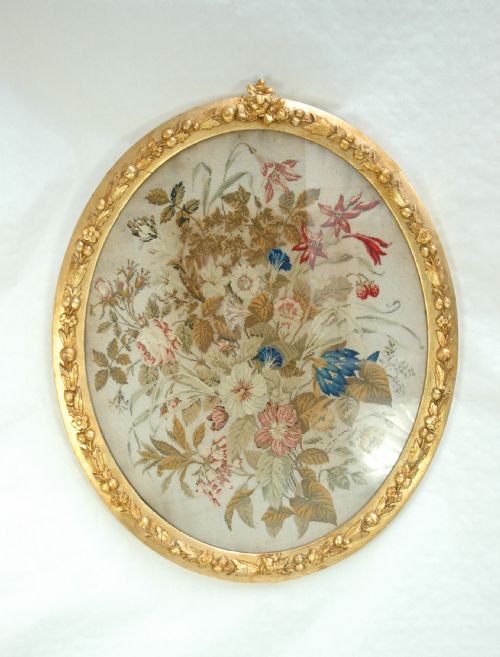
The sophistication of the framing also dictates overall quality, particularly where original gilt frames or period woodwork protect the textile. Pieces retaining their structural context and original materials command stronger visual presence than those altered over time.
The Botanical Embroidered Textile Glossary
- Suzani
- A traditional embroidered tribal textile from Central Asia, typically worked in silk on a cotton or silk ground with bold floral patterns.
- Needlepoint
- A form of canvas work embroidery where yarn is stitched through a stiff open-weave canvas, completely covering the ground.
- Gilt frame
- A wooden picture frame coated with a thin layer of gold leaf or metallic gilt, common in eighteenth and nineteenth-century presentations.
- Needlework picture
- A pictorial scene created entirely with thread and needle, often framed behind glass for display as wall art.
Botanical Embroidered Textile: Frequently Asked Questions
How do I hang a textile panel?
Framed textile art hangs securely using standard picture hooks suited to the weight of the timber and glass. Unframed panels require specialist mounting onto conservation-grade backing boards to distribute tension evenly.
Avoid direct sunlight when choosing a wall position, as natural light degrades silk and wool threads over time. Ensure the room humidity remains stable to protect organic fibres from moisture damage.
What is a Suzani embroidery?
A Suzani is a large, decorative tribal textile originating from Central Asia, traditionally made by brides as part of their dowry. They feature vibrant silk embroidery depicting botanical motifs, vines, and floral roundels.
These textiles served various domestic functions, including bed covers and wall hangings. Today, collectors value them for their bold scale and rich textural contrast.
How do I date an old embroidery?
Dating relies on examining the substrate materials, the type of thread used, and the style of the stitching. Eighteenth-century examples often feature fine silk on linen grounds, while nineteenth-century pieces may incorporate Berlin wool work or heavier canvas.
Frame construction and backing materials also offer chronological clues. Examining the reverse side often reveals handspun threads and natural dye characteristics typical of specific eras.