


Vintage Wool Area Carpet
A vintage wool area carpet brings warmth and deep texture to a floor, offering durable craft shaped by traditional weaving centres.
Vintage Wool Area Carpet
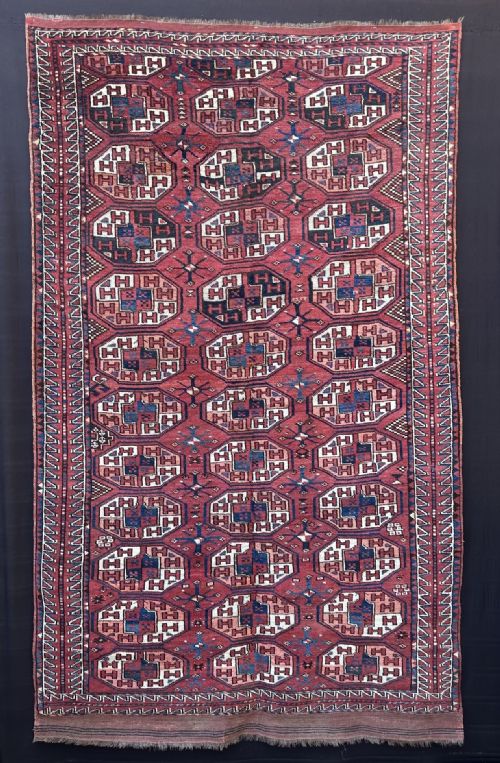
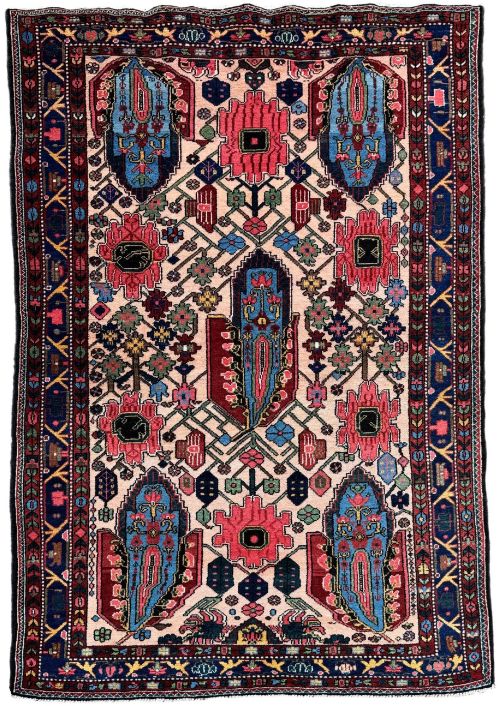
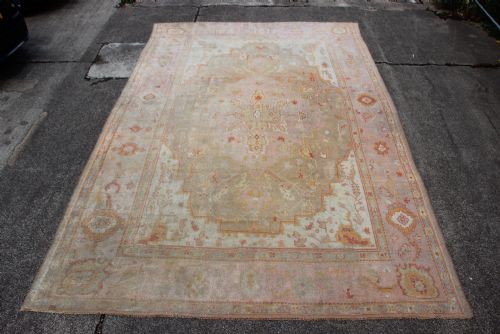
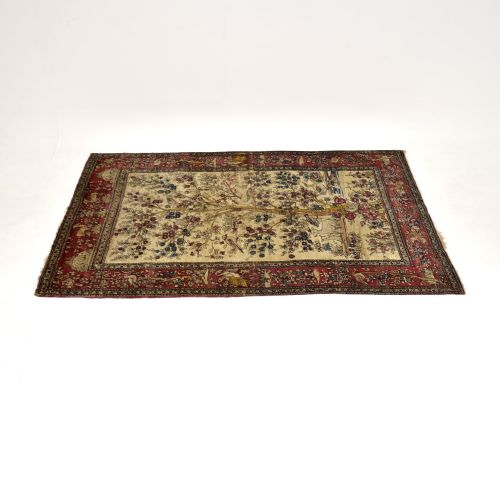
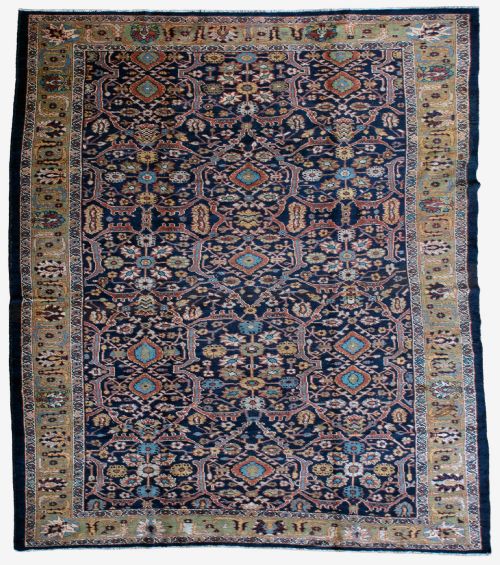
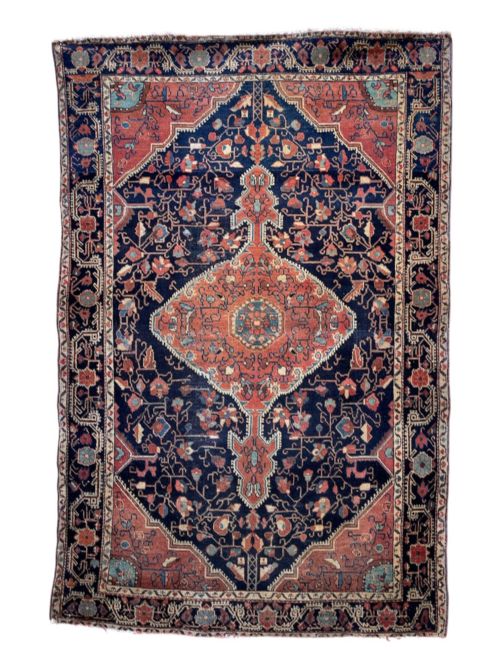
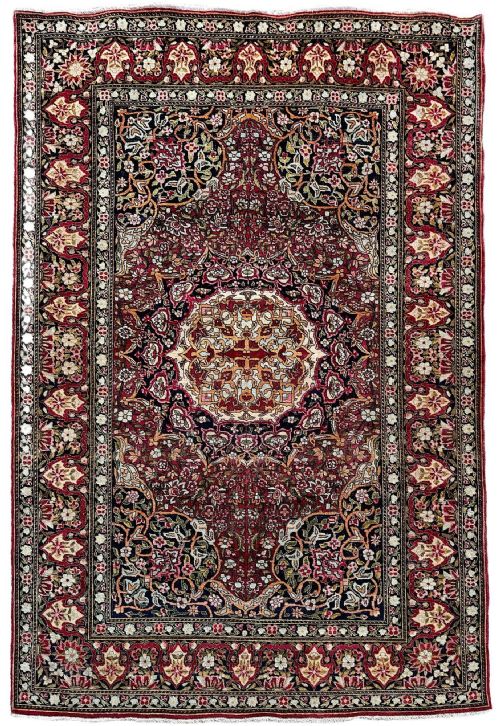
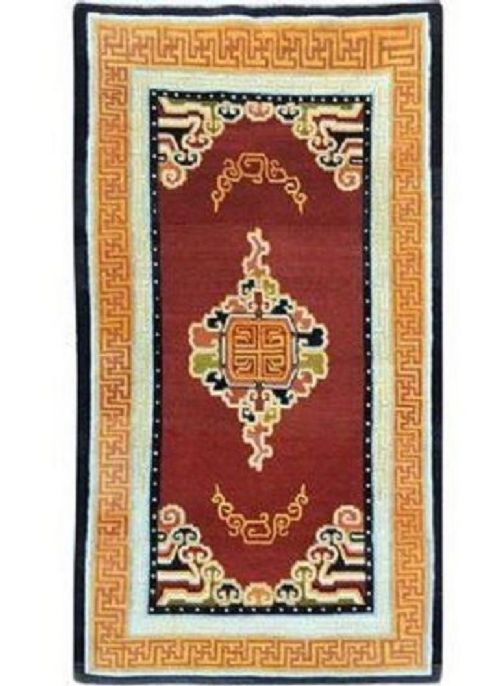
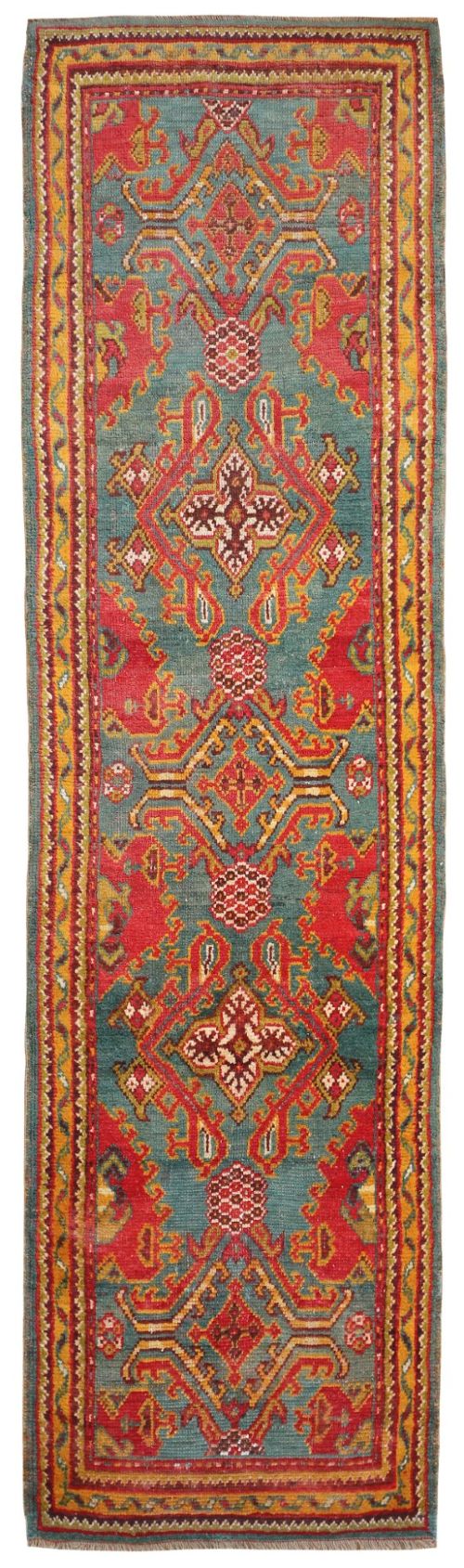
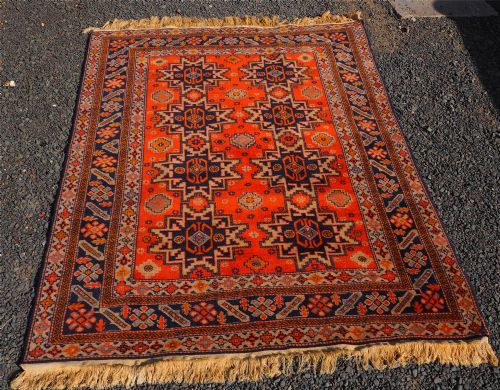
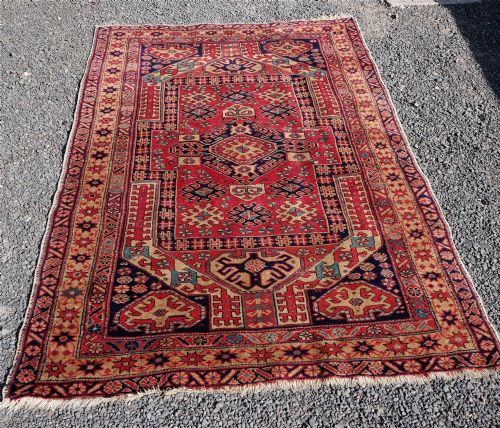
A vintage wool area carpet is a floor covering made largely from sheep wool, often incorporating cotton foundations or natural dyes, designed to anchor a room with enduring pattern. When searching for a vintage wool area carpet, buyers encounter pieces originating from Persian, Caucasian, Turkmen, and Tibetan traditions, spanning the nineteenth and early twentieth centuries.
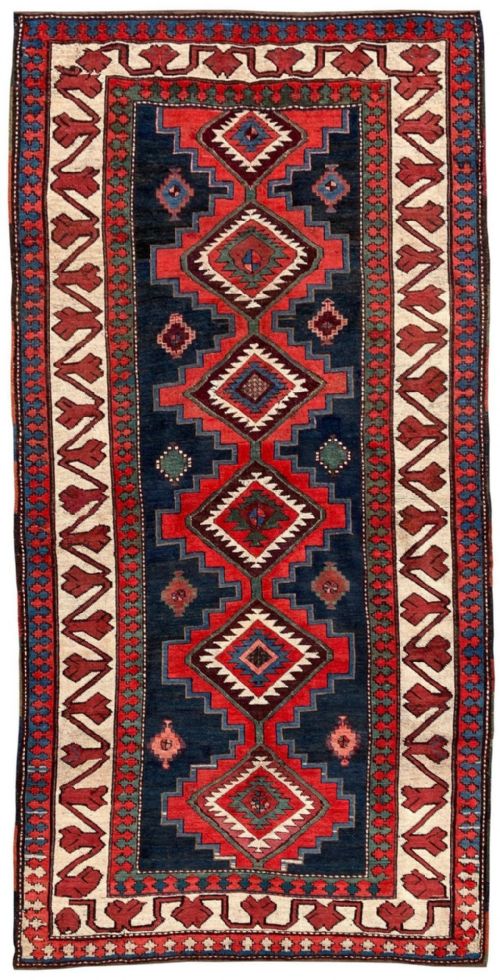
The selections on this page range from room-sized carpets like Oushaks and Mahals down to hearth-sized rugs, runner rugs, and tribal kelims. Regional variations include Khamseh, Bakhtiar, Afshar, and Bidjar weaves, each carrying distinct geometric or floral motifs specific to their village or nomadic origin.
Most examples date from the late nineteenth century through the 1930s, reflecting traditional hand-weaving methods rather than industrial production. These textiles serve as both functional floor coverings and historical artefacts of Central Asian, Persian, and Anatolian design.
How they were made
Makers utilised hand-spun wool for the pile, yielding a resilient and varied texture that accepts dye with subtle tonal shifts. Foundations commonly employ cotton or wool warps and wefts, hand-knotted or woven on upright wooden looms.
Natural dyes provide the foundational palette across these pieces, derived from plant and mineral sources that age gracefully over decades. Certain examples incorporate silk highlights to accentuate specific floral or geometric details within the wool field.
Nomadic weavers occasionally inserted deliberate minor flaws into geometric patterns to ward off evil spirits and honour the perfection of higher powers.
What varies in quality
Knot density and structural tightness dictate the crispness of the design and the longevity of the pile under foot traffic. Finer village and city carpets display meticulous precision in curvilinear motifs, whereas tribal pieces lean toward bold, expressive geometry.
The integrity of the wool and the depth of the natural dyes determine how well the carpet holds its character over time. Superior examples maintain balanced proportions, harmonious colour retention, and intact original selvages and ends.
The Vintage Wool Area Carpet Glossary
- Pile
- The upright yarn loops or cut ends that form the soft surface of the carpet. This layer bears the direct friction of foot traffic.
- Warp
- The vertical threads stretched tightly on the loom before knotting begins. These form the structural skeleton of the rug.
- Weft
- The horizontal threads passed alternately over and under the warp threads to lock the knots in place. Together with the warp, they form the foundation.
- Selvage
- The finished side edges of a carpet formed by wrapping the outermost warp threads. Proper selvages prevent the sides from fraying.
- Natural dye
- Colourants derived from plants, insects, or minerals rather than synthetic chemicals. They produce complex hues that mellow attractively with age.
Vintage Wool Area Carpet: Frequently Asked Questions
How do I clean a wool rug?
Regular gentle vacuuming without a beater bar removes surface grit from the wool pile. Professional washing by a specialist experienced in antique textiles remains essential for deep cleaning.
Avoid household detergents or vigorous scrubbing, which can damage natural dyes and weaken the cotton or wool foundation.
Can I use these rugs in high traffic areas?
Wool possesses natural lanolin that resists dirt and provides inherent resilience against daily wear. Many tribal and village carpets were constructed precisely for heavy domestic use.
Placing a quality underlay beneath the carpet prevents slipping and reduces friction between the backing and the floorboards.
How do I identify a tribal rug?
Tribal rugs typically feature geometric motifs, bold medallions, and spontaneous local designs rather than formal court curves. They often originate from nomadic or village weavers working from memory rather than drawn cartoons.
Palettes in these pieces tend to rely on rich reds, indigos, and earth tones derived from local dyestuffs.
What is the difference between a carpet and a rug?
Carpets generally refer to larger floor coverings designed to occupy a substantial portion of a room. Rugs often denote smaller formats, including hearth sizes, runners, or area pieces.
Both terms describe similar woven constructions, differing primarily in physical scale and placement within an interior.