

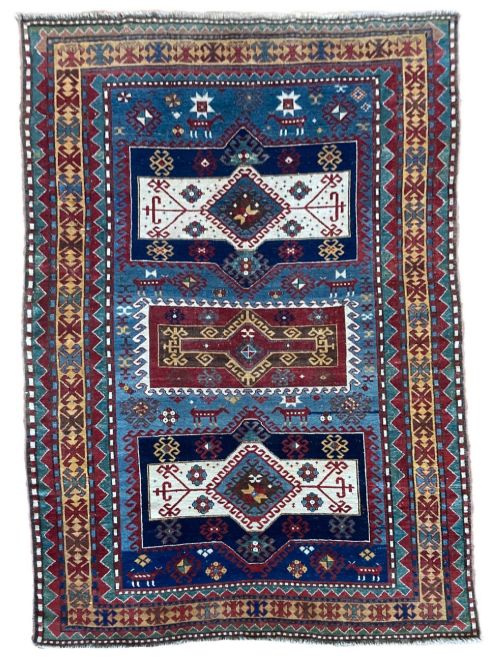
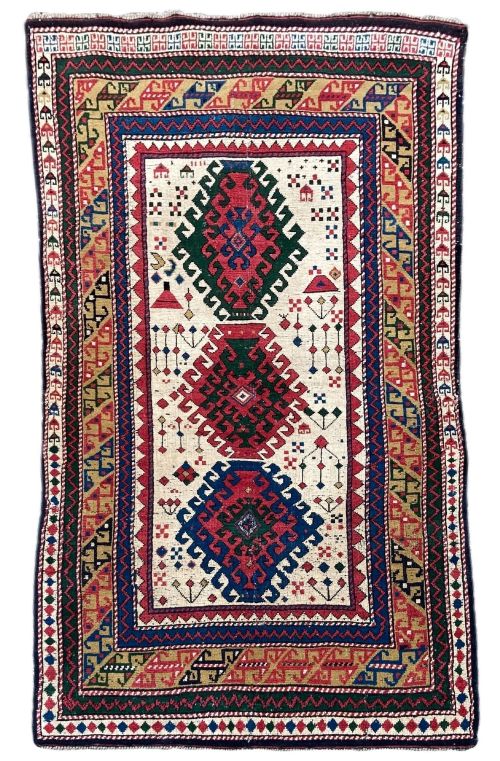
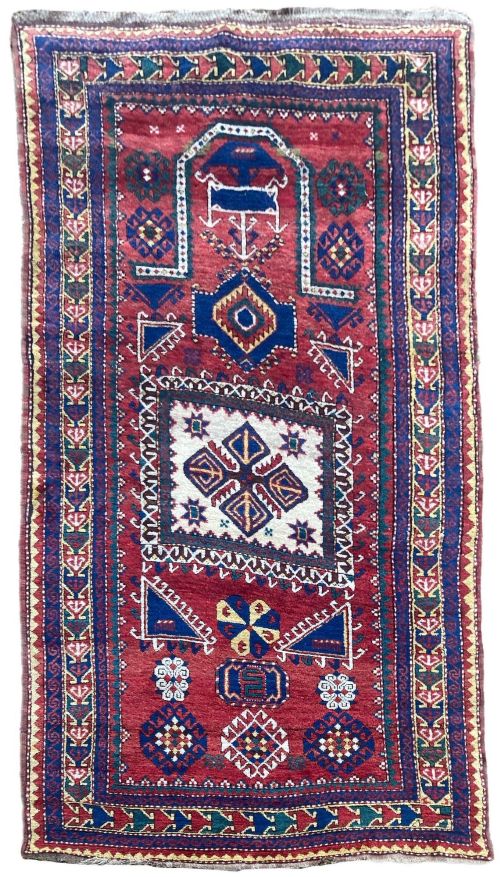
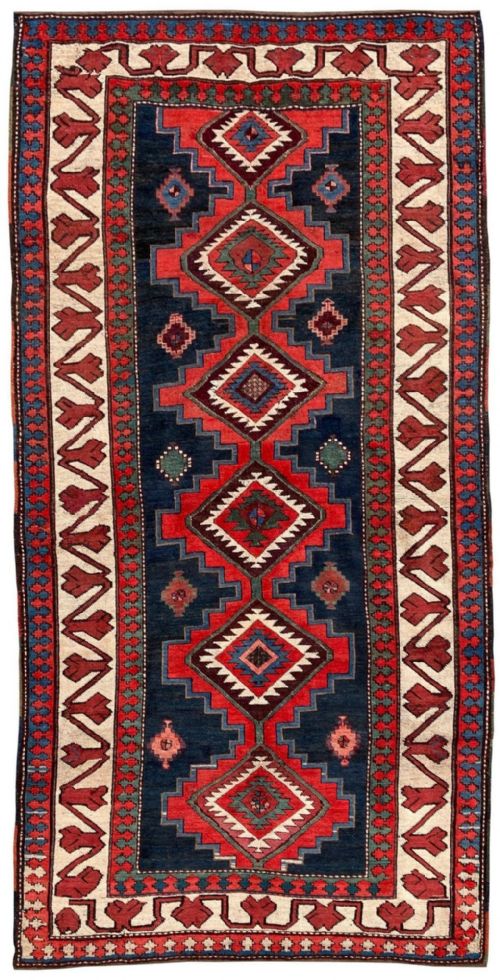


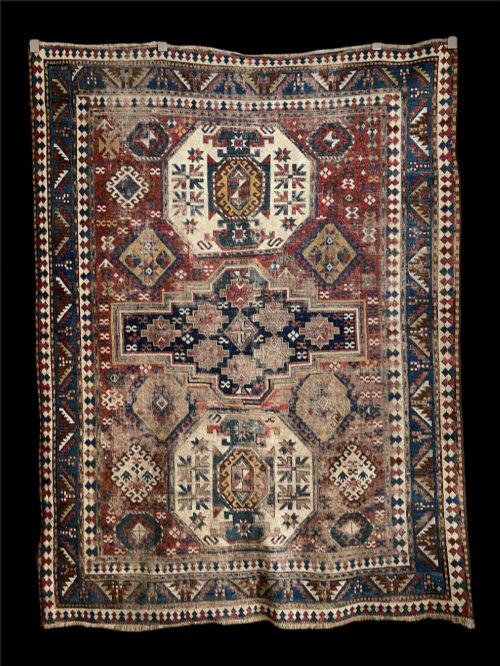


Red Wool Kazak Carpet
These red wool kazak carpets bring geometric tribal designs and rich natural dyes directly from nineteenth-century Caucasus workshops into modern rooms.
Red Wool Kazak Carpet
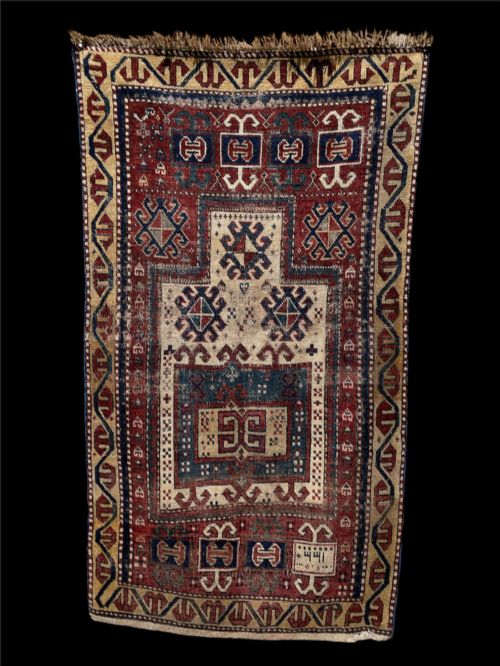
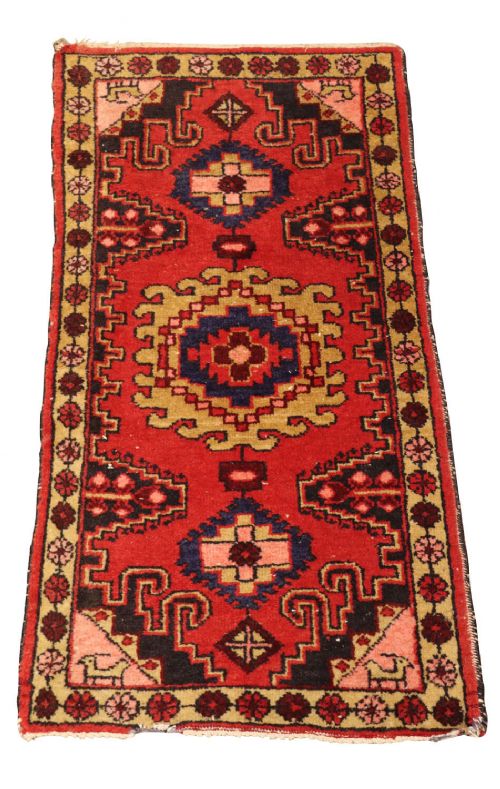
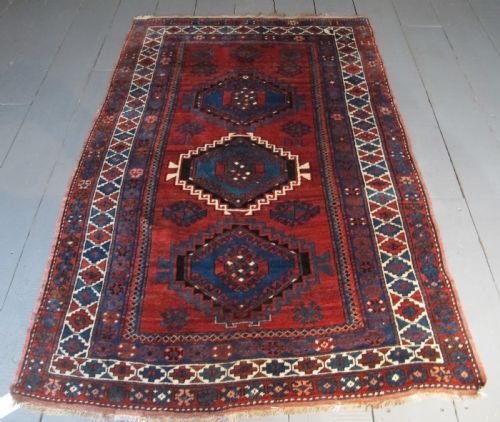
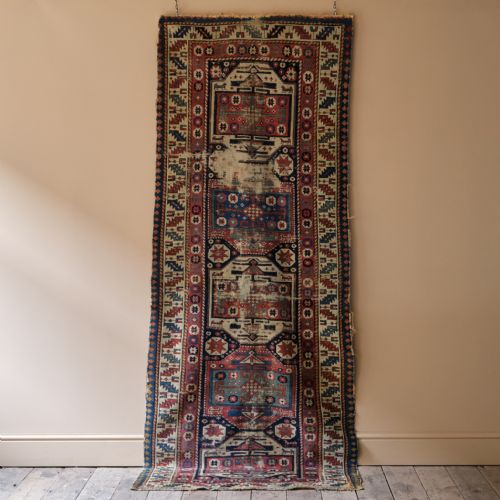
A red wool kazak carpet represents a tradition of hand-knotted weaving originating in the Caucasus region during the nineteenth and early twentieth centuries. These floor coverings range from compact prayer rugs and square formats to longer runners, often displaying bold medallions, animal motifs, and geometric lattices.
Most examples encountered on this page date from the 1850s to the 1930s, reflecting specific regional sub-types such as Fachralo, Moghan, Bordjalou, Karachov, and Chelaberd. The forms vary from intimate mats to sizeable carpets, all united by durable construction and strong visual presence.
How They Were Made
Weavers constructed these pieces using hand-spun wool for the pile, set against cotton or wool foundations with hand-knotted techniques. Natural dyes provided the deep reds, blues, and greens that define the palette, yielding subtle variations across the surface.
The wool used in these textiles possesses a dense, resilient quality due to local sheep breeds and traditional spinning methods. Artisans applied geometric patterns directly from memory or tribal tradition rather than rigid printed blueprints.
Red Wool Kazak Carpet Retail Price Guide 2026
Typical asking prices for red wool kazak carpet among the pieces listed under this phrase on Sellingantiques today, from the lower quarter to the upper quarter. They describe what is for sale here now, not the wider market.
Current listings feature pieces spanning the 1850s to the 1930s, utilising hand-spun wool, cotton, and natural dyes across Caucasian tribal styles.
What Varies in Quality
The quality of a piece rests primarily on the clarity of the design drawing and the saturation of the natural dyes. Tighter knot counts and balanced proportions elevate certain examples above standard utilitarian rugs.
Preservation of the original pile and intact borders distinguishes superior survivals from heavy remnants or heavily restored carpets. The handling of secondary colours against the dominant red field dictates overall visual harmony.
The Red Wool Kazak Carpet Glossary
- Kazak
- A designation for rugs woven in the southern Caucasus by various tribal groups, known for geometric motifs and saturated primary colours.
- Prayer Rug
- A specialised format featuring a central mihrab or arch design, historically utilised for personal devotion.
- Natural Dyes
- Colourants derived from plants, insects, and minerals rather than synthetic compounds, producing a softer patina as they age.
- Medallion
- A central ornamental cluster or geometric motif anchored in the middle of the carpet field.
- Boteh
- A pear-shaped or almond-like motif with a curved upper end, frequently seen in Caucasian and Persian weaving.
Red Wool Kazak Carpet: Frequently Asked Questions
Where were these rugs made?
These textiles originated in the Caucasus region, an area situated between the Black Sea and the Caspian Sea encompassing modern-day Armenia, Azerbaijan, and Georgia.
Local tribal weavers produced them in distinct districts, each group utilising characteristic colour combinations and geometric layouts.
How do I clean a wool rug?
Routine maintenance requires gentle vacuuming without a rotating brush to protect the hand-knotted wool pile from undue friction.
Professional specialist cleaning is necessary for deeper soil removal to prevent dye bleeding within the natural fibres.
Are these carpets durable for hallways?
The dense hand-spun wool pile and sturdy construction make many of these runners and carpets suitable for moderate foot traffic in domestic spaces.
Placing a proper underlay beneath the textile prevents slipping and cushions the foundation against hard flooring.
What causes the colour variations?
Natural dyes react organically to light, wool composition, and batch preparation over decades of use and exposure.
This phenomenon, known as abrash, creates subtle tonal shifts across the red fields rather than a flat, uniform expanse.