



Vintage Wooden Wall Cabinet
A vintage wooden wall cabinet brings warmth and practical storage to compact spaces, uniting period timber with wall-mounted utility.
Vintage Wooden Wall Cabinet
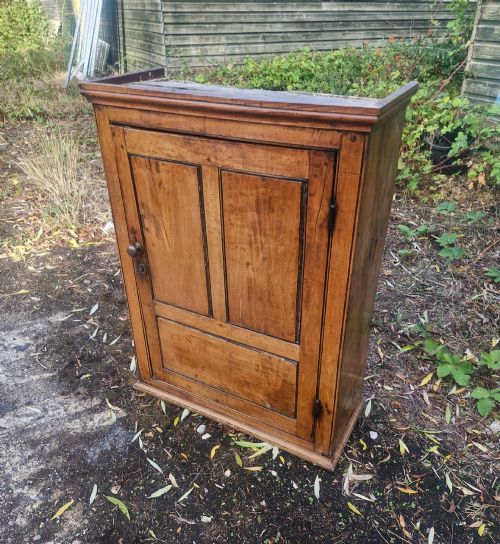
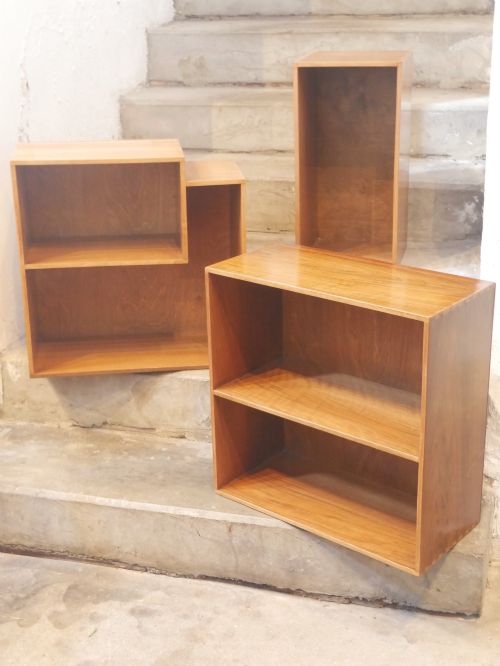
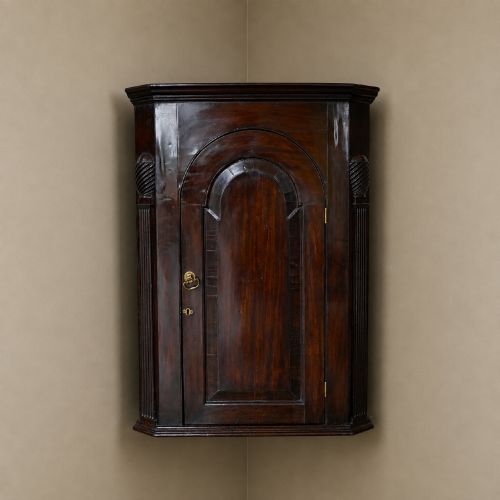
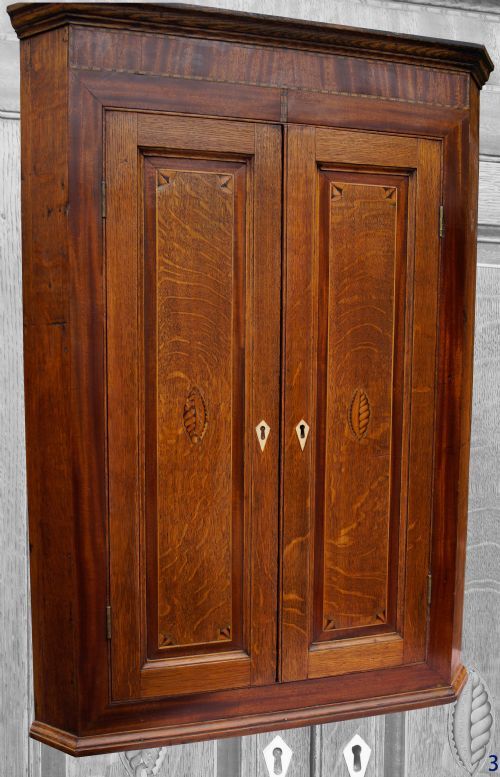
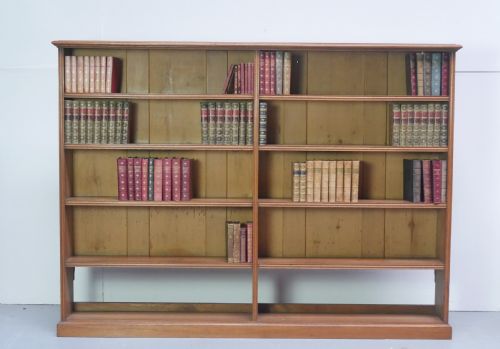
When you search for a vintage wooden wall cabinet, you encounter a diverse collection of hanging cupboards, corner units, and shelving designed to maximise vertical space. The pieces span centuries, ranging from late Georgian and Victorian designs to Edwardian and early twentieth-century creations.
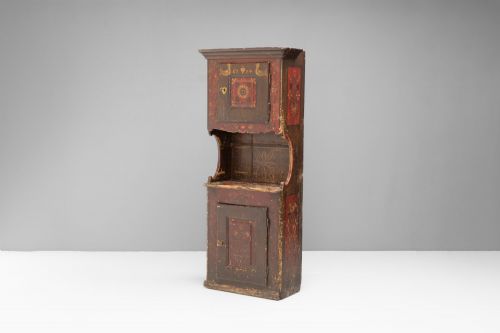
The selection includes regional pieces such as French Provincial cupboards, Swedish painted wall units, and English mahogany hanging cabinets. Each object demonstrates how different eras solved the problem of storing provisions, keys, and precious household goods off the floor.
Materials and construction methods
Cabinet makers relied heavily on native and imported timbers, frequently employing oak, mahogany, walnut, and pine to construct these hanging units. Hardwoods provided durability for structural frames and doors, whilst softer woods served for internal shelving and backboards.
Joinery methods varied according to the period, utilising pegged mortise and tenon joints in earlier provincial pieces and finer dovetails in later mahogany and satinwood examples. Many surfaces featured painted finishes, natural wax polishes, or glazed doors with original glass panes.
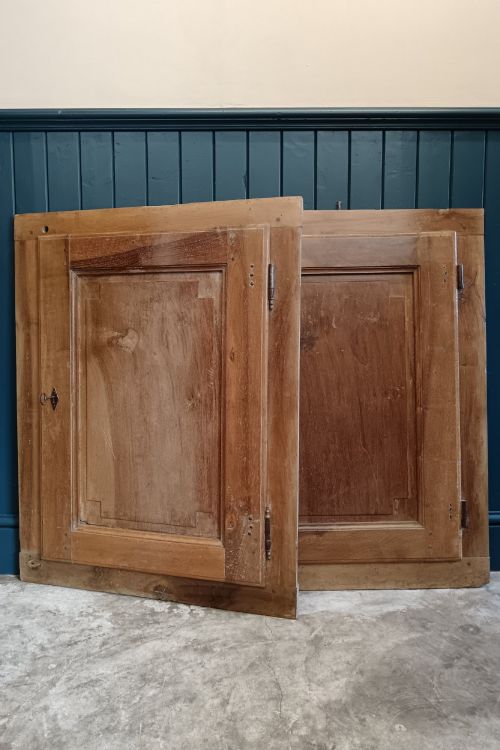
Metal hardware played an essential role in construction, incorporating brass hinges, iron latches, and decorative escutcheons that secured the doors and allowed the cabinets to be securely mounted to walls.
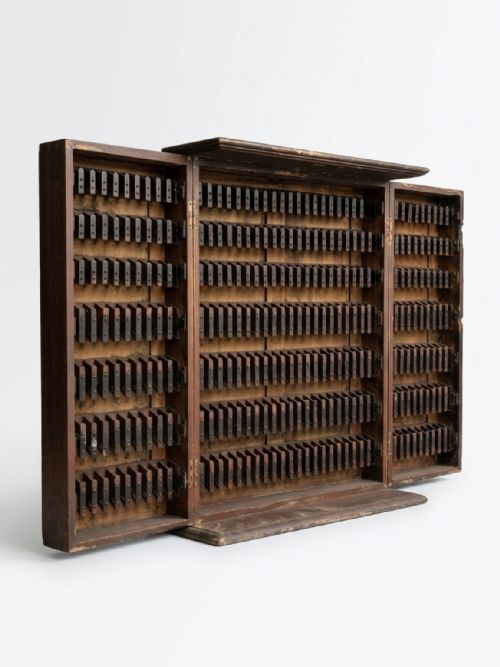
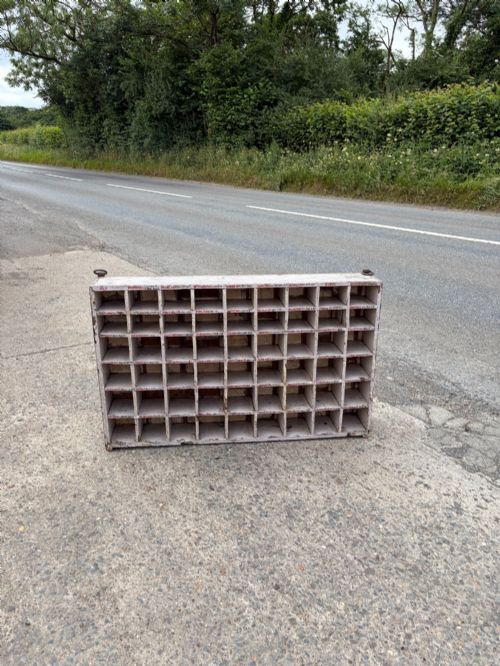
A night porter's lined key cupboard stands ready for duty, perhaps guarding the secrets of a bygone Victorian hotel.
Distinguishing quality in timber wall furniture
Quality rests primarily on the selection of timber and the fidelity of the construction methods. Superior pieces display carefully matched wood grains, tight dovetail joints, and well-proportioned mouldings that reflect disciplined workshop practices.
The integrity of original components dictates much of the standing of a piece. Cabinets retaining their original glass, painted interiors, brass hardware, and hanging mechanisms hold greater authenticity than those altered or fitted with modern replacements.
Design ambition separates standard utility cupboards from finer examples. Pieces bearing stylistic links to specific movements like the Arts and Crafts tradition or incorporating refined carving exhibit a higher tier of craftsmanship.
Heals·Arthur Simpson·H. UPMANN
The Vintage Wooden Wall Cabinet Glossary
- Corner cupboard
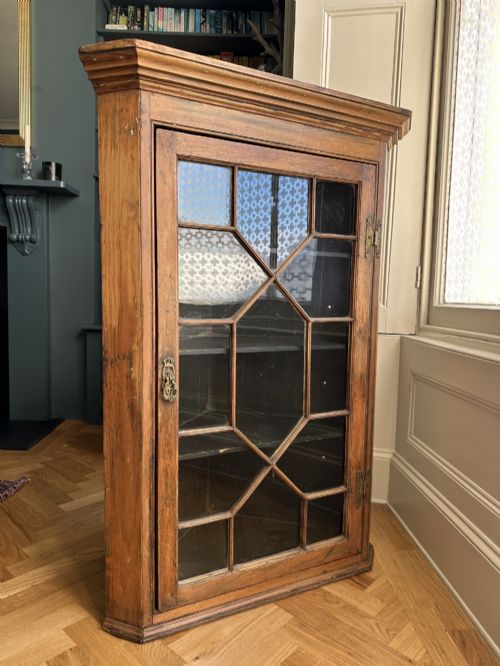
- A triangular cabinet specifically designed to fit into the internal corner of a room, making efficient use of awkward spaces. These units often feature panelled or glazed doors.
- Pigeon holes
- A series of small, open compartments stacked within a frame for sorting letters, tickets, or documents. They appear frequently in desk-top units and wall-mounted administrative boxes.
- Panetière
- A traditional freestanding or wall-mounted French bread store featuring turned spindles or grilles for ventilation. This design kept loaves safe from household pests whilst allowing air circulation.
- Bowfront
- A convex, curved front profile popular in Georgian cabinetry. This technique softens the external angles of corner cupboards and wall cabinets.
- Glazed door
- A frame fitted with transparent glass panels to display contents safely inside the cabinet. Early examples often contain mouth-blown glass with natural surface ripples.
Vintage Wooden Wall Cabinet: Frequently Asked Questions
How were these wall cabinets originally mounted?
Most hanging cupboards relied on internal fixing brackets, heavy-duty iron strap hinges, or sturdy mounting hooks screwed directly through the backboards into wall studs.
Heavier items required solid masonry fixings to support the combined weight of the timber and stored contents safely.
What rooms suit a corner cupboard best?
Dining rooms, hallways, and kitchens provide ideal settings for hanging corner units, turning neglected junctions into display space.
They offer practical storage for glassware and crockery without cluttering the main floor area of smaller rooms.
How do I distinguish Georgian from Victorian pieces?
Georgian cabinets often display understated classical proportions, premium mahogany or elm timbers, and precise cockbeading around the doors.
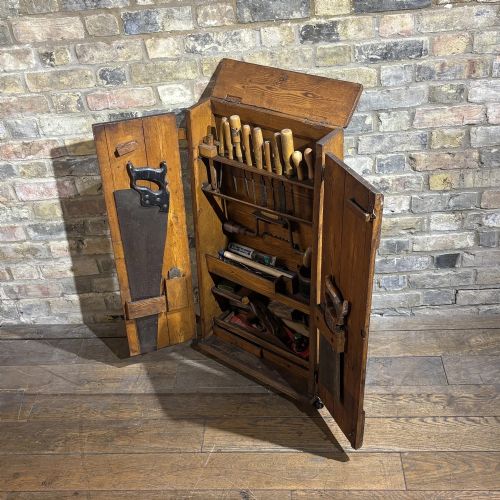
Victorian pieces frequently embrace denser pitch pine, utilitarian designs like tool or key cabinets, or revival styles influenced by Gothic and Chippendale tastes.
Are painted finishes on these cabinets original?
Many provincial cupboards, particularly Scandinavian and French examples, retain historic painted or distempered surfaces that developed a soft patina over time.
Inspecting the layers reveals whether the paint weathered naturally through domestic use or represents a later decorative intervention.