


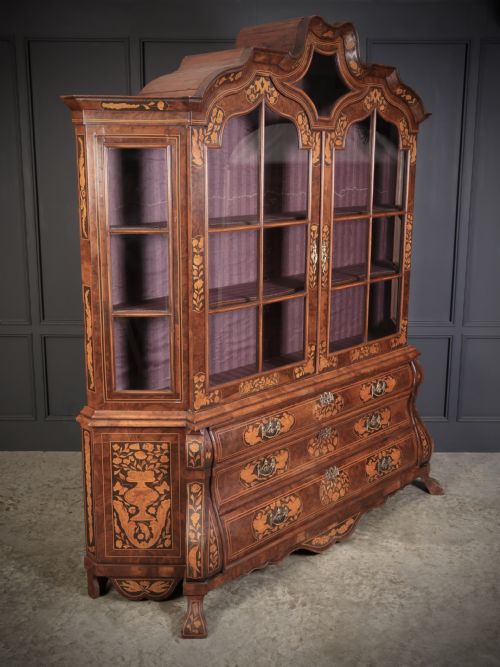


Continental Glazed Bookcase
A continental glazed bookcase brings architectural presence and visible storage to a room, using glass panels to protect libraries and displays.
Continental Glazed Bookcase
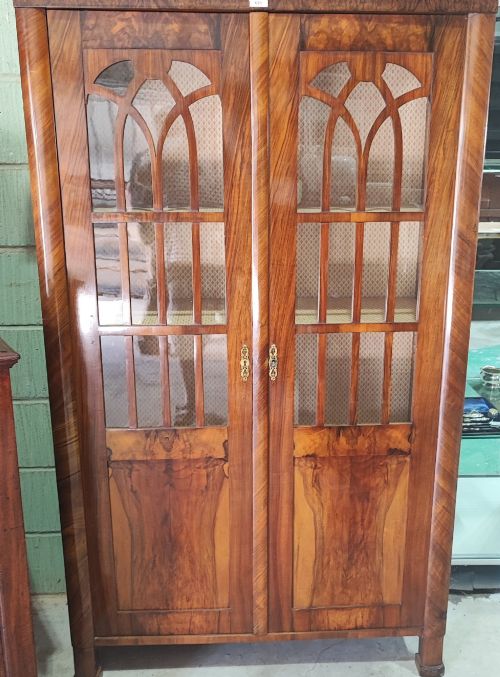
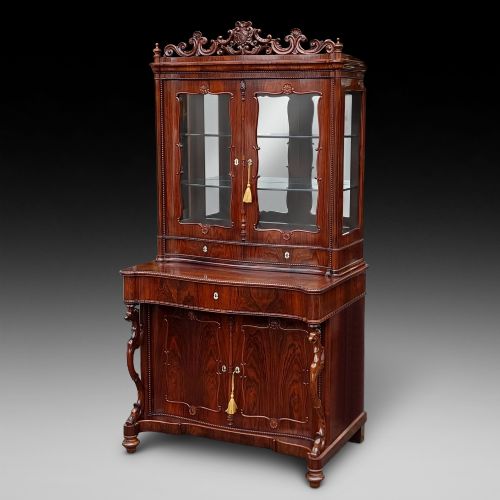
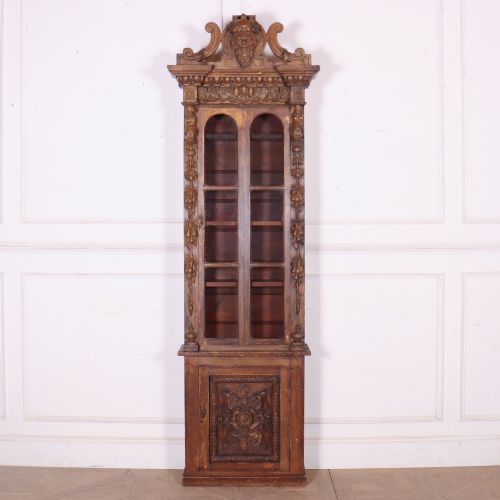
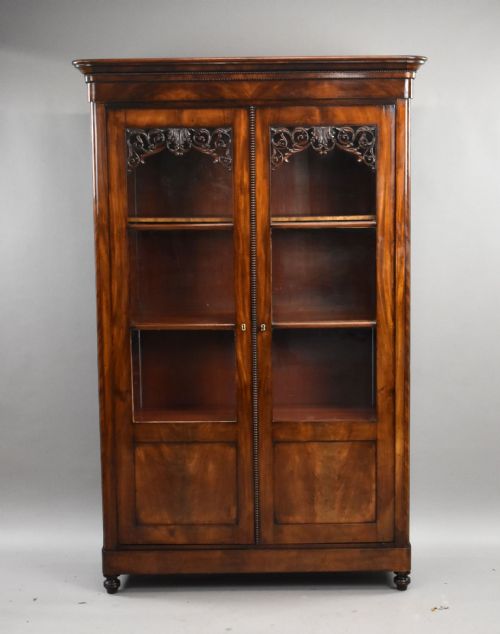
A continental glazed bookcase is an impressive piece of furniture designed to house books and display objects behind glass doors, drawing on European cabinet-making traditions from the eighteenth, nineteenth, and early twentieth centuries. When searching for a continental glazed bookcase, buyers encounter a variety of forms including tall display cabinets, two-door bookcases, secretaire bookcases with drop-front writing surfaces, and painted vitrines.
The regional styles vary widely across the inventory, ranging from sleek Biedermeier walnut and rosewood pieces to elaborate Dutch Rococo, Italian walnut shelves, and heavy Victorian Country or Renaissance Revival oak and pine constructions. Pieces take distinct shapes such as bombe outlines, tall vertical display cabinets, and fitted cupboard bases with glazed upper sections.
Origins stretch across Europe, including Eastern European pine furniture, Italian walnut cabinets, and Dutch painted vitrines. Buyers find both grand reception room furniture in polished hardwoods and more modest regional pine cupboards suited to everyday domestic use.
Materials and construction methods
Cabinet-makers relied heavily on substantial timbers like walnut, mahogany, rosewood, oak, and pine to build the main carcase and shelving, frequently applying decorative marquetry inlay or painted finishes to the exterior surfaces. Dense hardwoods provided structural stability for tall glazed doors, while softer pine served for regional dressers and chimneypiece cupboards.
Transparent glass panels were fitted into wooden door frames using glazing bars to protect the contents while keeping them visible, often paired with brass hardware and hinges. Giltwood accents, intricate carvings, and shaped bombe fronts added ornamental detail to formal nineteenth-century and eighteenth-century reception pieces.
Continental Glazed Bookcase Retail Price Guide 2026
Typical asking prices for continental glazed bookcase among the pieces listed under this phrase on Sellingantiques today, from the lower quarter to the upper quarter. They describe what is for sale here now, not the wider market.
Listings feature timbers including walnut, mahogany, rosewood, oak, pine, and elm, spanning periods from the eighteenth century to the early twentieth century.
Distinguishing quality across the range
Quality rests primarily on the selection of timber and the precision of the cabinet-making, where fine walnut, rosewood, and mahogany veneers or solid cuts show superior grain alignment and joinery. Higher-tier examples feature sophisticated proportions, crisp carved details, and well-integrated marquetry rather than plain surfaces.
The refinement of the glazing bars and the clarity of the glass contribute significantly to the overall presence of the piece, distinguishing grand display cabinets from simpler utility cupboards. Interior execution, including fitted secretaire drawers and stable shelving supports, marks the difference between standard workshop production and master cabinet-making.
The Continental Glazed Bookcase Glossary
- Biedermeier
- A style of Central European furniture from the nineteenth century characterised by clean lines, minimal ornamentation, and a focus on the natural grain of woods like walnut, elm, and birch. It prioritised domestic comfort and utilitarian elegance over heavy historic revivalism.
- Vitrine
- A glass-fronted display cabinet designed specifically for showing porcelain, curiosities, or decorative objects. These pieces often feature glazed sides to let light enter from multiple angles.
- Secretaire
- A cabinet or desk incorporating a writing drawer or a hinged drop-front flap that conceals a fitted interior of small pigeonholes and drawers. They combine workspace with enclosed storage.
- Bombe
- A swollen, bulging contour found on the sides and fronts of advanced cabinet furniture, most famously developed in continental European baroque and rococo designs. It requires skilled carpentry to curve timber or shape veneer successfully.
- Marquetry
- The art of applying decorative pieces of veneer to a structure to form intricate geometrical patterns or pictorial designs. Craftsmen utilised contrasting woods to create depth and visual texture.
Continental Glazed Bookcase: Frequently Asked Questions
What is a continental glazed bookcase?
A continental glazed bookcase is a storage unit featuring glass-fronted doors, originating from various European workshops across the eighteenth, nineteenth, and early twentieth centuries. These pieces were built to keep valuable libraries and collections free from dust while displaying them within the room.
They appear in forms ranging from grand mahogany and walnut display cabinets to painted pine vitrines and secretaire bookcases with fitted writing desks. Each regional school brought distinct decorative vocabularies, from Biedermeier simplicity to elaborate baroque and revival styles.
How were these bookcases used historically?
Historically, these cabinets served in studies, libraries, and formal reception rooms to house prized book collections and display decorative porcelain or scientific instruments. The glazed doors allowed owners to exhibit their literacy and cultivated tastes to visitors while protecting delicate bindings from soot and atmospheric dust.
Secretaire variants provided a dual function, serving as an upright bookcase combined with a pull-out or drop-front desk for correspondence and administrative tasks. More utilitarian pine versions functioned as general storage cupboards in domestic quarters.
How do I date a continental bookcase?
Dating relies on observing stylistic markers, construction methods, and timber choices that align with specific periods like the eighteenth century, the Biedermeier era, or the Victorian revival movements. For example, clean-lined elm and rosewood pieces often point to nineteenth-century Central European workshops, while bombe shapes and painted finishes connect to earlier continental traditions.
Examining the glass quality, backboards, and interior fixings provides further clues to the age of the piece. Hand-cut timbers and older fastening methods distinguish early examples from later reproductions.
How do I care for antique wood and glass?
Maintaining antique wood requires keeping furniture away from direct sunlight and sudden temperature shifts that can dry out timber and crack delicate veneers. Regular dusting with a soft, dry cloth preserves the finish without requiring heavy polishes.
Glass panels should be cleaned gently using a minimal amount of non-abrasive cleaner applied to a cloth rather than sprayed directly onto the glass, preventing moisture from seeping into the historic wooden glazing bars.