
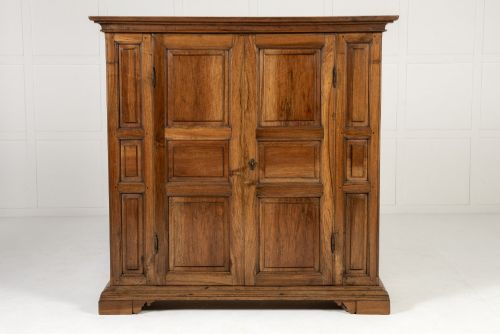
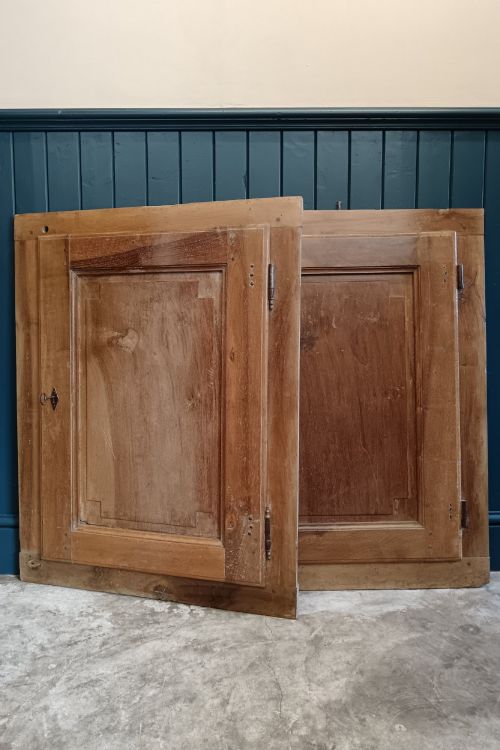
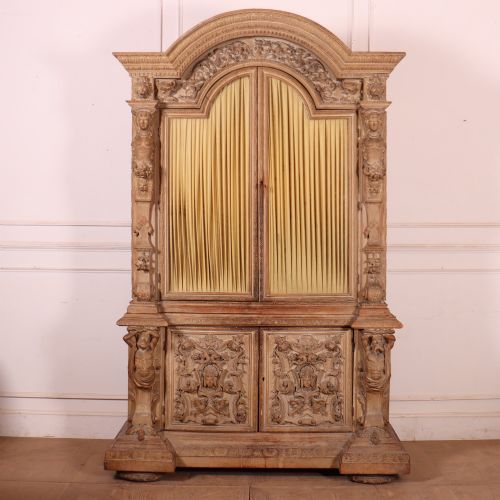


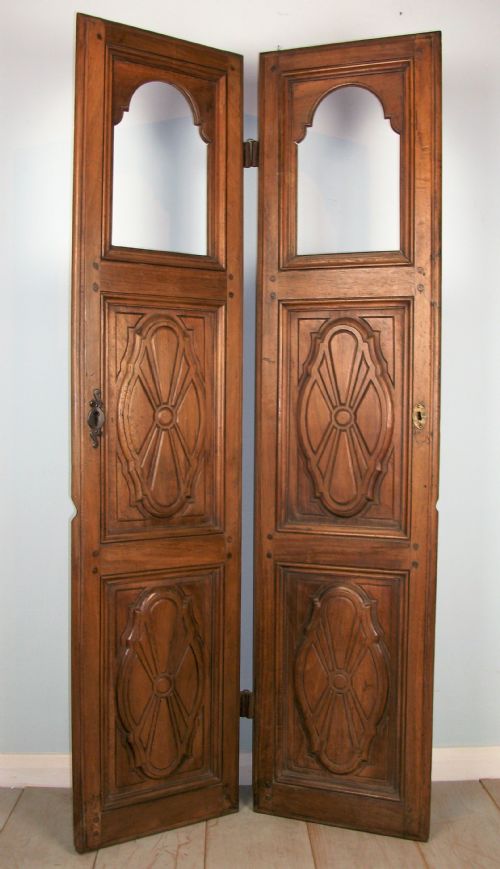


Italian Walnut Cupboard
An italian walnut cupboard brings rich grain and grand proportions to a room, ranging from small bedside chests to monumental sideboards.
Italian Walnut Cupboard
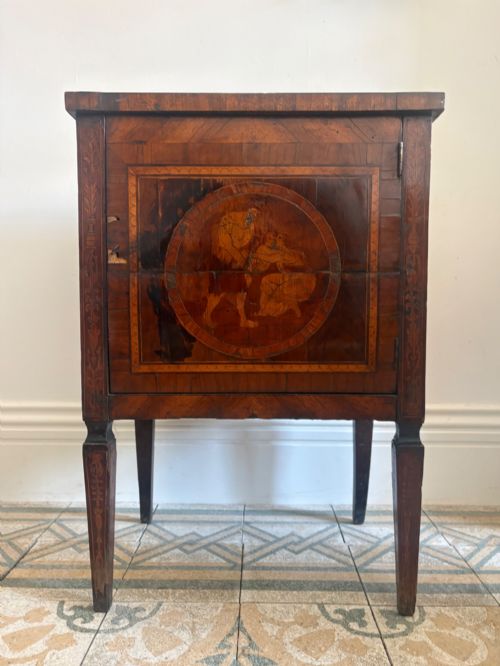
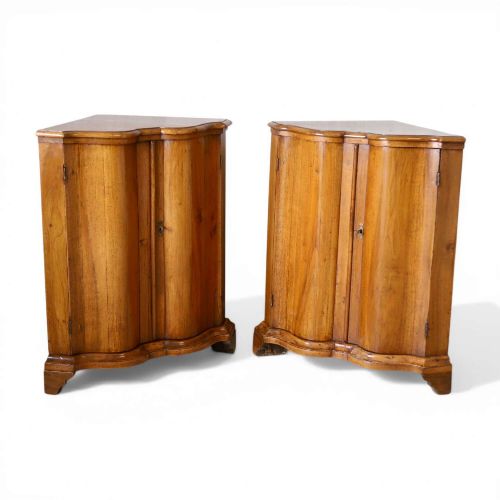
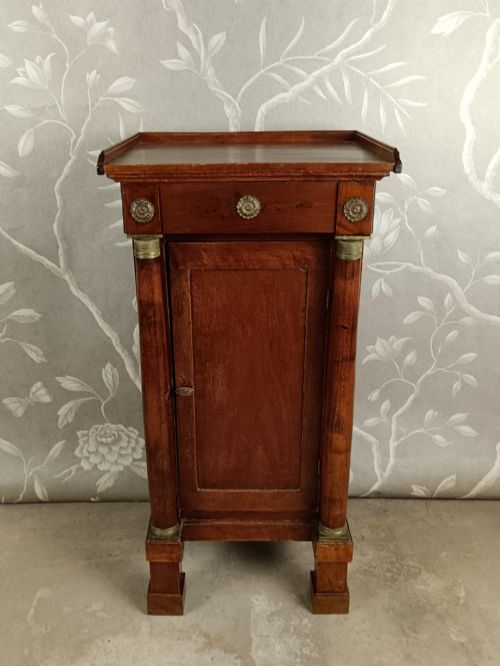
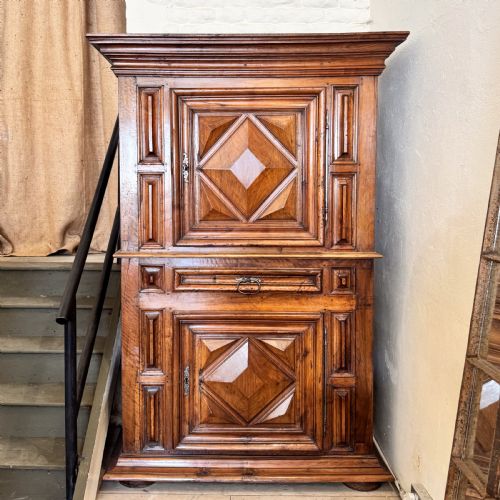
An italian walnut cupboard spans centuries of craftsmanship, appearing as large architectural credenzas, corner cupboards, and smaller bedside cabinets.
The selection ranges from eighteenth-century provincial pieces and Baroque masterpieces to twentieth-century Art Deco drums and Neoclassical side cabinets.
Materials and construction
Cabinet makers utilised solid walnut and burr walnut veneers, often enhanced with marquetry inlay, fruitwood contrasts, and ebonised wood details.
Hardware incorporates brass and iron fittings, while structural elements occasionally integrate marble tops, fabric linings, and glass panels.
Listings span from the seventeenth century through to the Art Deco period, incorporating walnut, burr walnut, fruitwood, and marble.
Assessing the work
Depth of carving and precision of panel joinery distinguish standard utilitarian storage from exhibition pieces produced by notable workshops.
The choice of timber grain, particularly the use of figured burr walnut and complex marquetry, separates simple furniture from grand decorative works.
Pietro Ferrario
The Italian Walnut Cupboard Glossary
- Marquetry
- Decorative patterns created by fitting together small pieces of wood veneer. This technique adorned many eighteenth-century surfaces.
- Credenza
- A large sideboard or buffet used for storage and display. These monumental forms often showcase heavy carving.
- Credenzina
- A smaller cabinet or bedside chest. These compact pieces frequently adopt serpentine or drum shapes.
- Ebonised
- Wood treated to imitate ebony, providing dark contrast. Makers utilised this finish on mouldings and details.
Italian Walnut Cupboard: Frequently Asked Questions
Where should I place a large credenza?
A monumental credenza requires a substantial wall, often in a dining room or hallway, where its heavy proportions can anchor the space.
Ensure adequate clearance for doors to open fully without obstruction from other furniture.
How do I care for walnut veneer?
Keep walnut furniture away from direct sunlight and steady heat sources to prevent the wood and delicate veneers from drying out.
Dust regularly with a dry cloth and apply occasional wax suitable for antique timber.
What is the difference between a commode and a cupboard?
A commode typically designates a low chest of drawers or a cabinet with drawer storage, whereas a cupboard focuses on enclosed shelf space behind doors.
Both forms frequently share similar stylistic traits and ornamental carving within the same period.
Are bedside cabinets sold individually?
Many bedside pieces appear as matched pairs, particularly those dating from the nineteenth and twentieth centuries.
Single examples also occur, especially among earlier provincial items and corner wall cabinets.