


Vintage Wooden Timepiece
A vintage wooden timepiece brings the warmth of mahogany, oak, and walnut into a room while keeping strict track of the hours.
Vintage Wooden Timepiece
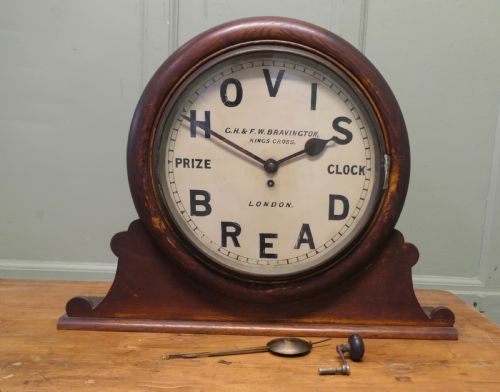
A vintage wooden timepiece represents a functional object shaped by decades of domestic and public life, spanning mantle clocks, wall dials, and library pieces. When searching for a vintage wooden timepiece, buyers encounter numerous variations in timber and scale, reflecting periods from the Victorian era through the Art Deco movement.
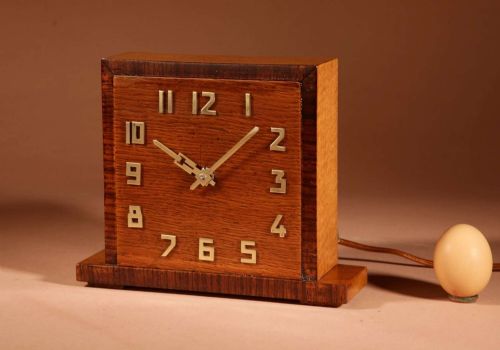
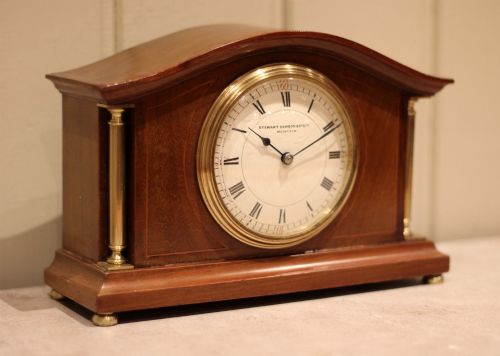
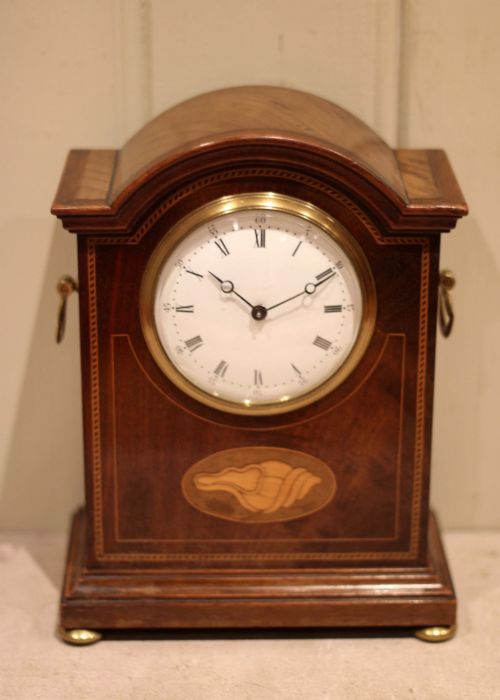
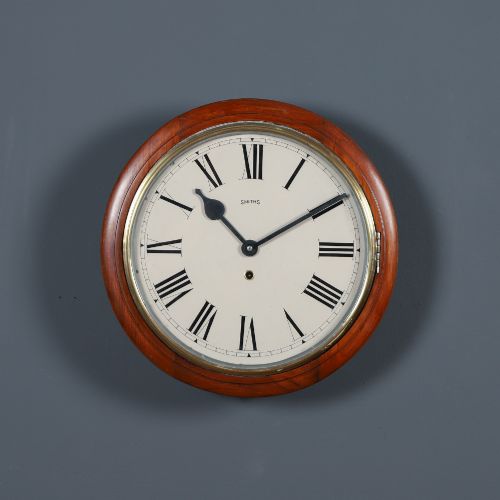
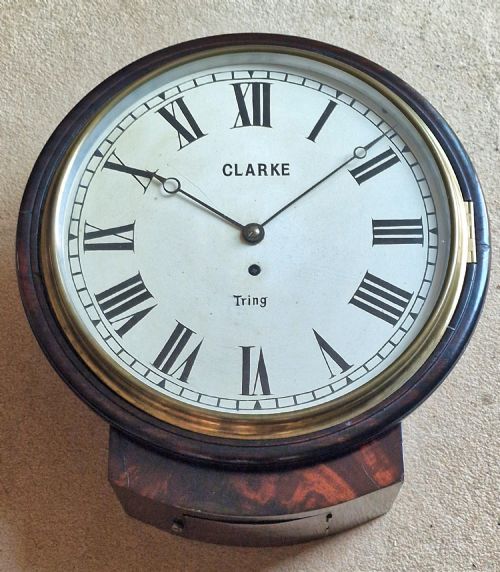
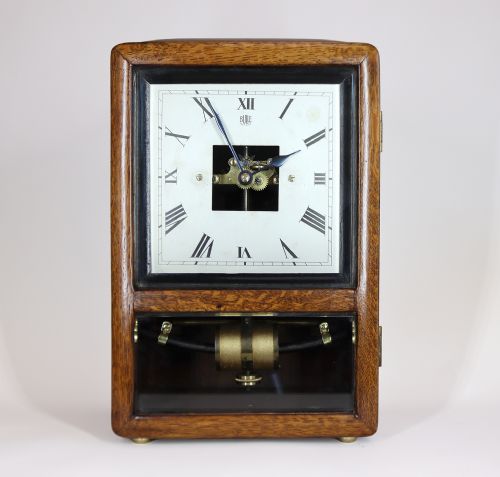
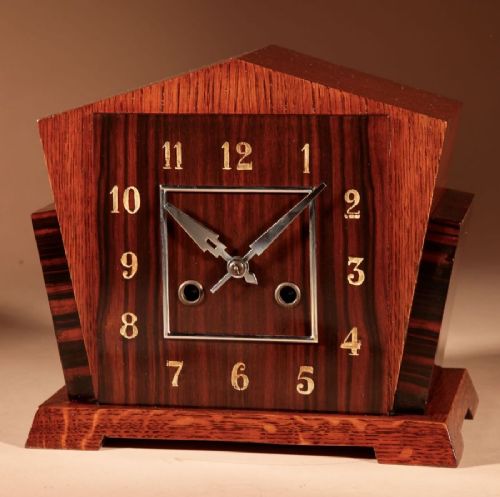
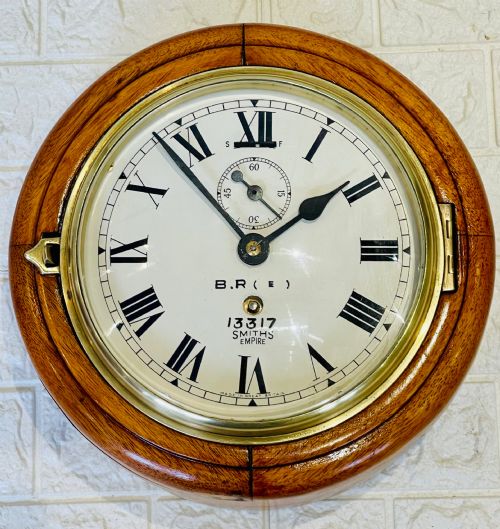
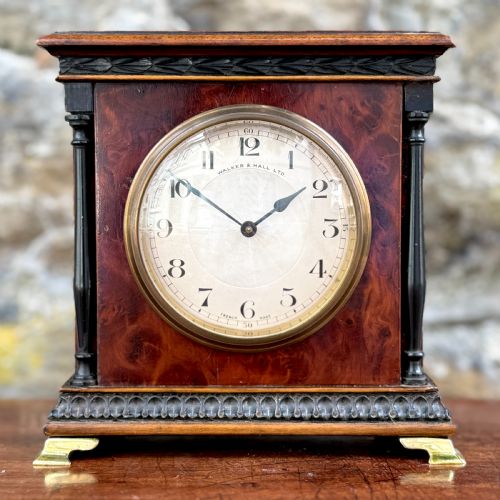
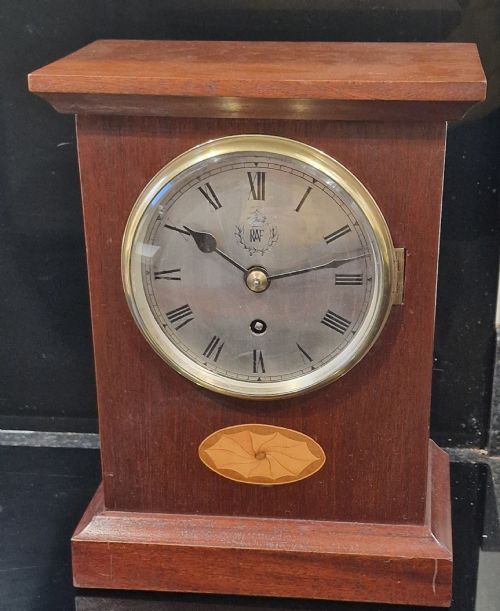
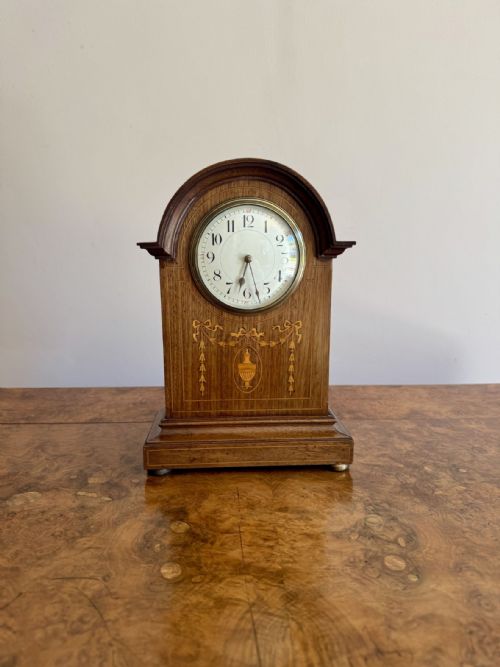
The most common examples on this page are Edwardian and Art Deco mahogany or oak mantel clocks, alongside railway and station wall dials made for practical utility. These items combine dense hardwood cases with brass bezels, glass faces, and enamel dials.
Makers ranged from provincial watchmakers to large railway companies and notable firms, producing pieces that served both domestic parlours and busy offices. Each design relies on traditional joinery and mechanical movements to maintain its utility.
Materials and construction
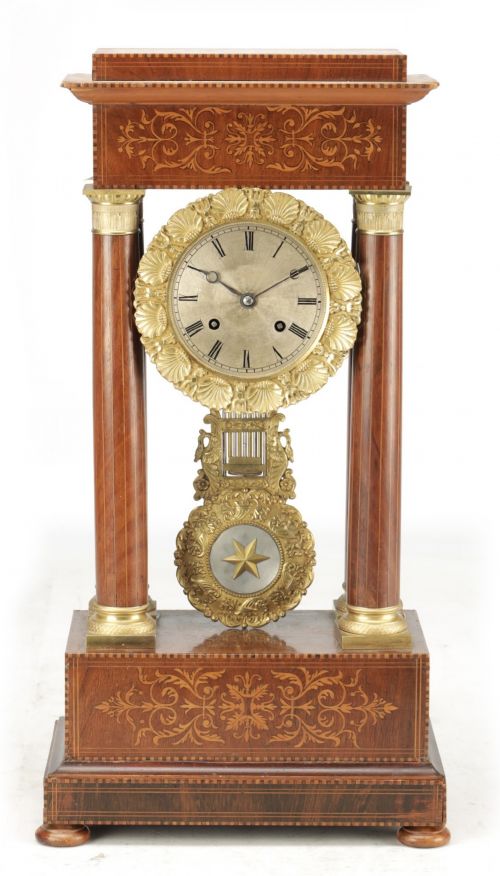
Cases rely on solid timbers and veneered carcases, predominantly mahogany, oak, and walnut, sometimes accented with rosewood or marquetry inlay. Woodworkers shaped these materials using traditional joinery techniques to house delicate mechanical movements securely.
Dials combine brass, painted iron, and white enamel, protected behind curved or flat glass within hinged bezels. Movements incorporate brass gears, iron springs, and fusee chains driven by weights or tensioned springs.
Listings feature oak, mahogany, walnut, and rosewood cases housing Victorian, Edwardian, and Art Deco movements.
Assessing craftsmanship and execution
Quality reveals itself in the crispness of timber mouldings, the depth of grain in polished mahogany or macassar ebony, and the restraint of inlay work. Finer pieces demonstrate careful selection of veneers that match symmetrically across the case front.
The integrity of the movement, signed dial plates, and original brass fittings distinguish standard production items from workshop pieces created by named makers. Better examples retain their original glass, pendulum, and fitted keys without modern replacements.
William Gard·George Clarke·Walker and Hall·Bush of London·John Walker·Winterhalder and Hofmeier
The Vintage Wooden Timepiece Glossary
- Fusee
- A conical pulley connected to the mainspring by a chain or cord, designed to equalise the declining power of the spring as it unwinds. This mechanism ensures consistent force is delivered to the gear train for accurate timekeeping.
- Bracket clock
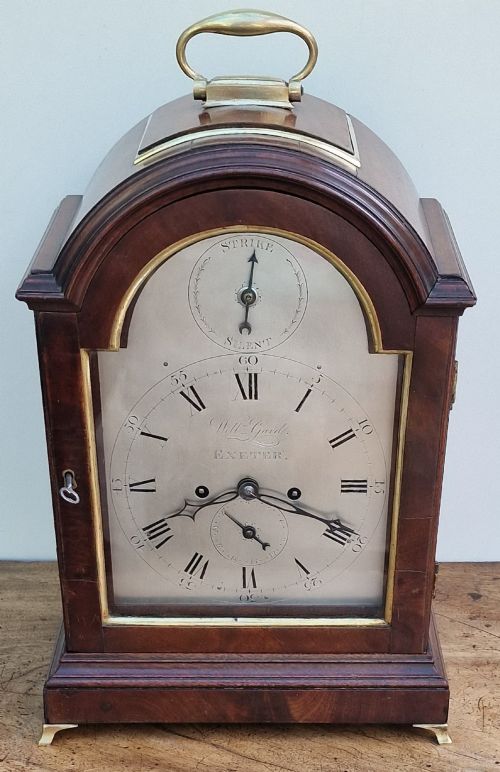
- A portable table or shelf clock, originally designed to sit upon a wall bracket. These pieces often feature fine wooden cases with carrying handles.
- Dial clock
- A wall-mounted clock featuring a prominent circular face, frequently utilised in railway stations, offices, and schools for clear visibility. They usually have simple wooden surrounds and secure side doors.
- Marquetry
- The art of applying pieces of veneer to a structure to form decorative patterns and pictures. Craftsmen use contrasting timbers like rosewood and mahogany to create intricate geometric or floral designs.
- Bezel
- The metal ring that holds the glass protecting the clock face in place. It typically hinges open to allow hand-setting and winding.
Vintage Wooden Timepiece: Frequently Asked Questions
Where should I place a wooden clock?
Select a stable, level surface away from direct sunlight, radiators, and damp exterior walls to protect the timber case and delicate internal oils. Mantel clocks require firm foundations to maintain an even beat.
Wall clocks need secure fixings directly into solid masonry or stud work to support their weight and prevent vibrations from disrupting the pendulum.
Why does my clock stop ticking?
Stops often occur because the case is tilted slightly, which throws the pendulum out of beat and halts the escapement. Gently adjust the position of the case until the tick sounds even.
If the clock is level and fully wound, the internal mechanism may require professional cleaning to remove hardened old oils and dust from the pivots.
How do I identify the period of a clock?
Examine the stylistic cues of the wooden case, such as the geometric lines of Art Deco oak or the inlaid mahogany typical of Edwardian pieces. Secondary wood types inside the case also offer clues.
Makers' signatures on the dial or engraved backplates often provide exact workshop attributions. Comparing the movement construction to known regional styles helps narrow down the decade.