
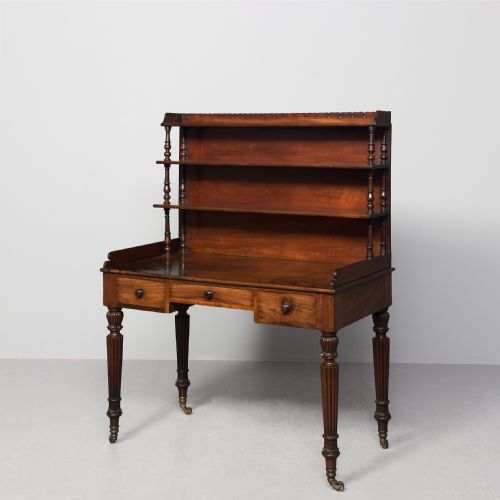
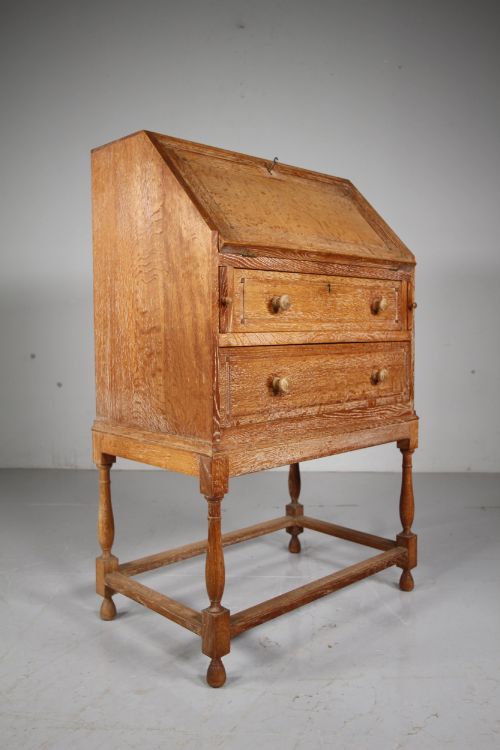
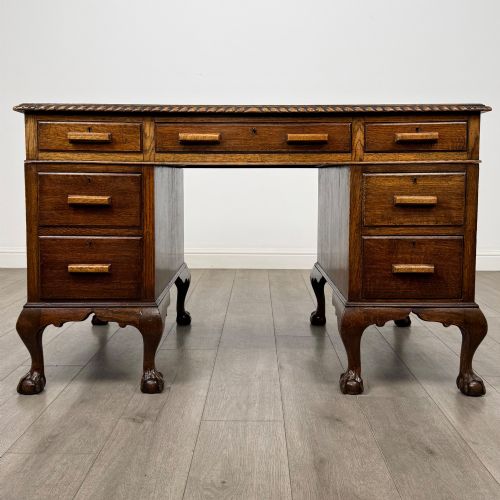
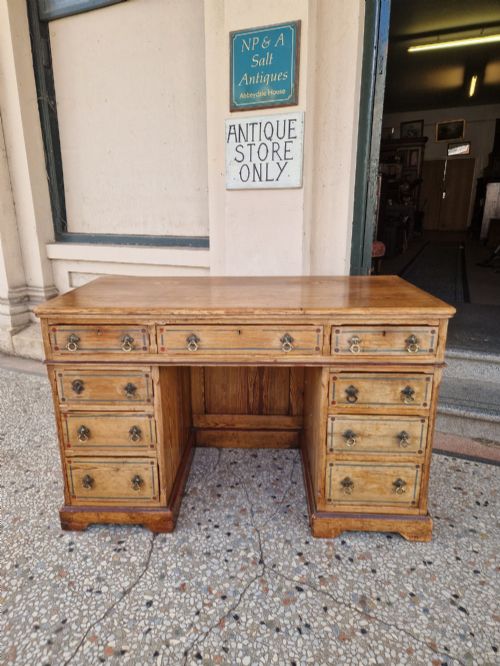
Vintage Wooden Study Desk
A vintage wooden study desk brings solid craftsmanship and rich timber tones into a modern workspace.
Vintage Wooden Study Desk
A vintage wooden study desk serves as the functional anchor of a home office or library, offering designated space for daily writing and organisation. These pieces span multiple historical periods from the nineteenth century through the Art Deco era of the nineteen-thirties.
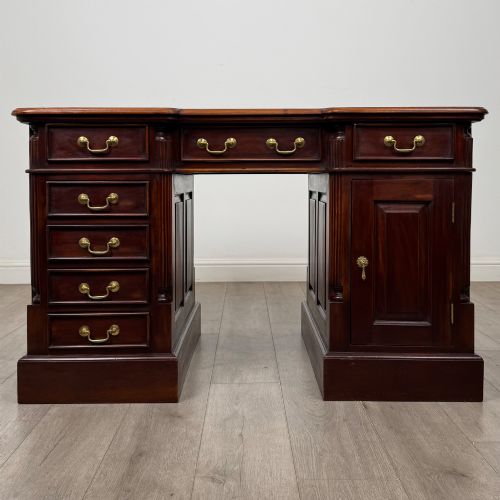
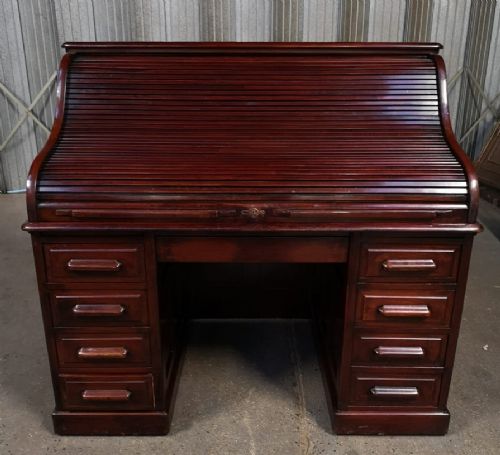
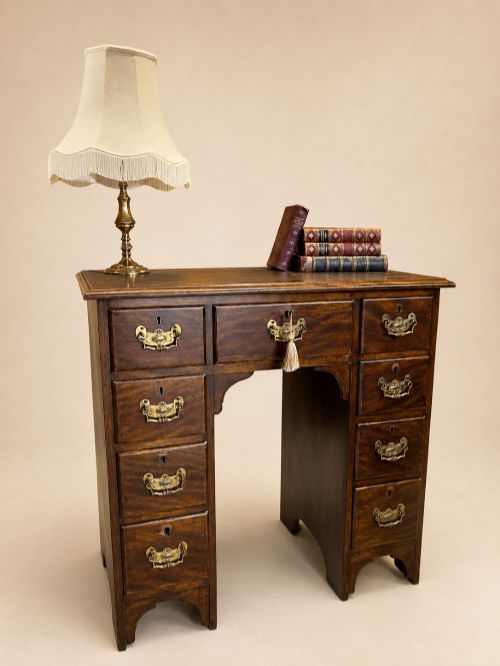
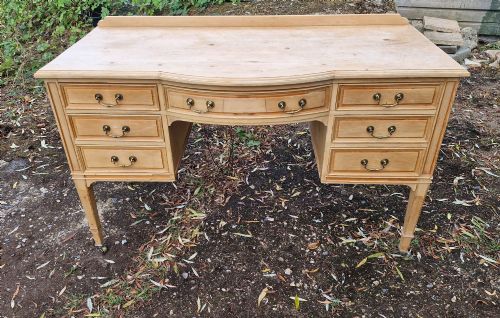
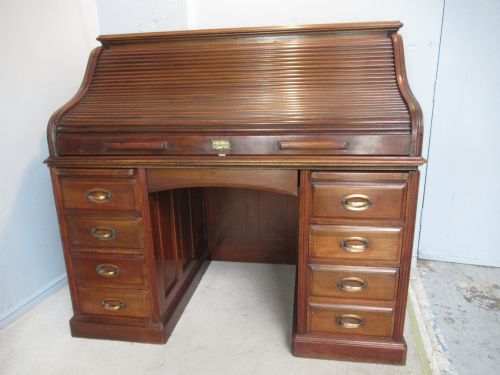
Mahogany, oak and walnut dominate the forms seen on this page, appearing in traditional kneehole formats, pedestal designs and roll top configurations. Buyers most frequently encounter sturdy pedestal tables and writing desks fitted with inset leather surfaces.
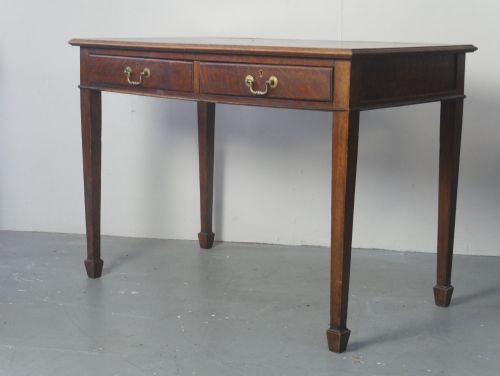
Compact writing tables and bureau variations also emerge across the selection, accommodating smaller rooms without sacrificing period character. Each example reflects the prevailing interior tastes of its decade of origin, from Victorian solidity to clean nineteen-thirties lines.
Materials and construction methods
Cabinet makers utilised dense hardwoods such as mahogany, oak and walnut to ensure structural longevity for daily clerical work. Burr walnut and burr elm veneers frequently cover primary surfaces to provide intricate grain patterns.
Secondary materials including brass hardware, iron mechanisms and inset leather writing panels complement the wooden frames. Joinery techniques from the periods involved rely on dovetailed drawer construction and mortise and tenon joints.
The listings on this site encompass oak, mahogany, walnut, and pine, stretching across Victorian, Edwardian, and Art Deco periods.
Distinctions in grade and execution
The standard of timber selection largely dictates the caliber of a piece, with figured veneers and solid mahogany standing above utilitarian pine or beech. Depth of carving, hand-tooled leather inserts and original hardware contribute significantly to the overall distinction of the item.
Maker attribution elevates certain examples above standard production pieces, particularly when accompanied by maker stamps or retail labels. Structural integrity, clean movement in drawers and roll tops, and the survival of polished finishes separate superior examples from heavily restored counterparts.
James Mein of Kelso·Heals of London·Hobbs and Co·Bryn Mawr·Maple and Co
The Vintage Wooden Study Desk Glossary
- Kneehole desk
- A writing table featuring a central recess for the user's legs, flanked by pedestals containing banks of drawers. This configuration became standard during the eighteenth century and persisted through the Victorian period.
- Roll top desk
- A cylinder or tambour desk that uses flexible wooden slats running in a track to conceal the writing surface and pigeonholes. It offers the ability to secure paperwork quickly without clearing the desk.
- Pedestal desk
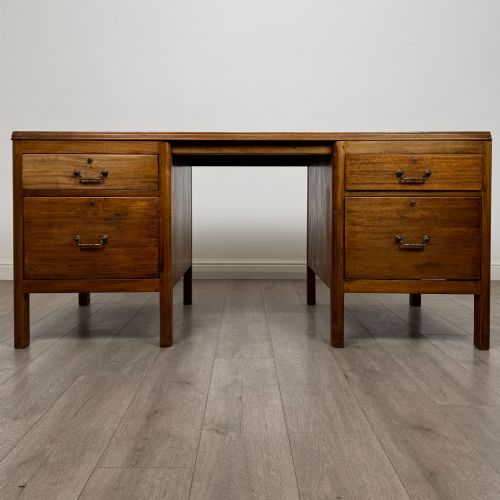
- A heavy freestanding writing table supported by two upright pedestals rather than four individual legs. These typically house multiple drawers on either side of the central sitting space.
- Davenport
- A compact writing desk featuring a sloping, hinged top over a set of side drawers. Victorian examples often incorporate stationery compartments above the writing slope.
- Burr walnut
- A specialised wood veneer taken from the knotted growth of a walnut tree, prized for its swirling, organic patterns. Cabinet makers applied it to drawer fronts and tabletops for decorative impact.
Vintage Wooden Study Desk: Frequently Asked Questions
How do I care for a leather desk insert?
Leather surfaces require gentle cleaning with a damp cloth and occasional application of appropriate leather cream to prevent cracking.
Avoid using harsh chemical solvents or placing hot cups directly onto the hide to preserve the original tooling and colour.
How do I identify a Victorian pedestal desk?
Victorian pedestal desks generally feature solid mahogany or walnut construction, deep drawers with hand-cut dovetails, and substantial turned or plinth bases.
Examine the secondary woods inside the drawers and the lock mechanisms to confirm the nineteenth-century manufacturing period.
What is the difference between a bureau and a writing table?
A bureau incorporates a sloping fold-down flap that conceals internal pigeonholes and small drawers when closed.
A writing table provides an open, flat surface supported by legs or pedestals without a vertical superstructure.
Will a vintage desk fit in a modern room?
Many vintage study desks offer compact proportions well suited to contemporary home office footprints.
Checking the kneehole clearance and overall depth against your available floor space ensures comfortable daily use.