



Edwardian Desk with Castors
An edwardian desk with castors offers a practical workspace finished with traditional mobility.
Edwardian Desk with Castors
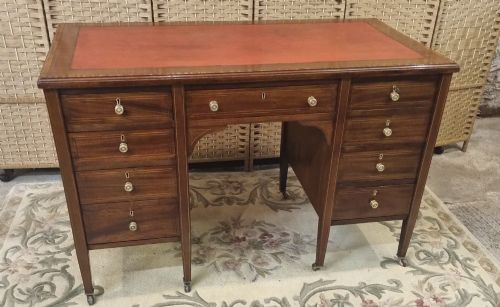
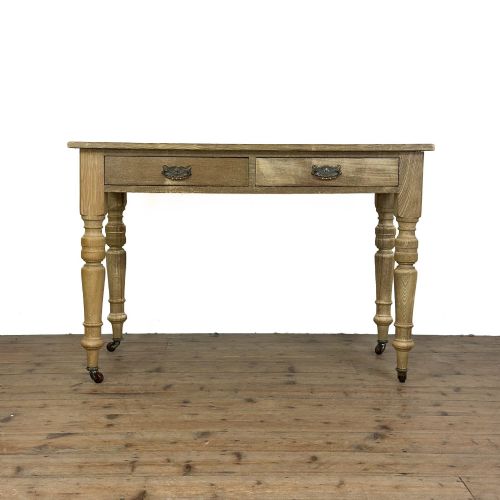
An edwardian desk with castors brings together early twentieth-century form and functional mobility for the study or writing room. These pieces provide stable working surfaces while remaining easy to reposition across the floor.
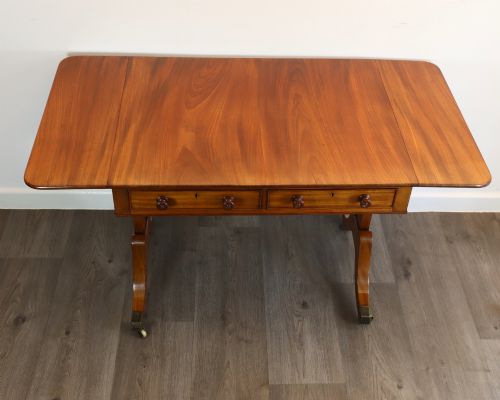
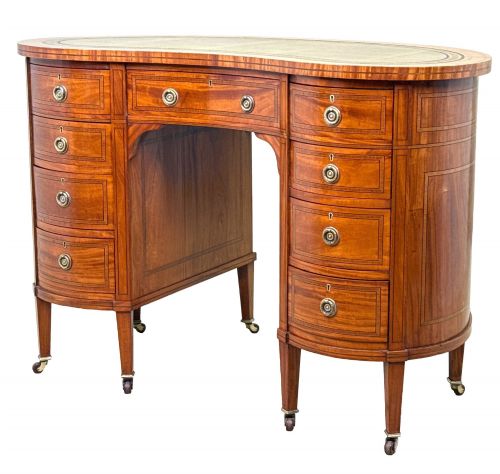
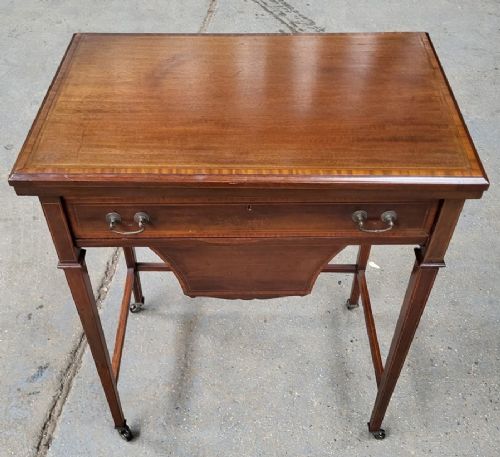
The selections appearing under this search include mahogany and inlaid writing desks from the Edwardian period alongside broader examples spanning the nineteenth century. Buyers will frequently encounter mahogany and satinwood finishes fitted with multiple drawers and inset leather surfaces.
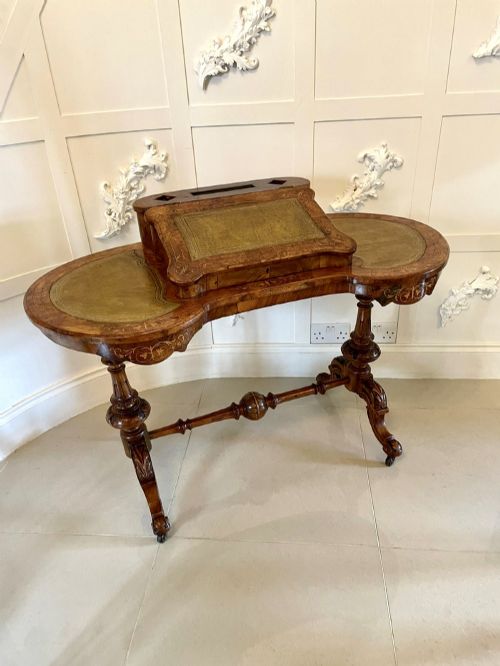
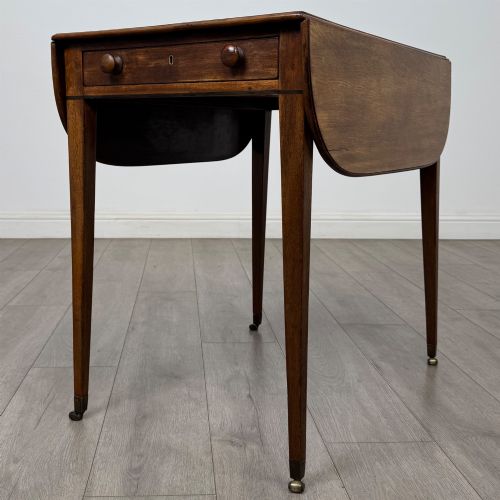
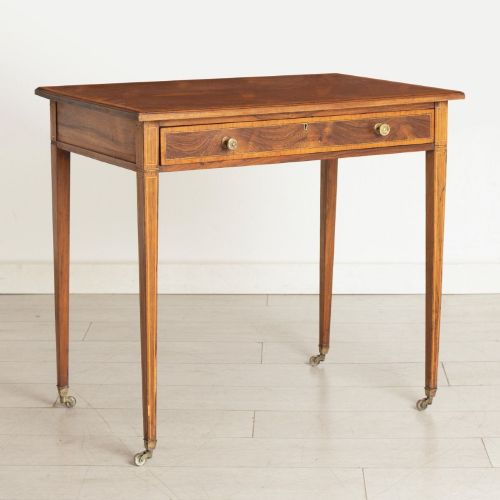
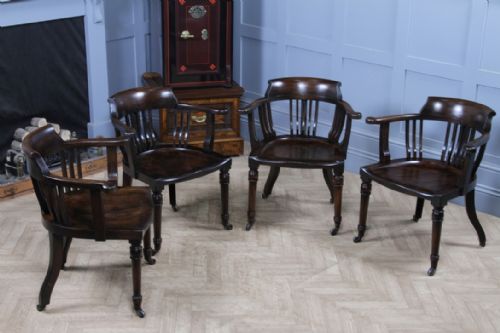
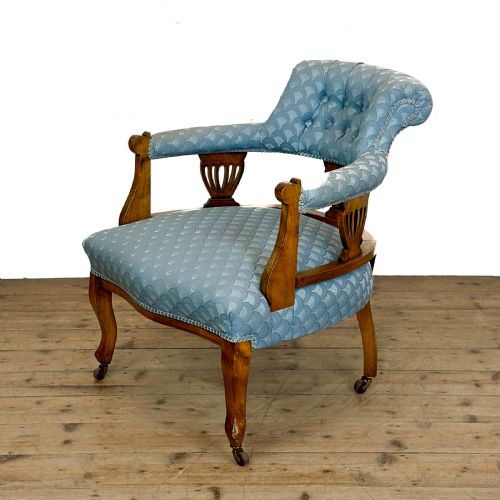
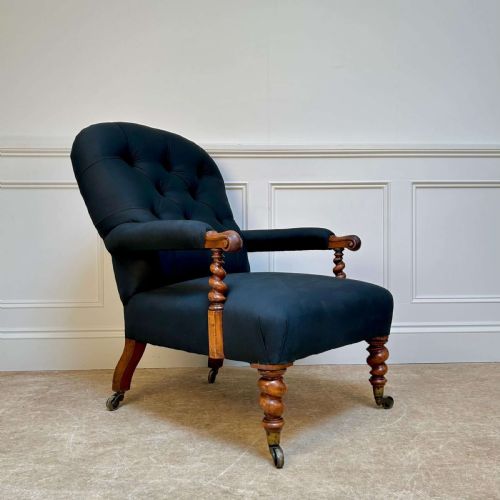
Beyond standard writing desks, the forms on this page extend to kidney-shaped writing tables, side tables, and associated seating. These variations suit different room layouts while maintaining the characteristic proportions of the period.
Judging quality in construction and materials
The distinction between standard examples and finer pieces lies in the crispness of the wood inlay, the selection of timber veneers such as burr walnut or figured mahogany, and the refinement of the brass or ceramic castors. Superior pieces display thoughtful grain matching and well-executed secondary timbers.
Proportion and hardware integrity determine the overall presence of a desk. Original drawer pulls, smooth running mechanisms, and intact leather writing surfaces separate carefully preserved items from those requiring extensive intervention.
Edwardian Desk with Castors Retail Price Guide 2026
Typical asking prices for edwardian desk with castors among the pieces listed under this phrase on Sellingantiques today, from the lower quarter to the upper quarter. They describe what is for sale here now, not the wider market.
Mobility was a serious domestic priority, ensuring that writing could follow the afternoon sun across the library floor.
Kendrick and Jefferson
The Edwardian Desk with Castors Glossary
- Edwardian
- Dating from the reign of King Edward VII, typically spanning from nineteen hundred to nineteen ten. Pieces from this era often feature lighter proportions and refined classical revival details.
- Castor
- A small wheel fitted to the base of a furniture leg to allow easy rolling and repositioning. These are frequently cast in brass or mounted with ceramic wheels.
- Inlay
- A decorative technique where contrasting woods or other materials are inserted into recessed portions of the primary timber surface to form patterns.
- Kidney shaped
- A curved furniture top resembling the outline of a kidney bean. This form appears frequently on writing tables designed to wrap partially around the user.
- Partners desk
- A large double-sided writing table fitted with drawers and cupboards on both faces, allowing two people to work opposite one another.
Edwardian Desk with Castors: Frequently Asked Questions
What is an edwardian desk with castors?
An edwardian desk with castors is a compact or freestanding writing table produced during the early twentieth century, fitted with small wheels on the feet for mobility.
These pieces typically feature mahogany construction, decorative wood inlay, and organised drawer arrangements suited for correspondence and study.
How do I identify an Edwardian piece?
Edwardian furniture generally exhibits lighter proportions, delicate stringing or wood inlay, and clean lines influenced by eighteenth-century revival styles.
Comparing the timber selection, hardware, and secondary woods helps distinguish pieces from this era against earlier Victorian or later items.
Where were these desks used?
These desks served primarily in private studies, libraries, and bedrooms for writing letters, managing household accounts, and daily administrative tasks.
Their mobility allowed them to be repositioned near windows for natural light or moved aside when rooms needed to change function.
How do I care for the leather top?
Leather writing surfaces benefit from gentle dusting and occasional conditioning with appropriate leather balms to prevent drying and cracking.
Keeping the surface clear of prolonged moisture and avoiding harsh cleaning chemicals preserves the natural grain and colour.