
Vintage Wooden Stool
These vintage wooden stool examples span simple rustic country forms to formal library steps, offering practical seating and surfaces.
Vintage Wooden Stool
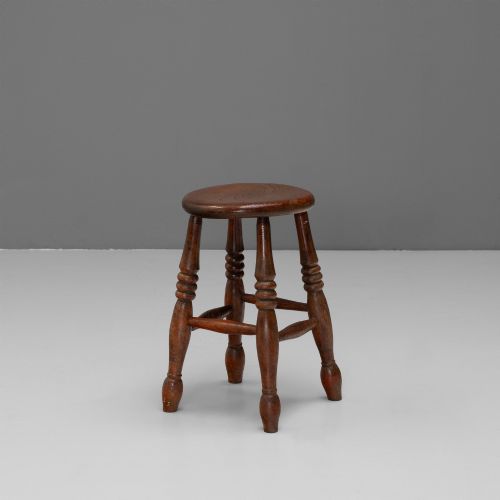
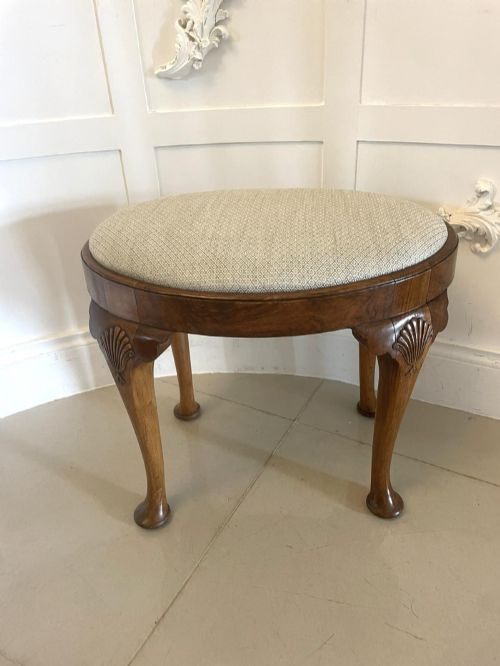
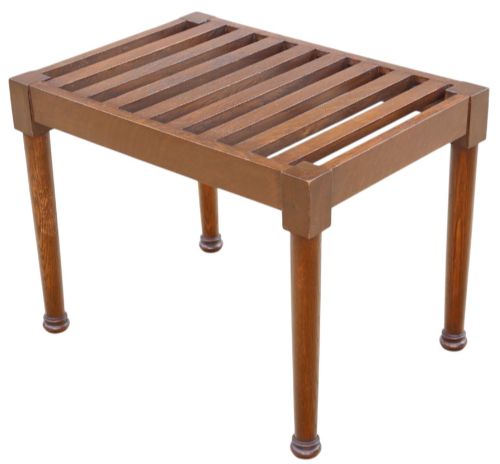
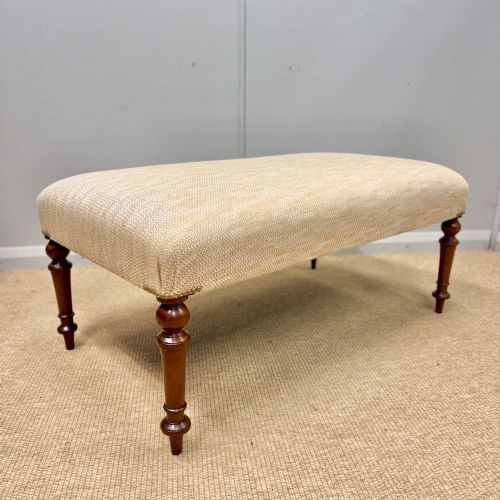
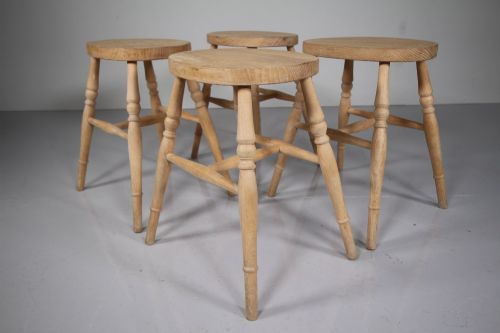
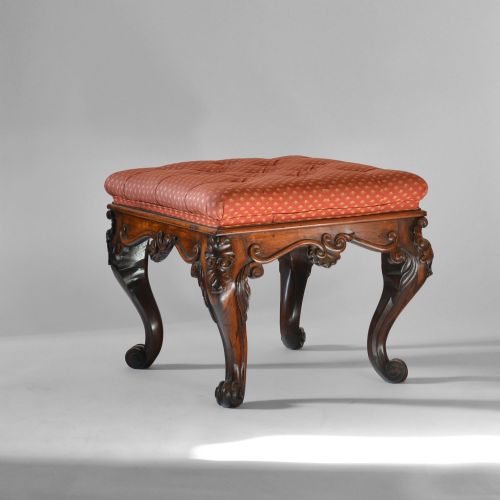
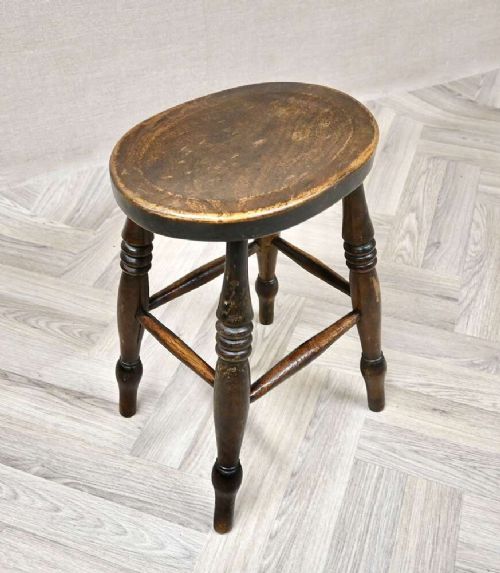
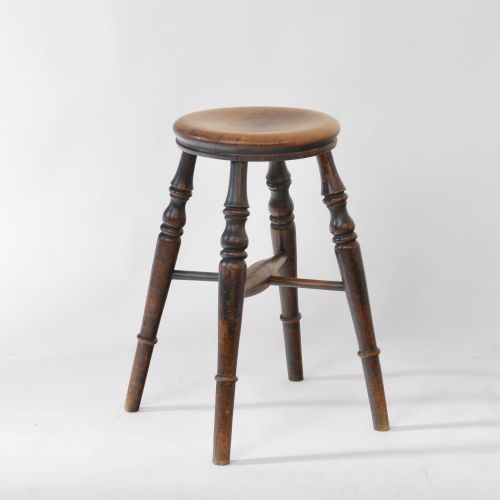
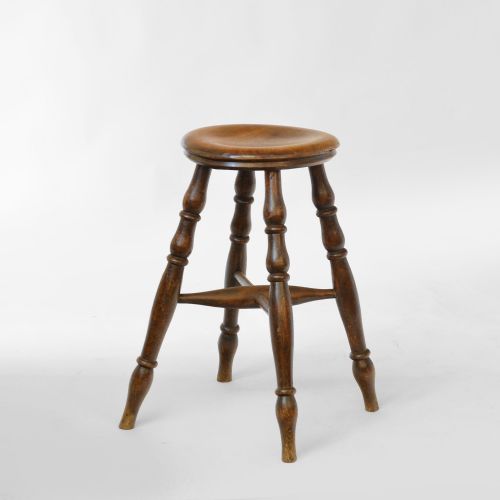
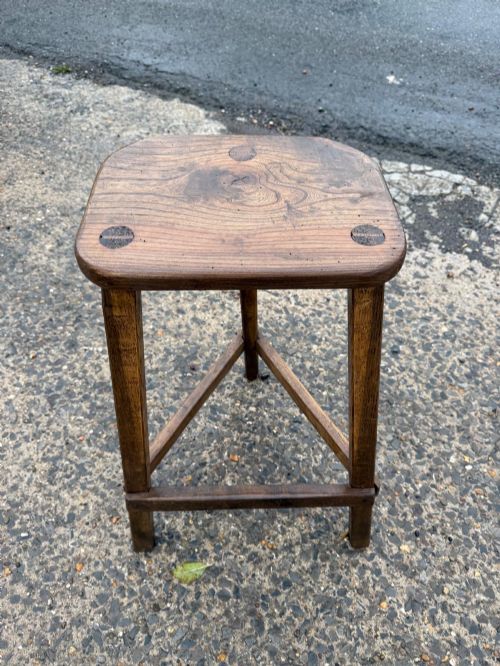
A vintage wooden stool search reveals a diverse group of seating and low surfaces, ranging from humble pub and tavern seats to refined piano and footstools. Pieces originate across the eighteenth, nineteenth, and early twentieth centuries, encompassing Victorian, Edwardian, and rustic farmhouse styles. The most common varieties encountered here are solid elm, oak, and beech utility pieces alongside mahogany library steps and piano stools.
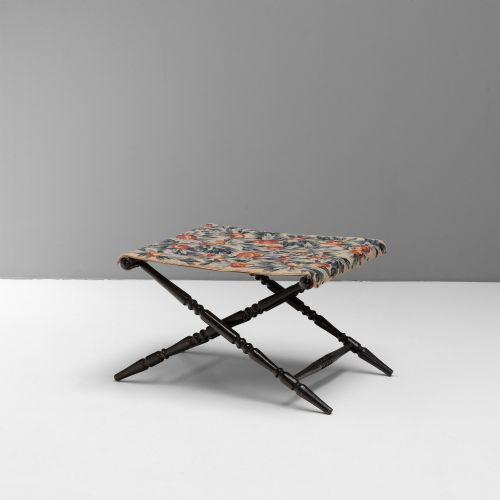
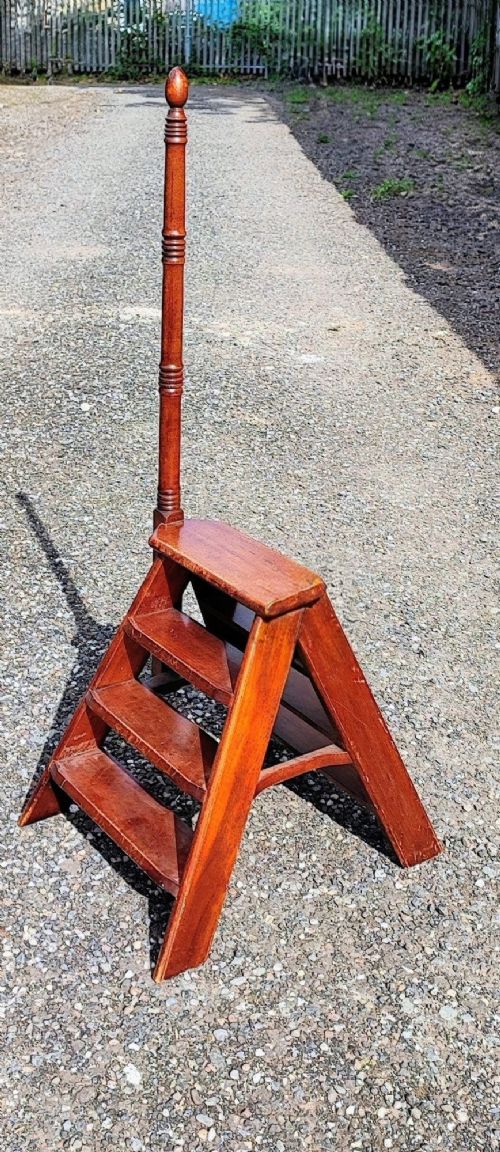
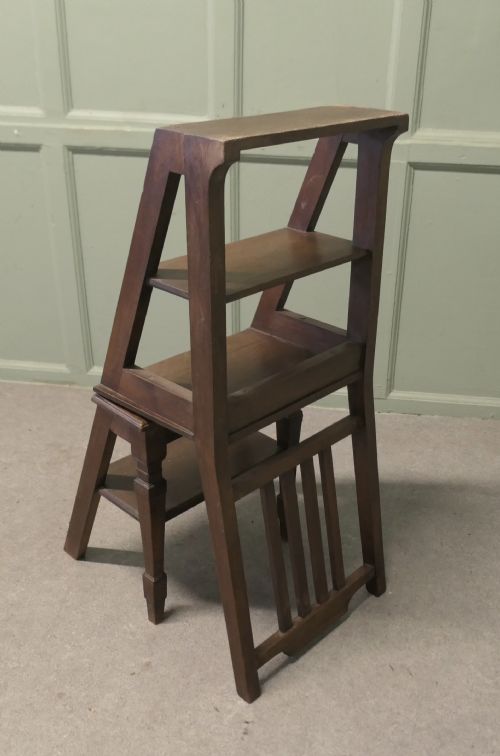
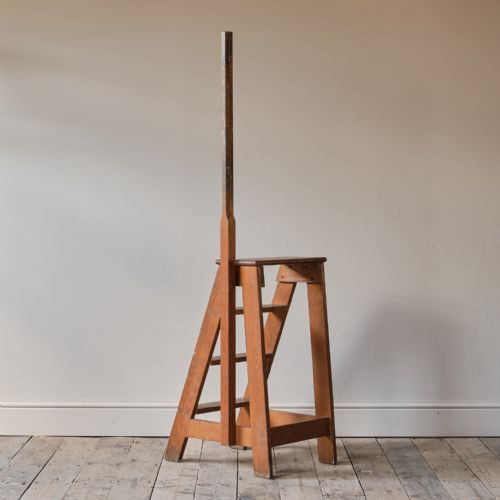
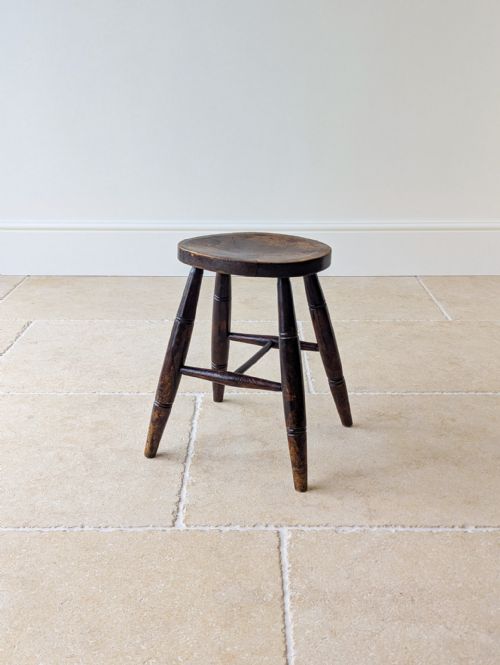
Form follows function closely in these examples, dividing into low domestic hearth stools, tall bar and workshop seating, and metamorphic library furniture. Makers adapted simple timber forms for specific trades, domestic tasks, and social spaces, resulting in sturdy three-legged milking designs as well as upholstered velvet and fabric topped variations.
What separates quality tiers
Quality rests primarily in the integrity of the timber, the tightness of the joinery, and the retention of original surfaces without excessive replacement parts. Superior examples display thoughtful proportions, such as well-balanced splayed legs and clean turnery, rather than purely utilitarian bulk.
Subtleties in finish and hand-carving elevate certain items above standard workshop production, whilst later repairs or replaced stretchers diminish the integrity of antique seating. The presence of secondary woods or mismatched components shifts a piece from collector status to simple utility.
Listings feature timbers including oak, elm, mahogany, pine, beech, and rosewood across multiple centuries.
The Vintage Wooden Stool Glossary
- Joint stool
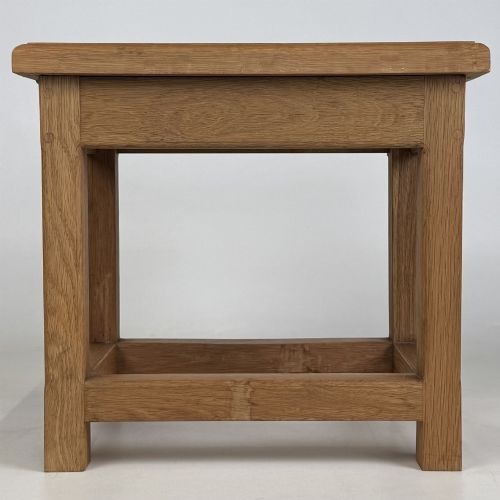
- A sturdy wooden stool constructed with mortise and tenon joinery rather than turned legs driven directly into the seat.
- Metamorphic
- Furniture designed to transform from one form to another, such as library steps that fold down into a chair ladder.
- Dished seat
- A wooden seat surface hollowed out in a shallow curve to improve comfort for the sitter.
- Chip carving
- A decorative technique where small chips are removed from the surface of the timber to form geometric patterns.
- Luggage stand
- A low folding or rigid wooden rack used in bedrooms for holding suitcases, sharing similar construction to stools.
Vintage Wooden Stool: Frequently Asked Questions
How do I clean an old wooden stool?
Dust regularly with a dry cloth and nourish the wood periodically with a traditional beeswax polish to protect the finish.
Avoid using modern silicone sprays or placing the timber near direct heat sources which can cause the old wood to split.
Were these stools used in homes or workshops?
They served both domestic and commercial environments, appearing in farmhouses, drawing rooms, pubs, and silversmith workshops.
Industrial examples often show specific wear patterns from trades, while domestic pieces feature softer finishes and upholstery.
Can I use an antique footstool for everyday seating?
Most footstools and low ottomans are built to support the weight of feet rather than a seated adult.
Heavier tavern and workshop stools, however, are structurally robust and designed specifically for full daily seating.
How do I date a wooden stool?
Examine the tool marks, joint construction methods, and timber species to determine the likely period of manufacture.
Hand-cut fixings and general wear often point to nineteenth-century origin, while revival styles indicate later nineteenth or early twentieth-century dates.