
Vintage Wooden Stool Seat
These vintage wooden stool seat pieces are solid timber furnishings built for everyday function, offering sturdy utility and honest character.
Vintage Wooden Stool Seat
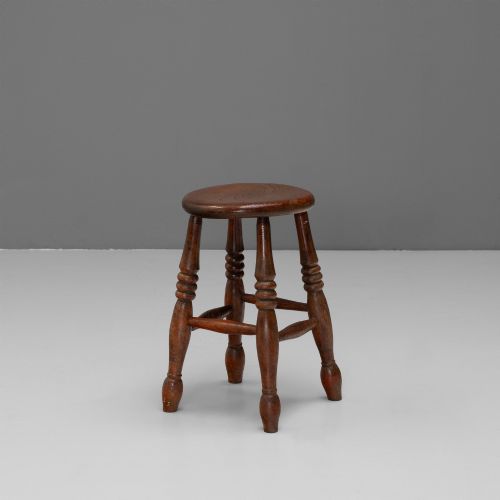
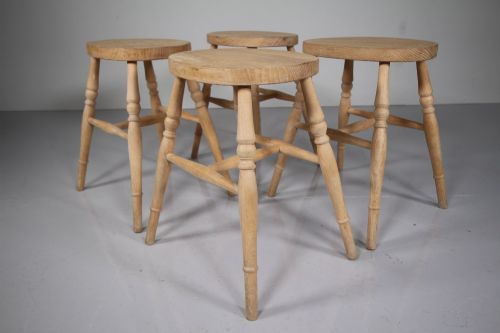
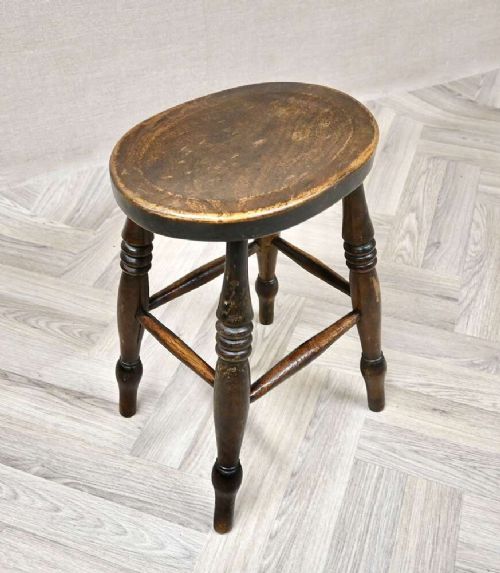
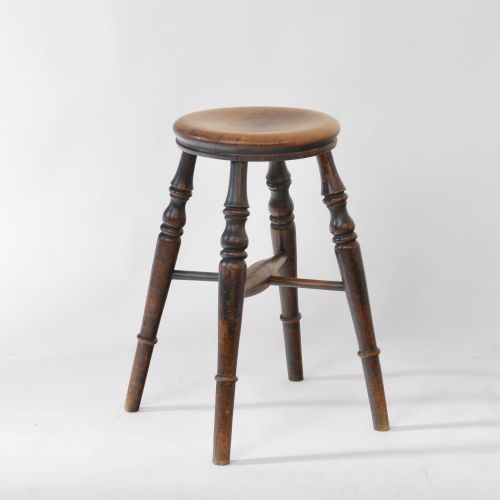
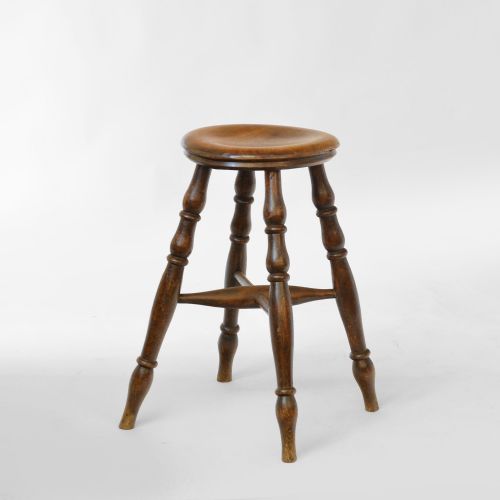
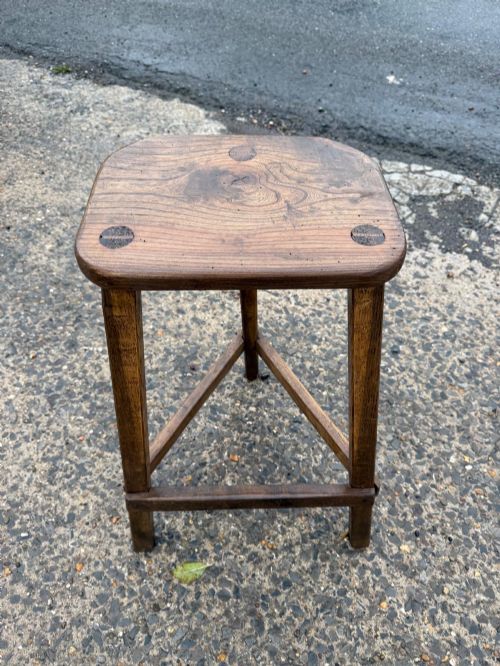
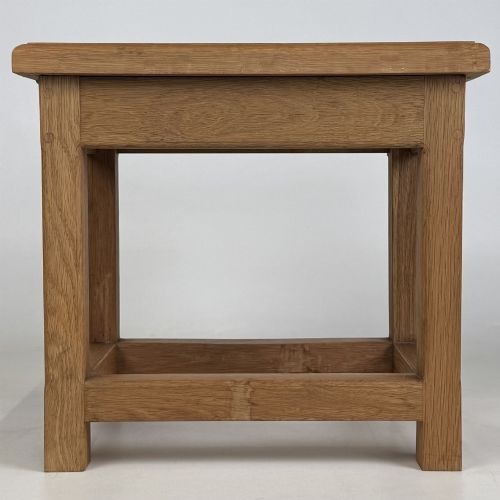
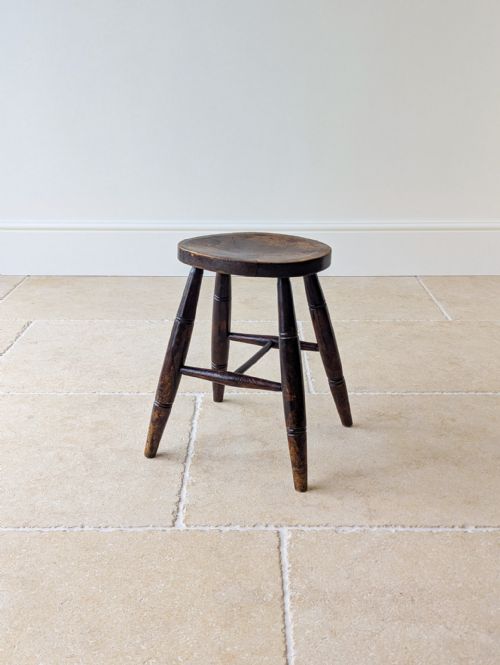
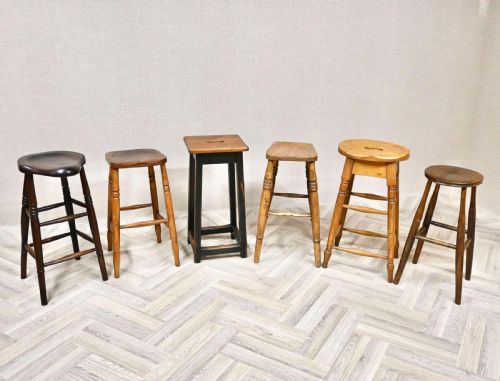
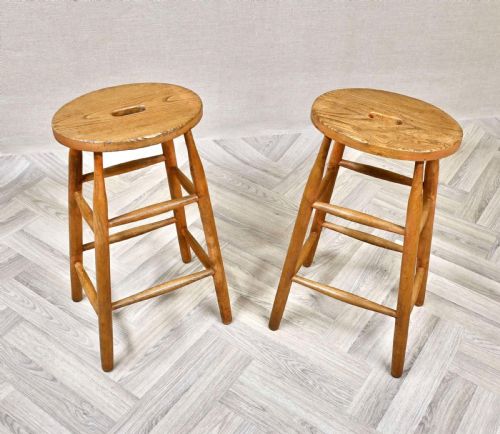
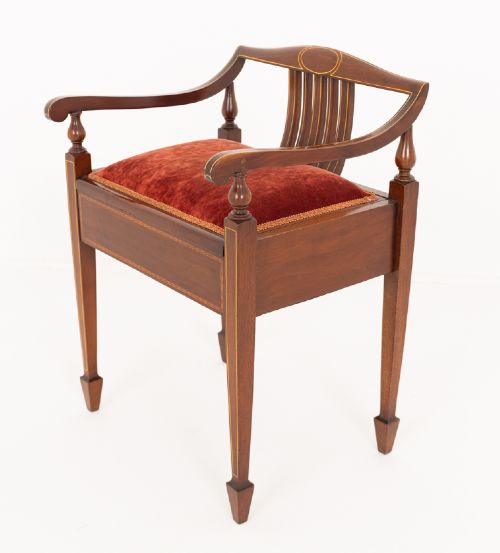
A vintage wooden stool seat functions as a practical resting place or low surface, appearing across forms such as standard stools, bar stools, piano stools, and milking stools. Buyers searching for a vintage wooden stool seat encounter vernacular designs ranging from simple three-legged milking stools to turned beech examples and pub or tavern seating.
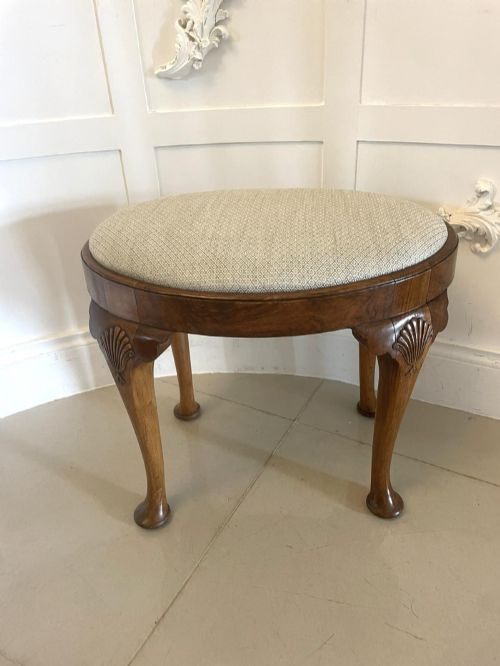
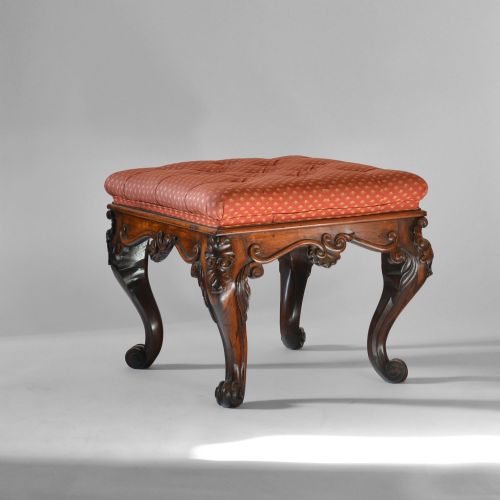
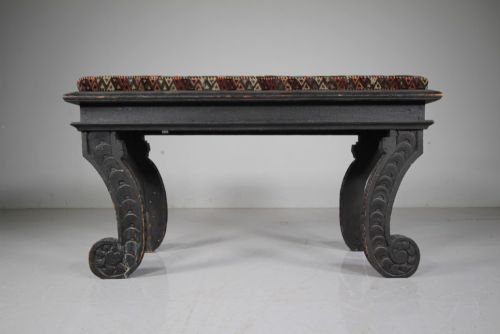
The selections span periods from the 18th century through the Victorian and Edwardian eras into the 1920s and 1930s. Common structural formats include plain timber tops, oval dished tops, and cane or fabric inserts supported by four legs or single-leg bracing.
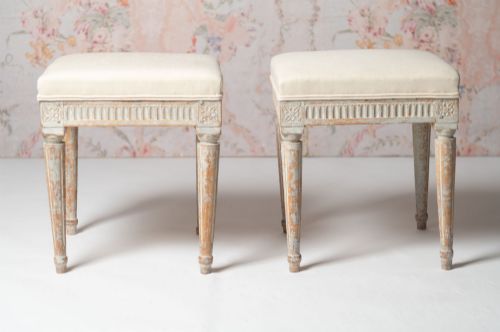
Origins stretch across English country workshops, Swedish Gustavian design, Eastern European provinces, and Art Deco studios. Everyday survivors dominate the selection, showing straightforward joinery intended for domestic, commercial, or institutional use.
How they were made
Construction relies heavily on native hardwoods and softwoods like oak, elm, ash, beech, pine, sycamore, walnut, and mahogany. Makers shaped these timbers using traditional turning, sawing, and carving methods to form robust legs and solid seats.
Joinery techniques involve pegged joints, mortise and tenon construction, and turned spindle supports fitted directly into underside bores. Surfaces frequently retain original paint, such as ochre and green finishes, or polished wax applied over the bare timber.
Listings feature woods including oak, elm, mahogany, beech, pine, and rosewood across the 18th, 19th, and 20th centuries.
What varies in quality
Quality rests on the selection of timber and the integrity of the joinery rather than ornate decoration. Dense hardwoods like oak, walnut, and rosewood offer superior longevity compared to softer deal or pine alternatives.
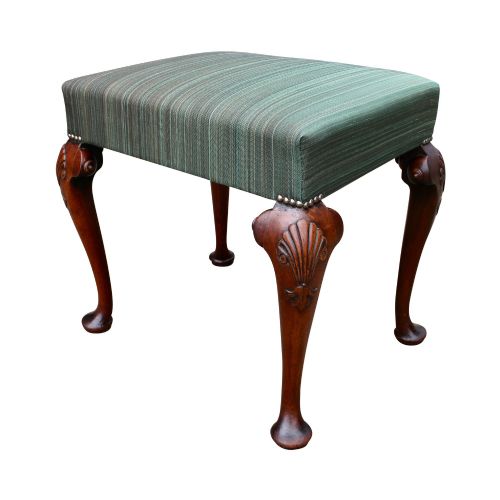
Design sophistication separates standard utility pieces from refined examples like Sheraton Revival or Queen Anne style creations. The survival of original surface finishes, such as early paint layers or patinated wax, elevates the integrity of the piece.
Harry and Lou Epstein·Liberty and Co
The Vintage Wooden Stool Seat Glossary
- Dished top
- A seat surface carved into a shallow concave depression for comfort. This concave shaping is common in traditional country stools and milking designs.
- Joint stool
- A sturdy wooden stool constructed with mortise and tenon joints pegged together. These pieces date back centuries and served as versatile household seating.
- Windsor
- A style of chair or stool featuring turned legs and spindles wedged directly into a solid sculpted seat. This method ensures robust structural rigidity.
- Milking stool
- A simple one-legged or three-legged low seat used historically for manual farm labour. Their portable nature and primitive construction define their utilitarian charm.
- Cane seat
- A seating surface woven from peeled rattan or cane strips. This technique provides a lightweight and flexible platform for the user.
Vintage Wooden Stool Seat: Frequently Asked Questions
What is a vintage wooden stool seat used for?
These versatile wooden seats function primarily as casual seating around dining tables, bars, or dressing areas. They also serve easily as small side tables or plant stands within domestic interiors.
Their compact proportions allow them to tuck under surfaces when not in use. Historic variations like milking stools or tavern stools bring industrial or rustic texture to contemporary rooms.
How do I identify a 19th-century stool?
Nineteenth-century examples typically display hand-turned legs, pegged joinery, and heavy timber construction in elm, oak, ash, or beech. Tool marks and uneven wear patterns often indicate manual shaping before the widespread adoption of mass production.
Regional vernacular styles vary significantly, showing distinct turning patterns and leg splays characteristic of specific English counties or European provinces.
What woods were commonly used?
Makers utilised whatever strong timbers were locally available, predominantly oak, elm, beech, ash, and pine. Walnut and mahogany appear more frequently in refined Victorian and Edwardian parlour or piano stools.
Softer woods like pine received durable paints or plain wax finishes, while hardwoods were polished to highlight natural grain patterns.
How do I care for antique wooden stools?
Maintain the timber by applying traditional beeswax periodically to nourish the dry wood and protect the surface. Avoid placing wooden stools near direct heat sources or rapid temperature shifts to prevent splitting.
Clean surfaces gently with a soft dry cloth rather than harsh chemical sprays. Preserving original paint or patinated finishes maintains the historical character of the piece.