
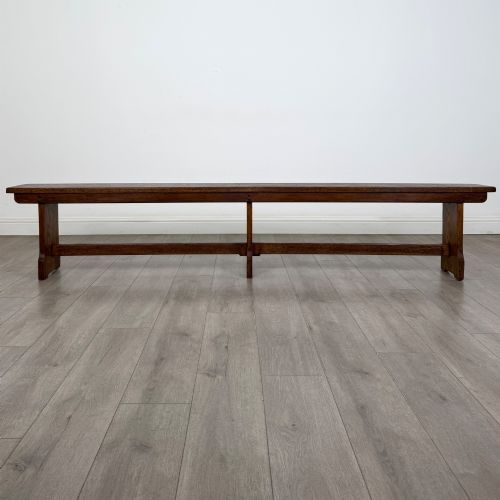
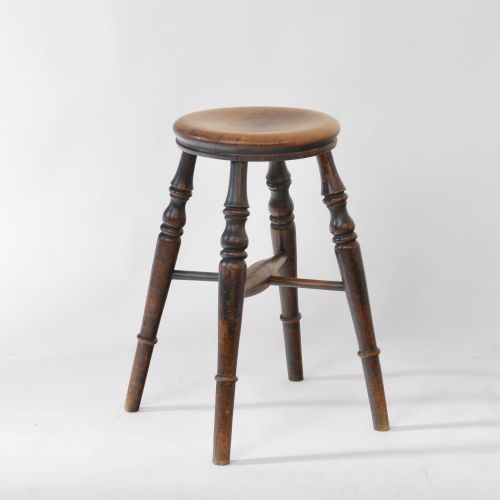
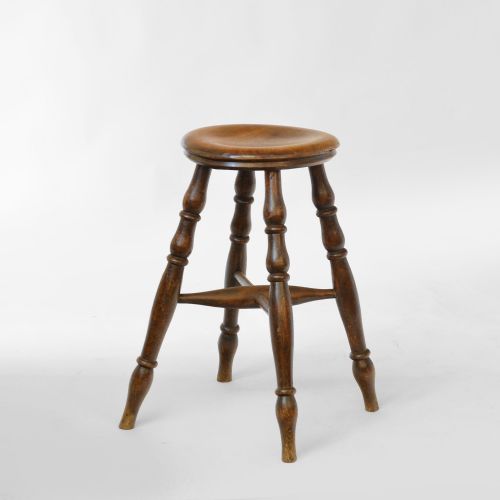
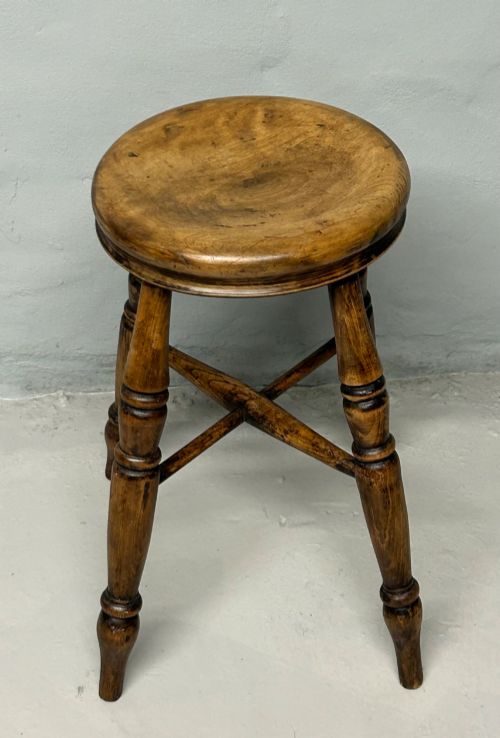


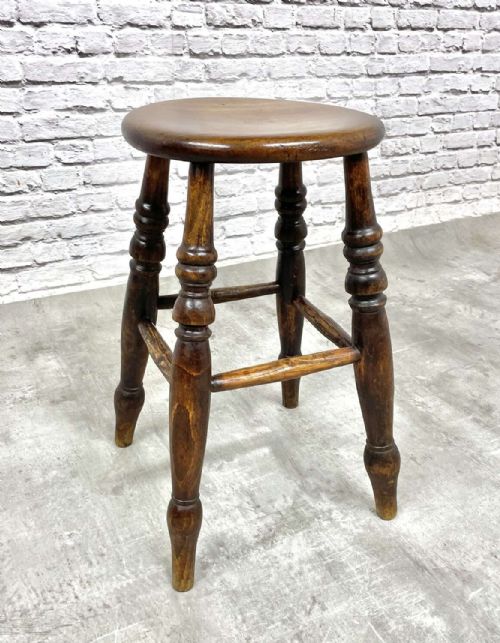

19th Century Tavern Stool
These 19th century tavern stool pieces offer genuine rustic character, built from sturdy timbers to survive heavy pub use.
19th Century Tavern Stool
When you search for a 19th century tavern stool, you encounter robust seating designed for alehouses, pubs and domestic vernacular spaces. The selection spans compact bar stools and sturdy elm seat stools alongside related forms like benches and clerks chairs.
How they were made
Makers relied on solid native timbers such as elm for durable seats and beech or ash for turned legs. These materials were shaped using traditional bodging and carpentry methods suited to heavy daily wear.
Joinery typically involved pegged mortise and tenon joints or securely wedged through-tenons. This honest construction ensures the structural integrity remains intact after generations of use.
Listings feature woods including elm, oak, sycamore, beech, ash and pollard oak across 19th century vernacular forms.
What varies in quality
Quality rests primarily in the choice of timber and the depth of natural patination built up over decades. Sycamore and pollard oak examples show finer grain figure compared to utility pine or standard beech.
Proportion and the integrity of the original turned elements dictate the visual success of each piece. Superior examples retain their original surface finish without excessive timber replacement.
The 19th Century Tavern Stool Glossary
- Vernacular
- Everyday utilitarian furniture made by regional craftsmen rather than urban cabinet makers. These pieces prioritise function and local timber availability over high-style ornamentation.
- Bodger
- A traditional pole-lathe turner working in the woods to produce chair legs and components. Their efficient green-wood techniques shaped much of the country seating from this period.
- Cricket table
- A small, light three-legged table designed for uneven flagged tavern floors. The tripod base ensures it stands firmly without rocking.
- Elm
- A tough, interlocking timber frequently chosen for chair seats because it resists splitting under stress. It provides the heavy, solid foundation typical of country stools.
19th Century Tavern Stool: Frequently Asked Questions
How are tavern stools cleaned?
Wipe surfaces gently with a slightly damp cloth to remove dust and surface grime. Avoid harsh chemical cleaners that strip the historic finish.
Apply a traditional beeswax polish occasionally to nourish the dry wood and maintain the natural lustre. Buff gently with a soft brush once the wax dries.
Can I use these stools daily?
These timber pieces were built for robust commercial environments and easily handle everyday domestic use. Ensure the joints remain tight before placing heavy loads upon them.
Keep them away from direct heat sources and drastic humidity changes to prevent the old timber from cracking. Proper placement protects the structural stability for years ahead.
How do I identify elm seats?
Elm displays a distinct, wavy interlocking grain pattern that resists splitting when nailed or pegged. This tough timber often develops a rich, undulating texture as the softer rings wear away.
Look for deep surface character and a heavy, dense feel when handling the seat. This resilient wood was the preferred choice for country chair makers.