
Vintage Wooden Server Table
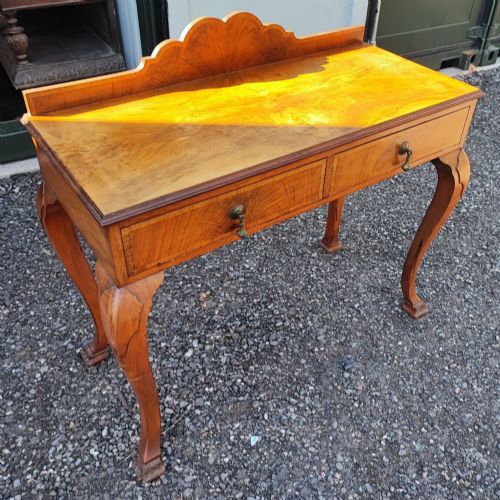
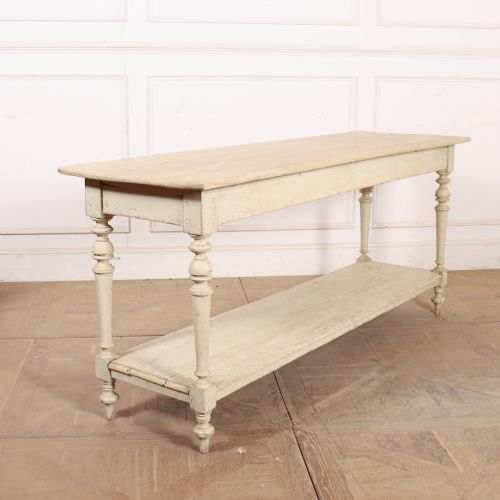
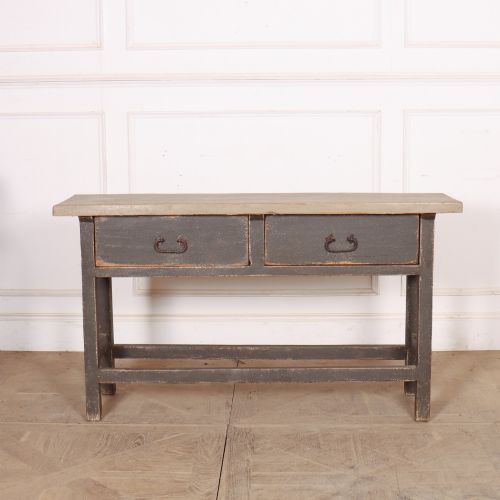
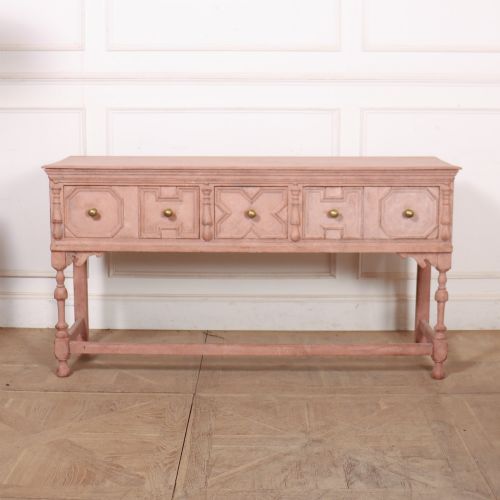
A vintage wooden server table anchors a room with practical surface space, combining sturdy timber construction with period character for everyday serving and storage.
Vintage Wooden Server Table
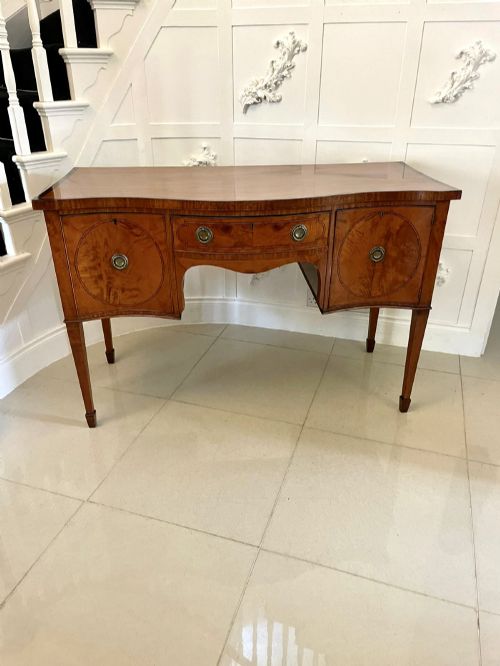
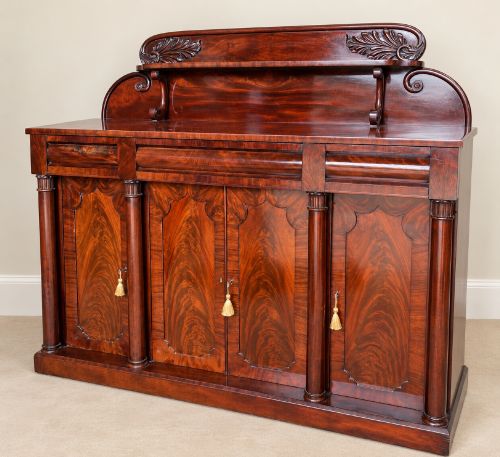
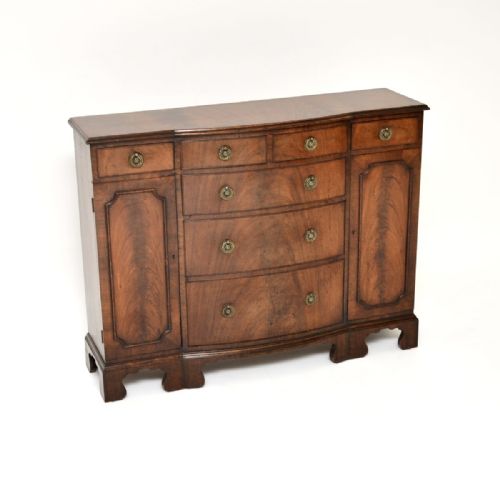
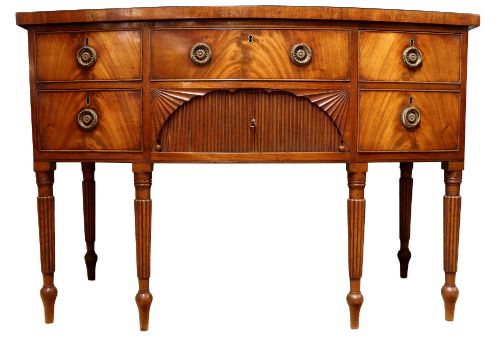
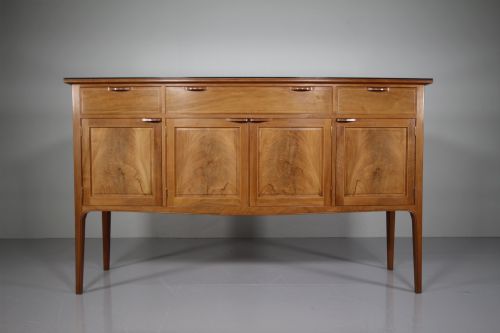
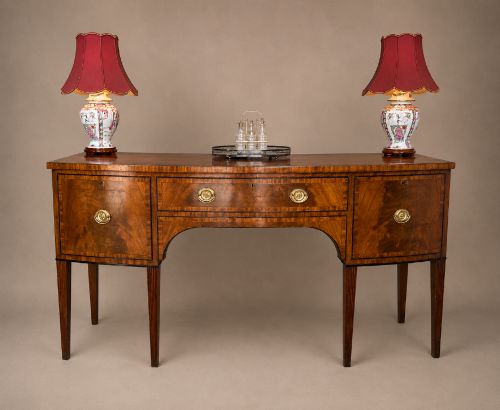
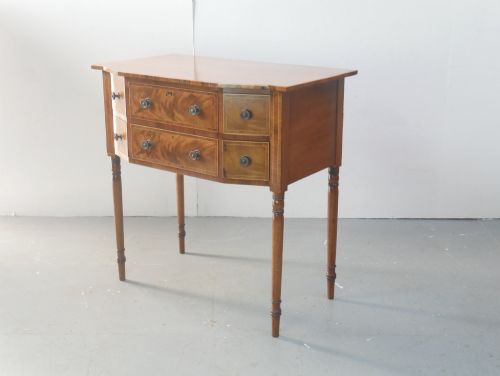
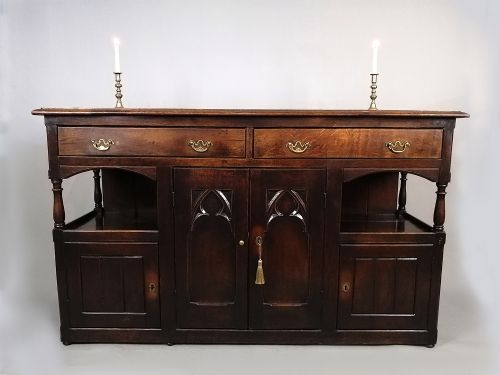
A vintage wooden server table encompasses practical utilitarian furniture designed for dining rooms, halls and kitchens, appearing in forms such as sideboards, console tables, dresser bases and serving tables. Buyers seeking a vintage wooden server table will frequently encounter pieces spanning the Georgian, Victorian and Edwardian eras, alongside rustic and painted country variants.
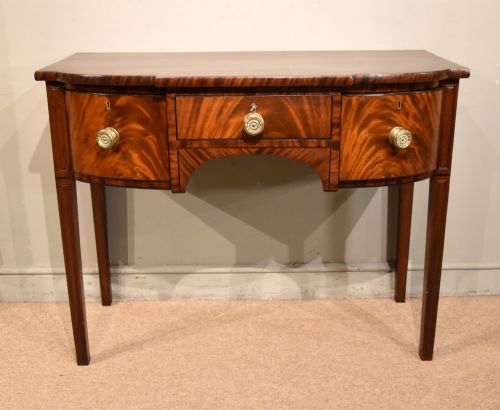
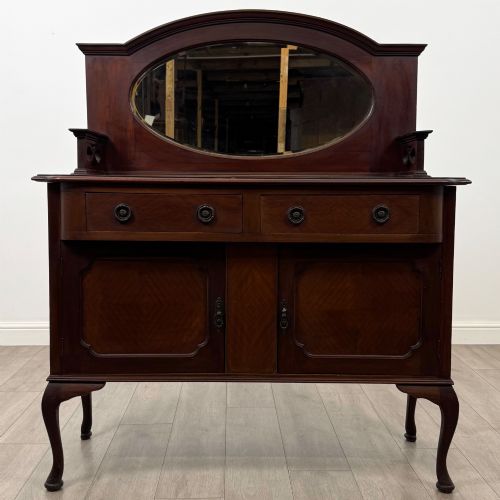
The selection ranges from formal mahogany and walnut dining room sideboards with serpentine or bow fronts to sturdy oak and pine dresser bases and dairy prep tables. Regional workshop traditions emerge in pieces like Lancashire oak dresser bases and Chinese elm sideboards.
Formal town pieces sit alongside provincial country furniture, offering a choice between refined cabinet-making and robust utilitarian construction. These items serve equally well in modern hallways, kitchens and living spaces as alternative storage solutions.
Materials and construction methods
Makers utilised hardwoods such as mahogany, walnut and oak for formal dining furniture, employing fine veneers, flame mahogany figuring and subtle inlay work to create decorative surfaces. Structural elements often incorporated secondary timbers like pine and sycamore.
Country pieces and utilitarian tables relied on solid pine, oak, elm and deal, sometimes finished with original paint or left with a natural waxed patina. Joinery techniques varied from traditional dovetailed drawers and pegged frames to simpler boarded construction on working tables.
Some pine harvest tables stretch past nine feet, built long enough to feed an entire parish after a hard day in the fields.
Judging the standard of manufacture
Superior examples display careful timber selection, such as matched flame mahogany veneers or densely grained Cuban mahogany, whereas lesser pieces utilise plain or heavily repaired stock. The crispness of carved details, the neatness of dovetail joints and the presence of original brass hardware elevate a piece significantly.
Proportion and surface finish dictate the overall success of the furniture. Retaining an original painted surface or a rich, untouched polish distinguishes high-grade items from those stripped or refinished unsympathetically.
Edward Barnsley·M. D. Miller and Sons·George Hepplewhite
The Vintage Wooden Server Table Glossary
- Bow front
- A convexly curved front on a cabinet or sideboard, popular during the Georgian and Regency periods. This shape softens the profile of large dining room pieces.
- Dresser base
- A lower storage unit featuring drawers and cupboards, traditionally used in kitchens and dining spaces before upper shelving racks were added. These pieces provide deep surface and internal storage.
- Breakfront
- A cabinet or sideboard whose central section projects forward from the flanking outer sections. This architectural arrangement creates depth and visual interest.
- Serpentine
- A furniture front curving inward centrally and outward at the ends in a continuous undulation. It requires considerable skill from the cabinet-maker to execute successfully.
- Tray top
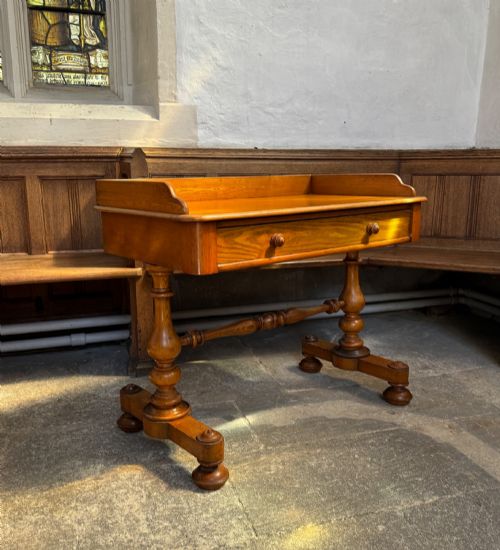
- A table top finished with a raised rim or moulding to prevent items from sliding off. This feature is frequently found on smaller serving and silver tables.
Vintage Wooden Server Table: Frequently Asked Questions
How do I use a server table today?
These tables function well in dining rooms for holding serving dishes, or in hallways as console surfaces for post and keys. Their drawers and cupboards swallow everyday clutter while keeping rooms orderly.
In kitchens, sturdy wooden examples offer extra prep space or a surface for appliances. Their generous proportions make them adaptable additions to modern open-plan living areas.
What is the difference between a sideboard and a server?
Sideboards generally incorporate a combination of deep cupboards and drawers specifically designed for storing dining linen, cutlery and heavy serving vessels. They tend to be larger architectural pieces meant for formal dining rooms.
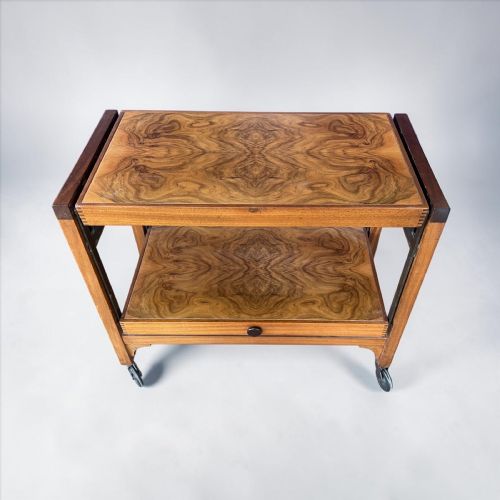
Servers and serving tables often feature lighter frames with fewer cupboards, prioritising open surface area for presenting food. Many regional examples include open pot boards beneath for additional display.
How do I care for antique wooden surfaces?
Maintain timber surfaces by dusting regularly with a soft, dry cloth and applying natural beeswax periodically to nourish the grain. Avoid placing wooden furniture in direct sunlight or near heat sources to prevent timber shrinkage and splitting.
Use coasters and placemats to protect polished finishes from moisture and heat rings. Gentle cleaning preserves the historic patina built up over generations of use.
How do I distinguish Georgian from Victorian pieces?
Georgian furniture leans towards classical proportions, understated elegance and fine timbers like Cuban mahogany or oak, often featuring subtle stringing or bracket feet. The design philosophy emphasises restraint and architectural harmony.
Victorian pieces frequently display heavier proportions, bolder mouldings and a wider variety of secondary woods such as pitch pine or walnut. Industrial manufacturing methods also start to influence construction quality during the later nineteenth century.