

Early Georgian Mahogany Table
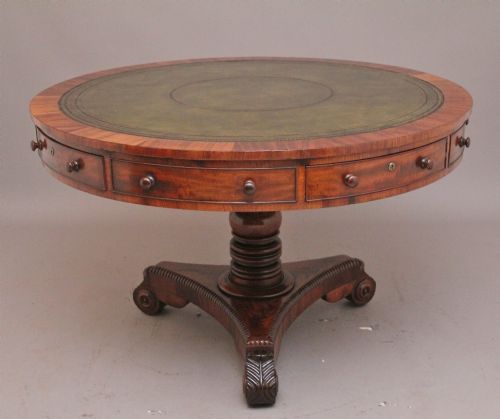
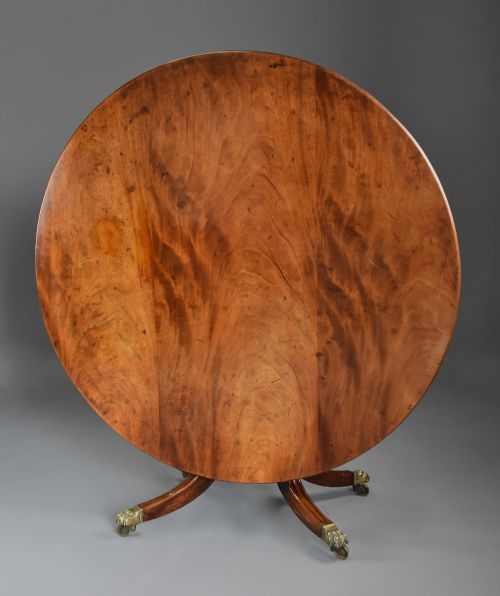
An early georgian mahogany table brings rich tone and sturdy grain into a room, spanning dining, tea, and serving forms.
Early Georgian Mahogany Table
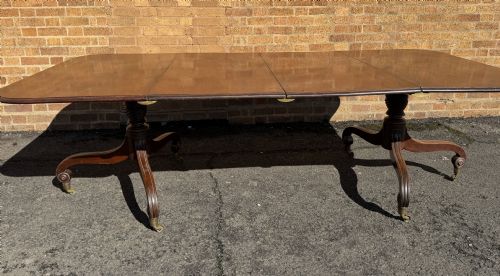
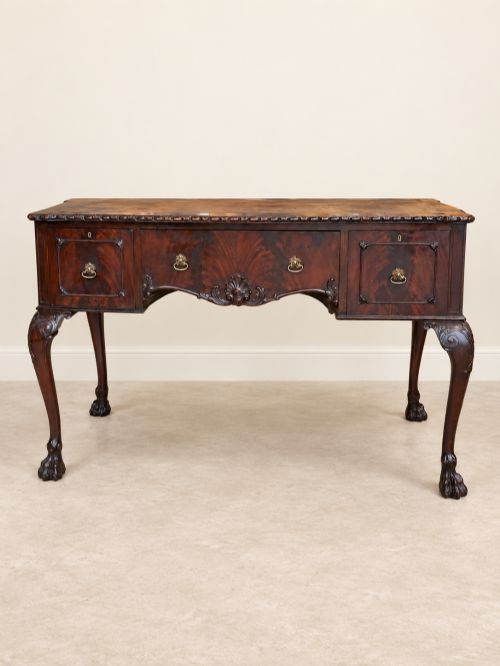
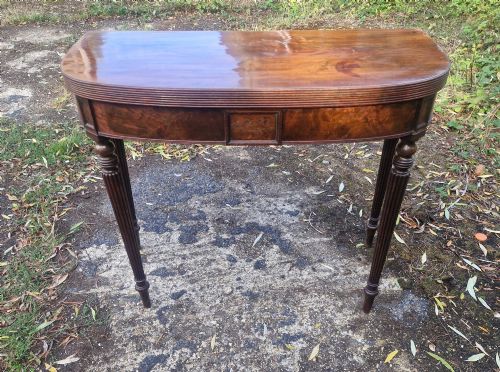
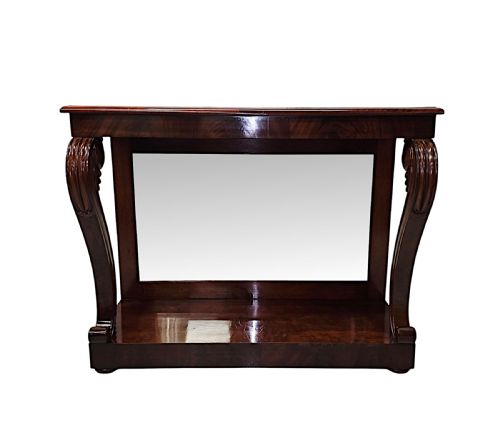
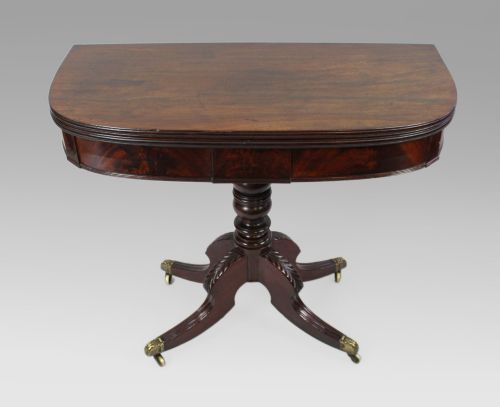
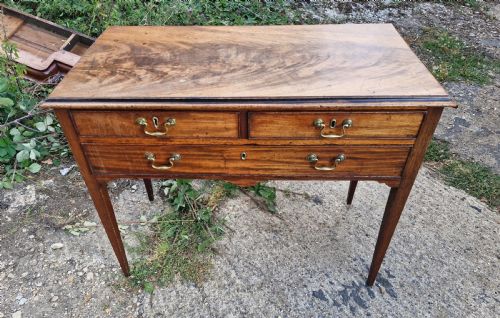
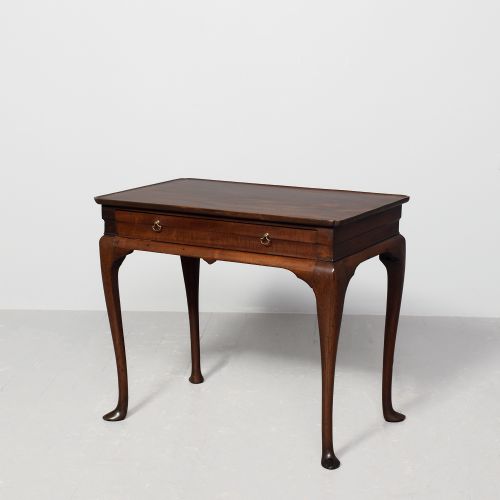
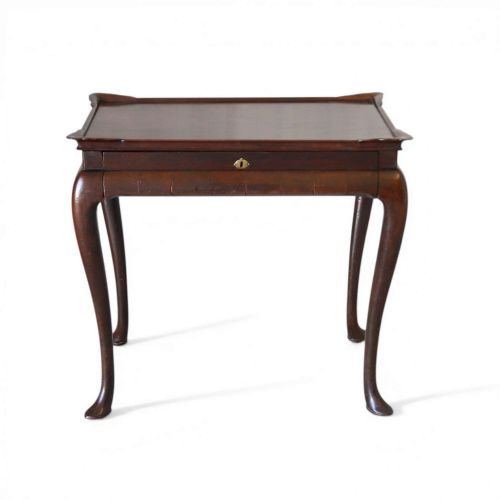
When searching for an early georgian mahogany table, buyers encounter forms ranging from drop-leaf dining pieces and silver tables to card tables, side tables, and lowboys originating mostly from the eighteenth and early nineteenth centuries. These domestic items served practical functions in period homes, functioning as tea tables, writing desks, and console surfaces.
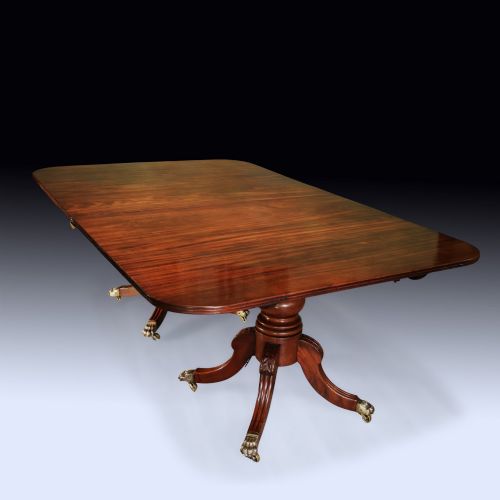
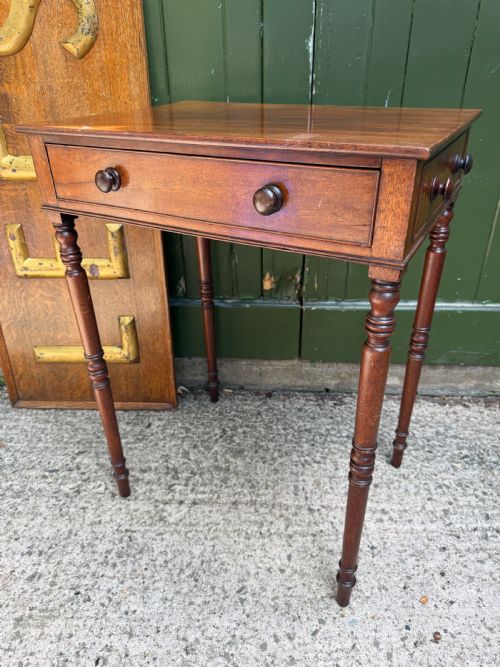
The pieces on this page lean heavily toward nineteenth-century continuations and Georgian revivals alongside true eighteenth-century examples, utilising traditional designs like cabriole legs, tray tops, and turnover leaves. Buyers find considerable variety in scale, from small wine tables and bedside stands to large twin-pillar dining tables.
Origin details in the evidence point to English and Irish workshops, occasionally referencing cabinet-makers such as Gillows or Gillingtons. The forms reflect the shift from walnut to dense timbers, resulting in solid constructions designed for daily use.
Assessing the Craftsmanship
Quality rests in the selection of figured mahogany timbers and the crispness of carved details on legs, aprons, and edges. Superior examples show thoughtful proportion, balanced grain patterns across leaves, and original brass fittings that match the period.
Construction integrity separates better pieces, seen in tight joints, hand-cut dovetails within drawers, and stable bases on tilt-top or pillar dining tables. Alterations to height, replaced surfaces, or mismatched bases diminish the integrity of the piece.
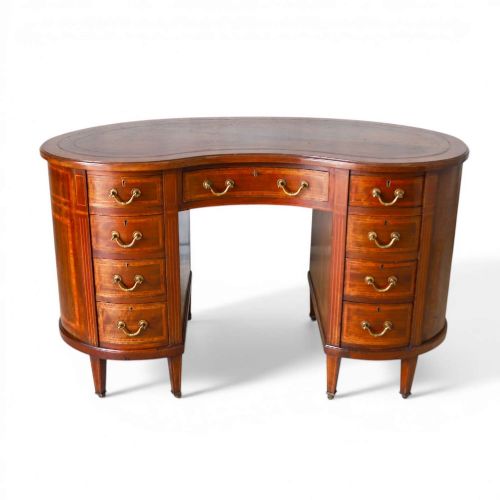
Listings feature a wide span of periods, ranging from eighteenth-century Georgian origins through Regency and Victorian eras up to 1930s revivals.
Gillows·Gillingtons·W.Williamson & Sons
The Early Georgian Mahogany Table Glossary
- Cabriole leg
- A furniture leg that curves out at the knee and tapers inward to an ankle, mimicking an animal's limb. This shape typifies mid-eighteenth-century seating and table design.
- Cuban mahogany
- A dense, heavy variety of mahogany sourced from the Caribbean, known for rich figuring and deep colour. Cabinet-makers favoured it for high-status eighteenth-century furniture.
- Lowboy
- A small side table or dressing table featuring a low drawer arrangement beneath the surface. These pieces often stood in bedrooms or parlours during the Georgian era.
- Teapoy
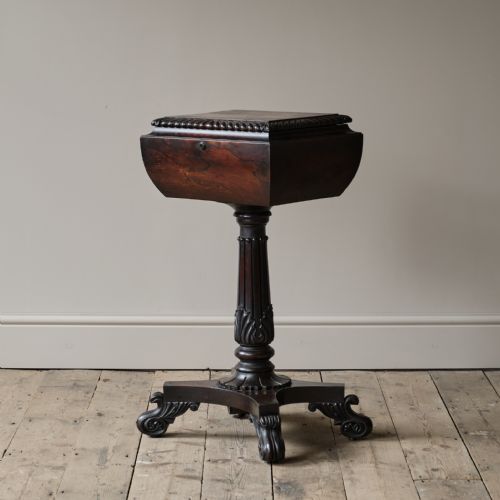
- A small box or chest mounted on a central pillar and tripod base, used to store loose tea leaves. They became popular during the late eighteenth and early nineteenth centuries.
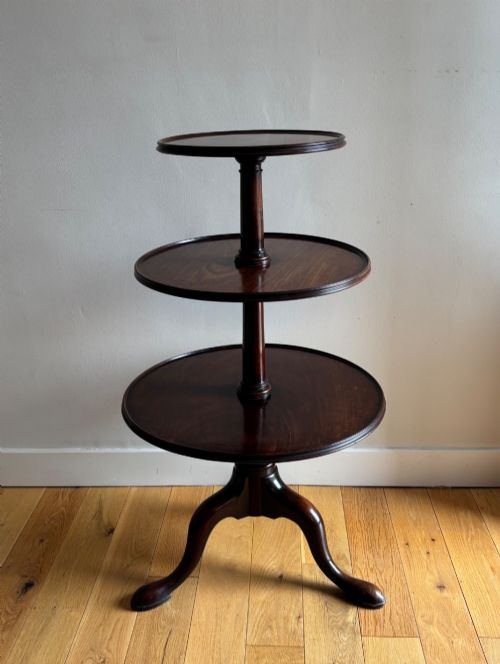
- Dumb waiter
- A tiered revolving stand placed beside a dining table to hold plates and dishes without servants present. The stacked circular trays turned on a central shaft.
Early Georgian Mahogany Table: Frequently Asked Questions
How do I spot a true eighteenth-century table?
Examine the timber species, construction joints, and secondary woods used inside drawers. True eighteenth-century pieces often feature hand-cut dovetails and solid mahogany rather than later veneers.
Compare the proportions and hardware against documented examples from the same decade. Wear patterns should match the age and intended domestic function of the table.
Where were these tables used in a home?
Georgian tables served specific rooms according to their form, such as lowboys and washstands in bedrooms, and console or card tables in reception rooms. Dining tables and dumb waiters anchored the formal dining space.
Smaller wine tables and lamp tables moved easily beside seating areas for evening tasks or hospitality.
How do I care for a mahogany surface?
Protect the timber from direct sunlight and sudden temperature shifts to prevent warping or fading in the polish. Apply a traditional wax polish occasionally to maintain the sheen and nourish the grain.
Avoid placing damp items directly onto the timber to prevent water rings on the antique finish.