
Vintage Wooden Plant Stand
These vintage wooden plant stands bring height and structure to a room, supporting botanical displays with solid period craftsmanship.
Vintage Wooden Plant Stand
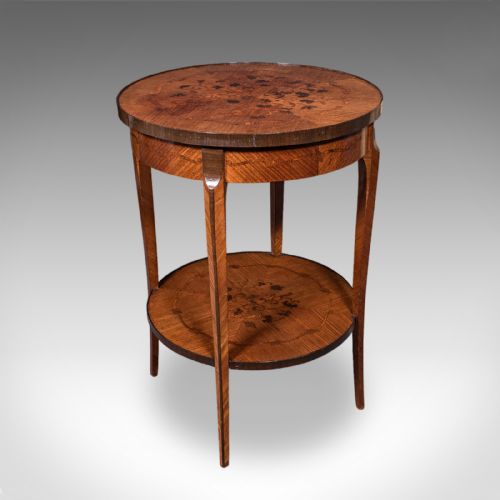
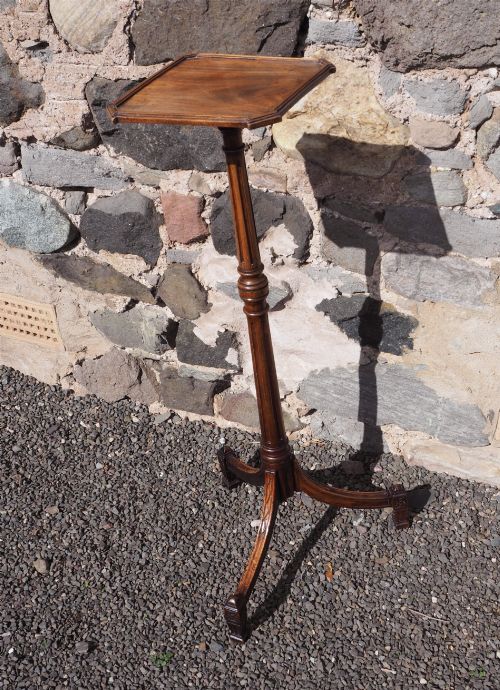
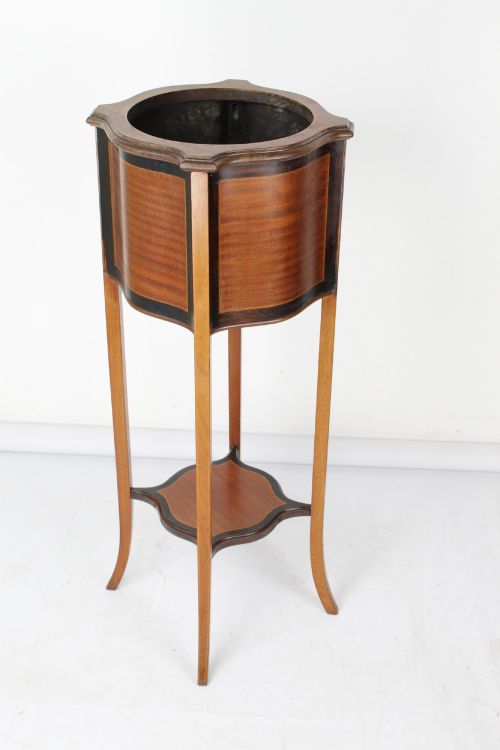
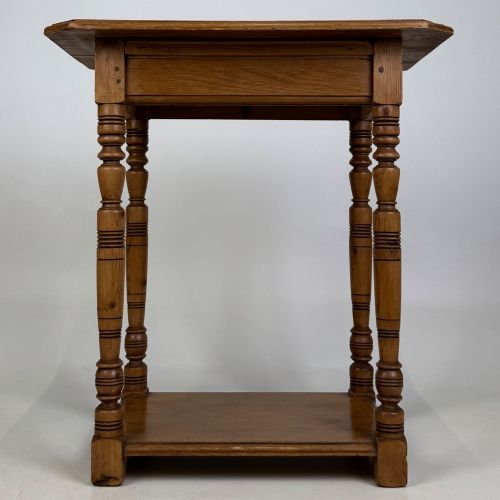
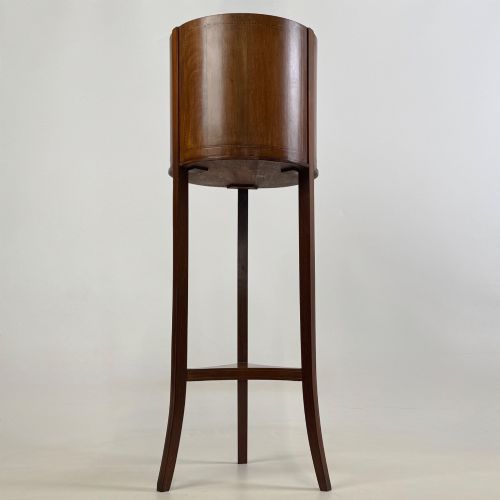
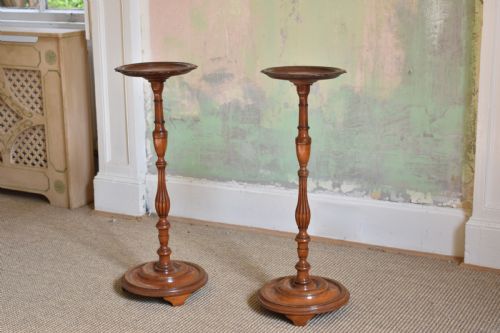
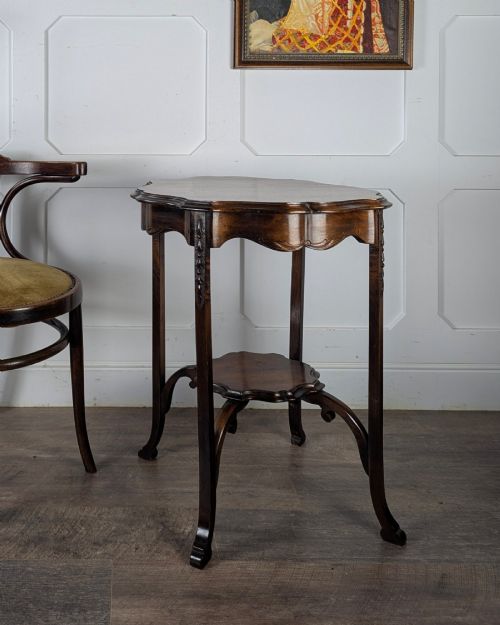
A vintage wooden plant stand serves to elevate pots, urns and floral displays, functioning both as a practical support and a decorative furnishing. These pieces appear across various forms, including dedicated jardiniere stands, torcheres, pedestals, and occasional tables utilised for botanical display.
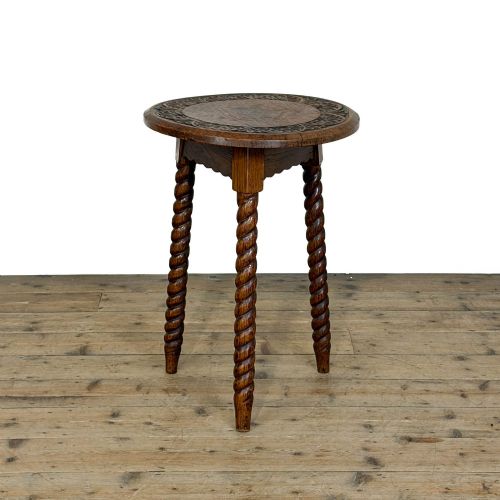
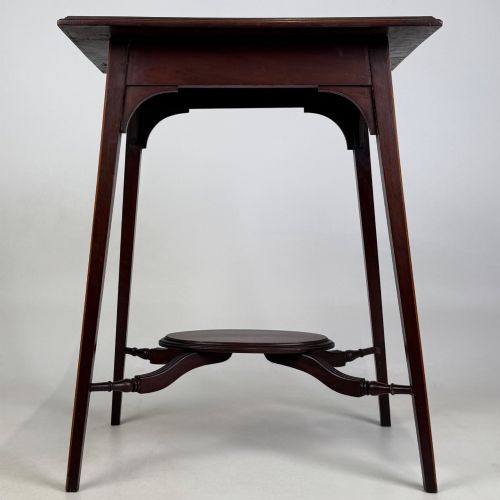
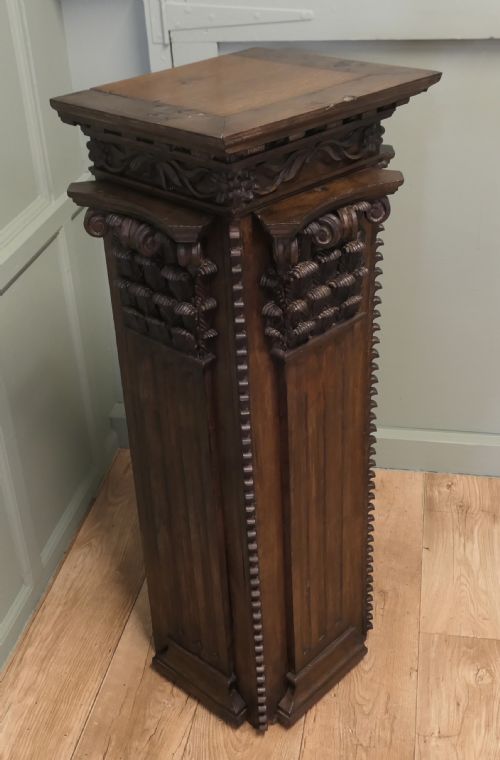
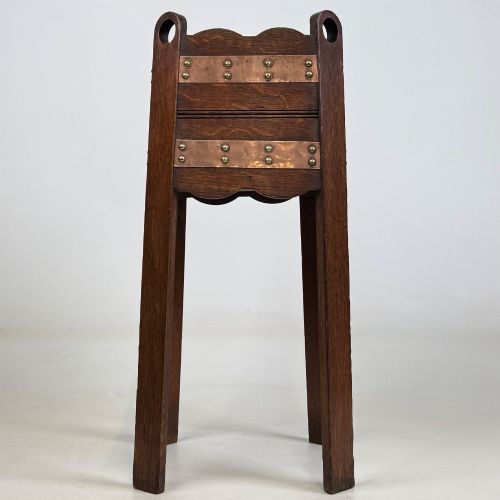
The selections available draw from a broad chronological spread, encompassing Victorian, Edwardian, and Art Deco periods, alongside earlier Georgian and 18th-century examples. Edwardian mahogany and oak versions predominate, frequently featuring inlaid details, barley twist supports, or tiered platforms.
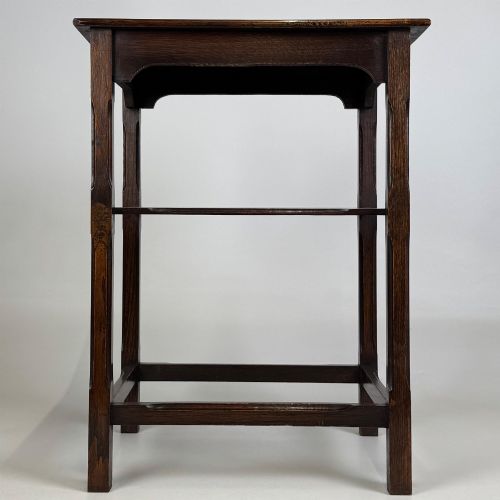
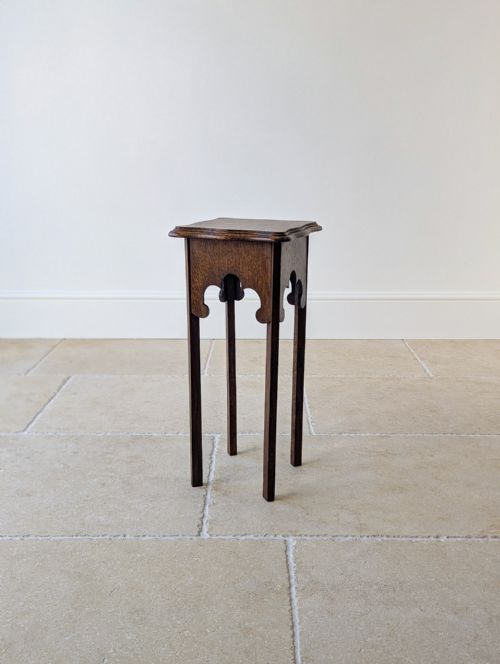
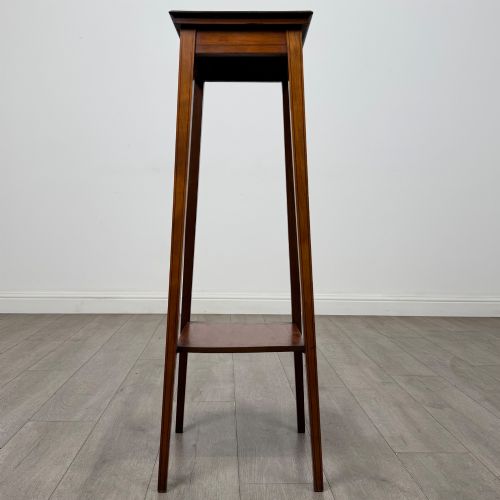
Makers and workshops of the nineteenth and early twentieth centuries produced these stands in diverse regional styles, ranging from simple rustic elm and chip-carved oak to refined satinwood and walnut. Buyers encounter both slender, tall column pedestals designed specifically for a single pot and lower occasional tables suited to side placement.
Materials and construction methods
Cabinetmakers utilised hardwoods such as mahogany, oak, walnut, and satinwood to construct durable plant stands that could support heavy ceramic pots filled with damp soil. Timber selection dictated the weight and grain of the piece, with dense woods allowing for slender turned legs and delicate carved columns.
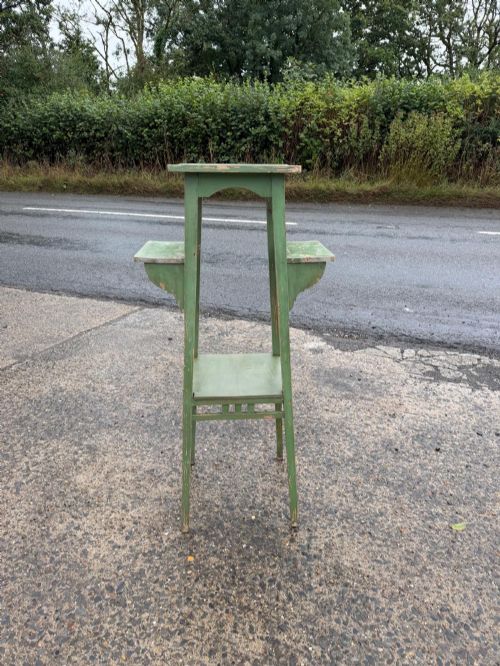
Joinery techniques ranged from traditional mortise and tenon frames to turned woodwork, chip-carving, and applied decorative veneers. Brass hardware, painted finishes, and inlaid stringing frequently added surface contrast to the primary wooden structures.
Listings incorporate woods such as mahogany, oak, walnut, satinwood, and painted hardwood across multiple centuries.
Distinctions in execution and design
The standard of a piece rests on the precision of its joinery, the choice of timber figure, and the restraint or ambition of its decorative carving. Superior examples display thoughtful proportions where tall shafts remain stable and balanced beneath a loaded top.
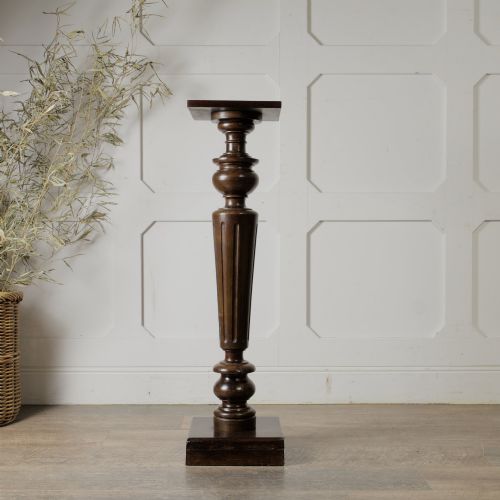
Artisanal touches such as hand-turned columns, crisp chip-carving, and genuine period inlay separate standard utilitarian stands from more ambitious cabinetmaker productions. Integrity of the original timber surface, whether polished mahogany or original paint, preserves the character of the object.
Hindley and Sons·Druce & Co London
The Vintage Wooden Plant Stand Glossary
- Torchere
- A tall, slender stand designed to hold a light source or an ornamental plant. These pieces provide vertical emphasis in a corner or beside seating.
- Jardiniere
- A large ornamental pot or stand intended for holding plants or flowers. The term often describes stands built with waterproof liners or raised galleries.
- Barley twist
- A woodworking technique creating a spiral column resembling a twisted rope. This turned detail appears frequently on Edwardian oak supports.
- Occasional table
- A small, movable table used for specific, temporary purposes such as holding a lamp or a plant. These versatile items adapt easily to different rooms.
- Etagere
- A piece of furniture consisting of a set of open shelves for displaying small objects. Multi-tiered plant stands share this tiered shelving structure.
Vintage Wooden Plant Stand: Frequently Asked Questions
What is a plant stand used for?
These stands elevate potted plants off the floor to catch better light and create varying heights within interior spaces.
Historically, they also protected delicate flooring from water damage and mud associated with indoor potted greenery.
How do I date an Edwardian plant stand?
Edwardian pieces often feature lighter woods like satinwood or mahogany, alongside Arts and Crafts influences and simpler geometric inlay.
Makers of this era frequently combined traditional turning techniques with transitional styles bridging Victorian heaviness and twentieth-century simplicity.
Where should I place a torchere stand?
Tall torchere stands work well in empty corners, framing doorways, or beside larger pieces of furniture to break up horizontal lines.
Their narrow footprint allows them to occupy minimal floor space while adding significant vertical presence to a room.
Can these stands support heavy pots?
Solid hardwood construction in oak and mahogany provides the structural strength needed for substantial ceramic planters.
Tripod bases and wide column designs offer inherent stability when supporting heavy or top-heavy botanical arrangements.