




Vintage Workshop Stool
A vintage workshop stool is a sturdy seating form built for manual labour, combining heavy metal bases with timber tops.
Vintage Workshop Stool
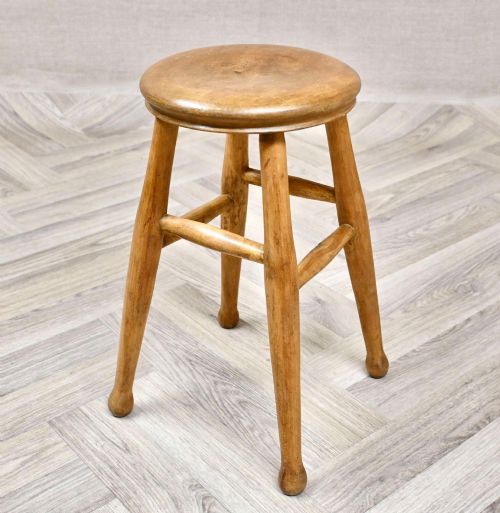
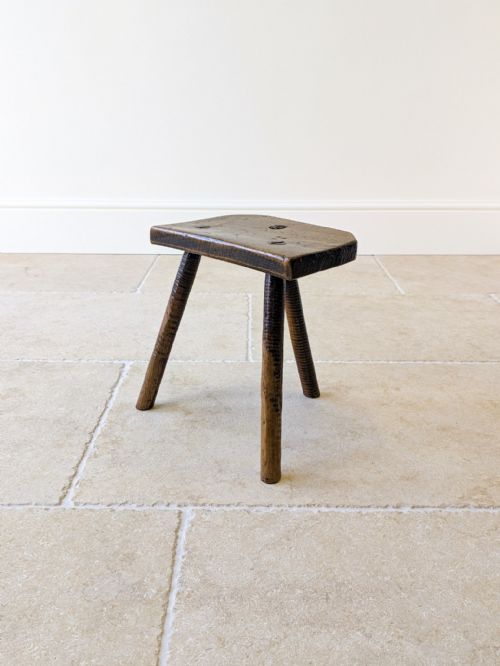
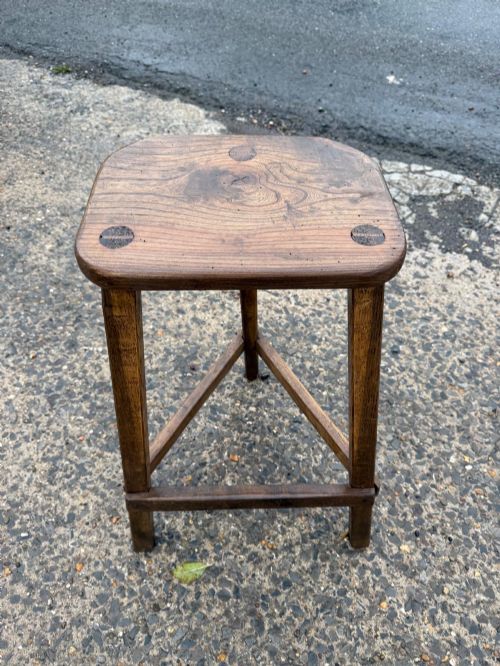
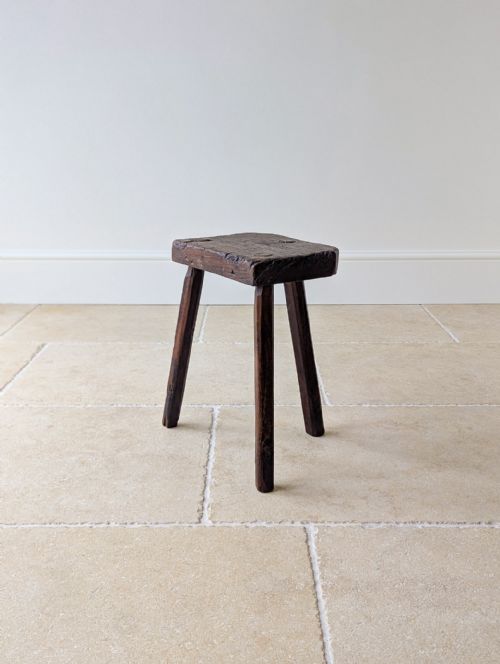
A vintage workshop stool provides utilitarian seating designed for factories, mills, and craft trades during the nineteenth and twentieth centuries. These pieces appear in forms such as machinist stools, jeweller's seats, and high counter stools.
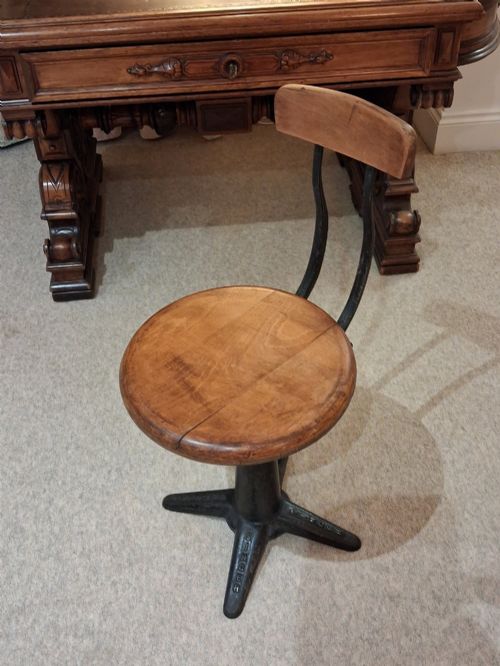
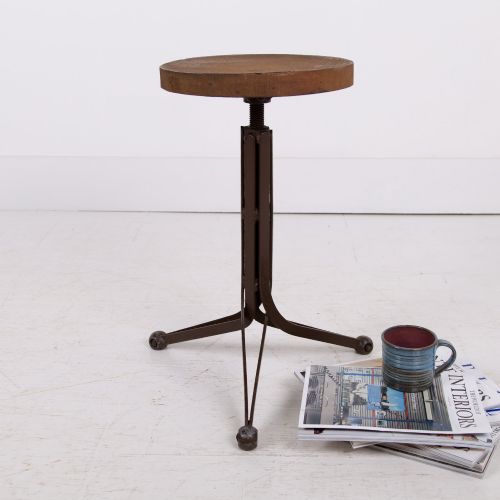
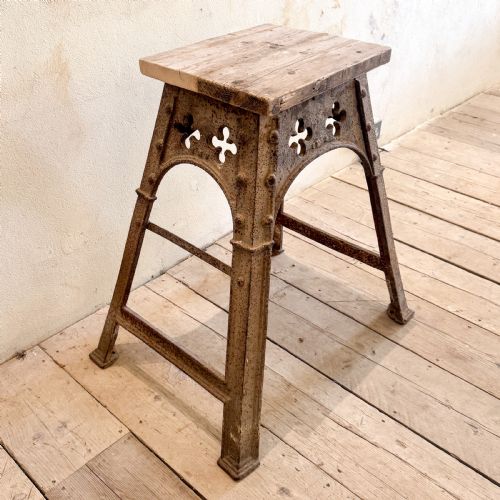
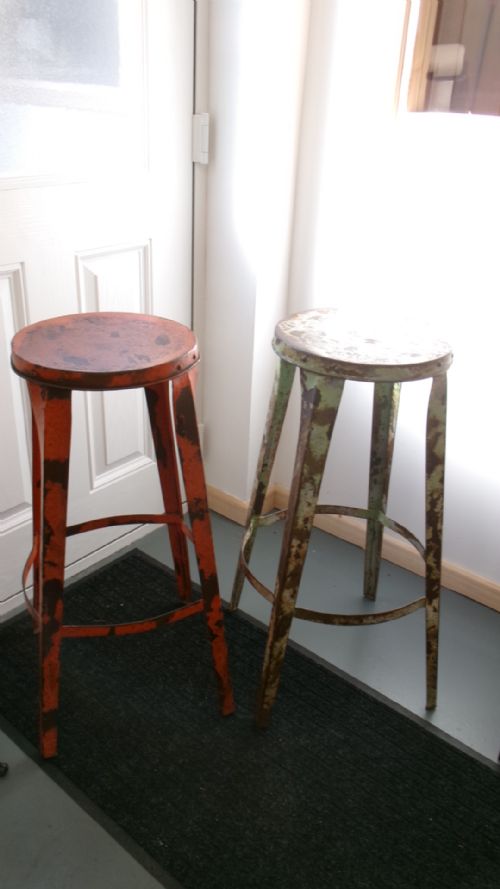
The selection on this page ranges from nineteenth-century mill worker seats and Victorian examples to 1930s industrial workshop items. Common formats include revolving wooden tops mounted on heavy iron bases and riveted metal bar stools.
Buyers look for authentic signs of utility, such as adjustable screws and timber seats bearing the marks of trade use. The most frequent varieties originate from the Victorian era up to the nineteen-thirties.
How they were made
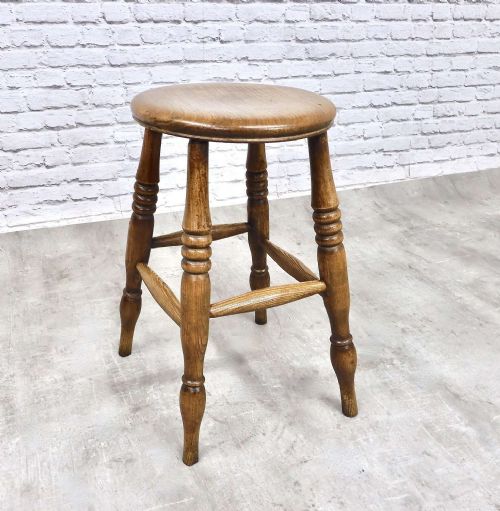
Makers built these seats using robust structural materials like cast iron, steel, and heavy timber such as elm, ash, oak, and pitch pine. Iron frames provided stable, heavy foundations while wooden seats offered durable surfaces for daily trade work.
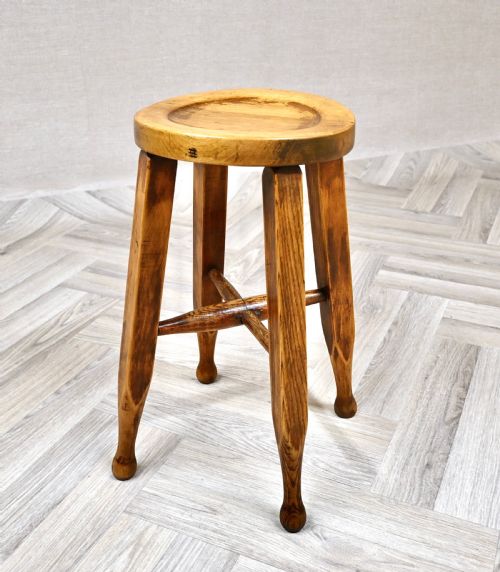
Construction techniques prioritised function and longevity over ornament, utilising riveted metal joints and threaded height-adjustment spindles. Wood components were frequently shaped with simple concave dips to suit long hours of seated labour.
Vintage Workshop Stool Retail Price Guide 2026
Typical asking prices for vintage workshop stool among the pieces listed under this phrase on Sellingantiques today, from the lower quarter to the upper quarter. They describe what is for sale here now, not the wider market.
Listings feature workshop seating spanning the nineteenth century through to the nineteen-thirties, utilising cast iron, steel, elm, oak, and beech.
What varies in quality
Quality in a vintage workshop stool rests on the integrity of the mechanism and the choice of materials. Cast iron bases with maker's markings or complex adjustment screws demonstrate higher manufacturing ambition than simple fixed frames.
The condition of the timber seat also separates standard utilitarian items from finer examples fashioned with figured elm or ash. Retaining original surface patination without excessive modern intervention preserves the character of the piece.
Rubery Owen·Omersa·Liberty's·Singer·Evertaut
The Vintage Workshop Stool Glossary
- Machinist stool
- A heavy industrial seat designed for factory workers operating machinery. These often feature iron tripod or four-legged bases with adjustable height mechanisms.
- Cast iron
- An iron-carbon alloy poured into moulds to create rigid, heavy machine bases. It forms the structural foundation for many nineteenth and twentieth-century industrial seats.
- Pitch pine
- A durable, resinous softwood frequently utilised for workshop seating tops. It withstands heavy trade use and acquires a deep tone over decades.
- Revolving stool
- A seat featuring a threaded spindle or pivot allowing the top to turn. This mechanical feature enabled workers to adjust height or pivot easily during tasks.
Vintage Workshop Stool: Frequently Asked Questions
How do I date a workshop stool?
Dating relies on examining the manufacturing techniques, materials, and any visible maker's marks or patent details on the iron components.
Nineteenth-century examples often feature hand-forged elements or early cast iron designs, whereas pieces from the nineteen-thirties introduce standardised steel pressings and distinct mechanical adjustments.
Were these stools used only in factories?
While many originated in heavy industry, mills, and machine shops, similar high stools served in jewellers' benches, drawing offices, and laboratories.
Specialist trades required specific heights and swivel functions tailored to precision handwork rather than heavy manufacturing.
Are wooden seats comfortable?
Timber seats on these stools were shaped with a shallow concave depression to provide basic ergonomic support during long shifts.
They lack upholstery, relying instead on the natural contouring of the wood to suit the user over extended periods.
Can I adjust the height on these stools?
Many industrial stools include a central threaded screw mechanism that allows the wooden top to be wound up or down.
Other variants remain at a fixed height, designed specifically for high benches or drawing tables.