


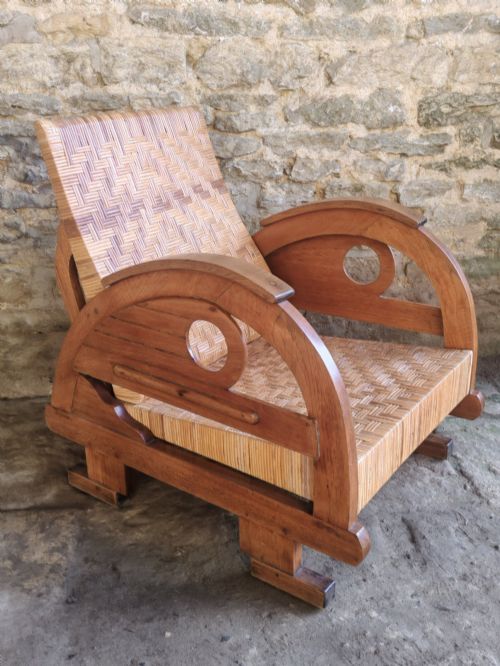


Art Deco Wooden Seat
An art deco wooden seat brings architectural geometry and striking grain into a room, offering both practical seating and strong period character.
Art Deco Wooden Seat
An art deco wooden seat encompasses a range of functional furniture forms designed during the early decades of the twentieth century. These pieces combine geometric lines with visible timber surfaces to create a distinct aesthetic suited to period and modern interiors alike.
The selections available here lean heavily toward seating designed for specific domestic spaces, ranging from occasional armchairs to piano and dressing stools. Buyers encounter items originating from the nineteen-tens through to the nineteen-thirties, reflecting an evolution in domestic comfort.
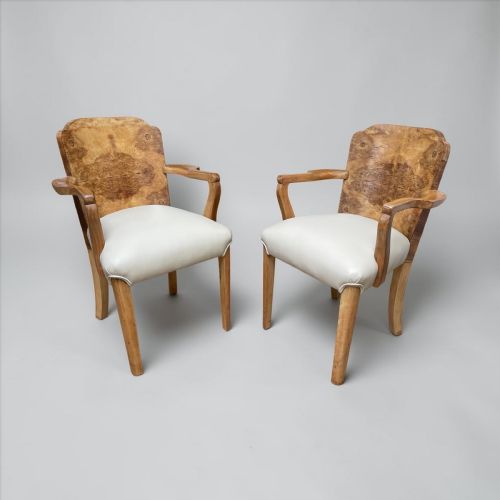
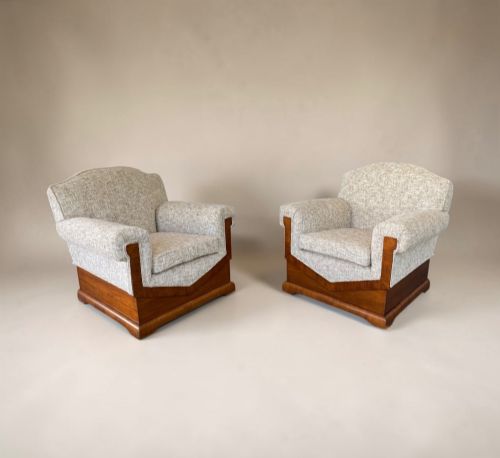
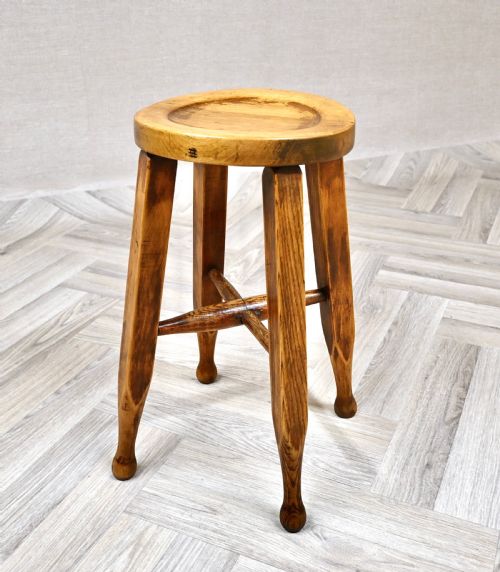
Armchairs and lounge chairs dominate the larger seating options, often constructed to provide deep seating with prominent wooden frames or upholstered elements. Stools provide smaller alternatives, including drum shapes with storage and long duet music seats.
Materials and construction
Maker construction relies heavily on native and decorative hardwoods, with oak, walnut, and burr walnut chosen for their durability and striking grain patterns. Artisans also utilised exotic veneers like bird's eye maple to add visual depth to flat surfaces.
Upholstery materials such as leather, velvet, and rattan integrate directly with the wooden frames to provide contrast and texture. Leather and velvet offer a softer surface against polished wood, while woven rattan introduces lighter linear elements.
Art Deco Wooden Seat Retail Price Guide 2026
Typical asking prices for art deco wooden seat among the pieces listed under this phrase on Sellingantiques today, from the lower quarter to the upper quarter. They describe what is for sale here now, not the wider market.
Listings span the decades from nineteen-ten to nineteen-thirty, showcasing oak, walnut, leather, and rattan.
Assessing quality in period seating
Quality reveals itself through the selection of timber veneers and the precision of the joinery shaping the frame. Superior examples display carefully matched grain patterns that wrap symmetrically around curved drums or arm supports.
The integration of secondary materials like leather and metal hardware also separates standard production from finer workshop pieces. Well-executed upholstery work that complements rather than conceals the underlying wooden structure indicates higher manufacturing standards.
Harry & Lou Epstein
The Art Deco Wooden Seat Glossary
- Burr walnut
- A figured wood grain taken from the wart or burl of a walnut tree. This material produces intricate, swirling patterns highly prized for decorative furniture panels.
- Duet stool
- An elongated seat designed for two people to sit side by side. These forms frequently appear in musical contexts for piano players.
- Rattan
- A vine-like palm material woven into open mesh patterns. Makers utilise this light substance for chair backs and panels to introduce textural contrast.
- Drum stool
- A cylindrical seating form resembling a drum. English makers often incorporated hinged lids into these shapes to provide hidden interior storage.
Art Deco Wooden Seat: Frequently Asked Questions
What rooms suit an art deco wooden seat?
These pieces fit naturally into living rooms, dressing rooms, and studies where geometric period character adds focal weight.
Smaller stool variants work effectively as occasional perches or vanity seating, while larger armchairs anchor a seating arrangement.
How do I care for leather and wood?
Maintenance involves applying appropriate nourishing wax to timber surfaces to prevent the grain from drying out over time.
Leather upholstery benefits from gentle cleaning and conditioning to maintain flexibility without altering its original surface finish.
Are these seats comfortable for daily use?
Most lounge chairs and club chairs provide deep, supportive angles designed for relaxation in domestic environments.
Stools serve shorter durations, though padded leather or velvet tops ensure adequate comfort for vanity or musical use.
How do I identify nineteen-thirties pieces?
Design markers include streamlined geometric silhouettes, waterfall edges, and the prominent display of figured veneers like walnut.
Construction methods from this decade also favour sturdy hardwood frames combined with modern textiles of the period.