
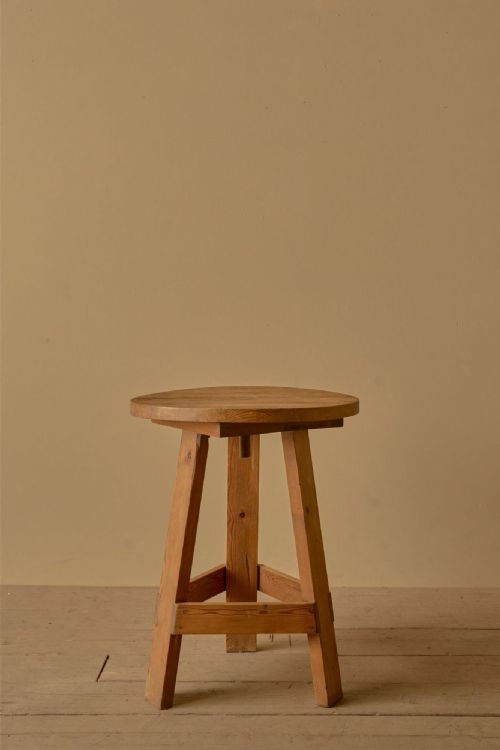
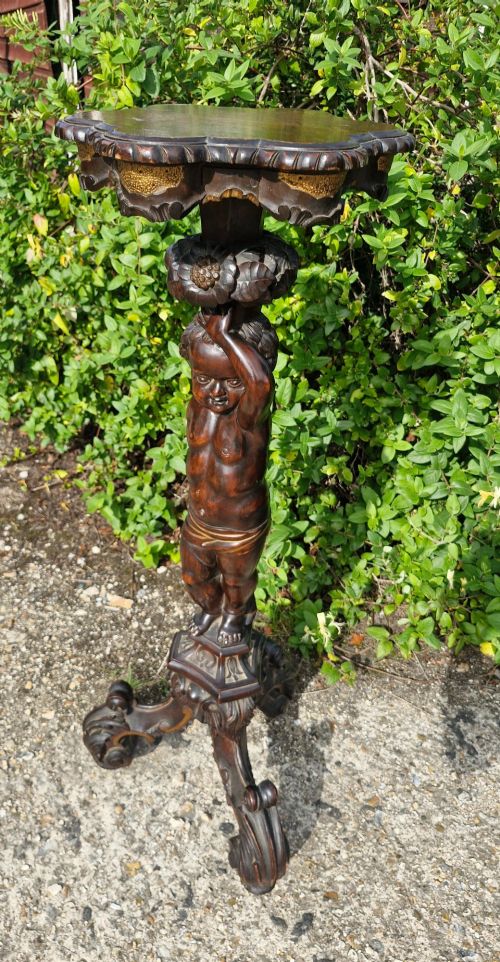
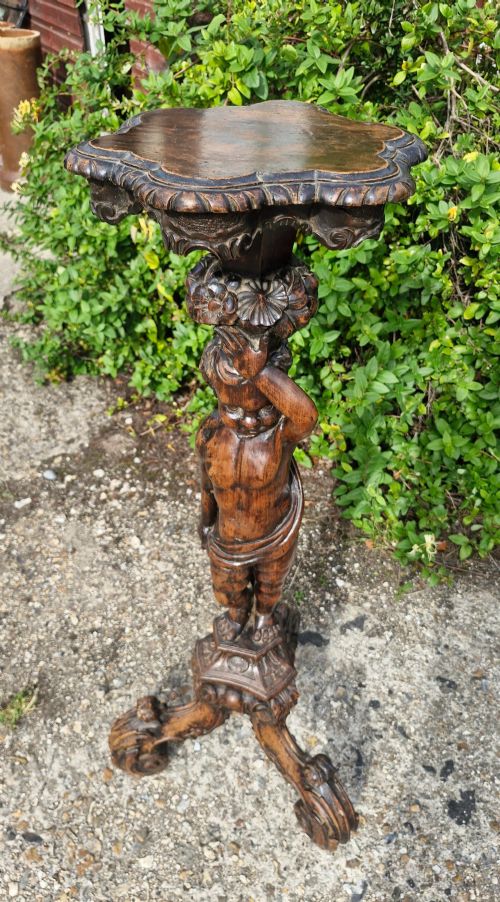
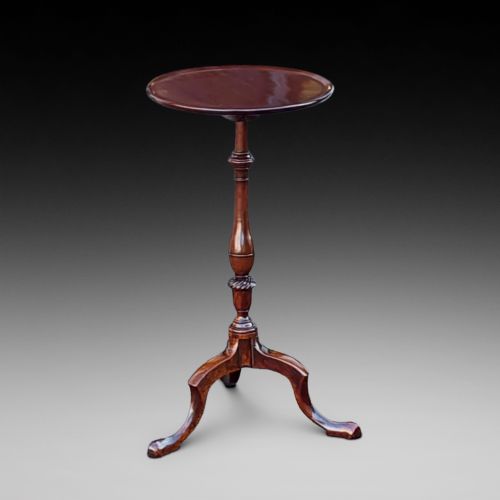
Vintage Wooden Pedestal Stand
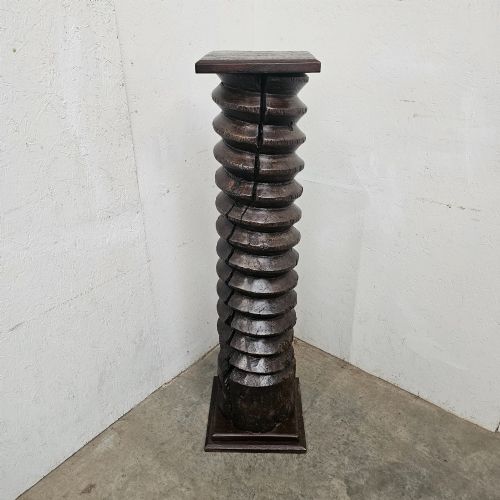
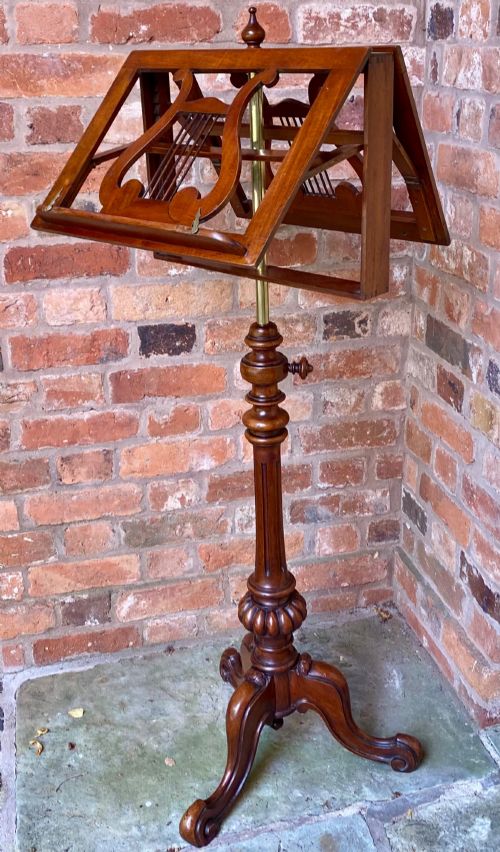
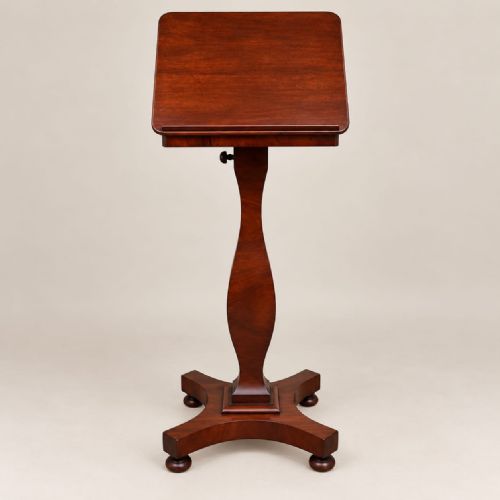
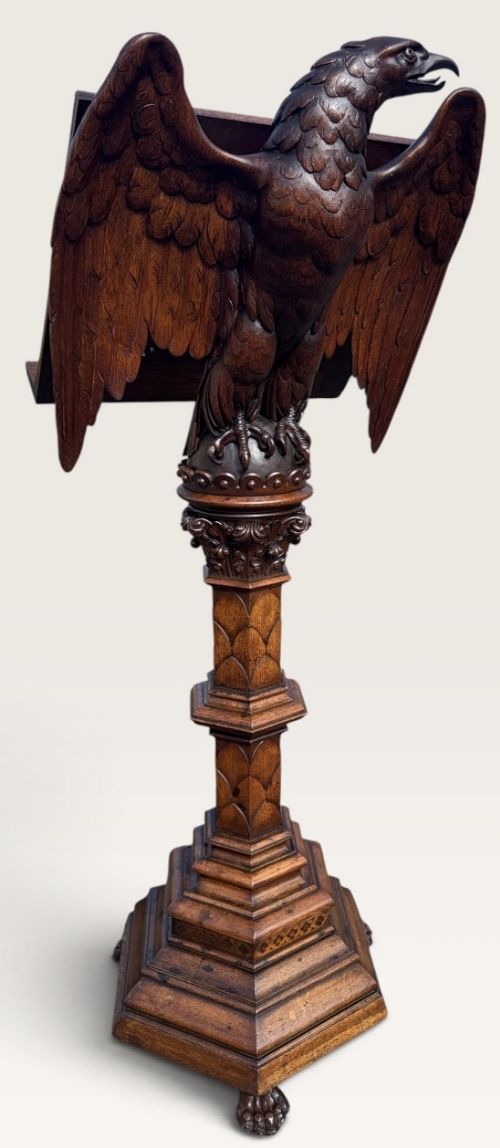
A vintage wooden pedestal stand elevates a cherished plant, bust or lamp, bringing height and architectural interest to any corner.
Vintage Wooden Pedestal Stand
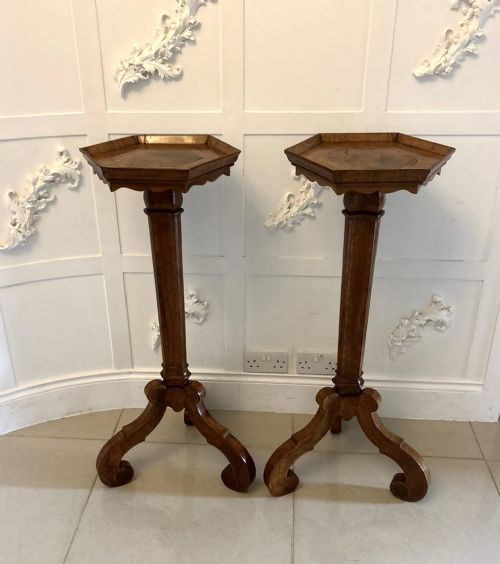
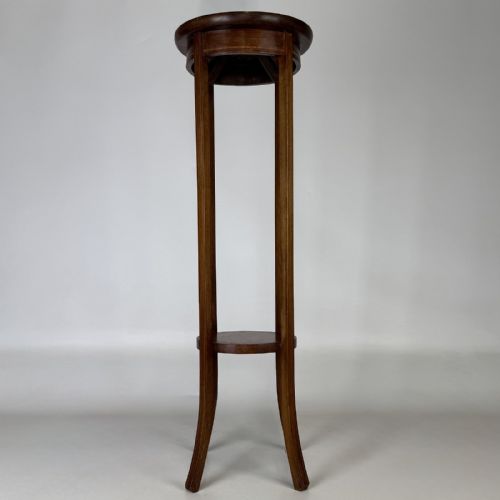
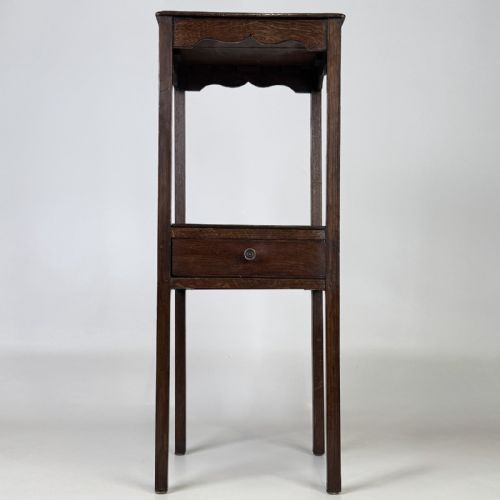
A vintage wooden pedestal stand serves primarily to elevate decorative objects, plants, lamps and busts within a room. When exploring this selection, buyers encounter formats ranging from tall torchères and column display pedestals to plant stands and jardinière holders.
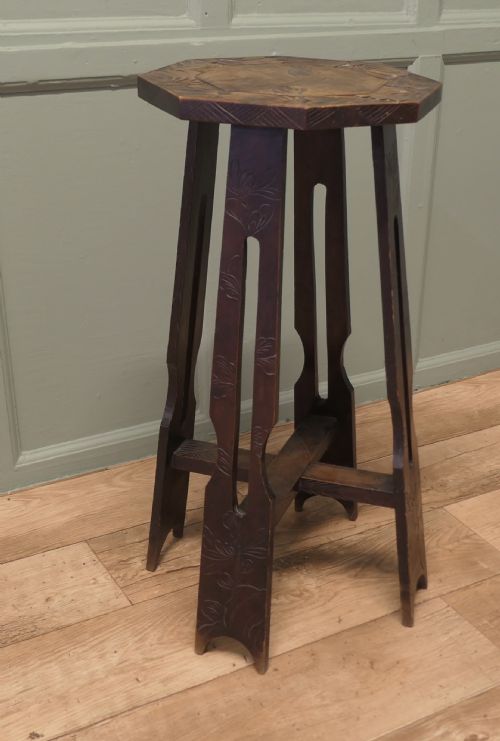
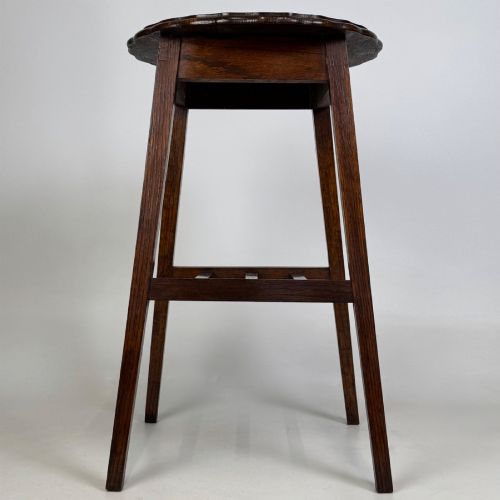
The pieces available span multiple eras, with Edwardian mahogany designs and sturdy oak Arts and Crafts creations appearing frequently alongside earlier 19th-century and Georgian examples. These items function as versatile display furniture, utilising vertical space efficiently in domestic interiors.
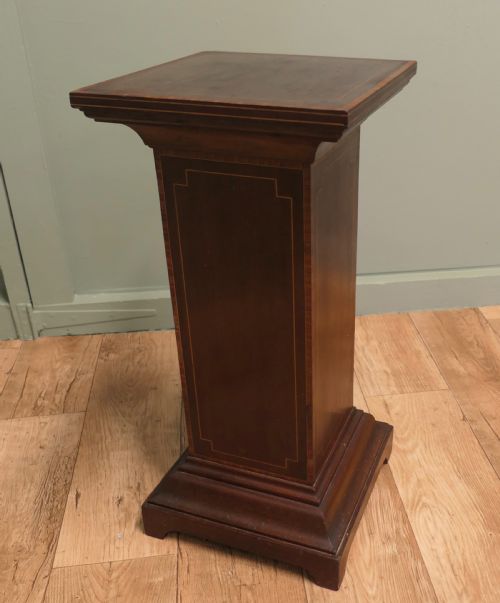
Makers and regional workshops produced diverse iterations, from plain turned plinths in solid mahogany to inlaid satinwood columns and painted surfaces. Each configuration fulfills a specific display purpose while reflecting the prevailing aesthetic of its period.
Materials and construction methods
Cabinetmakers constructed these stands predominantly in hardwoods such as mahogany, oak, walnut and satinwood, occasionally incorporating brass details or applying original paint. Timber selection dictated the structural stability required for supporting heavy planters or marble busts on narrow bases.
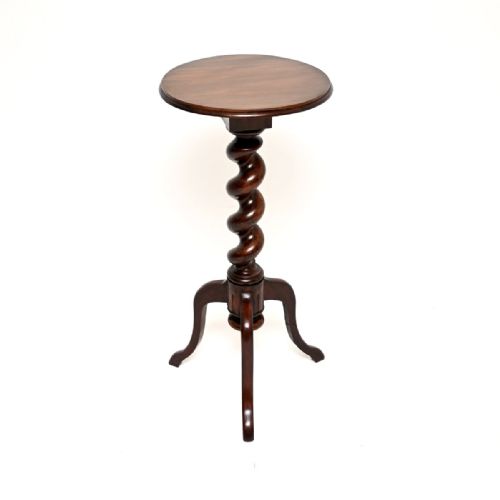
Joining techniques combined traditional turning, carving, and sometimes inlaid marquetry or barley twist detailing, particularly visible in Edwardian and Arts and Crafts examples. Finished surfaces display French polishing, wax finishes or painted treatments that highlight the grain and decorative carving of the wood.
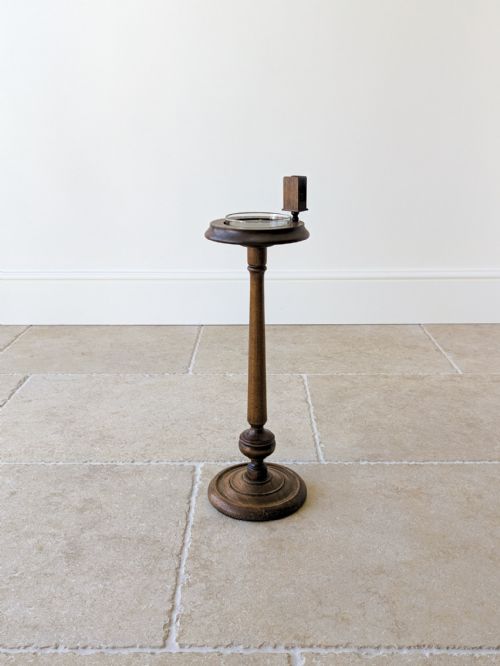
Some Edwardian stands doubled as smoking stations complete with built-in ash trays, catering to a very different parlour habit.
Distinguishing quality in stands
Quality reveals itself in the weight and stability of the base, the crispness of hand-carved details, and the selection of figured timber veneers. Superior examples maintain strict vertical alignment without wobble, ensuring safe elevation for heavy ornamental items.
Attention to secondary details, such as precise inlay work, well-turned columns, and original surface patination, separates standard utility pieces from finer decorative commissions. The integrity of the joints and the choice of dense, mature hardwoods dictate the enduring durability of the stand.
Denby and Spinks·Druce and Co London·Shoolbred
The Vintage Wooden Pedestal Stand Glossary
- Torchère
- A tall, slender stand designed specifically to support a lamp, candle or small decorative urn. These pieces originated in the late 17th century and remained popular through the Victorian era.
- Jardinière
- A decorative pot or stand intended for holding plants and flowers indoors. Many include integrated liners or raised platforms to catch drainage water.
- Plinth
- A heavy flat base or lower block serving as a support for a statue, vase, or column. In these listings, plinths provide maximum stability for display items.
- Inlay
- A decorative technique where contrasting woods or materials like satinwood are inserted into recesses in the primary wood surface. This creates flat, ornamental patterns across tabletops and columns.
- Barley twist
- A woodworking technique where the timber is turned into a spiral column resembling a twisted rope. This style appears frequently on Edwardian oak furniture and supports.
Vintage Wooden Pedestal Stand: Frequently Asked Questions
What was a pedestal stand originally used for?
These stands functioned mainly to elevate lighting, decorative urns, and exotic indoor plants to eye level within formal rooms. Wealthy households utilised them in halls and drawing rooms to display sculptural art and ornamental ceramics.
Over time, smaller versions found practical roles beside seating as side tables or wine stands. Their primary purpose remained architectural elevation rather than heavy daily service.
Will a tall stand support a heavy plant?
Solid hardwood construction with a wide, weighted base handles heavy planters securely if the weight sits directly centered. Lighter decorative columns suited for busts require careful balancing to prevent tipping.
Inspect the joinery where the shaft meets the base to confirm structural soundness before placing heavy ceramic pots on top.
How do I distinguish Edwardian from Victorian stands?
Victorian examples often feature heavier carved mahogany or dark oak with substantial proportions and ornate classical revival detailing. Edwardian pieces tend to display lighter framing, satinwood inlay, and simpler geometric forms influenced by the Arts and Crafts movement.
Looking at the timber grain and secondary woods underneath usually clarifies the manufacturing decade.