





Carved Mahogany Flower Stand
A carved mahogany flower stand brings botanical display and sculptural timberwork together in a single traditional form.
Carved Mahogany Flower Stand
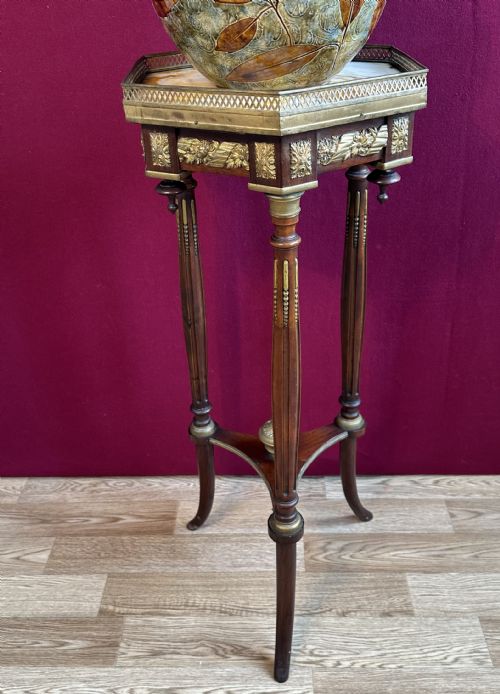
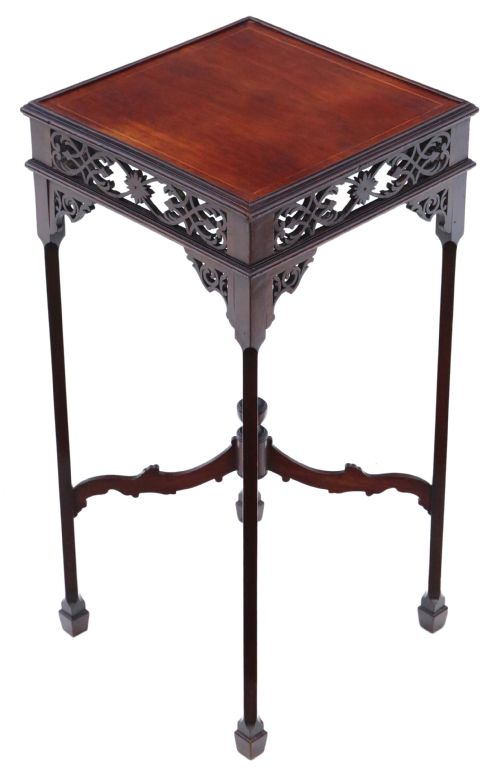
A carved mahogany flower stand serves as an elevated platform for potted plants, vases, and decorative urns within a room. When you search for a carved mahogany flower stand, you encounter varied forms including tall torchères, low jardinière tables, and tripod occasional stands. The examples documented here span the nineteenth and twentieth centuries, incorporating Victorian, Edwardian, and Regency periods alongside Chinese export and revival styles.
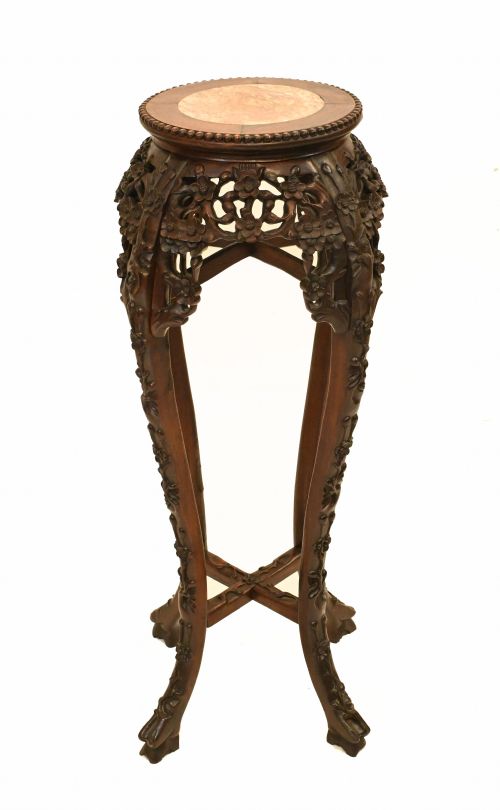
Most pieces balance utilitarian strength with decorative carving upon the timber frame. You meet square, rectangular, and round tops, frequently paired with slender legs and carved aprons. The selection ranges from British cabinetmaker pieces to Asian hardwood and hongmu furniture imported during the period.
How they were made
Maker workshops utilised dense timbers including mahogany, rosewood, hardwood, and hongmu to construct durable stands capable of supporting heavy ceramic planters. Artisans shaped these materials using traditional joinery methods, turning central columns and carving intricate foliage or geometric patterns by hand. Selected surfaces received applied lacquer finishes or inset marble panels to protect against moisture from watering plants.
Metal components such as brass fittings occasionally appeared on specific revival or transitional models to reinforce joints or embellish feet. The combination of seasoned timber and deliberate hand-carving produced stable structures designed to withstand daily domestic use in nineteenth-century interiors.
Some Victorian plants stood higher than the guests admiring them.
What varies in quality
Quality rests upon the crispness of the hand-carving and the selection of the timber grain. Finer stands display deep, undercut carving on the legs and aprons, whereas simpler versions rely on shallow mouldings. The density and finish of the mahogany or hardwood dictate the overall durability and visual weight of the piece.
Construction methods also separate standard production items from workshop pieces. Solid timber joints, well-fitted marble inserts, and stable tripod or four-pillar bases indicate superior craftsmanship during manufacture.
The Carved Mahogany Flower Stand Glossary
- Torchère
- A tall, slender stand designed specifically to elevate a light source, plant, or decorative object. These pieces feature a small upper platform supported by a single central pillar or three slender legs.
- Jardinière stand
- A low table or pedestal intended to hold a ceramic flower pot or plant container. The tops frequently incorporate water-resistant surfaces such as marble or treated wood.
- Goncalo alves
- A dense exotic hardwood with distinctive figuring, utilised in certain Regency furniture pieces for its rich colour and durability. It provides a striking surface pattern on specific occasional tables.
- Pie crust table
- An occasional table featuring a raised, carved rim shaped in undulating curves resembling pastry work. This decorative edge prevents items from sliding off the top surface.
Carved Mahogany Flower Stand: Frequently Asked Questions
What is a carved mahogany flower stand used for?
These stands serve primarily to elevate potted plants, flower arrangements, or decorative vases above floor level to improve visibility and protect interior surfaces.
Historically, they occupied corners and window spaces in Victorian and Edwardian reception rooms to display botanical specimens within the living space.
How do I identify a Victorian plant stand?
Victorian examples generally date from the mid to late nineteenth century and employ dense timbers like mahogany, walnut, or rosewood with dark finishes.
They often feature turned columns, carved tripod bases, or floral relief work reflecting the revival styles popular during that era.
Are Chinese hardwood stands considered flower stands?
Chinese export and domestic workshops produced numerous hardwood pot stands, jardiniere tables, and torchères specifically designed for plant display.
These pieces frequently incorporate marble tops, pierced aprons, and traditional carving distinct from British cabinet furniture while serving the same functional purpose.
Where should I place a flower stand at home?
A flower stand fits well in corners, beside seating furniture, or near light sources where a potted plant receives adequate illumination.
Ensure the floor surface is level, particularly with tripod designs, to maintain stability when supporting heavy ceramic planters.