
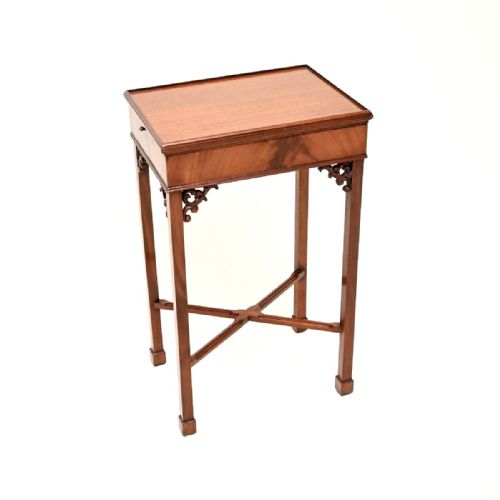
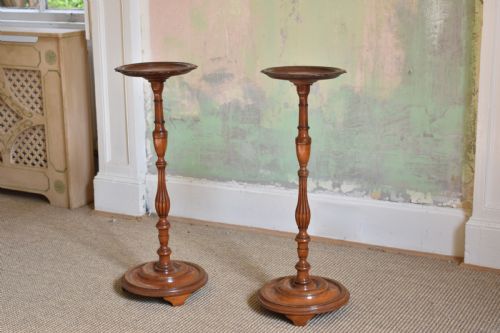
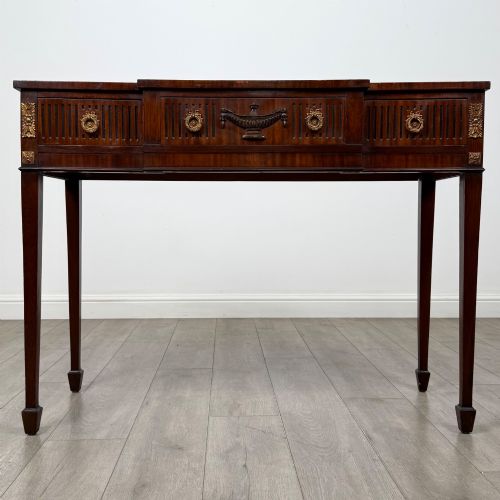
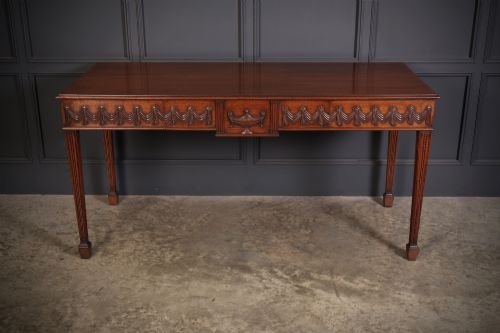


Georgian Style Urn Table
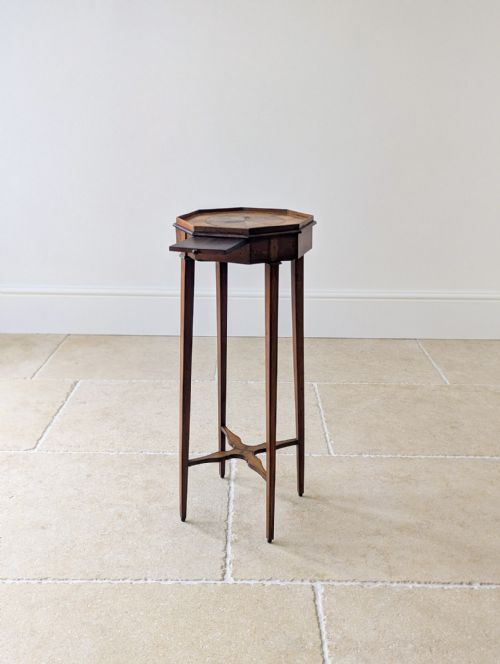
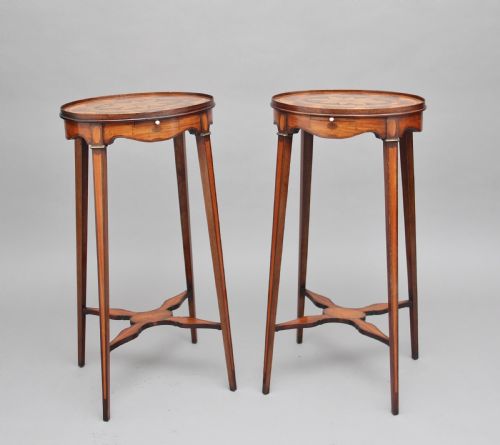
These georgian style urn table pieces are compact stands designed for display, bringing neoclassical elegance and fine mahogany timbers into a room.
Georgian Style Urn Table
When you search for georgian style urn table, you encounter small stands and occasional tables rooted in the eighteenth century. The selection ranges from authentic George III pieces to later revivals from the Edwardian era and the twentieth century.
Makers produced these forms primarily as urn stands, kettle stands, and plant stands. They serve today as lamp tables or decorative accents in sitting rooms and halls.
How They Were Made
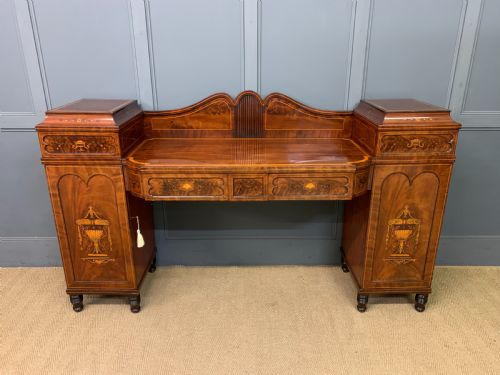
Craftsmen built these tables using solid mahogany and satinwood, frequently enhanced with boxwood inlay and brass mounts. Artisans applied carving in the Chippendale and Adam manners to shape legs and borders.
Workshops utilised timber preparation and detailed joinery to create stable pedestal bases and slender legs. Surface decoration relied on contrasting veneers rather than heavy structural changes.
Several stands double happily as plant holders, allowing ferns to enjoy the neoclassical spotlight.
What Varies in Quality
Quality rests upon the crispness of the carving and the depth of the timber figure. Finer examples display precise inlay work and well-balanced proportions.
Simpler tables rely on plain mahogany without secondary woods or carved detail. The distinction lies in the fidelity to neoclassical design and the execution of the woodwork.
Comyns
The Georgian Style Urn Table Glossary
- Urn Stand
- A small, tall table specifically designed to hold a tea urn. These pieces often feature pull-out slides for cups.
- Inlay
- A technique where pieces of contrasting wood like satinwood or boxwood are inserted into a recessed surface to form a pattern.
- Neoclassical
- A design style inspired by classical antiquity that revival pieces frequently imitate. It favours symmetry, straight lines and restrained ornamentation.
- Pedestal Base
- A central column supporting the tabletop, often dividing into three or four carved legs. This construction maximises legroom around small stands.
- Chippendale Revival
- A late nineteenth or early twentieth-century movement recreating mid-eighteenth-century English furniture designs. It incorporates carved ribbon backs and cabriole legs.
Georgian Style Urn Table: Frequently Asked Questions
What is a georgian style urn table used for?
These tables were originally created to support heated water urns or tea kettles during formal dining and drawing room gatherings. Their compact tops and raised galleries kept heated vessels safely elevated above fine furniture.
Today, they function well as lamp tables, plant stands, or occasional tables beside seating. Their slender proportions allow them to fit into corners and small spaces where larger tables will not go.
How do I date a revival piece?
Revival pieces from the Edwardian period or the twentieth century often display machine-sawn timber marks and standardised secondary woods. Examining the underside and interior joints reveals the manufacturing methods of later workshops.
Comparing the decorative carving to documented eighteenth-century examples highlights stylistic differences. Revival makers sometimes reinterpreted neoclassical motifs with broader proportions or simpler execution.
Are these tables solid mahogany?
Many examples utilise solid mahogany for structural elements like legs and columns, while tabletops frequently feature mahogany or satinwood veneers laid over secondary wood bases. This construction method prevented warping across wider surfaces.
Inlay work incorporates contrasting timbers such as boxwood and satinwood. Inspecting the edge grain helps distinguish between solid boards and veneered surfaces.
Where should I place an urn stand?
These tall, narrow stands suit narrow hallways, corners, or spaces beside armchairs where a small surface is useful. Their height makes them effective for displaying table lamps or decorative objects at eye level.
Keep them away from direct heat sources and strong sunlight to protect polish and prevent timber movement. Their light construction means they should stand on level flooring.