

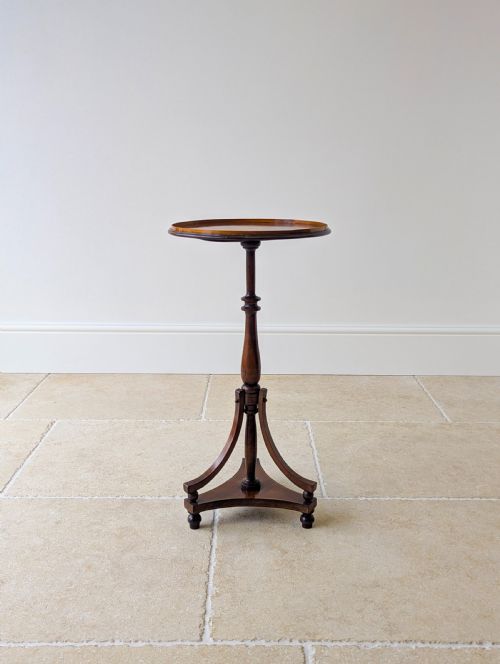


Wooden Pedestal Dish
A wooden pedestal dish serves fruit, holds wine, or elevates a corner, bringing grain and turned form straight into a room.
Wooden Pedestal Dish
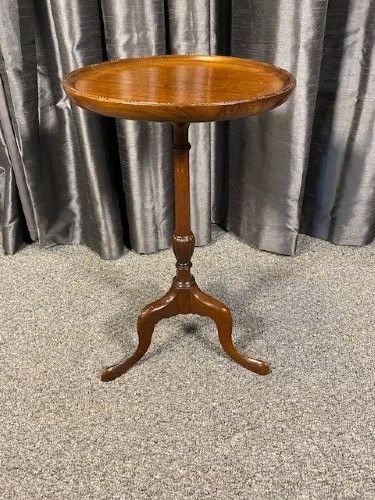
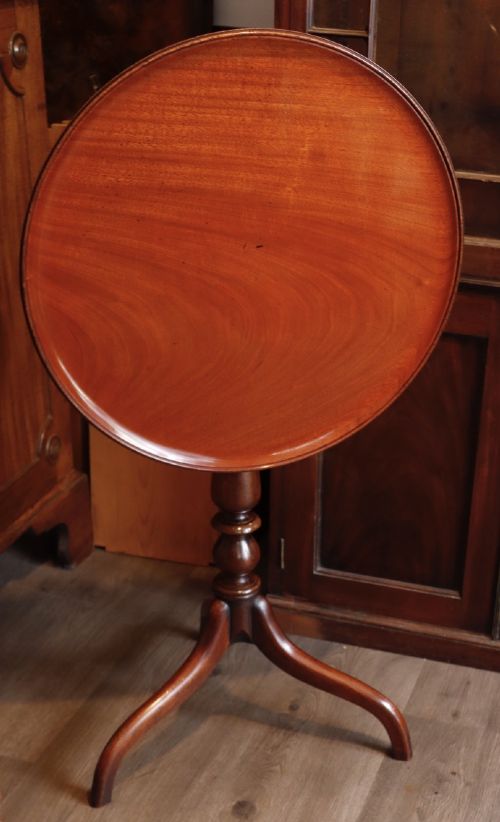
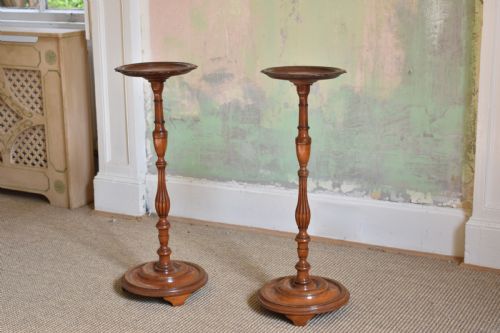
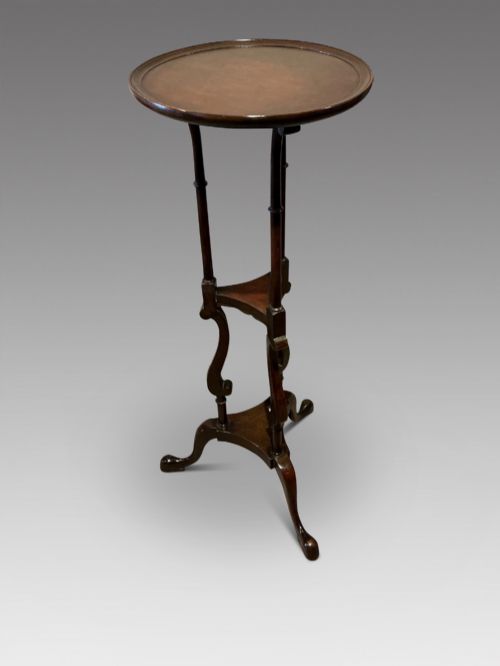
When you search for a wooden pedestal dish, you find a variety of raised vessels, tazzas, bowls, and small tables designed to elevate objects above a surface. These pieces range from compact fruit bowls and carved tazzas to wine tables, torcheres, and small stands.
You are most likely to meet mahogany, oak, and walnut examples spanning the Georgian period, the nineteenth century, and the early decades of the twentieth century. Forms vary from simple turned treen bowls to inlaid satinwood tables and heavily carved Italian or Chinese pieces.
The assortment reflects domestic utility and display from different eras, uniting functional serveware with decorative stands. Each piece relies on a central pedestal or tripod base to lift the dish or surface clear of the furniture below.
How they were made
Craftsmen shaped these items from native and exotic hardwoods including mahogany, oak, walnut, satinwood, and huali wood. Timbers were selected for their grain and weight, providing the stability needed for a raised dish or narrow table.
Turning on a lathe created symmetrical stems, bowls, and tripod bases, while hand chisels brought depth to fruiting vine carvings, putti, and figurative details. Inlaid decoration introduced contrasting light and dark woods into tabletop surfaces and borders.
Carved putti and fruiting vines remind us that historical woodturners loved adding mischievous faces and snacks to everyday household items.
What varies in quality
The distinction between standard utility items and finer examples lies in the ambition of the carving and the choice of timber. Crisp execution of turned profiles and detailed hand carving set superior pieces apart from plain production.
The integration of secondary elements, such as precise wood inlay or balanced tripod leg construction, demonstrates the maker's skill. Age and origin also shape character, with distinct regional styles and historical periods holding particular appeal.
The Wooden Pedestal Dish Glossary
- Tazza
- A shallow bowl or dish mounted on a stem and foot, used for serving fruit or small items. It frequently appears in ceramic or turned wood.
- Torchere
- A tall ornamental stand or candlestick designed to hold a light source or display an object. These pieces utilise slender columns and stable tripod bases.
- Treen
- Small handmade wooden domestic objects such as bowls, spoons, and boxes. The term derives from old terminology meaning made of tree.
- Tilt Top
- A table mechanism allowing the top to pivot to a vertical position when not in use. This conserved space in domestic interiors.
- Dish Top
- A tabletop or plateau featuring a raised, carved, or moulded rim resembling a deep dish. It prevents items from sliding off the elevated surface.
Wooden Pedestal Dish: Frequently Asked Questions
What is a wooden pedestal dish used for?
These pieces serve a mix of practical and display purposes across different domestic settings. Bowls and tazzas hold fruit or small items, while smaller tables and stands elevate decorative objects or support drinks.
The raised design helps items stand out on a surface or brings them to a convenient height beside seating. Many examples combine utility with decorative carving intended to draw the eye.
How do I date a wooden pedestal dish?
Dating relies on observing the wood species, construction methods, and stylistic cues present in the piece. Georgian and nineteenth-century examples often display specific turning techniques, joinery, and decorative motifs characteristic of their era.
Comparing the grain, wear patterns, and finish with documented periods helps narrow down the decade or century of origin. Secondary woods and fastener types also offer clues to the approximate date of manufacture.
Where should I place a pedestal table at home?
These compact tables and stands fit easily beside chairs, in hallways, or as corner accents. Their small footprint makes them useful in spaces where a large surface would crowd the room.
A wine table or torchere can hold a lamp, a small plant, or a cup, while a low pedestal dish sits well on a dining table or sideboard. Positioning depends primarily on the height and reach of the piece relative to surrounding furniture.
How do I care for antique wooden dishes?
Maintenance involves keeping wooden surfaces away from direct heat sources and strong sunlight to prevent drying and fading. Regular dusting with a soft, dry cloth preserves the finish without harming the grain.
Moisture should be avoided, particularly on unsealed interiors or antique polishes. Applying occasional specialist wax helps nourish hardwoods and maintain their lustre over time.