



Vintage Fruit Tazza
These vintage fruit tazza pieces elevate any table, offering raised bowls designed to display fruit with architectural elegance.
Vintage Fruit Tazza
A vintage fruit tazza serves as an elevated pedestal bowl designed specifically for displaying fruit upon a dining table or sideboard. These pieces combine decorative presence with functional utility, taking the form of footed dishes, compotes, and centrepiece bowls.
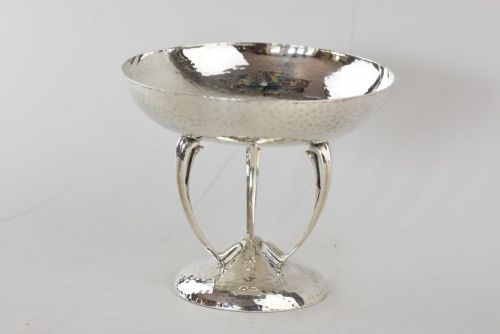
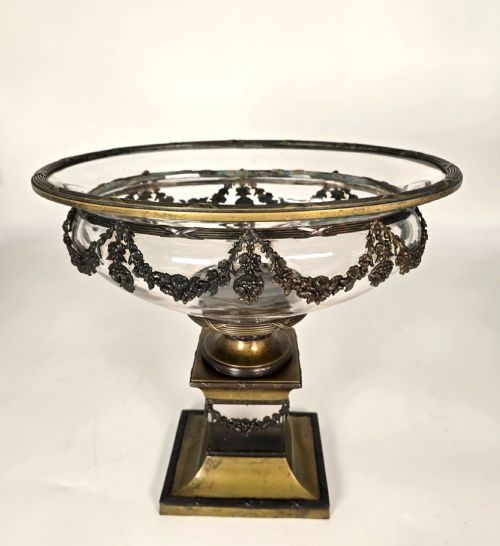
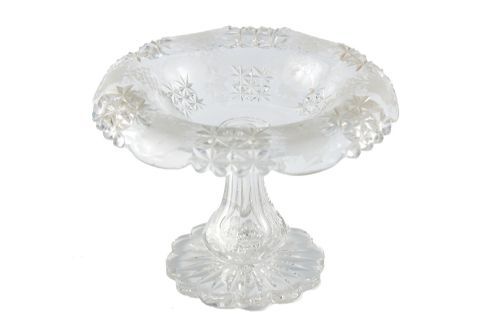
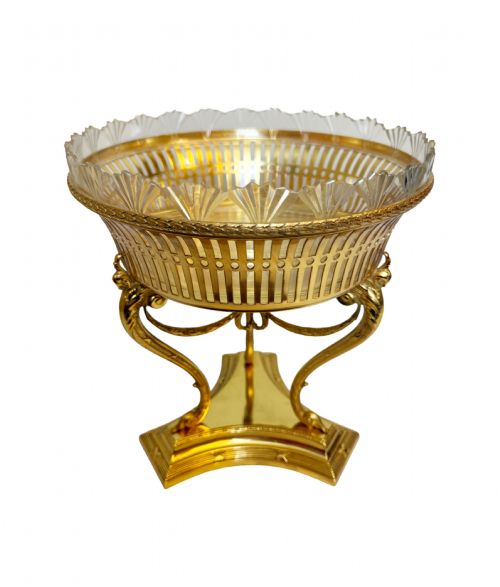
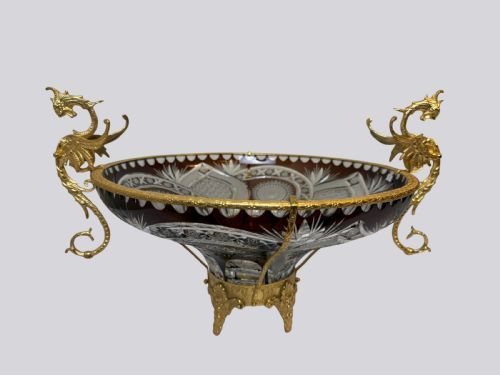
The selection ranges from early nineteenth-century Regency brass platters to Art Deco oak and glass designs from the nineteen-thirties. Buyers frequently encounter Victorian and Edwardian examples featuring cut glass, silver plate, and gilt bronze mounts.
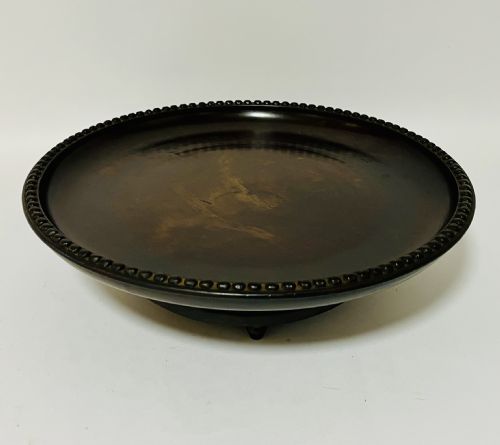
Styles span from ornate French Second Empire and Neoclassical mountings to austere Arts and Crafts hammered copper and Swiss folk art woodwork. Each object brings a distinct architectural silhouette to domestic interiors through its raised pedestal form.
Materials and construction
Makers utilised a combination of cast metals, carved timber, and blown or cut glass to construct these elevated vessels. Gilt bronze, brass, copper, and sterling silver provide the structural armature and decorative mounts for glass inserts and wooden bowls.
Craftsmen applied surface decoration through hand-hammering, acid-etching, and intricate carved foliage such as fruiting vines and grapevines. Metal components were frequently cast and chased before being assembled with threaded rods or secure pins to the central stems.
Materials represented across the collection include cut glass, gilt bronze, brass, oak, sterling silver, and copper.
Distinctions in quality
Quality rests upon the crispness of the casting in bronze and brass elements, alongside the depth and clarity of the hand-cutting in glass vessels. Finer examples display meticulous detailing in chased mounts and secure, balanced pedestal bases that maintain stability under weight.
The choice of materials dictates the upper tier of the range, where heavy solid silver wirework, thick vaseline glass, or substantial carved oak with deep relief carving outrank standard silver plate and pressed glass alternatives. Integration between disparate materials, such as bronze frames securing glass inserts, reveals the maker's precision.
Goldsmiths and Silversmiths Company·W M F·Etling
The Vintage Fruit Tazza Glossary
- Tazza
- An Italian term for a shallow bowl or cup mounted on a stem and foot, used primarily for serving fruit or sweetmeats.
- Compote
- A deep-bowled dish on a stem and foot, frequently interchangeable in period terminology with a tazza or centrepiece.
- Gilt bronze
- Bronze that has been treated with a thin layer of gold, often termedormolu in French decorative arts.
- Vaseline glass
- A type of glass containing uranium dioxide, which produces a characteristic yellow-green fluorescence under ultraviolet light.
- Pedestal
- The architectural base or foot that elevates the main bowl of the tazza above the surface of the table.
Vintage Fruit Tazza: Frequently Asked Questions
What is a fruit tazza used for?
These elevated vessels were traditionally designed to present fruit as a centrepiece during formal dining courses and dessert services. Their raised profile allowed them to sit above surrounding tableware while displaying seasonal produce.
Today, they function primarily as decorative objects or practical fruit bowls within domestic dining rooms and kitchens, adding architectural height to table settings.
How do I date a tazza?
Dating relies upon identifying stylistic markers, manufacturing techniques, and material choices associated with specific periods such as the Regency, Victorian era, or Art Deco movement. Hallmarks on silver or silver-plated components provide precise chronological markers where present.
Additionally, the profile of the pedestal, the method of glass manufacture, and the presence of specific decorative motifs like hammered copper help narrow the period of origin.
Can I use them for daily dining?
Most pieces handle daily use adequately, provided they are treated with appropriate care regarding their age and material composition. Wooden and metal examples endure regular placement of fruit without issue.
However, delicate antique glass inserts and delicate silver plating require gentle hand washing rather than mechanical cleaning to preserve their surfaces.
How do Art Deco and Victorian styles differ?
Victorian and Edwardian tazzas frequently employ ornate naturalistic motifs such as carved fruiting vines, etched grapevines, and heavy cut glass or gilt bronze mounts. These designs lean towards historical revivalism and elaborate surface ornamentation.
Art Deco examples favour streamlined geometry, modernist silhouettes, and industrial materials like chrome, oak, and coloured vaseline glass, reflecting the design ethos of the nineteen-twenties and thirties.