


Vintage Wooden Overmantel
A vintage wooden overmantel anchors a chimney breast with scale and presence, bringing warmth and reflective depth to a room.
Vintage Wooden Overmantel
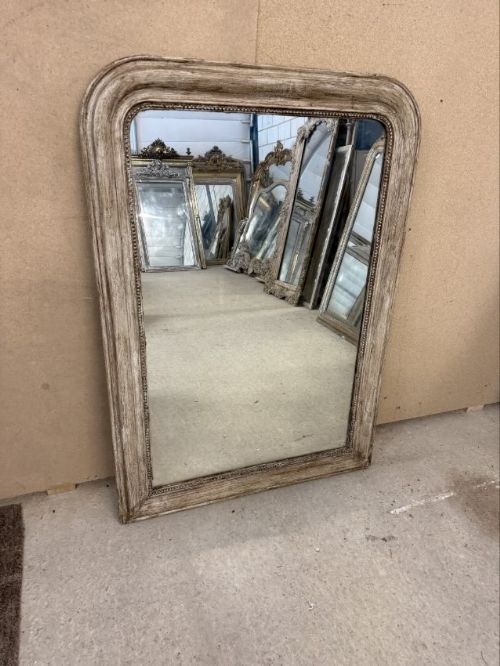
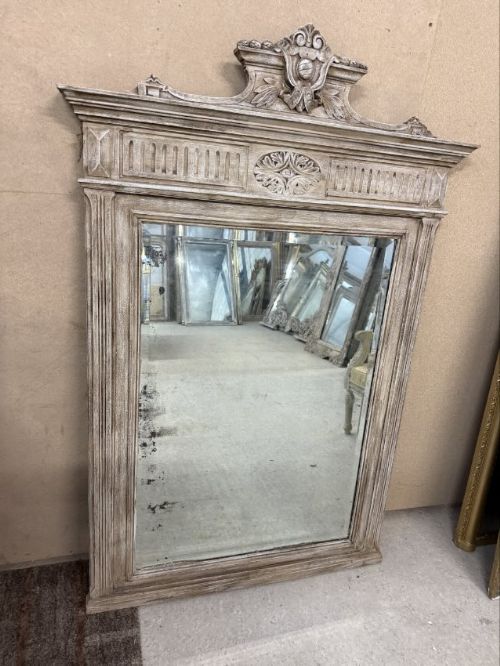
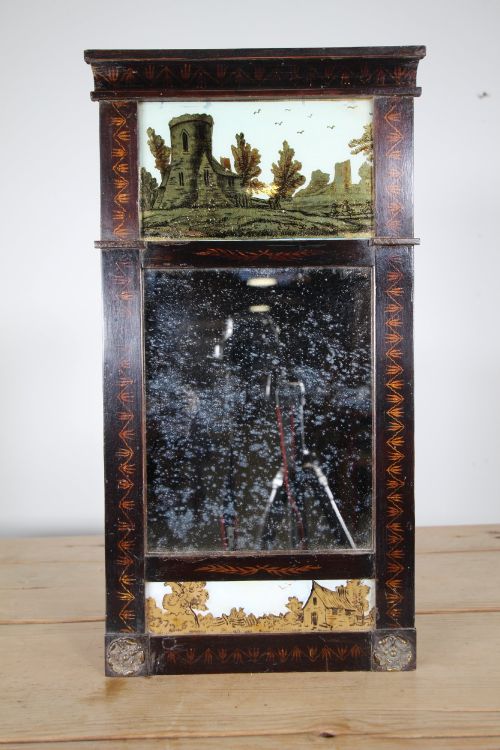
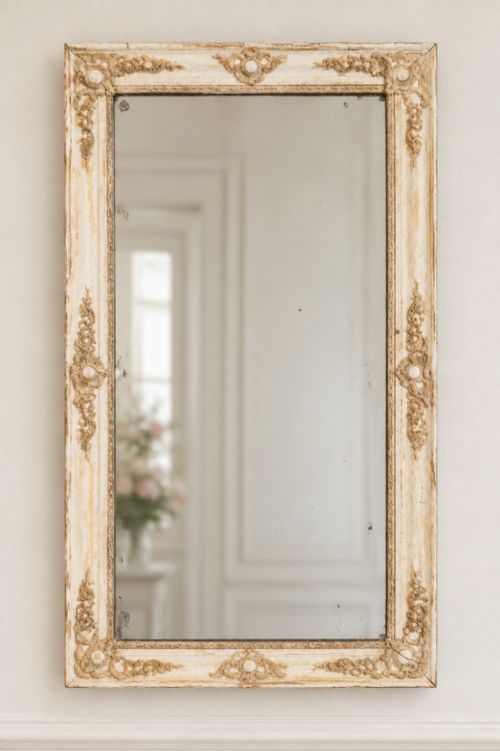
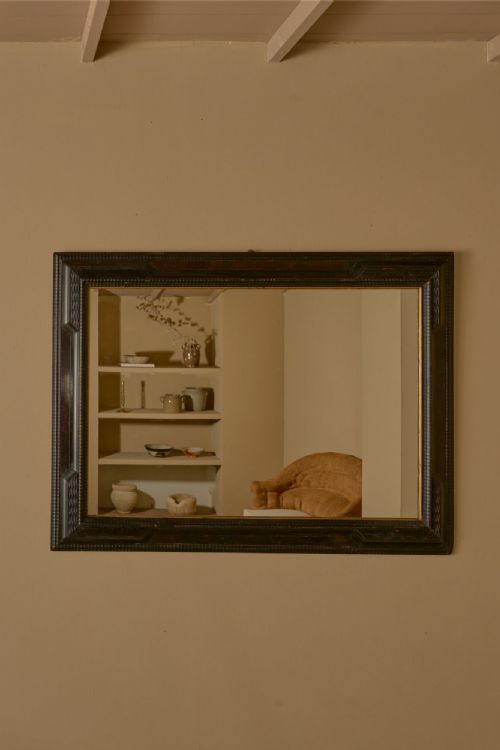
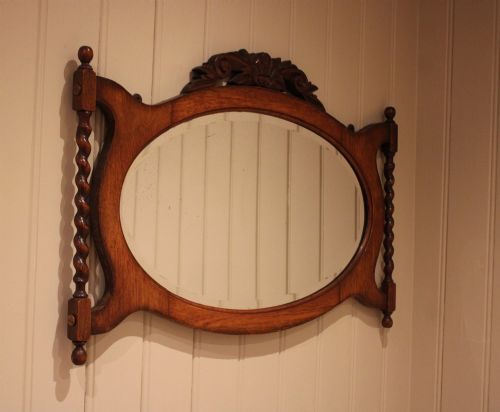
A vintage wooden overmantel serves as a substantial focal point designed to sit above a fireplace, often taking the form of a broad mirror framed in timber. These pieces span from the nineteenth century into the twentieth century, encompassing Victorian, Edwardian, and Art Deco iterations alongside French styles.
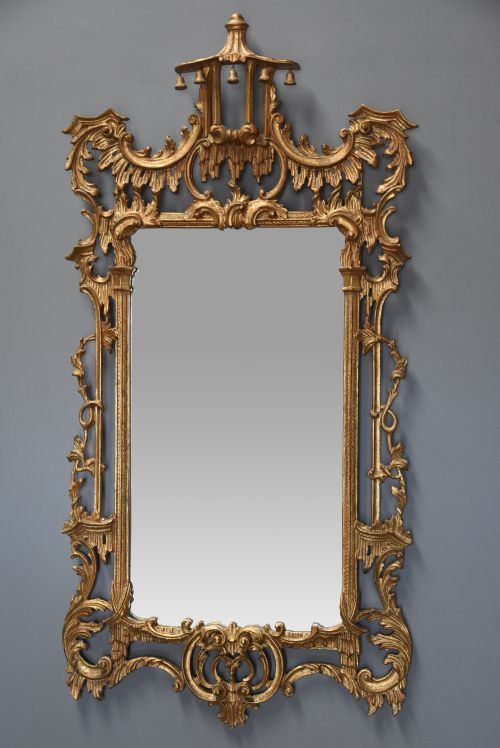
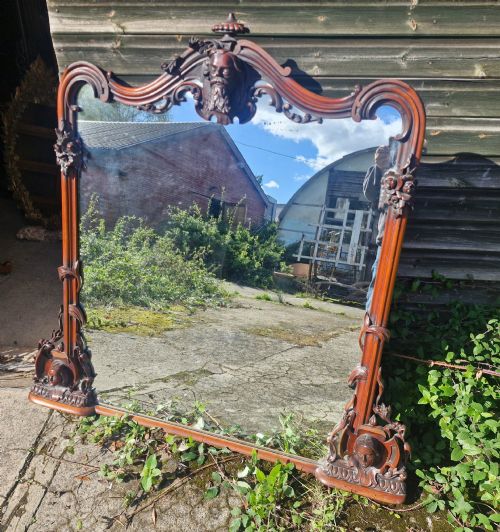
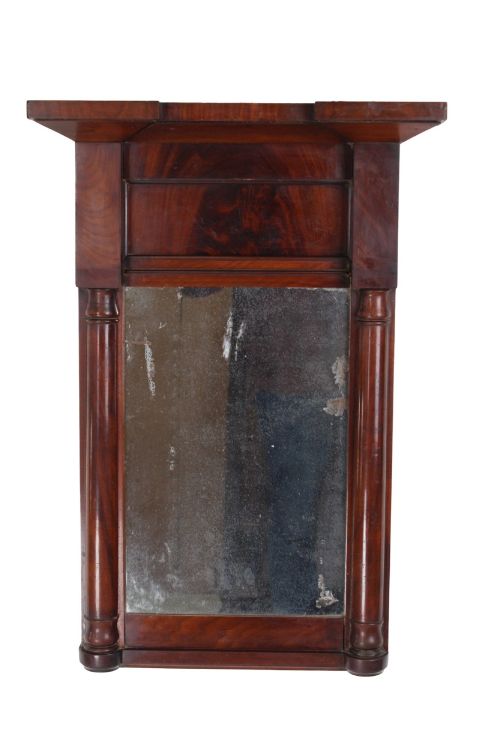
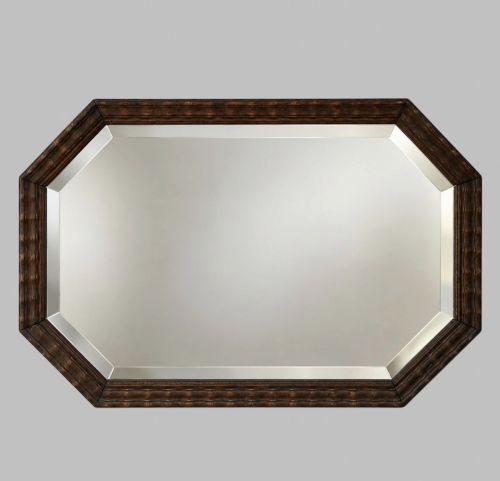
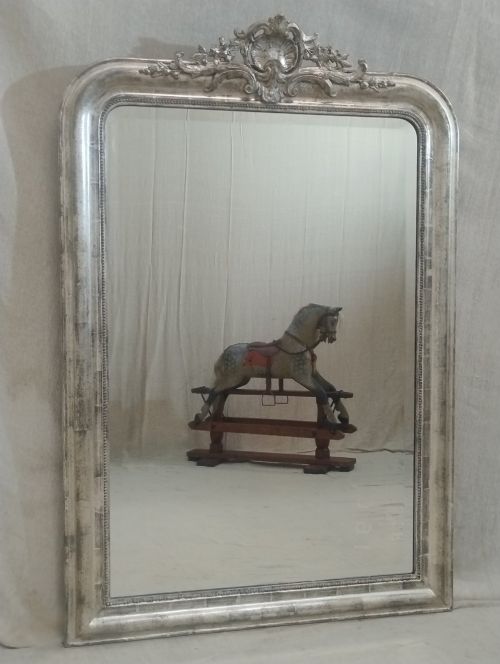
The most common examples on this page are carved oak and mahogany frames from the Victorian and Edwardian eras, frequently featuring bevelled glass plates and architectural moulding. Alongside these, buyers find rosewood, walnut, and painted or giltwood surfaces reflecting French Chateau, Arts and Crafts, and Regency influences.
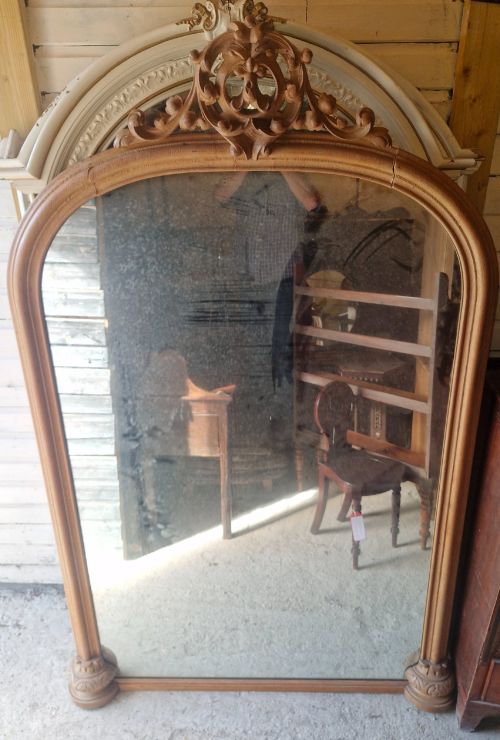
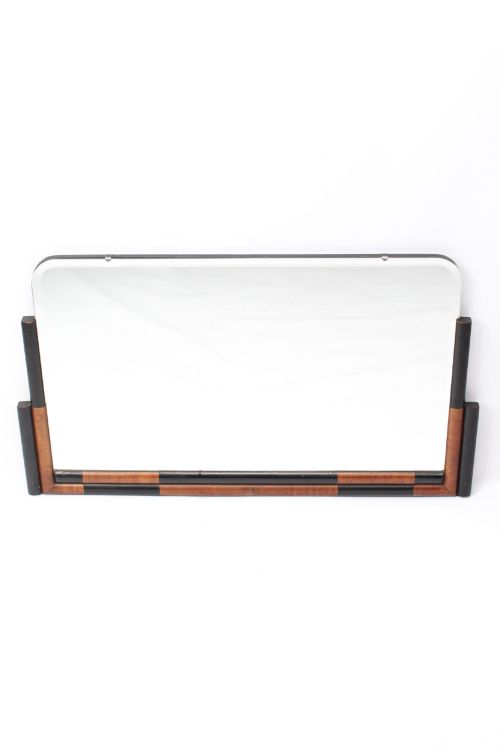
Proportions vary from low horizontal expanses suited to heavy mantelpieces to tall pier mirrors designed for narrower expanses between windows. Whatever the specific period, each piece utilises timber construction to frame glass that bounces daylight across the interior.
Distinctions in craftsmanship and preservation
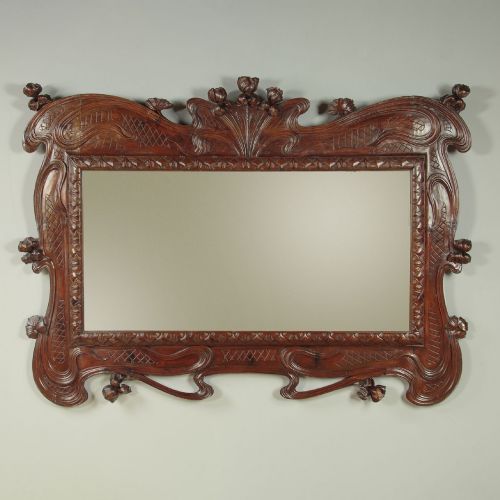
Quality rests in the crispness of the timber carving and the architectural harmony of the frame proportions relative to the glass plate. Superior pieces display deep, hand-chiseled relief work rather than shallow mechanical moulding, showing deliberate hand execution.
The choice and preparation of the timber dictate the visual depth of the frame, with well-figured oak, rich mahogany, and finely matched veneers marking out the finer examples. Original surface treatments, whether polished french polish or undisturbed paint and gilt layers, preserve the integrity of the object.
The condition and clarity of the mirror glass itself matter greatly, alongside the survival of original backing boards and structural joints. Pieces that retain their original silvering characteristics and tight joinery sit at the higher end of the range.
Vintage Wooden Overmantel Retail Price Guide 2026
Typical asking prices for vintage wooden overmantel among the pieces listed under this phrase on Sellingantiques today, from the lower quarter to the upper quarter. They describe what is for sale here now, not the wider market.
Among the reflections, one curious carousel mirror waits to spin its circular tale of old amusement grounds.
Waring & Gillow·Rowley Gallery
The Vintage Wooden Overmantel Glossary
- Overmantel
- A mirror or decorative panel specifically scaled to hang on the wall directly above a mantelpiece. These frames were traditionally designed to echo the architectural style of the fireplace below.
- Trumeau
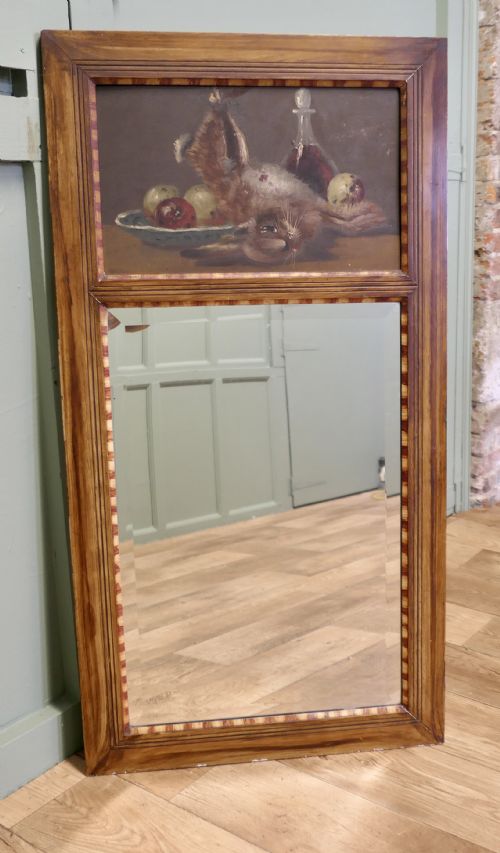
- A decorative wall mirror or panel featuring painted scenes, carvings, or gilt motifs integrated into the upper section above the glass. This French form often incorporates classical proportions.
- Pier glass
- A tall, narrow mirror designed to hang on the pier of wall between two windows. They make efficient use of natural light in high-ceilinged rooms.
- Gesso
- A plaster-like mixture applied to wooden frames as a smooth base for gilding or paint. It allows intricate relief ornamentation to be moulded onto the wood.
- Bevelled
- Glass with an angled edge polished down to a thinner perimeter. This technique creates a prismatic light effect around the frame boundary.
Vintage Wooden Overmantel: Frequently Asked Questions
How do I hang a heavy wooden overmantel safely?
Due to their substantial timber frames and heavy glass plates, these mirrors require secure anchoring directly into wall studs or masonry rather than plaster alone. Using heavy-duty mirror brackets distributed across the upper frame ensures the weight is supported evenly.
Professional installation is recommended for large nineteenth-century pieces to protect both the wall structure and the antique joinery from strain.
Where should I place an overmantel mirror?
Traditionally positioned above a fireplace, an overmantel mirror works equally well mounted on a blank wall to function as a principal room feature. Placing it opposite a window maximises the reflection of natural daylight.
Consider the surrounding furniture scale so that the horizontal or vertical proportions of the frame complement the room's architecture.
How do I tell Victorian frames from Edwardian ones?
Victorian overmantels tend to feature heavier, darker oak or mahogany construction with deep, bold carvings and robust architectural mouldings. They lean towards formal, imposing aesthetics suited to period fireplaces.
Edwardian pieces often introduce lighter timbers like rosewood alongside marquetry inlay, presenting a slightly more refined and restrained profile influenced by Arts and Crafts or Sheraton revivals.
What is the difference between a pier mirror and an overmantel?
An overmantel mirror is wider than it is tall, built specifically to span the horizontal space above a fireplace mantelpiece. Its proportions relate directly to the hearth below.
A pier mirror is tall and narrow, engineered to fit into the restricted wall space between windows or doors. Their vertical orientation draws the eye upward in high rooms.