



Vintage Wooden Mule Chest
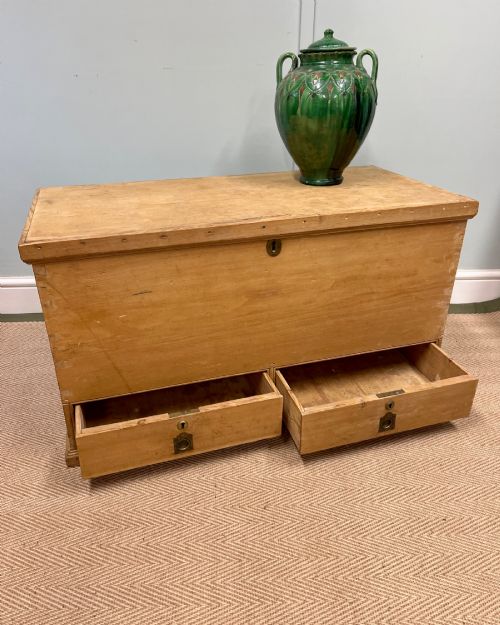
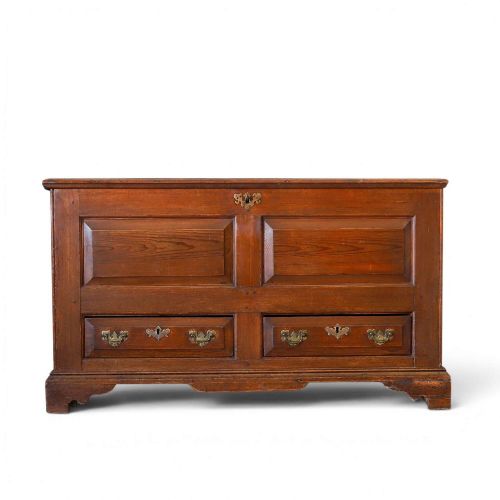
A vintage wooden mule chest combines a deep blanket box with one or more lower drawers, offering sturdy storage rooted in centuries of English country craftsmanship.
Vintage Wooden Mule Chest
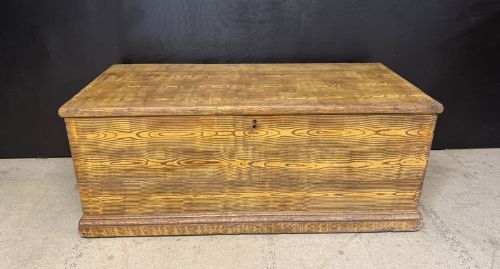
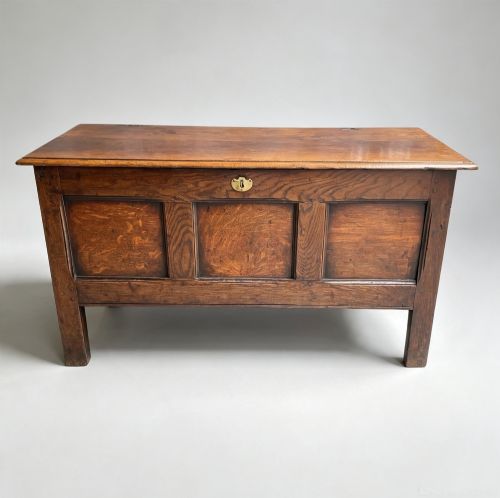
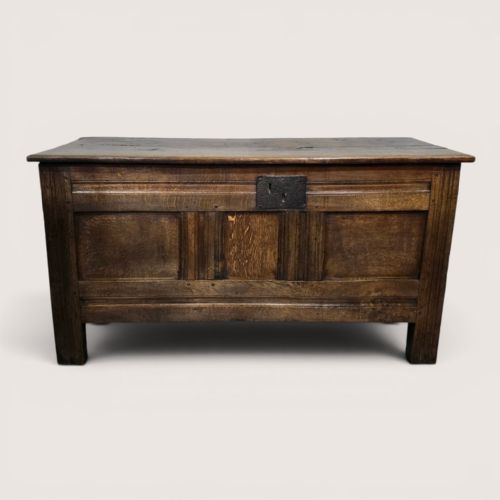
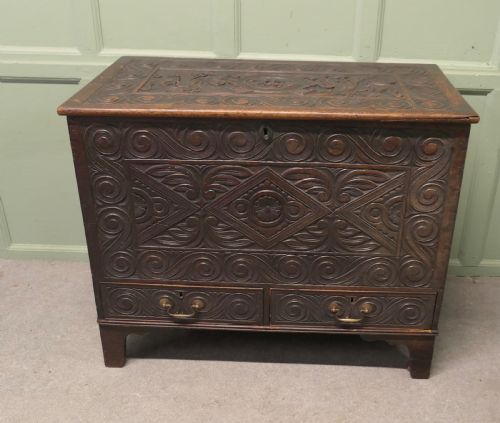
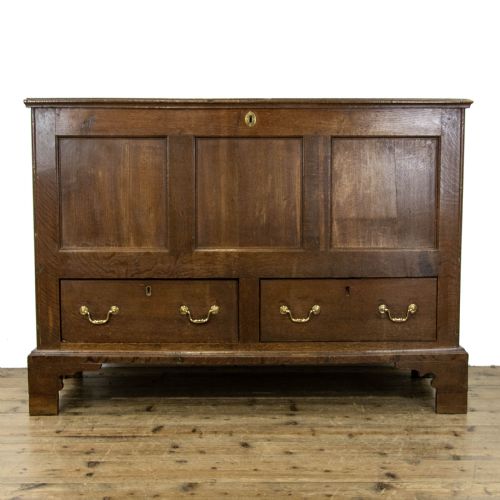
A vintage wooden mule chest serves as both a trunk for linens and a drawer for smaller items, evolving from simple coffers into practical storage furniture. The pieces seen here span periods from the seventeenth century through to the nineteenth century, including Georgian and Jacobean styles.
Buyers encounter regional forms such as Welsh country designs alongside English country examples and pieces bearing traditional carved details like the Green Man. These items function primarily as blanket chests, storage trunks, and coffer variants suited to domestic interiors.
Materials and construction methods
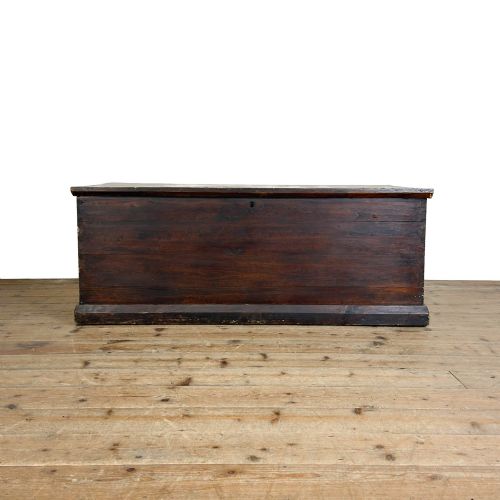
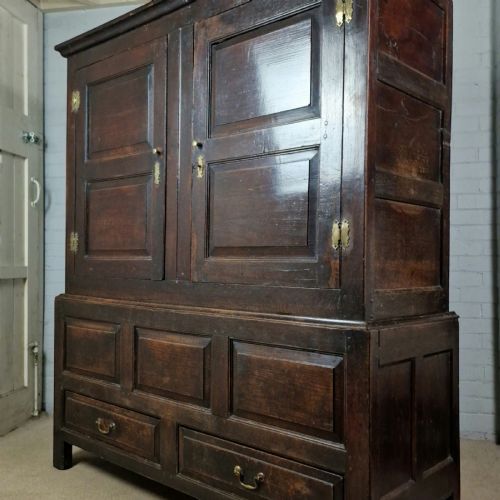
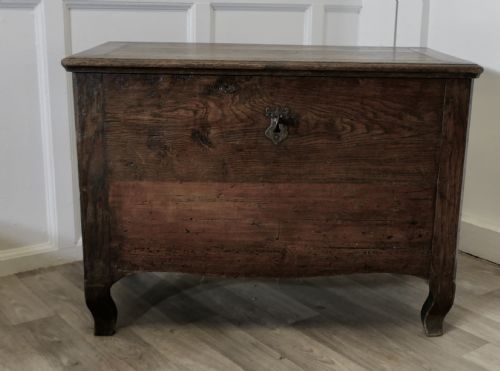
Construction relies heavily on solid oak and pine, frequently shaped into sturdy panels and joined with traditional methods. Iron and brass fittings, including wrought iron hinges and locks, secure the lids and drawers.
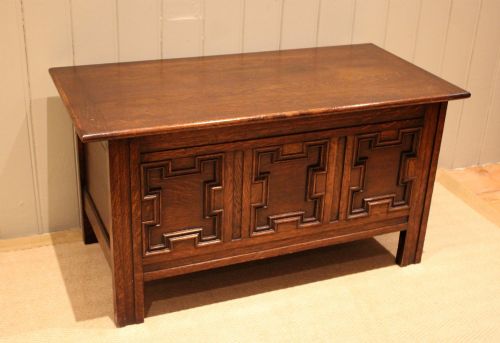
Surface finishes range from natural dark oak and painted wood to polished surfaces that highlight the grain of the timber. Carved decorations add texture to panels, while internal drawer arrangements provide functional division.
Vintage Wooden Mule Chest Retail Price Guide 2026
Typical asking prices for vintage wooden mule chest among the pieces listed under this phrase on Sellingantiques today, from the lower quarter to the upper quarter. They describe what is for sale here now, not the wider market.
Keep an eye out for a Green Man peering through the oak grain, ready to watch over your spare woollens.
Distinctions in quality and execution
Quality rests upon the selection of timber, such as solid oak versus pine, and the integrity of the joinery across panels and drawers. Heavier framing and well-fitted internal drawers indicate superior cabinet work.
The sophistication of carved ornamentation, from plain panels to intricate period motifs, separates standard utility pieces from finer examples. Original hardware and sound structural timber further distinguish the better pieces.
The Vintage Wooden Mule Chest Glossary
- Mule chest
- A storage chest featuring one or more drawers beneath a main lift-top compartment. This form bridges the traditional blanket coffer and the modern chest of drawers.
- Coffer
- A heavy wooden box used historically for storing valuables and textiles. Early examples often feature simple boarded construction or panelled fronts.
- Jacobean style
- A design aesthetic prevalent in the seventeenth century, known for dark woods, geometric paneling, and robust proportions. Pieces in this style display deep carving and heavy framework.
- Georgian period
- An era of British furniture design spanning the eighteenth century, characterised by refined proportions and classical restraint. Country pieces from this time retain practical utility alongside formal influence.
Vintage Wooden Mule Chest: Frequently Asked Questions
How do I date an oak chest?
Dating relies on observing construction details, timber types, and style markers such as panel thickness and joint methods. Seventeenth-century pieces often show simpler joined frames, while Georgian examples display refined drawer runners and brass hardware.
Changes in proportion and decorative carving help place pieces within centuries ranging from the seventeenth to the nineteenth.
Where should I place a mule chest?
These chests suit bedrooms as blanket boxes or living spaces acting as coffee tables with internal storage. Their flat lids and deep proportions make them functional surfaces in hallways and landings.
Positioning them away from direct heat sources protects the antique timber and keeps the historical finish stable.
Are pine chests older than oak ones?
Oak was the dominant timber for heavy British furniture from the seventeenth century onward, while pine saw frequent use in regional pieces, particularly in Welsh and cottage workshops. Both materials appear across multiple centuries depending on the region of origin.
Pine items often carry painted finishes or lighter structures compared to dense solid oak equivalents.