

Vintage Wooden Light Base
A vintage wooden light base brings genuine warmth to a room, offering tactile grain and solid form that modern resin simply cannot imitate.
Vintage Wooden Light Base
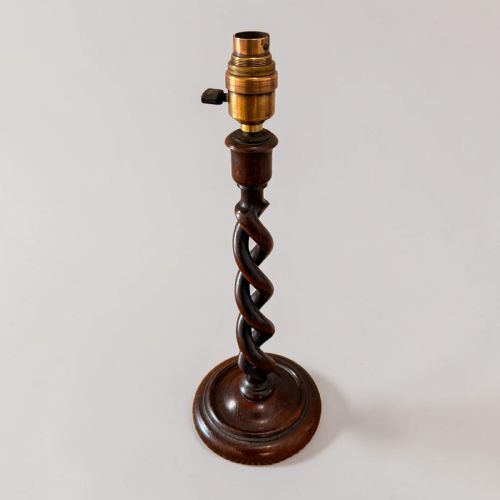
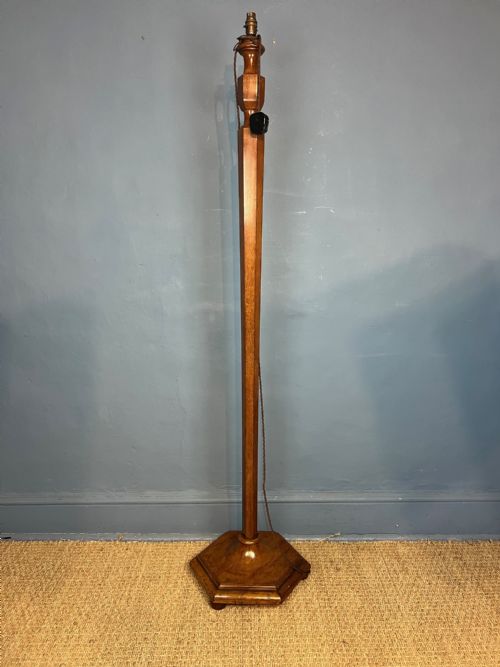
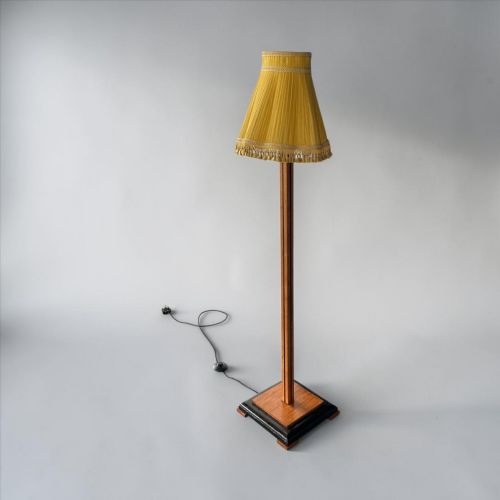
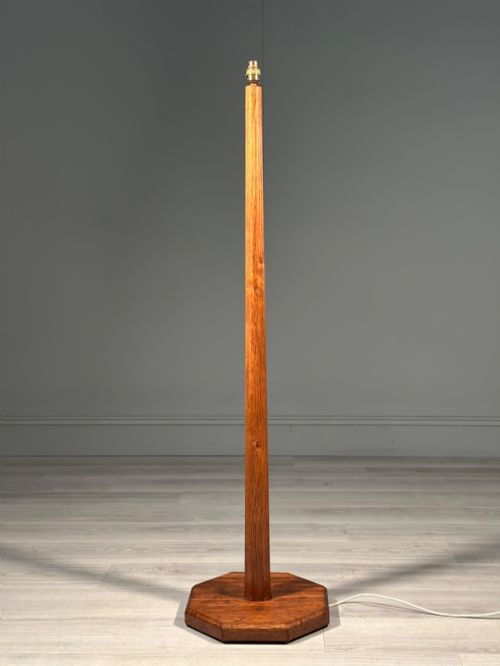
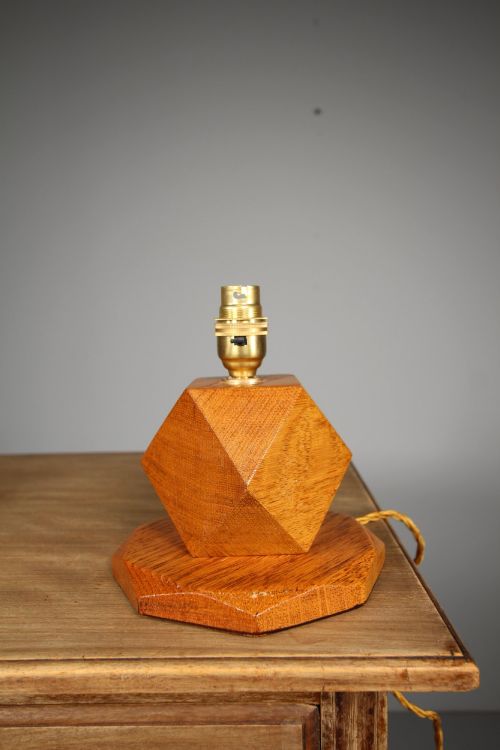
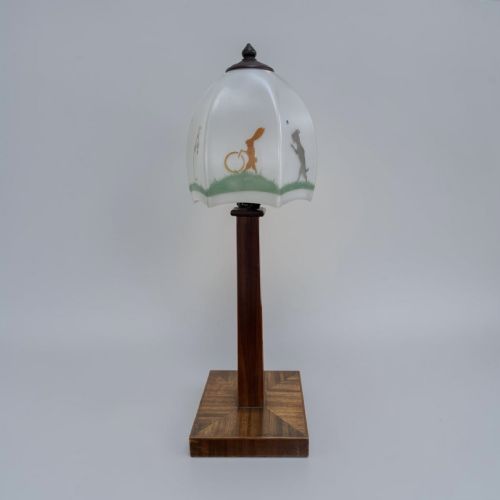
A vintage wooden light base is a repurposed or purpose-built support for domestic illumination, sourced from periods spanning the eighteenth century through to the art deco era. When you search for a vintage wooden light base, you encounter a diverse array of table lamps, standard lamps, and converted candlesticks shaped from timber.
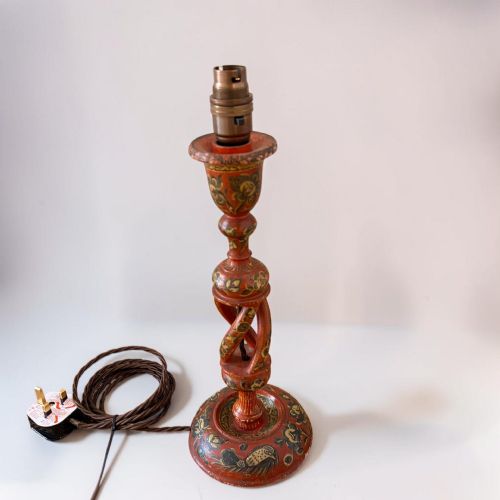
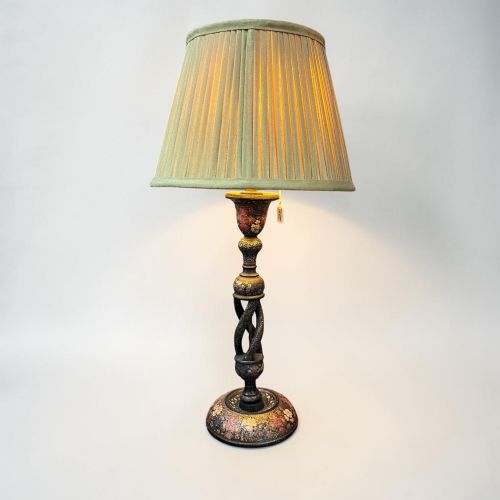
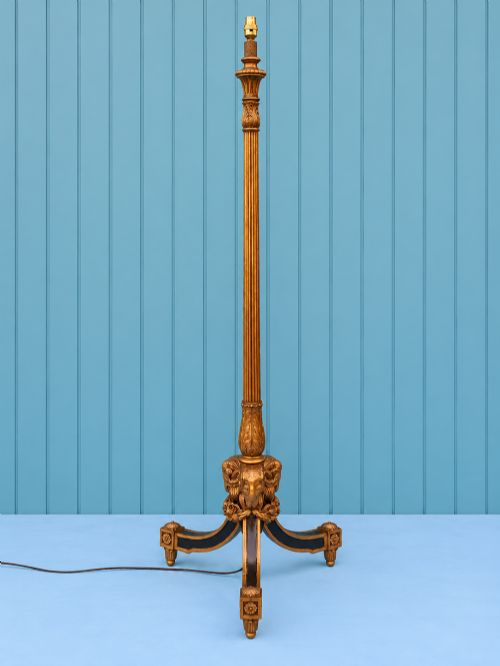
The selections here range from sturdy oak farmhouse pieces and carved walnut tripods to exotic Kashmiri lacquer and chinoiserie finishes. Table lamps and tall floor-standing standard lamps dominate the offerings, often reflecting distinct historical revivals or regional carving traditions.
Many examples originate from British, French, and Italian workshops, alongside pieces influenced by Anglo-Indian and East Asian aesthetics. Buyers select these items to anchor a room's lighting scheme with an authentic period anchor rather than a mass-produced fitting.
How they were made
Craftsmen utilised solid hardwoods such as oak, walnut, ash, and dense lignum vitae, turning them on lathes or carving them by hand to achieve slender stems and robust pedestals. Joinery was executed with traditional pegged mortise and tenon methods or secure threaded boxwood screws, ensuring the structural integrity of tall floor standards.
Surface decoration required specialised finishing techniques, including hand-applied giltwood leaf, polychrome lacquer, or subtle limed treatments over the wood grain. Metal components like brass collars and weighted iron internal plates were frequently integrated to provide stability to taller lamp shafts.
Vintage Wooden Light Base Retail Price Guide 2026
Typical asking prices for vintage wooden light base among the pieces listed under this phrase on Sellingantiques today, from the lower quarter to the upper quarter. They describe what is for sale here now, not the wider market.
Listings feature oak, walnut, and carved wood alongside painted pine and giltwood across various nineteenth and twentieth-century styles.
What varies in quality
Quality rests primarily in the harmony of proportions between the turned wooden shaft and its supporting base, alongside the crispness of any hand-carved ornamentation. Superior examples display thoughtful timber selection, where the natural grain is positioned to accentuate the silhouette of the lamp rather than fighting it.
The integrity of the original construction dictates long-term stability, particularly in taller floor lamps where a heavy shade demands rigid vertical alignment. Finer pieces retain patinated original finishes, whereas lesser items often suffer from unsympathetic stripping or clumsy structural repairs.
The Vintage Wooden Light Base Glossary
- Standard lamp
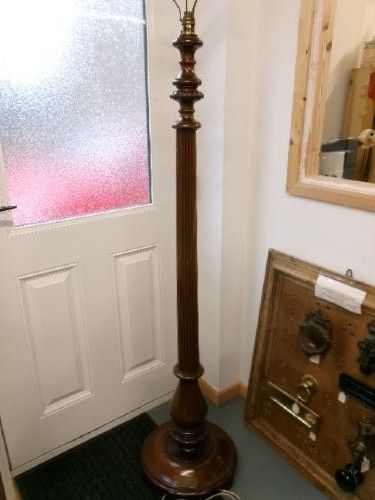
- A tall floor-standing light fixture designed to illuminate a room from a corner or beside seating. These pieces often feature sturdy tripod or pedestal bases for balance.
- Chinoiserie
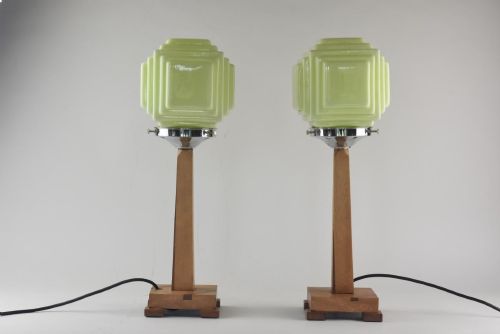
- A European decorative style influenced by Chinese art and design, frequently featuring hand-painted lacquer and gilt motifs on wood. This finish appears on select Edwardian and art deco light bases.
- Lignum vitae
- An extremely dense and heavy wood native to the Americas, prized for its durability and deep dark lustre. Victorian turners utilised this timber for robust table objects and decorative bases.
- Giltwood
- Timber that has been coated with a thin layer of gold leaf or powder for decorative brilliance. It was widely applied to nineteenth-century and art deco standard lamp bases.
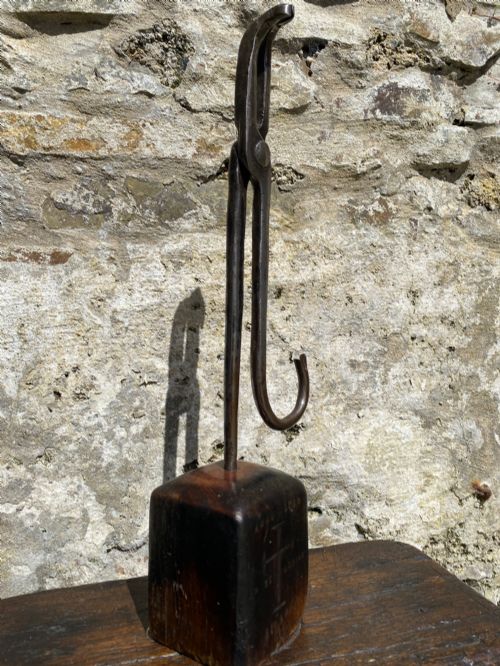
- Rushlight
- An early form of lighting consisting of a rush stem peeled and soaked in animal fat, held by a metal clip. While distinct from electric lamps, rush nips represent the domestic lighting heritage found in these collections.
Vintage Wooden Light Base: Frequently Asked Questions
How do I date a wooden lamp base?
Dating relies on observing the turning style, wood species, and any remaining surface finishes like lacquer or gilding. Distinctive profiles often align with known periods such as the art deco era or Victorian revival movements.
Examine the construction methods visible around the base and cord exit hole. Older pieces may feature hand-cut threads or pegged joints that differ from twentieth-century machine production.
Are these lamps wired for modern use?
Many vintage lamps have been rewired to meet contemporary electrical safety standards while retaining their historic components. It remains wise to inspect the internal wiring or consult a professional electrician upon arrival.
Rewiring typically preserves the original brass lampholders and switches where possible. This ensures the fitting functions safely in a modern home without losing its character.
What is the difference between a table lamp and a standard lamp?
Table lamps are proportioned for placement on sideboards, desks, or occasional tables, typically standing under a metre tall. They offer focused task or accent lighting within a room.
Standard lamps are freestanding floor models designed to stand directly on the floor. They possess much taller shafts and heavier weighted bases to support larger lampshades safely.
How do I care for antique wooden finishes?
Maintain the timber by dusting regularly with a soft, dry cloth and applying occasional quality beeswax to nourish the grain. Avoid placing wooden bases in direct sunlight or near heat sources to prevent cracking.
Keep moisture away from the unsealed underside of the base and any vintage wiring components. Gentle care preserves the historical patina accumulated over decades of domestic use.