
Vintage Wooden Lamp Bases
Vintage wooden lamp bases bring warmth and character to a room, turning practical lighting into sculptural focal points.
Vintage Wooden Lamp Bases
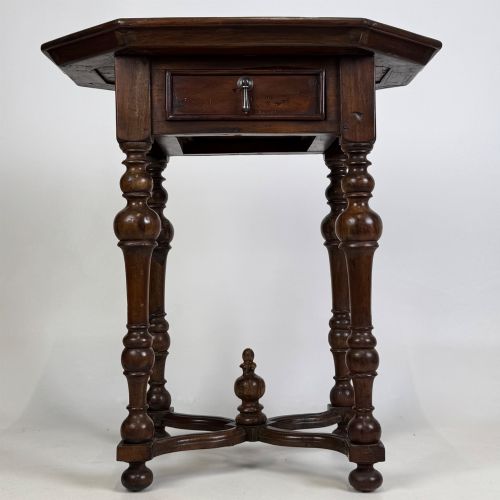
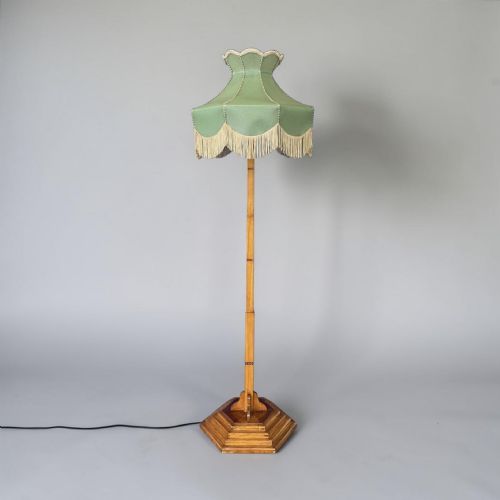
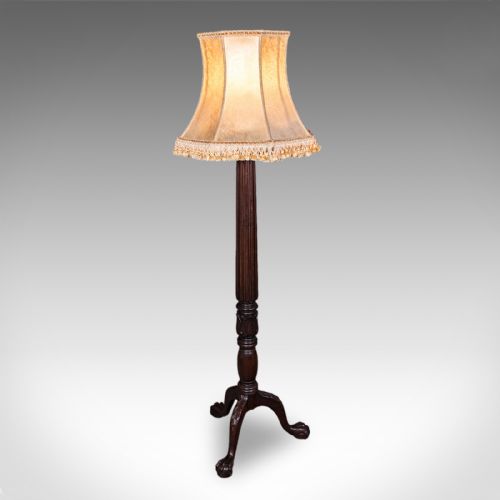
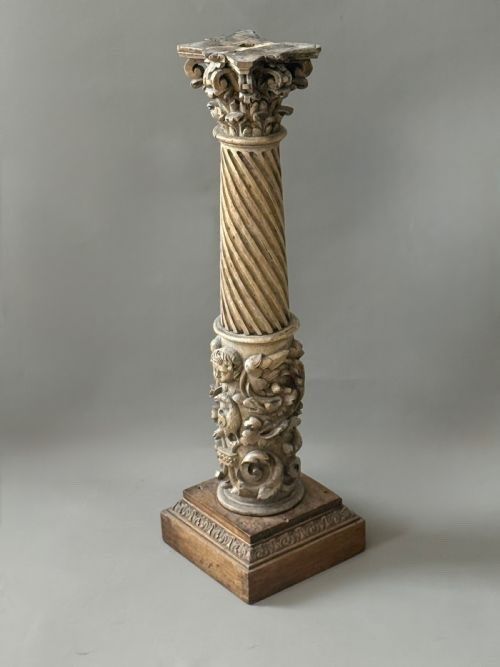
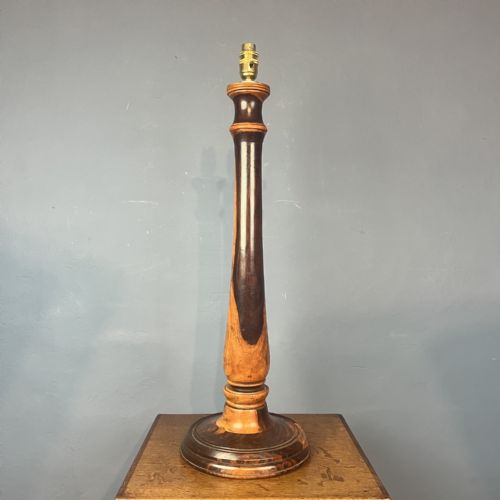
Vintage wooden lamp bases range from compact table models to towering floor-standing standards designed to anchor a corner of a reception room. You will encounter table lamps alongside standard lamps, with standard pieces frequently taking the form of turned columns or carved pillars.
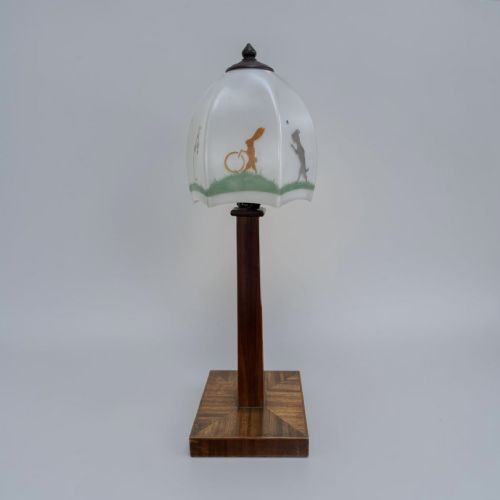
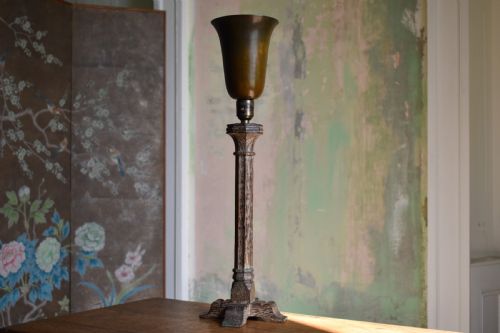
The selection draws on diverse stylistic lineages spanning multiple centuries, from seventeenth-century carved oak and baroque revival pillars to twentieth-century art deco skyscraper designs. Oak and walnut examples sit alongside painted pine, carved root wood, and exotic hardwoods.
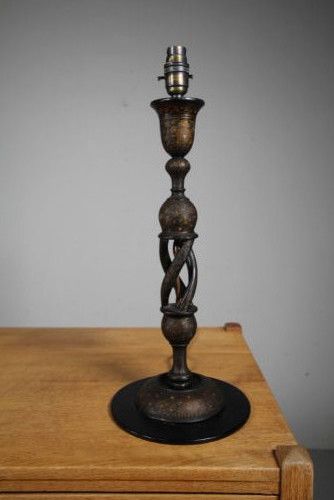
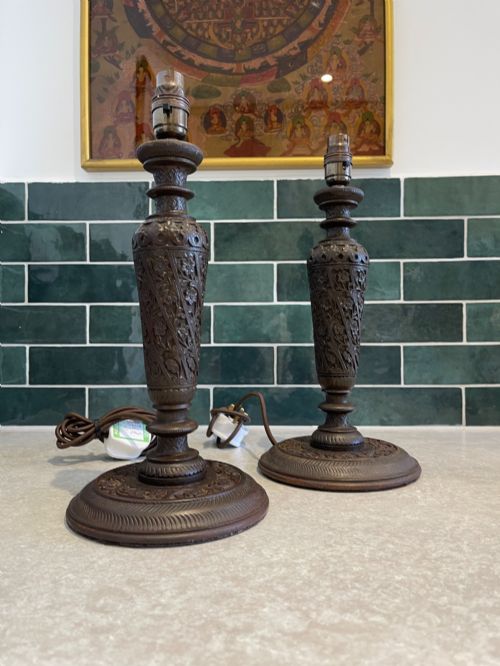
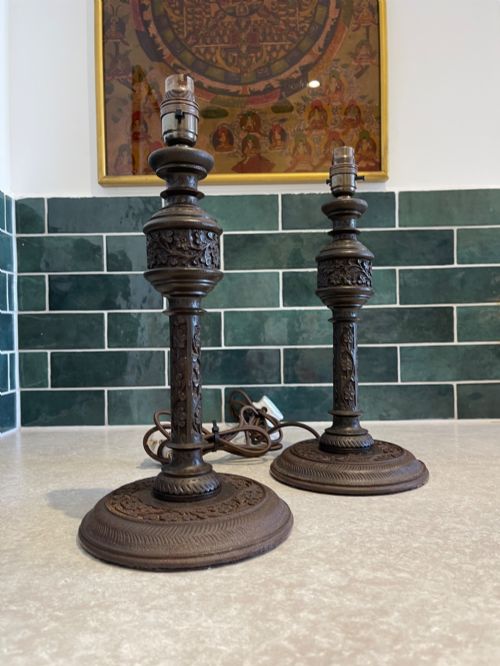
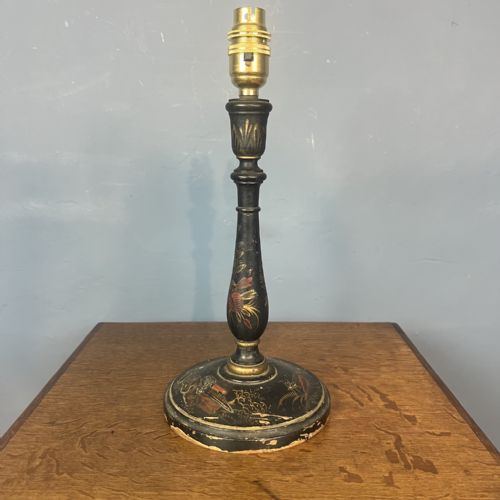
Origin and ornamentation vary widely across the inventory, encompassing English country styles, Kashmiri twist designs, and chinoiserie lacquer work. Many items originate from nineteenth-century workshops or early twentieth-century domestic production.
Materials and construction
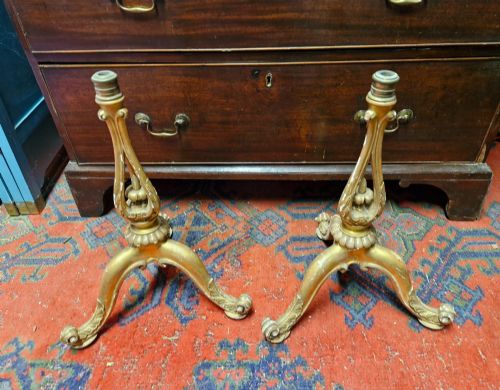
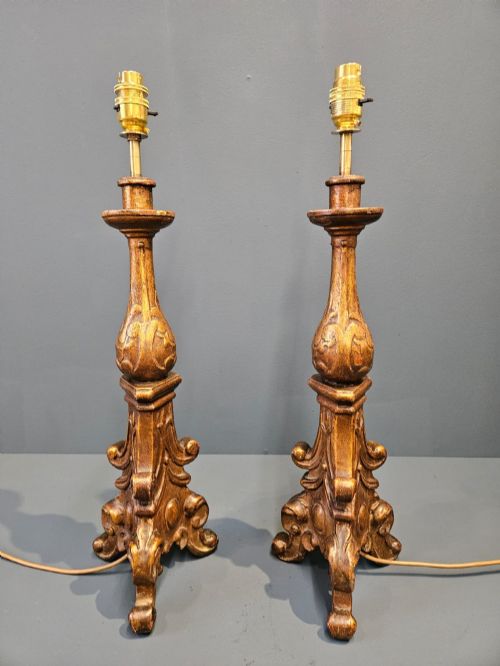
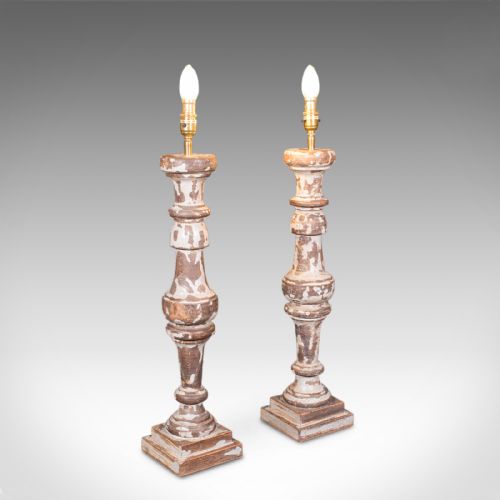
Makers utilised solid timbers such as oak, walnut, mahogany, and lignum vitae, often turning them on a lathe to create slender, fluted, or twisted columns. Carved wood and giltwood elements introduce decorative relief, whilst secondary metals like brass appear in structural fittings.
Surface finishes include traditional hand-painted lacquer, gilt leaf, and liming alongside exposed polished grain. Craftspeople employed joinery techniques suited to tall vertical loads, securing upright shafts to weighted or tripod bases for stability.
Several columns are twisted so dynamically they look like they might have been spun by a slightly dizzy carpenter.
Craftsmanship and distinction
Quality rests upon the crispness of the hand-carved detail and the selection of figured timber, such as burr walnut or dense lignum vitae. Superior examples display balanced proportions in turned columns and harmonious integration of applied gilt or lacquer decoration.
The integrity of the original timber construction distinguishes finer pieces from utilitarian alternatives, particularly where secondary elements like tripod supports meet the main shaft securely without excessive reinforcement.
The Vintage Wooden Lamp Bases Glossary
- Standard lamp
- A tall floor-standing light fixture designed to illuminate a room from standing height rather than resting on furniture. These often feature heavy weighted bases or tripod legs for balance.
- Chinoiserie
- European decorative style reflecting Chinese artistic motifs, frequently seen on lacquered lamp surfaces. This finish typically employs painted metallic highlights on dark backgrounds.
- Lignum vitae
- A dense, heavy wood historically utilised for turned objects and tool parts due to its durability. Its tight grain yields a dark, polished finish.
- Tripod base
- A three-legged support structure providing stability for tall floor or table standards. Such bases are common on nineteenth-century and art deco models.
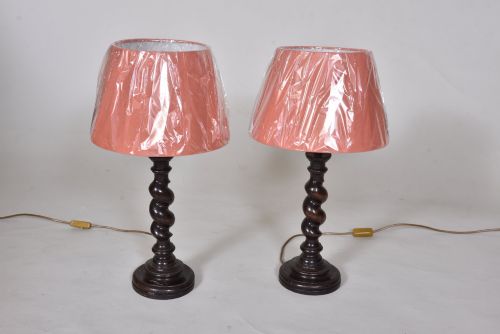
- Twist table lamp
- A standard featuring a helical or rope-twist carved column rising from the base. This technique requires skilled hand-carving or lathe work to maintain uniform depth.
Vintage Wooden Lamp Bases: Frequently Asked Questions
How do I choose the right height?
Floor standards typically suit corners beside seating, while table lamps require surfaces high enough to prevent glare at eye level.
Consider the scale of your shade and ceiling height when positioning tall wooden stems in a room.
Are these lamp bases newly wired?
Many vintage pieces arrive updated with modern electrical flex and compliant lamp holders to meet current safety standards.
Check individual descriptions to see if rewiring has been carried out by the seller before purchase.
How do I care for wood finishes?
Dust surfaces regularly with a soft, dry cloth and avoid placing wooden bases in direct sunlight or near heat sources.
Wax polished timbers periodically using a traditional bees wax to nourish the grain and maintain the sheen.
How do I identify art deco styles?
Art deco designs feature geometric motifs, stepped skyscraper silhouettes, and streamlined vertical forms characteristic of the interwar period.
Look for clean lines in oak or walnut that reflect the modernism of the nineteen-twenties and thirties.