
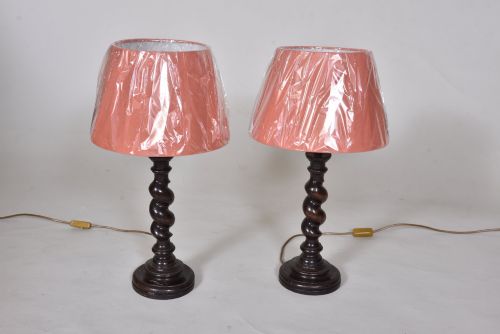
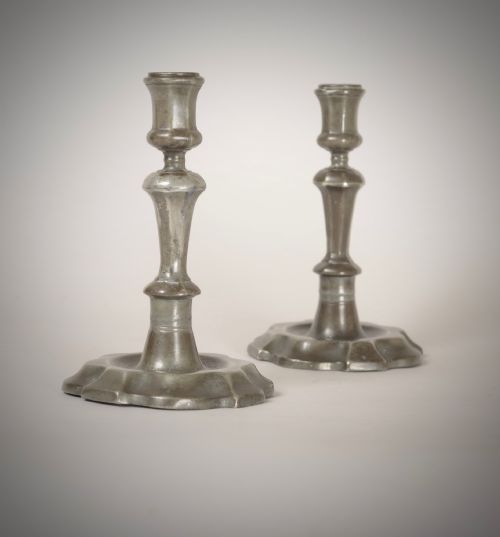
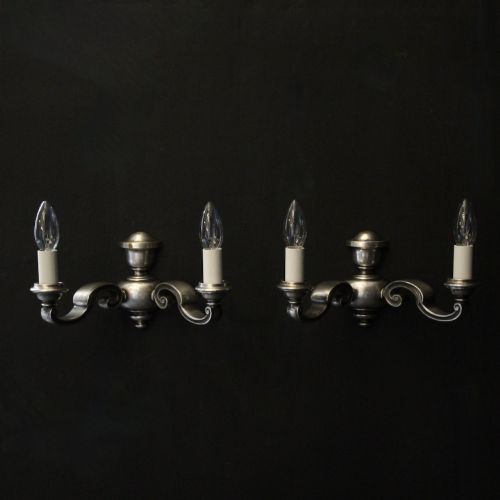
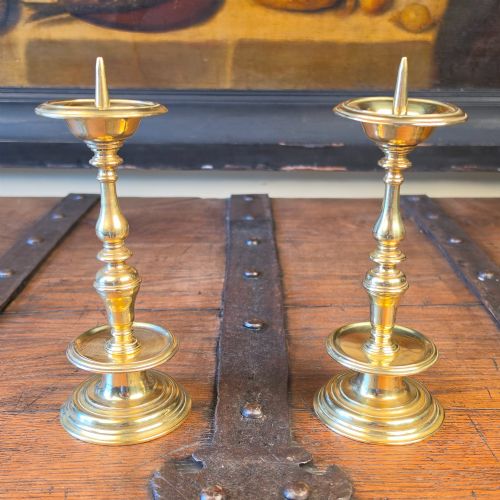
Traditional Lighting Pair
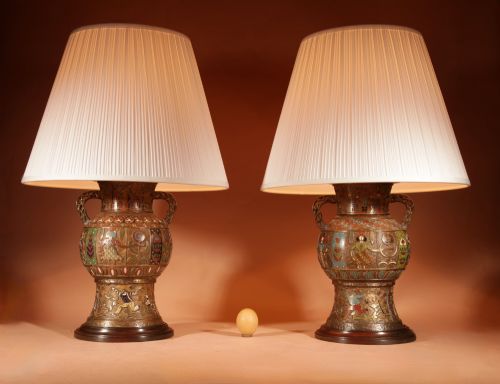
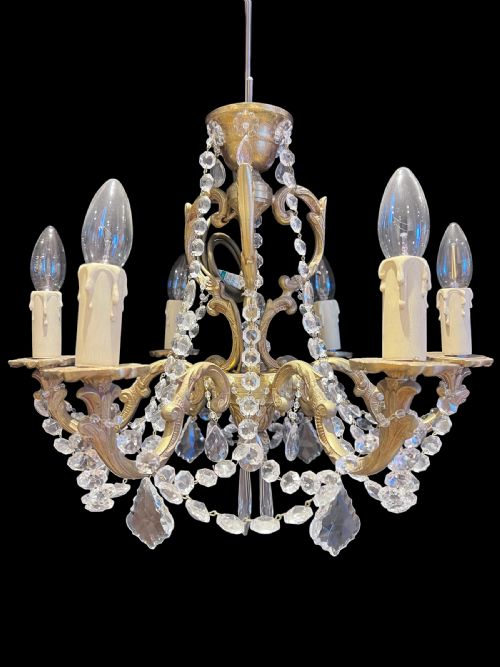
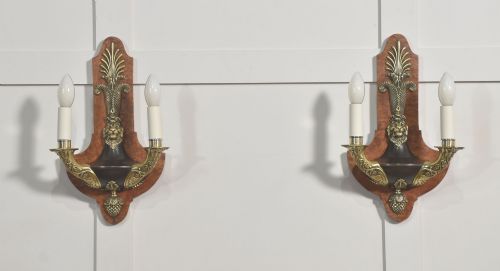
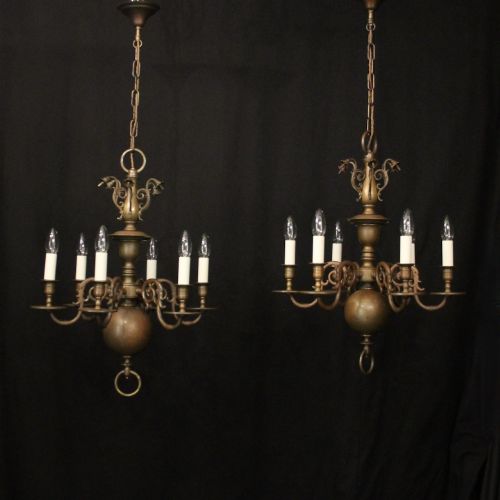
These traditional lighting pair selections encompass matched fixtures in brass, bronze, and silver plate spanning multiple centuries.
Traditional Lighting Pair
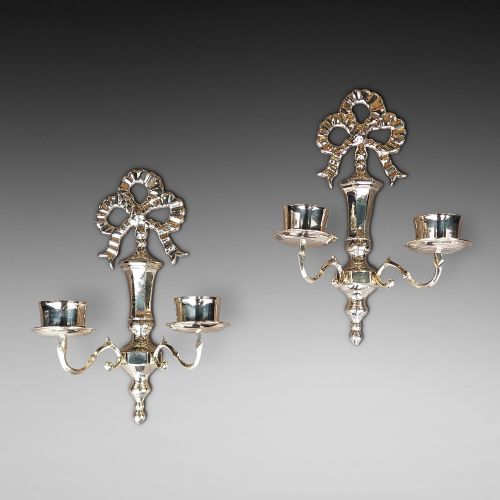
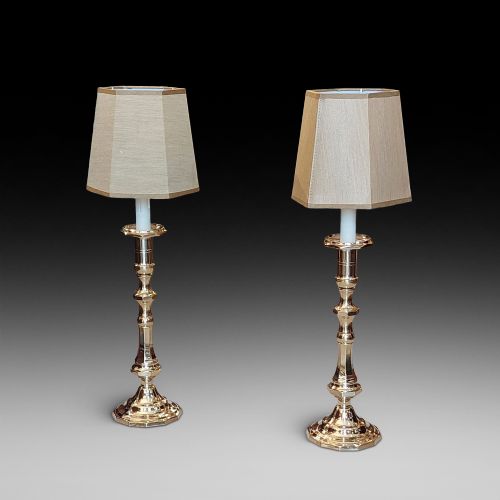
A traditional lighting pair comprises matched dual fixtures designed for symmetry in domestic and commercial interiors. When searching for a traditional lighting pair, buyers encounter table lamps, wall lights, and candlesticks originating from Victorian, Edwardian, and earlier revival periods.
The material palette of a traditional lighting pair centres on cast brass, bronze, silver plate, and various timbers including oak and walnut. Many examples incorporate glass drops, fabric shades, or marble components to complement the metalwork.
Materials and Technique
Metal components in a traditional lighting pair involve casting, spinning, and hand-finishing techniques executed in brass, bronze, or copper. Surface treatments range from polished finishes to patinated patinas achieved through historical manufacturing methods.
Wooden elements utilise turned oak, walnut, or burr walnut shaped on lathes or joined by hand. Glass and crystal components are frequently mould-blown or hand-cut, then integrated into metal frames or sconces.
Materials documented across this site's listings include cast brass, bronze, silver plate, oak, walnut, crystal, and copper.
Distinctions in Standard
Quality within a traditional lighting pair is determined by the crispness of cast ornamentation and the weight of the metal utilised. Superior examples display precise chasing on brass and bronze surfaces, maintaining symmetry across both items.
The integrity of construction, such as secure joints in multi-branch chandeliers and solid mounting in candlesticks or lamp bases, dictates the enduring stability of the pieces. Original components, uncompromised threading, and matched patination elevate the standing of the pairing.
The Traditional Lighting Pair Glossary
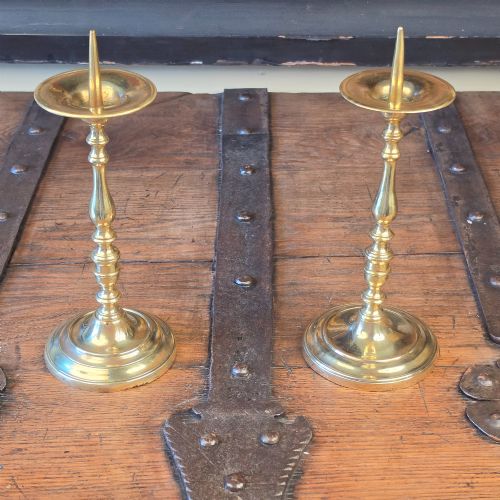
- Pricket candlestick
- A candlestick featuring a central spike designed to secure a wax candle rather than a socket. This form appears frequently in medieval and revival ecclesiastical metalwork.
- Corinthian column
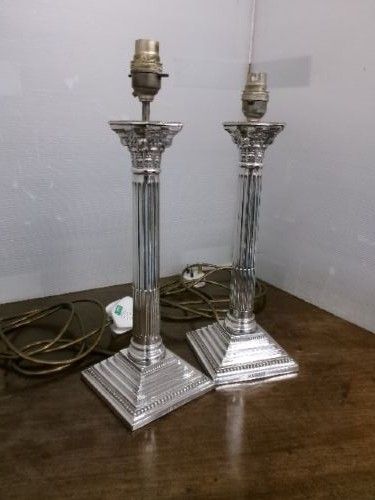
- A classical column form characterised by ornate capitals decorated with acanthus leaves. Tables lamps and candlesticks frequently adopt this proportion.
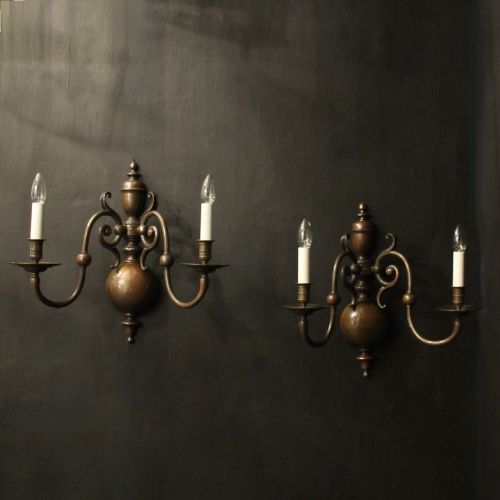
- Sconce
- A wall-mounted lighting fixture designed to hold candles or electric lamps. These project outward from vertical surfaces.
- Ejector candlestick
- A candlestick incorporating an internal mechanism to push out remaining candle stubs. Mid-eighteenth century examples often utilise seamed brass construction for this purpose.
- Firedog
- An iron or bronze support used to hold logs in an open fireplace. Pairs of these often display decorative cast brass or bronze terminals.
Traditional Lighting Pair: Frequently Asked Questions
How do I wire antique lamps?
Wiring requires internal rewiring through existing channels using modern cable that meets safety standards. Professional electricians can adapt brass and wooden bases without altering the exterior metalwork or damaging original components.
Many wall lights and table lamps accommodate contemporary bulb holders while retaining their historical appearance. Ensure proper earthing is applied to all metal bodies during installation.
What periods do these fixtures span?
The inventory encompasses items dating from the eighteenth century through to the early twentieth century. Revival styles referencing the seventeenth, twelfth, and Georgian eras also feature prominently alongside Victorian and Edwardian manufacturing.
Each period exhibits distinct casting techniques and stylistic motifs, helping to date the metalwork or timber construction accurately. Victorian and Edwardian interpretations often recreate earlier historical aesthetics with specific industrial methods.
How are wall lights mounted securely?
Wall lights require direct attachment to wall studs or appropriate masonry fixings to support the weight of brass, bronze, or glass components. Twin-branch sconces and heavier fixtures demand robust backplates and proper load-bearing screws.
Professional installation ensures the fixtures align symmetrically when positioned as a pair on either side of architectural elements or mirrors.
Can converted candlesticks be restored?
Candlesticks converted to table lamps can often have their electrical fittings removed if reversion to original form is desired. The conversion process frequently involves drilling through the base or stem to run internal wiring.
Assessing the interior channel helps determine whether the alteration remains reversible without compromising the structural integrity of the brass or silver plate.