


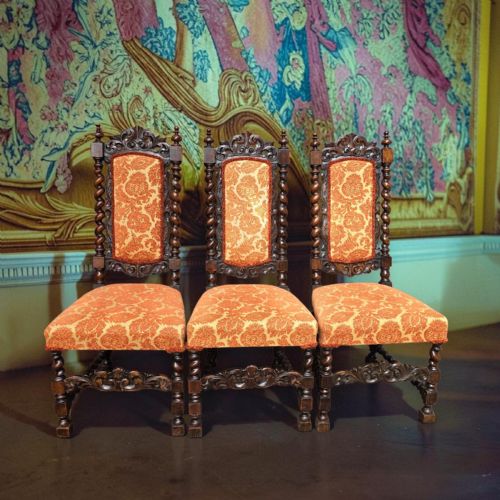
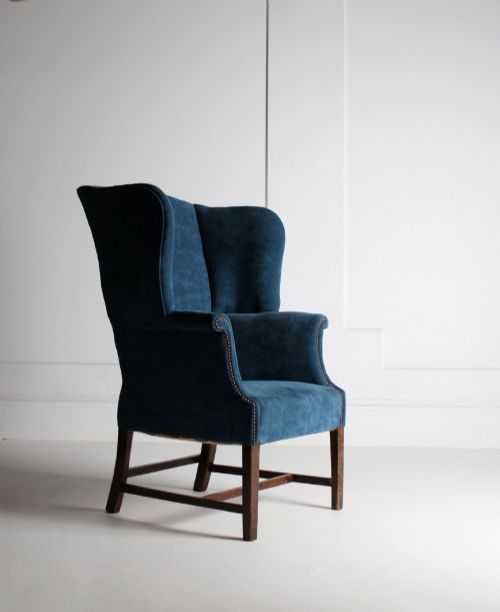
Vintage Wooden High Chair
A vintage wooden high chair is a sturdy piece of domestic history that brings authentic character and craftsmanship into a modern child's nursery.

Vintage Wooden High Chair
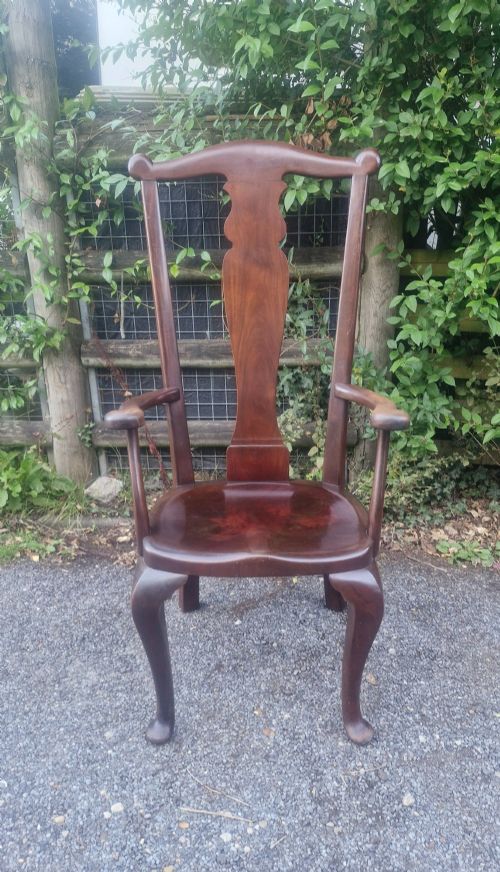
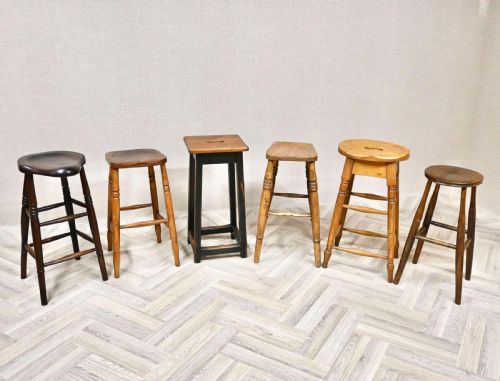
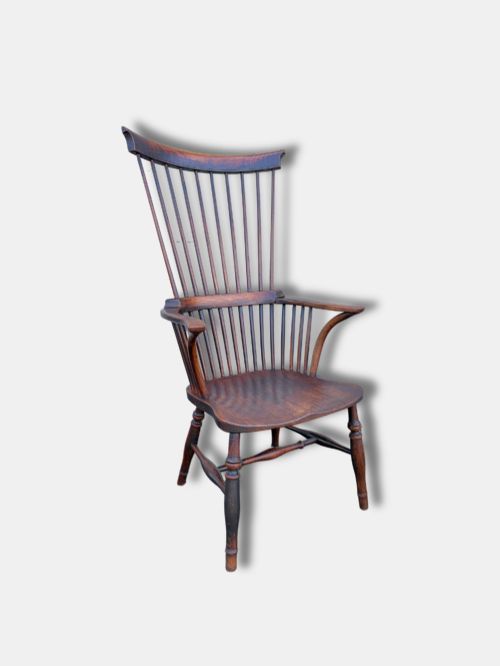
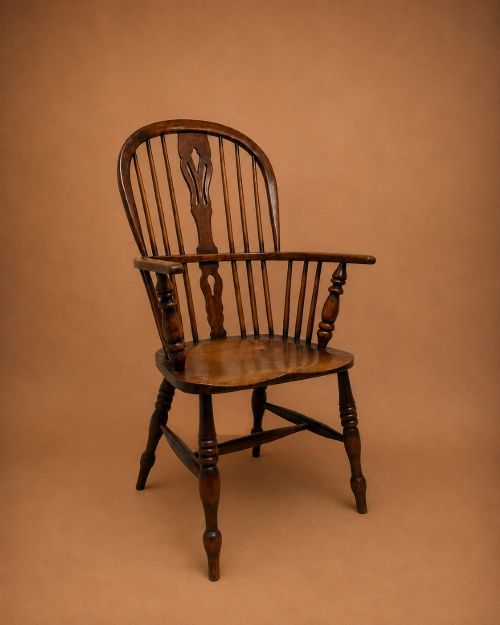
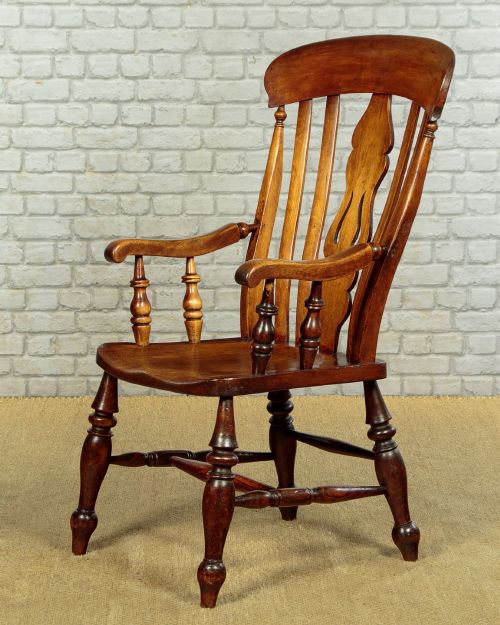
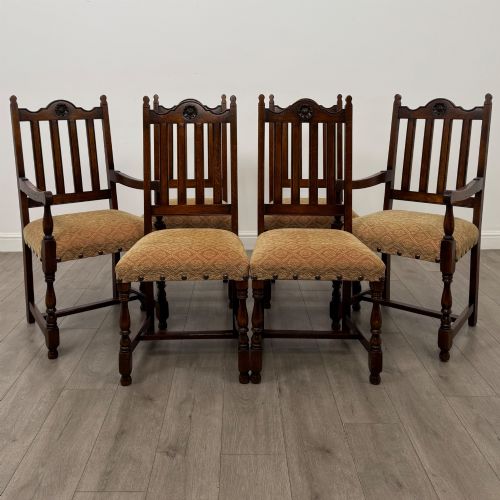
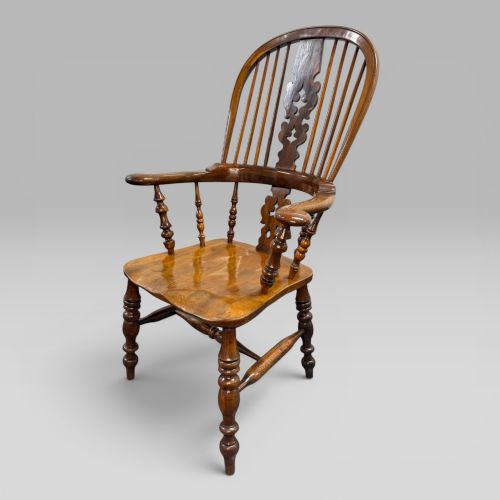
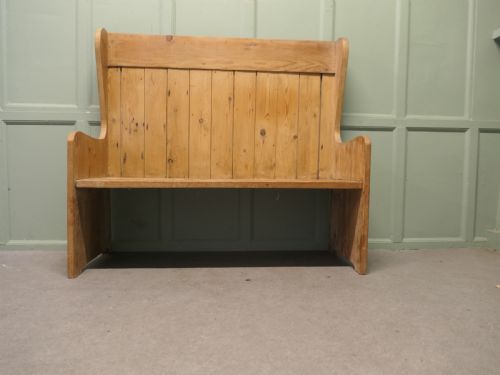
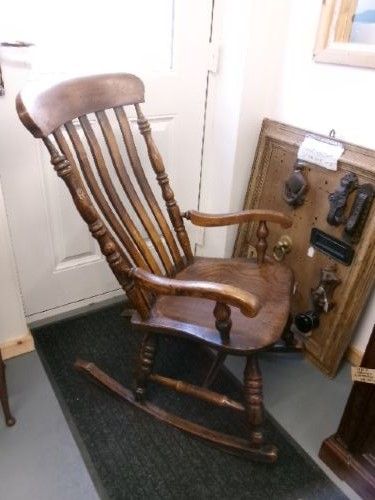
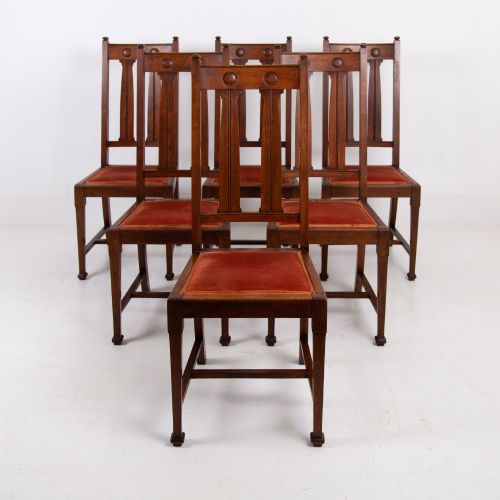
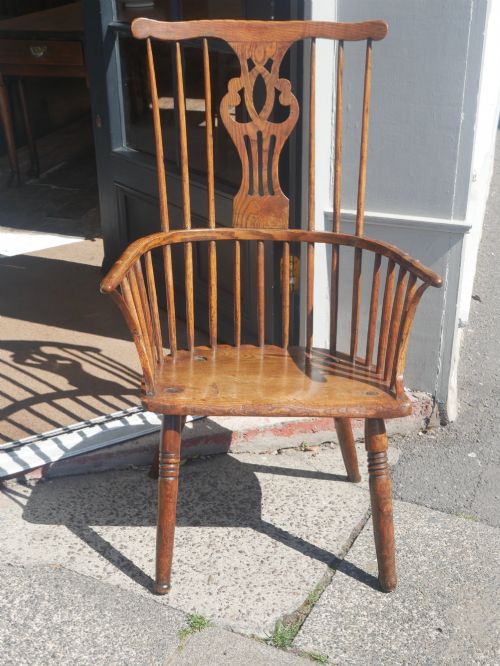
When you search for a vintage wooden high chair, you encounter domestic seating built for children across several historic periods, including the Georgian, Victorian, and Edwardian eras. These pieces often adapt the sturdy forms of adult country seating, such as Windsor frameworks or ladderbacks, scaled down for domestic nursery use.
The most common examples on this page are constructed from traditional English hardwoods and feature spindle backs, turned legs, and occasionally cane or rush seating. They reflect the practical domestic needs of nineteenth and early twentieth-century households, merging utility with traditional farmhouse aesthetics.
Materials and Construction
Maker workshops relied heavily on native timbers, frequently combining elm for seats, ash or beech for spindles and legs, and occasionally yew or mahogany for finer formal commissions. These woods were selected for their grain strength and flexibility, allowing chairmakers to steam-bend components like hoops and comb backs without fracturing the timber.
Joinery techniques combined traditional woodturning with mortise and tenon joints, securing components firmly together without reliance on modern metal fasteners. Seats were frequently hollowed using an adze to create a comfortable saddle shape before being fitted with turned undercarriages.
Vintage Wooden High Chair Retail Price Guide 2026
Typical asking prices for vintage wooden high chair among the pieces listed under this phrase on Sellingantiques today, from the lower quarter to the upper quarter. They describe what is for sale here now, not the wider market.
Some miniature Windsor high chairs even retain the tiny carved thumb marks of hurried Victorian parents lifting restless toddlers.
Craftsmanship and Proportion
Quality in these children's seats rests primarily on the integrity of the timber selection and the refinement of the turned spindles. Better examples display balanced proportions that mirror full-sized vernacular seating rather than clumsy amateur scaling.
The degree of hand-shaping in the seat and the retention of original surface patination distinguish finer workshop output from more utilitarian workshop production. Subtle details in the turning of the arm supports and legs indicate a maker's skill and time investment.
Liberty Morris And Co·William Morris
The Vintage Wooden High Chair Glossary
- Windsor
- A chair built with a solid wooden seat into which the legs, back spindles and bow are separately bored and wedged. This technique creates a remarkably robust frame used extensively in country furniture.
- Comb back
- A Windsor chair design featuring a low back topped by a horizontal headrest piece resembling a traditional hair comb. The vertical spindles rise straight through this upper rail.
- Rush
- Water plant leaves twisted into a cord and woven into seats. It provides a durable, flexible surface found on traditional ladderback and country chairs.
- Elm
- A tough, interlocking timber frequently utilised for solid wooden chair seats because it resists splitting when nailed or bored.
Vintage Wooden High Chair: Frequently Asked Questions
How were children's high chairs used historically?
These elevated seats allowed young children to sit securely at adult dining table height during family meals. They served a purely practical domestic function in the kitchen or dining room.
Over generations, many of these elevated seats also functioned as nursery play spaces where toddlers could be safely contained while parents worked.
Can I use a vintage high chair today?
Most antique child seating is collected primarily for display, interior decoration, or historical appreciation rather than daily modern nursery use. Safety standards for children's furniture have changed significantly over the decades.
If utilised in a modern home, they require careful placement and constant supervision due to the absence of modern safety harnesses and wider base footprints.
How do I identify the period of a wooden high chair?
Dating relies on examining the turning styles of the legs, the method of joinery, and the types of timber utilised. Georgian and early nineteenth-century examples often display simpler, heavier turnings and native fruitwood or elm construction.
Later Victorian and Edwardian pieces frequently incorporate machine-tooled spindles, applied cane work, or stylistic revivals like Arts and Crafts elements that point to their manufacturing decade.
What woods were commonly used for these chairs?
Cabinetmakers and local joiners utilised durable native hardwoods available in local woodlands. Elm was the preferred choice for solid saddle seats because its interwoven grain resisted splitting.
Ash, beech, and fruitwood were typically chosen for the turned legs and back spindles due to their strength and responsiveness to steam-bending techniques.