
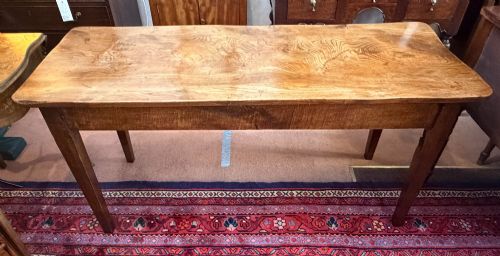
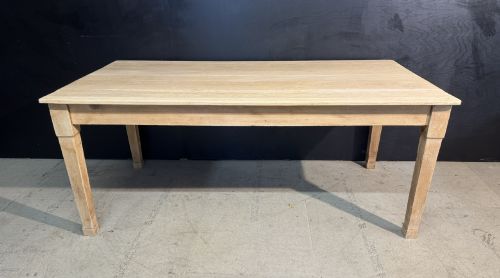
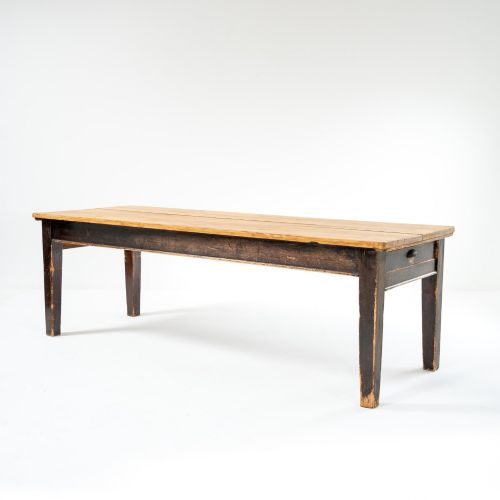
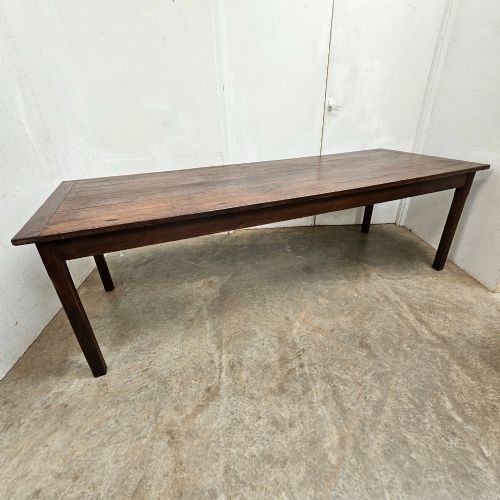




Vintage Wooden Farm Table
A vintage wooden farm table anchors a room with honest utility, offering sturdy character shaped by decades of daily domestic life.
Vintage Wooden Farm Table
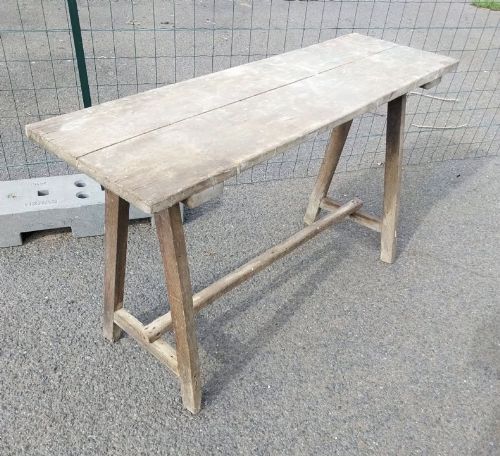
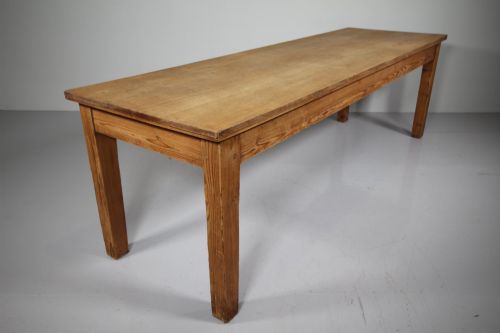
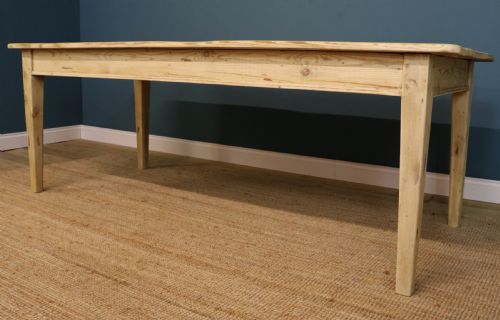
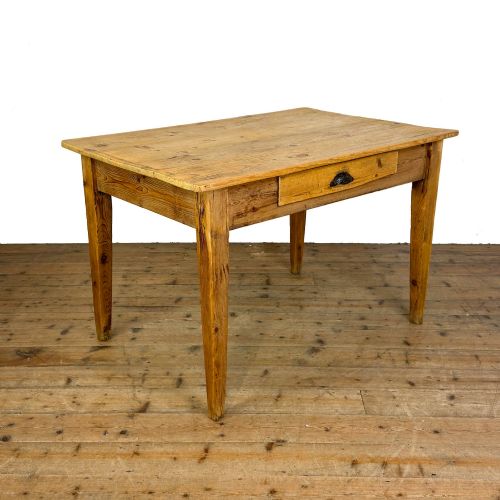
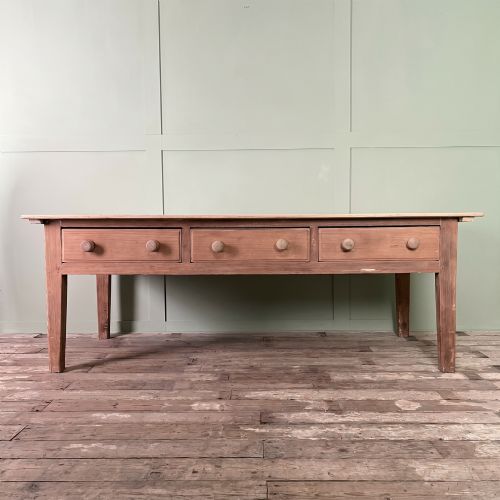
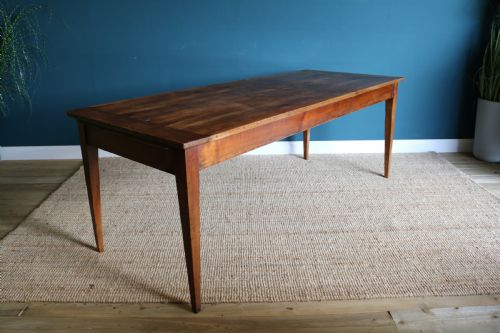
When you search for a vintage wooden farm table, you encounter substantial dining and kitchen surfaces built for heavy domestic labour rather than formal parlour display. The forms range from generous harvest tables and refectory designs to narrow prep benches and scrubbed kitchen tables originating across England, France, Sweden, and beyond.
You are most likely to meet pieces spanning the nineteenth century up through the nineteen-thirties, reflecting stylistic currents from rustic farmhouse to French provincial and arts and crafts. These surfaces served as the centre of household activity, accommodating food preparation, dining, and communal gatherings.
The typology includes specialised variants such as dairy prep tables, draw leaf tables, and trestle structures. Each piece carries the distinct imprint of its regional origin, whether executed in pale Scandinavian paint, French cherry wood, or English pine.
Materials and Construction Methods
Carpenters relied primarily on durable domestic timbers including pine, oak, elm, sycamore, and cherry wood, chosen for their resilience under daily use. Construction frequently employed traditional joinery techniques, resulting in robust frames that support thick timber tops designed to endure generations of wear.
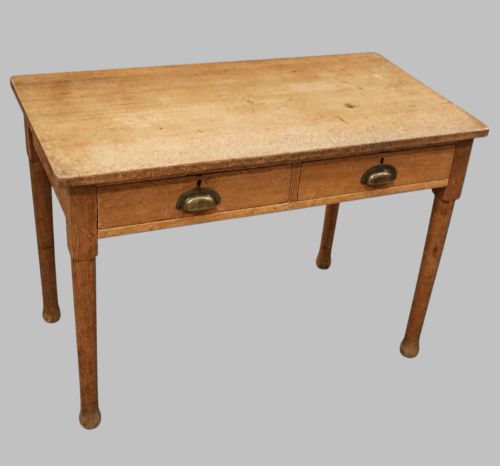
Surface treatments vary widely from natural scrubbed finishes and golden wax polishes to layers of historic paint such as Swedish Falu red. Utility dictated details like single side drawers for implements or extendable draw leaves for expanded seating capacity.
The selection includes dining, kitchen, console, coffee, trestle, and harvest table configurations.
Assessing Build and Provenance
Quality rests in the integrity of the timber selection and the harmony of regional proportions rather than pristine uniformity. Tables featuring dense, quarter-sawn oak or old-growth pine display superior structural stability compared to lighter utility woods.
The desirability of a piece often hinges on untouched surface patination, where decades of scrubbing, waxing, or retained layers of old paint create depth. Tables retaining original working elements like side drawers or unblemished trestle bases command greater appreciation among collectors.
Heals Of London
The Vintage Wooden Farm Table Glossary
- Harvest table
- A long, narrow dining table traditionally used to feed large groups of farm workers during seasonal gathering periods. These pieces often measure eight feet or more in length.
- Refectory table
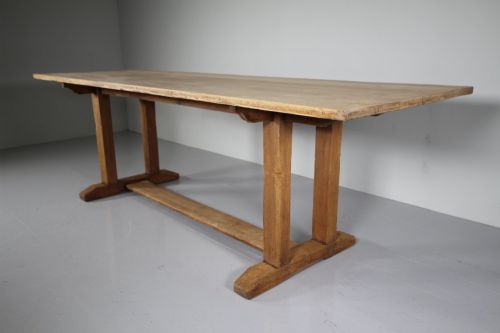
- A long, narrow table design originally used in monastic dining halls, characterised by sturdy legs connected by a low stretcher rail. This form adapted well into domestic farmhouse settings.
- Trestle table
- A table supported by two or more upright frame assemblies connected by a horizontal beam. This construction provides maximum legroom along the length of the surface.
- Draw leaf table
- A table equipped with sliding leaves stored beneath the main top that pull out to extend the surface length. This mechanism allowed households to adjust seating capacity quickly.
- Scrubbed top
- A wooden surface washed repeatedly with soap and water over generations, removing old finishes to reveal the pale, weathered grain beneath. This finish is common on dairy and kitchen preparation tables.
Vintage Wooden Farm Table: Frequently Asked Questions
How do I clean a vintage wooden farm table?
Maintain the surface using a soft, dry cloth to remove dust, and apply a natural beeswax periodically to nourish dry timber. Avoid harsh chemical cleaners that strip the historic patina from older pine and oak.
Keep tables away from direct heat sources and radical humidity shifts to prevent the timber from splitting. A damp cloth handles minor spills immediately without soaking the grain.
Are these tables suitable for daily family dining?
These tables were originally built for heavy daily use, making them exceptionally durable for modern family kitchens and dining rooms. Their robust timber construction withstands the rigours of meals, homework, and gatherings.
Embrace existing marks and dents as part of the piece's history rather than damage. Placing heat mats and coasters on the surface protects historic wax finishes from stubborn rings.
How can I tell the difference between pine and oak tables?
Pine is a softer softwood that often displays knots, lighter weight, and a pale golden or scrubbed appearance. Oak is a dense hardwood featuring pronounced grain patterns and heavier structural weight.
Oak pieces frequently adopt refectory or Jacobean revival styles, whereas pine appears commonly in harvest and painted kitchen tables. The tactile weight and hardness of the timber provide an immediate indication upon handling.
What does a painted finish indicate on a farm table?
Historic paint finishes, such as Swedish Falu paint or layered white and cream coats, often reflect regional domestic traditions. Protective layers were applied over generations to seal utility tables used in dairies and kitchens.
Original paint layers add significant visual character and historical context to a piece. Surviving remnants show how households maintained and adapted their furniture across different decades.