




Antique Elm Kitchen Table
An antique elm kitchen table brings honest timber and centuries of domestic utility straight into the heart of a modern home.
Antique Elm Kitchen Table
When you search for an antique elm kitchen table, you encounter robust domestic furniture shaped by generations of practical use in farmhouses and country kitchens. The pieces listed span from the seventeenth century through to the Edwardian period, drawing on English, French, and Spanish vernacular traditions.
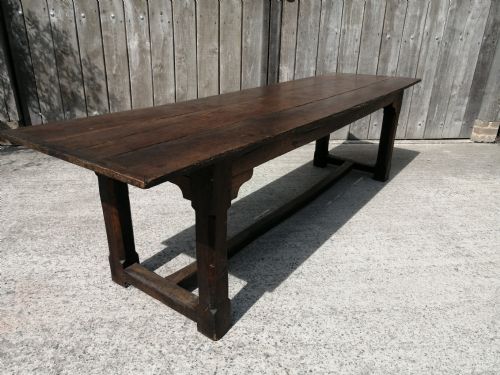
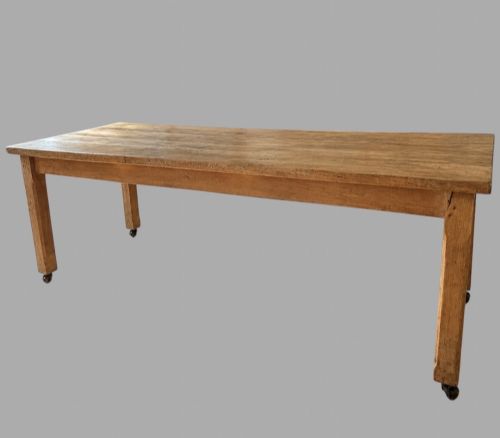
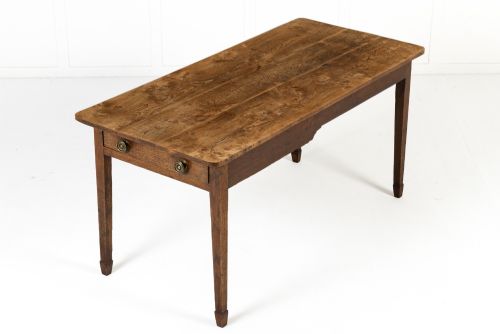
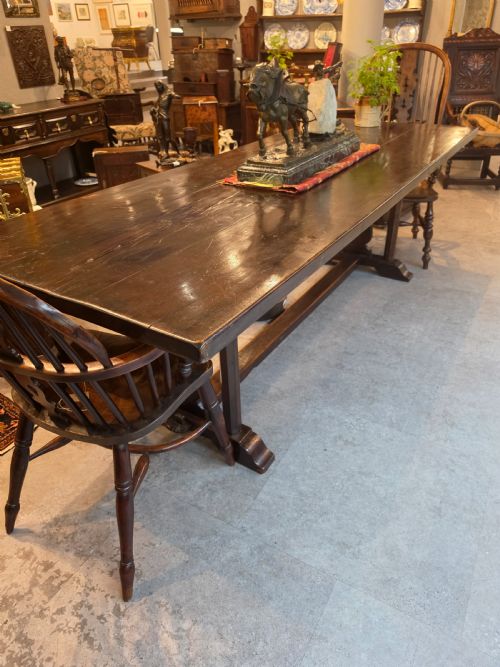
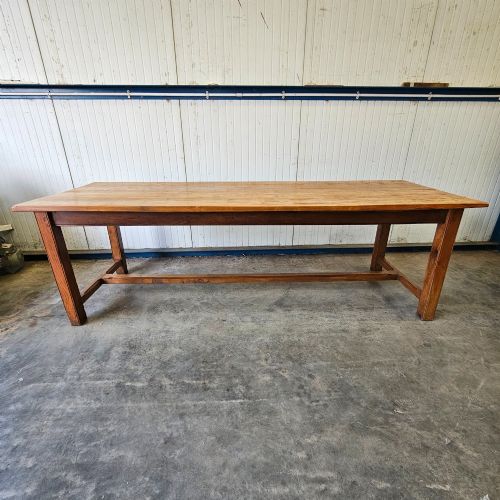
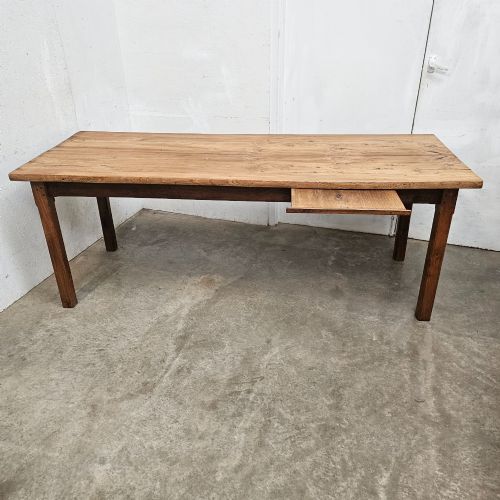
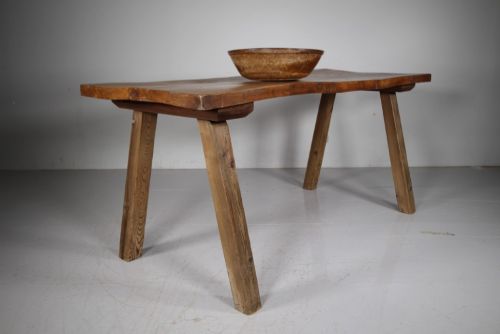
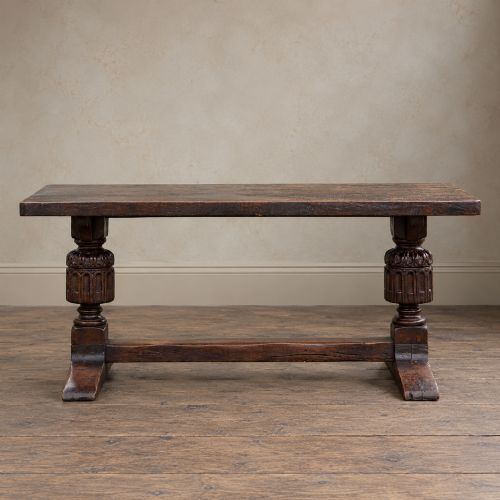
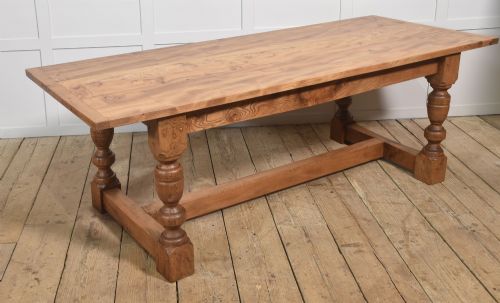
You are most likely to meet nineteenth century farmhouse tables and refectory formats featuring generous timber planks. These surfaces often show the marks of daily preparation work, varying from simple four-legged designs to trestles and tables fitted with single side drawers.
Secondary woods appear frequently in the construction alongside primary elm tops, including oak, pine, beech, and fruitwood. Makers utilised whatever local timber was sturdy enough to support heavy culinary tasks while keeping the working surface smooth and resilient.
Assessing the grade and character
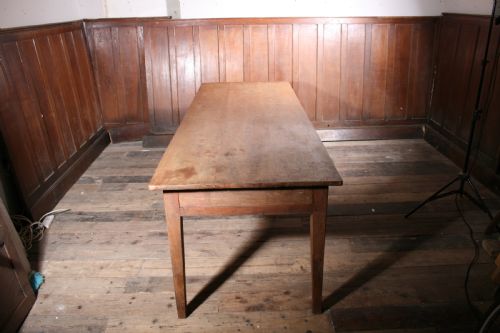
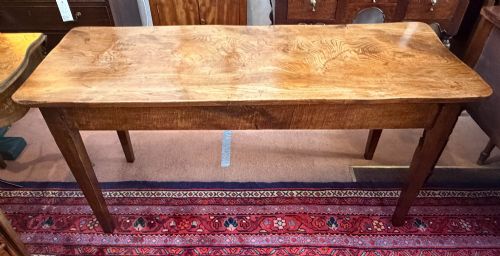
Quality in an antique elm kitchen table rests in the integrity of the timber top and the balance of its proportions. Tables featuring single plank tops or exceptionally wide boards command greater interest than heavily patched surfaces.
The distinction between ordinary utility pieces and superior examples lies in the depth of the patina and the restraint of past repairs. A well-preserved frame that retains its original height and structural firmness elevates the piece above standard workshop output.
Antique Elm Kitchen Table Retail Price Guide 2026
Typical asking prices for elm kitchen table among the pieces listed under this phrase on Sellingantiques today, from the lower quarter to the upper quarter. They describe what is for sale here now, not the wider market.
Listings feature eighteenth and nineteenth century elm tables alongside seventeenth century refectory formats and Edwardian examples.
The Antique Elm Kitchen Table Glossary
- Refectory table
- A long dining table traditionally used in communal dining halls. These examples often combine an elm top with an oak frame.
- Trestle table
- A table supported by two or more upright structures connected by a horizontal beam. This form allows for maximum legroom along the length of the top.
- Plank top
- A table surface constructed from solid boards laid side by side. Single plank versions are particularly prized for their unbroken expanse of grain.
- Scrubbed finish
- A surface cleaned thoroughly down to the bare timber through repeated washing and scouring. This treatment leaves the wood with a pale, matte texture.
- Dough table
- A specialised low table or bench incorporating a bin for proving bread. These versatile pieces double as compact kitchen work surfaces.
Antique Elm Kitchen Table: Frequently Asked Questions
How do I clean an antique elm table?
Maintain the timber by wiping down the surface with a slightly damp cloth and drying it immediately to prevent moisture damage. Avoid harsh chemical cleaners that strip the historic patina accumulated over centuries of use.
Nourish the dry wood occasionally with a traditional beeswax polish applied sparingly. Buff the surface gently with a soft brush to preserve the natural sheen of the elm grain.
Can I use an antique elm table daily?
These tables were built precisely for heavy domestic labour and handle everyday family dining with ease. The robust nature of elm makes the surface resilient against normal wear.
Protect the historic timber from excessive heat and standing liquids by using coasters and placemats. Embracing minor new marks allows the table to continue its long history of service.
How do I date an antique elm table?
Examine the construction methods visible underneath the top and around the frame joints. Hand-cut pegs, tool marks, and the method used to secure the planks provide clear indicators of period origin.
Compare the proportion of the legs and the wear patterns on the edges against documented examples. Eighteenth and seventeenth-century pieces generally show deeper patination and heavier framing than later Victorian adaptations.
Why is elm used for kitchen tables?
Elm possesses a notoriously twisted, interlocking grain structure that prevents the wood from splitting easily under impact. This toughness made it the ideal choice for chopping, kneading, and heavy food preparation.
Carpenters valued the timber's natural resistance to moisture when exposed to regular washing in busy kitchens. The wood ages gracefully, developing a rich character that hides minor working scars.