




Vintage Wooden Desk Tidy
A vintage wooden desk tidy organises papers and pens, bringing order to a working surface through practical craftsmanship.
Vintage Wooden Desk Tidy
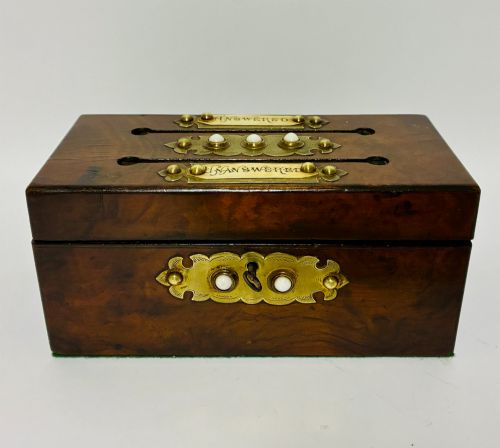
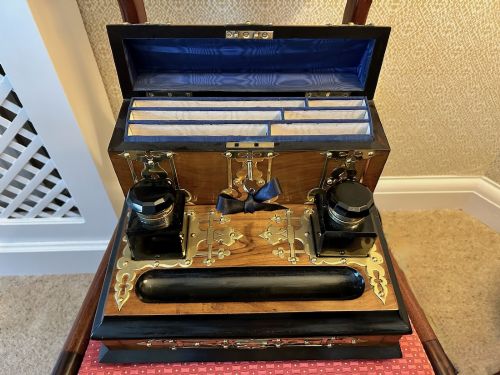
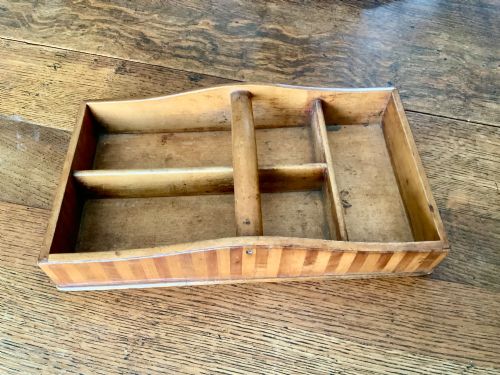
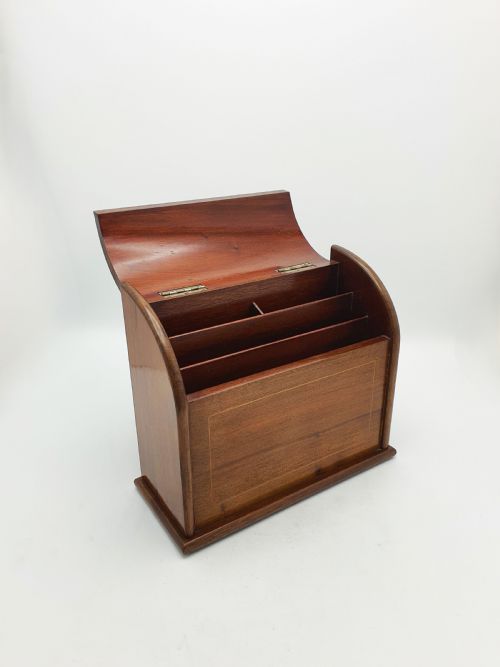
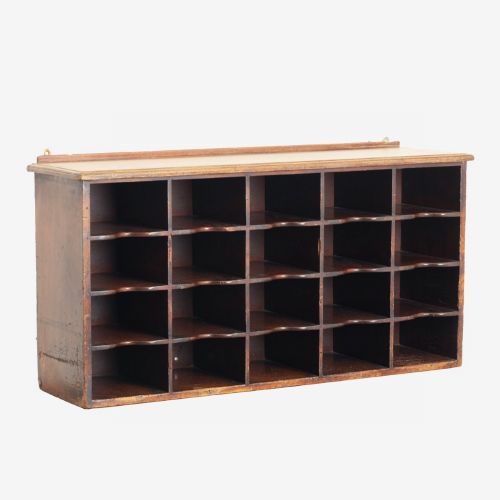
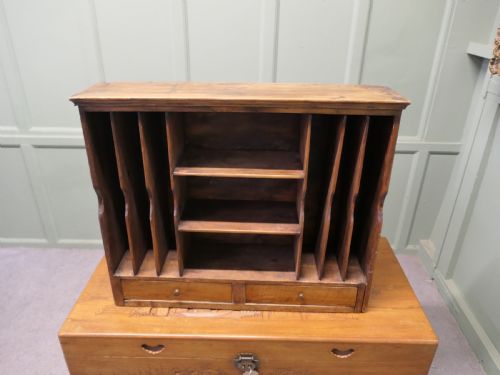
A vintage wooden desk tidy encompasses a range of desk accessories, stationery boxes, inkstands, and pigeon holes designed to keep workspaces orderly. These items originate from periods including the Georgian era, the Victorian era, the Edwardian period, and the early twentieth century.
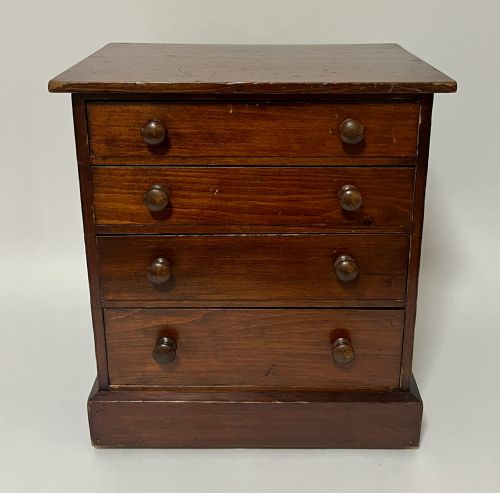
The pieces on this page appear in various timber forms, such as oak, mahogany, walnut, rosewood, coromandel, and pine. Common functional types include correspondence boxes, letter racks, inkstand companions with drawers, and extending book slides.
Regional variations span British country house pieces, Scottish trays, Anglo-Indian brass-mounted boxes, French filing shelves, and Swiss Black Forest carved containers. Buyers will encounter both simple, robust office organisers and decorative, inlaid items intended for domestic studies.
Materials and Construction
Cabinet makers utilised dense hardwoods like mahogany, walnut, rosewood, and oak alongside pine and coromandel to build sturdy boxes and trays. These timbers were often selected for their rich grain patterns and durability under daily office use.
Construction techniques involve dovetail joints for boxes, hinged lids, fitted pigeon holes, secret drawers, and carved details. Many examples incorporate brass mountings, glass inkwells, and inlaid bone or contrasting wood accents to finish the design.
Periods represented span the Georgian, Victorian, and Edwardian eras, extending into early twentieth-century Arts and Crafts and Art Deco designs.
Craftsmanship and Design
Quality in a vintage wooden desk tidy rests on the choice of timber and the precision of the joinery, such as tightly fitted dovetails and smooth-running secret drawers. Superior examples display thoughtful proportions and harmonious integration of brass hardware or bone inlay.
The presence of specialised internal fittings, like dedicated compartments for stationery, working locks with keys, and matched glass inkwells, elevates a piece above standard utility items. Decorative carving and regional styles, such as Anglo-Indian brass mounting or Black Forest work, also distinguish finer pieces.
The Vintage Wooden Desk Tidy Glossary
- Desk Tidy
- An accessory designed to hold stationery, pens, and correspondence on a desktop. These items range from simple open trays to lidded boxes with compartments.
- Inkstand
- A tray or stand holding one or more inkwells, often accompanied by pen troughs and sanders. They form a central part of nineteenth-century writing equipment.
- Stationery Cabinet
- An upright box with doors or a fall front concealing shelves and pigeon holes for paper and envelopes. They often feature carved or inlaid wooden surfaces.
- Pigeon Holes
- A series of small recessed compartments within a desk accessory used for sorting letters and documents. They aid in keeping correspondence separated by category.
Vintage Wooden Desk Tidy: Frequently Asked Questions
What is a desk tidy used for?
A desk tidy serves to organise writing materials, letters, and small office tools on a work surface. Pieces range from open trays for daily post to enclosed boxes with inkwells.
Historically, these accessories kept writing desks functional and tidy in both home studies and professional offices. Today, they continue to serve a practical organisational role while displaying period craftsmanship.
How do I identify a Victorian desk box?
Victorian desk boxes typically feature robust timber construction in oak, walnut, or mahogany, often with brass mounts and fitted interiors. They frequently include compartments for stationery and glass inkwells.
Stylistic cues from this period include brass banding, sloping lids for writing, and occasionally secret drawers. Makers focused on durability and utility alongside decorative appeal.
What is an inkstand?
An inkstand is a desk accessory that holds one or more inkwells, usually mounted on a wooden or metal tray with integrated pen troughs. They sat upon writing tables for everyday correspondence.
Examples often include hinged lids on the inkwells and small compartments for wafers or stamps. Materials matched the prevailing furniture styles of the Georgian and Victorian eras.
Where were stationery cabinets placed?
Stationery cabinets sat upon large partner desks, library tables, or sideboards in studies and offices. They held writing paper, envelopes, and documents upright and protected from dust.
These pieces allowed users to store correspondence neatly out of sight behind doors or fall fronts. They reflect the formal letter-writing habits of the nineteenth and early twentieth centuries.