
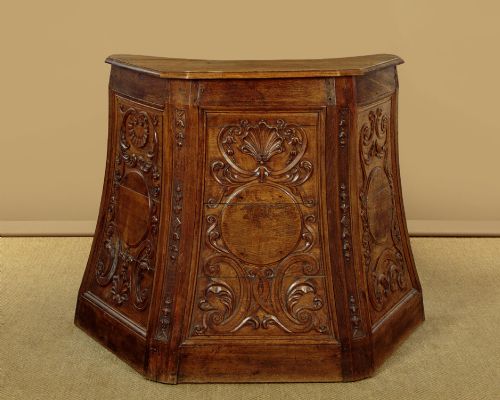
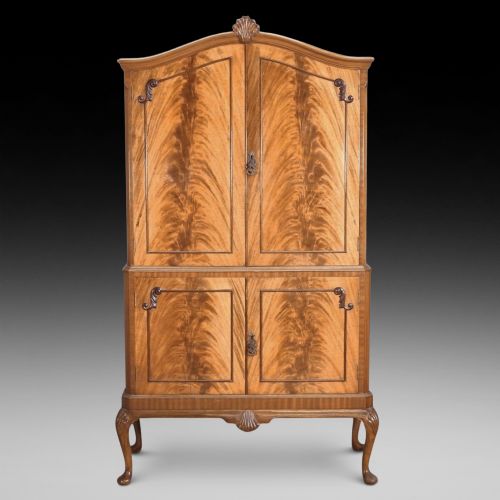
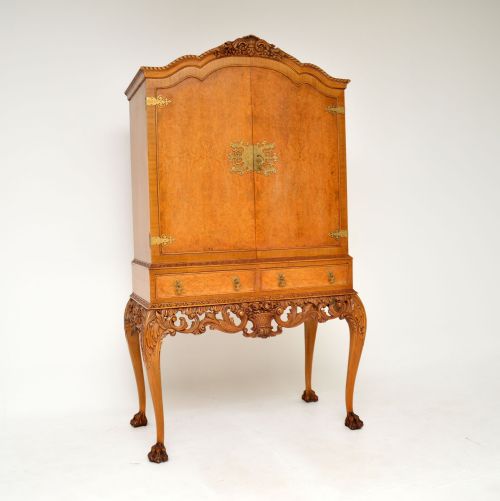


Vintage Wooden Bar Cabinet
A vintage wooden bar cabinet transforms a room with period character, offering dedicated storage for bottles and glassware.
Vintage Wooden Bar Cabinet
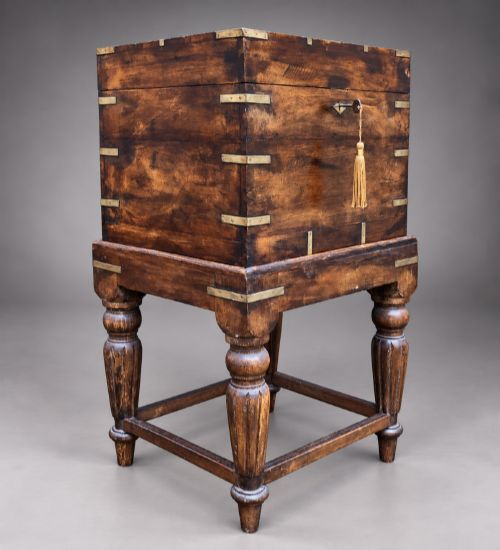
A vintage wooden bar cabinet encompasses diverse forms designed for beverage storage, from Edwardian cellarettes to Art Deco cocktail cabinets. When exploring a vintage wooden bar cabinet, buyers encounter pieces spanning the Georgian era through the mid-twentieth century.
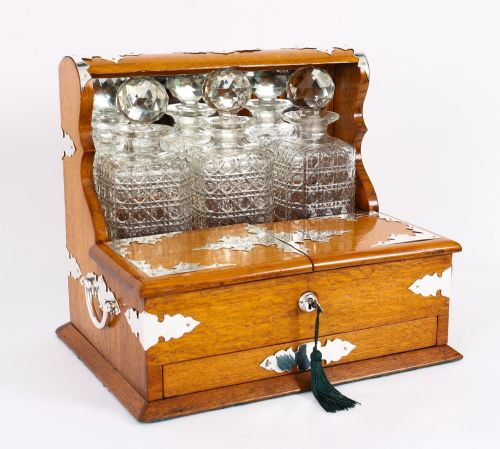
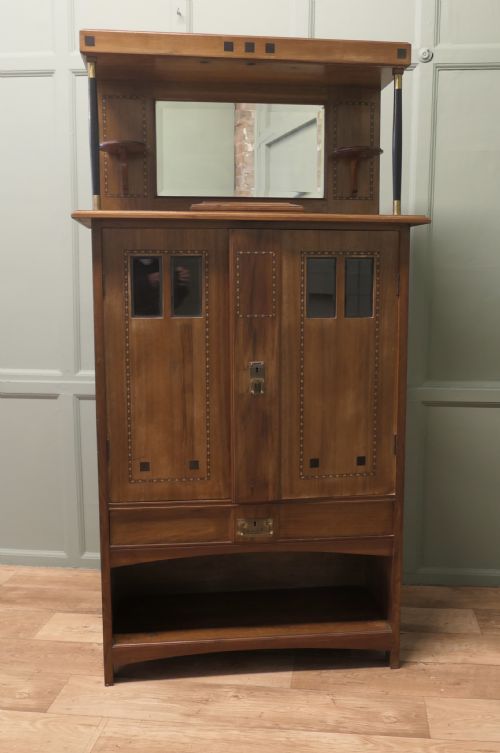
The selection ranges from oak tantalus chests and mahogany wine coolers to walnut cocktail cabinets with fitted glass displays. Edwardian and 1930s examples frequently appear, showing distinct stylistic influences from Queen Anne revival to Secessionist design.
Construction and Materials
Cabinet makers utilised dense hardwoods such as mahogany, walnut, and oak to build these drink storage pieces. Burr walnut veneers and marquetry inlay often decorate the exterior surfaces of later twentieth-century cocktail cabinets.
Internal fittings integrate glass panels, brass hardware, and removable trays to secure bottles and barware. Carved details and moulded woodwork define the structural frames across Victorian and Edwardian examples.
Listings feature woods like mahogany, walnut, and oak alongside specialised forms including tantalus units and cellarettes.
Assessing Craftsmanship and Design
Superior examples demonstrate meticulous timber selection, particularly in figured burr walnut and matched mahogany grains. The integration of functional internal mechanisms, such as metamorphic trays and secure locking systems, distinguishes finer cabinet making.
Coherence of style dictates value, where authentic period revival details sit harmoniously within the overall carcase. The crispness of carved elements and the quality of brass mounts separate standard utility pieces from exceptional commissions.
Waring & Gillows
The Vintage Wooden Bar Cabinet Glossary
- Cellarette
- A lockable cabinet or chest designed specifically for holding bottles of wine or spirits. These containers often featured fitted internal compartments to protect glass decanters during the Georgian and Victorian periods.
- Tantalus
- A locking beverage holder that secures decanters within a wooden frame while keeping their contents visible. This device prevented unauthorised access to costly spirits while displaying the glassware.
- Marquetry
- Decorative woodwork where thin pieces of veneer are applied to a structure to form intricate patterns. Artisans used contrasting timbers to create elaborate pictorial designs on cabinet doors.
- Metamorphic
- Furniture designed to transform its shape or function through clever mechanical movement. These pieces shift from unassuming side tables into fully accessible serving stations.
- Wellington chest
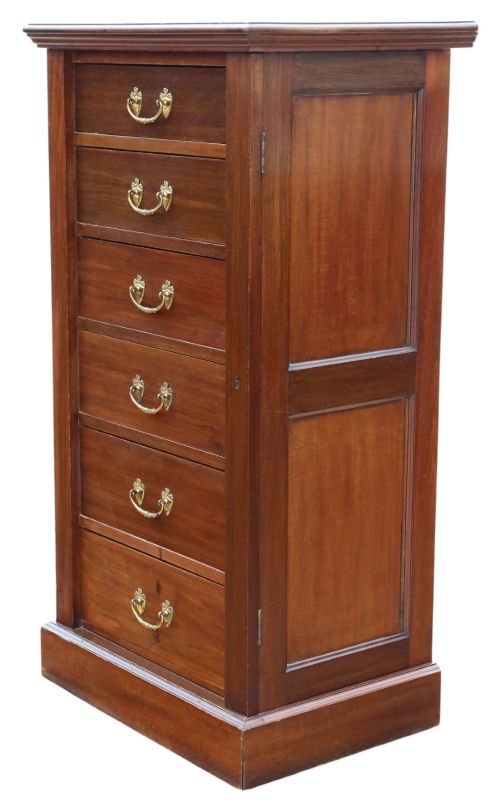
- A tall, narrow set of drawers secured by a hinged vertical locking sidebar. This design originated in the nineteenth century to protect documents or valuables.
Vintage Wooden Bar Cabinet: Frequently Asked Questions
How do I date a cocktail cabinet?
Dating relies on examining the timber, construction methods, and prevailing decorative styles of the era. Art Deco and 1930s pieces typically feature geometric veneers and streamlined chrome or brass hardware.
Earlier Edwardian and Victorian versions display traditional joinery techniques and heavier timber mouldings. Comparing the internal fittings and lock types helps narrow the manufacturing period further.
What is the difference between a cellarette and a cocktail cabinet?
A cellarette is a traditional cellar chest or stand built primarily to store wine bottles and decanters securely. These older pieces date frequently from the Georgian and Victorian eras.
Cocktail cabinets evolved later, particularly during the 1920s and 1930s, to serve mixed drinks in a social setting. They usually include drop-front serving surfaces, glass shelving, and specialised glassware storage.
How should I care for burr walnut veneer?
Burr walnut veneer requires protection from direct sunlight and excessive temperature fluctuations to prevent drying and cracking. Maintaining a stable indoor climate preserves the natural oils within the historic timber.
Polishing should be done sparingly using appropriate wax formulated for antique wood. Avoid applying moisture directly to the veneered surfaces during routine maintenance.
Can I use a antique cabinet for modern barware?
Antique cabinets adapt readily to modern entertaining needs while adding distinct historical character to a contemporary interior. The interior layouts comfortably accommodate standard bottles, modern glassware, and bar accessories.
Removable trays and adjustable shelving found in many period designs assist with practical organisation. Care should be taken to protect interior wood surfaces from liquid spills using coasters or liners.