
Vintage Wood Inlay
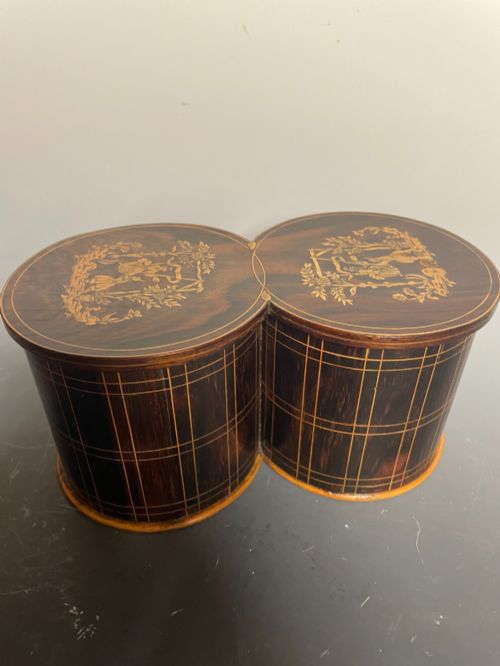
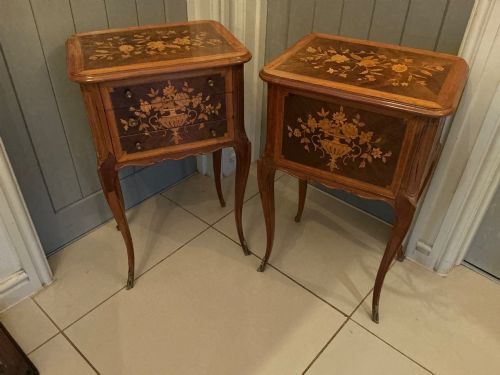
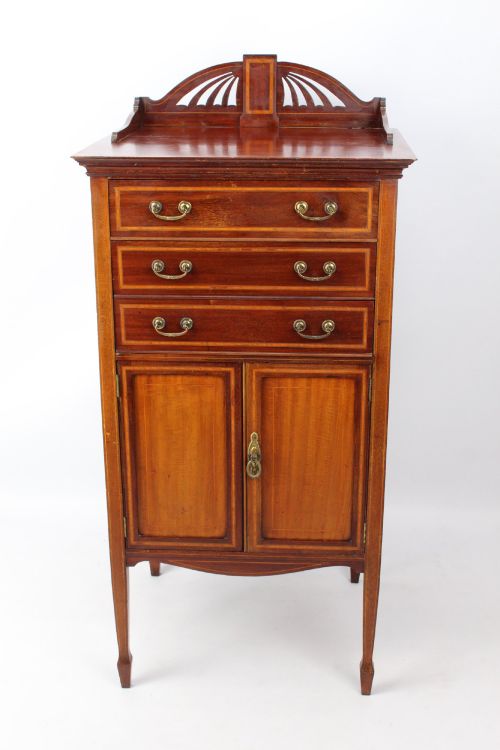
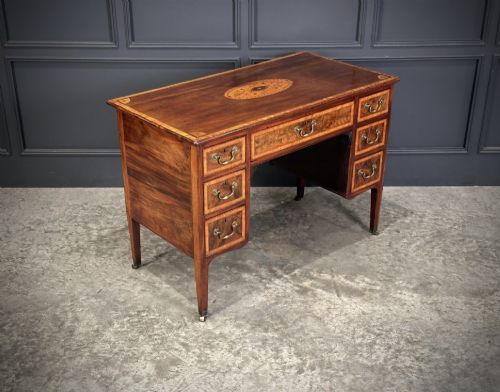
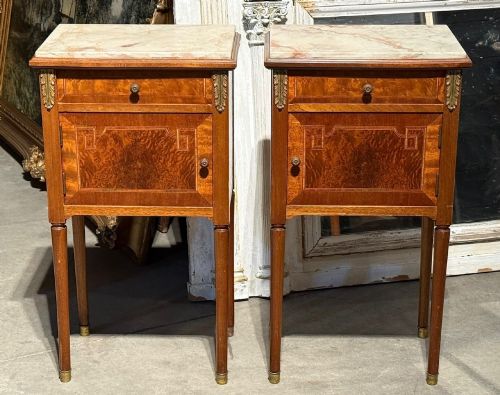
Vintage wood inlay gathers together small furniture and decorative objects adorned with contrasting timber work from the nineteenth and early twentieth centuries.
Vintage Wood Inlay
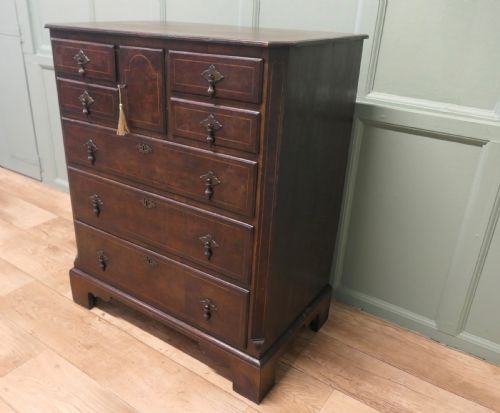
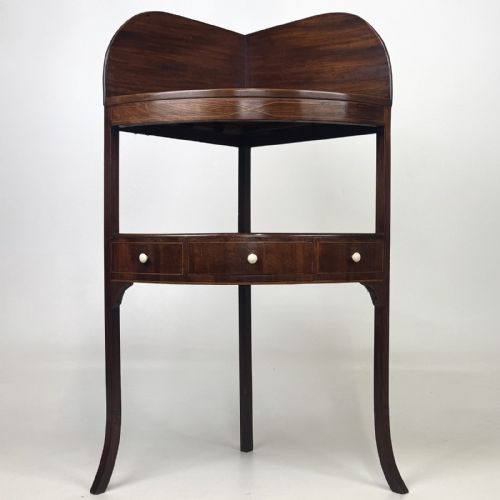
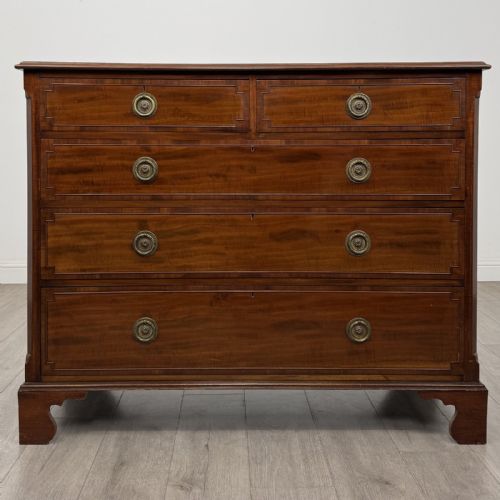
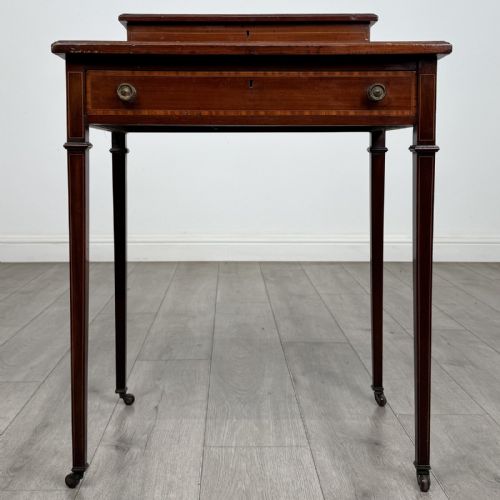
Vintage wood inlay describes items decorated with fitted pieces of timber, shell, or bone embedded into a solid primary ground. When searching this phrase, a buyer examines furniture and decorative items spanning the Edwardian period back through the nineteenth century.
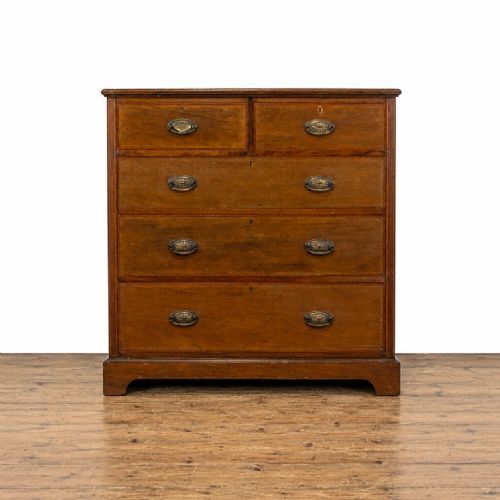
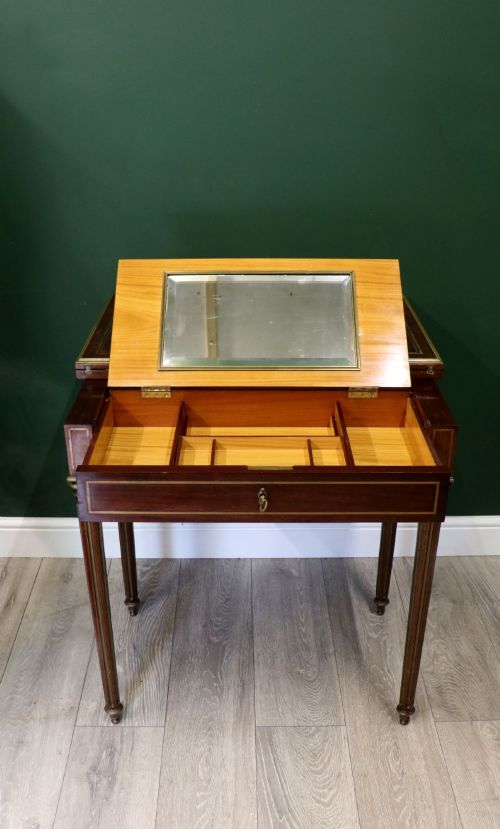
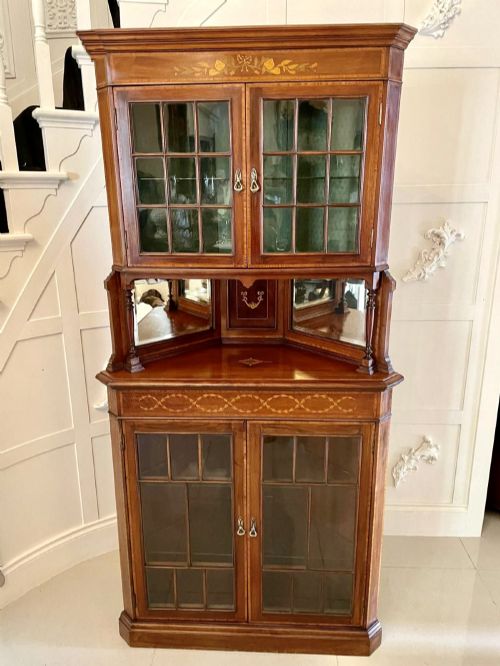
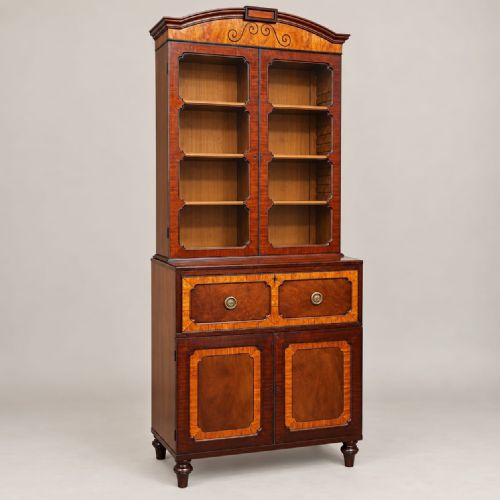
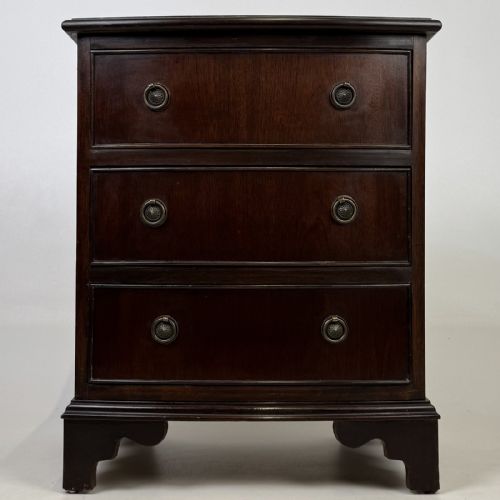
The most common form encountered on this page is Edwardian mahogany occasional furniture featuring contrasting lighter timber details. Tables, cabinets, and small bookcases dominate the selection.
Beyond standard British items, the selection includes pieces with distinct regional origins such as Kashmiri trays, Hoshiarpur occasional tables, and Middle Eastern chests. These examples demonstrate diverse regional woodworking traditions.
Materials and Techniques
Makers utilised mahogany, walnut, and rosewood as primary timber foundations for cabinets and tables. These dark tropical and native hardwoods provided a stable base for decorative surface work.
Contrasting details rely on lighter materials including satinwood, boxwood, and mother-of-pearl. Craftsmen cut these materials into precise geometric or floral motifs to fit shallow recesses carved into the primary wood.
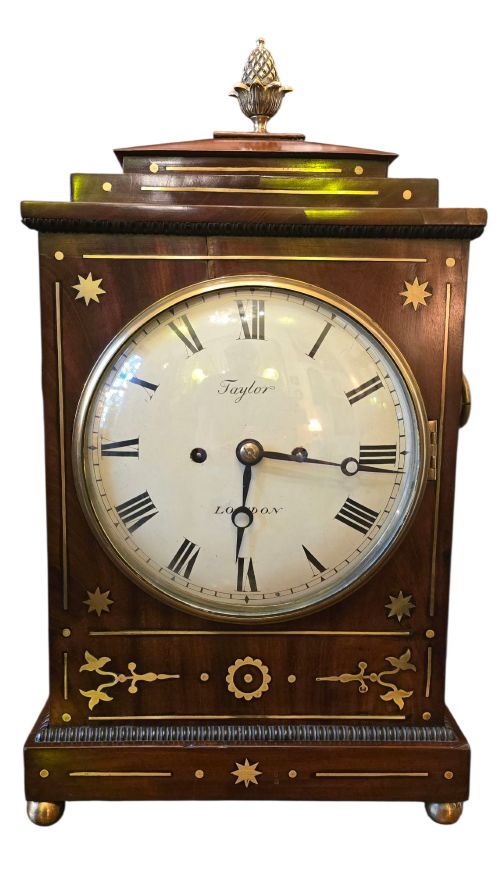
Specialised techniques such as marquetry and parquetry create pictorial scenes or repeating geometric patterns across table tops and cabinet doors. Brass fittings frequently accompany these wooden structures.
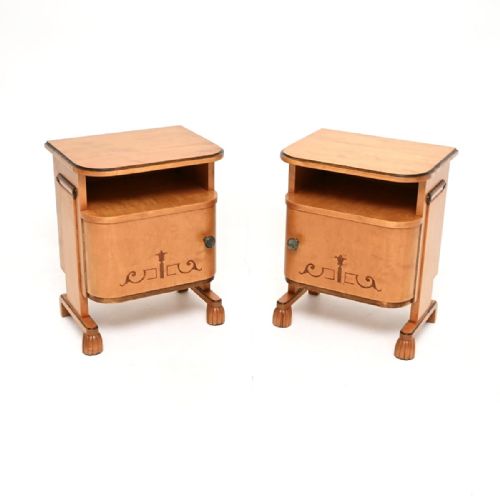
Listings span the nineteenth century up to the nineteen-thirties, incorporating Edwardian, Georgian, and Art Deco styles.
Judgments of Quality
Quality rests upon the precision of the fit between the inlaid sections and the surrounding timber ground. Finer examples display seamless joints without excessive filler or gaps.
The choice of secondary timbers and the crispness of carved details distinguish superior pieces from standard production work. Substantial weight and steady construction indicate better cabinetmaking.
Tahan Paris·GM Elwood for JS Henry
The Vintage Wood Inlay Glossary
- Inlay
- The technique of inserting pieces of contrasting material into a recessed wooden surface to form a decorative design. This method differs from marquetry by carving directly into the solid primary timber.
- Marquetry
- The art of applying veneer pieces to a structural panel to form pictorial or decorative motifs. It allows for complex scrolling patterns across flat surfaces.
- Satinwood
- A durable timber with a natural golden sheen utilised extensively for contrasting details. It provides a bright yellow tone popular in Edwardian cabinetwork.
- Boxwood
- A dense, pale wood employed for fine lines and stringing. Its tight grain allows for sharp cutting in intricate geometric borders.
Vintage Wood Inlay: Frequently Asked Questions
What is vintage wood inlay?
Vintage wood inlay comprises furniture and objects embellished by fitting contrasting timber sections into carved surfaces. These pieces display decorative patterns developed across various historical periods.
Items range from small occasional tables to larger bookcases and cabinets. The craft emphasises surface ornamentation alongside traditional cabinet construction.
How do I date these pieces?
Dating relies on timber selection, structural styles, and overall design characteristics. Edwardian examples often feature light satinwood stringing on mahogany frames, while earlier nineteenth-century items display heavier proportions.
Matching the object type to prevailing decorative revivals helps narrow the period of manufacture. Regional items from Hoshiarpur or Kashmir follow distinct local timelines.
How should I care for inlaid furniture?
Maintain these pieces by avoiding direct sunlight and excessive humidity which can loosen fitted timber elements. Gentle dusting preserves the polished surface without abrasive cleaners.
Applying a suitable wax periodically protects the primary wood and the inlaid sections. Stable indoor temperatures prevent the timber from warping or cracking.
Where were these items made?
The selection includes British items produced during the Georgian, Regency, and Edwardian eras. Local cabinetmakers created much of this domestic furniture.
International pieces originate from French workshops, Kashmiri traditions, and Indian centres such as Hoshiarpur. Each region applied distinct decorative motifs to local hardwoods.