
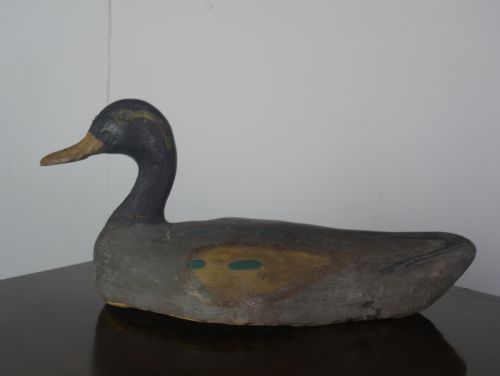


Vintage Wood Duck
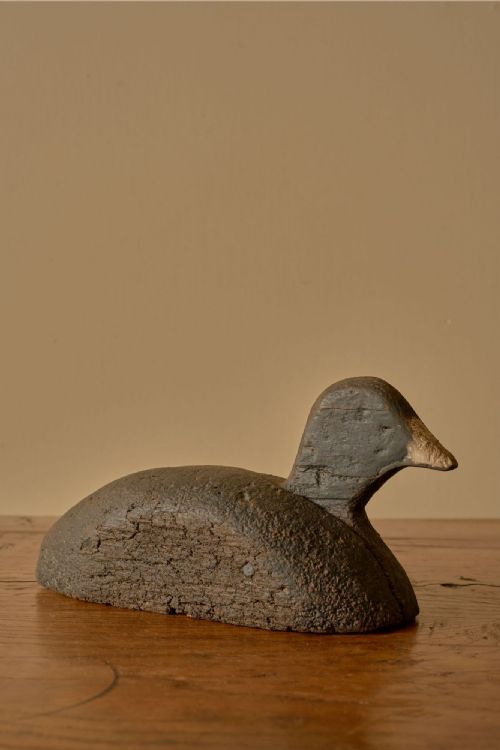
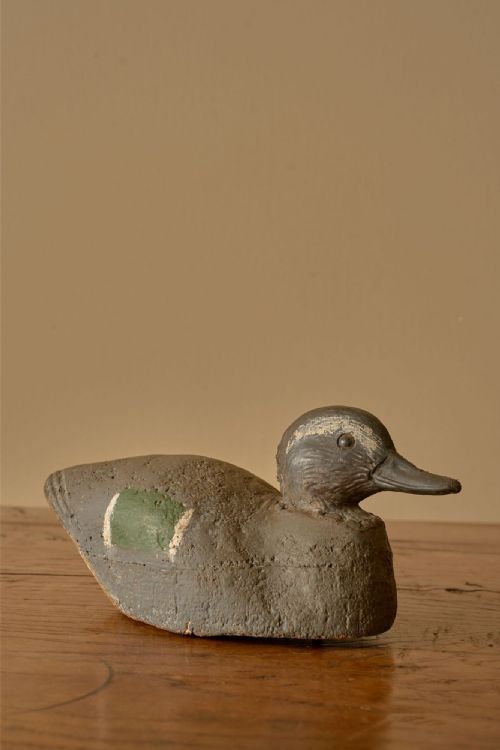
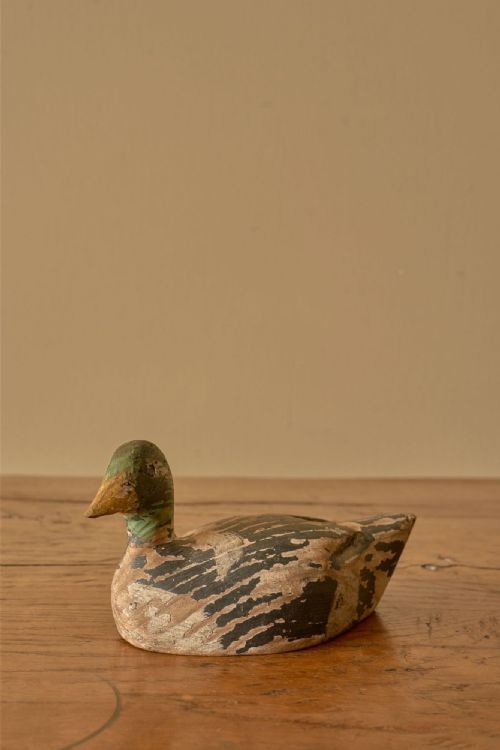
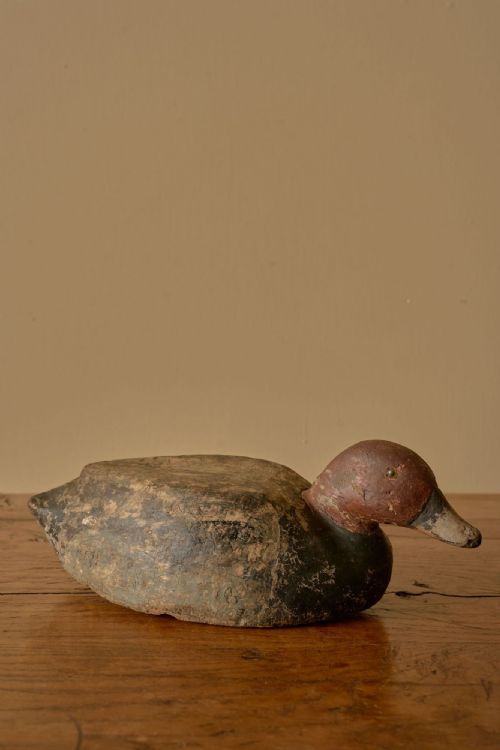
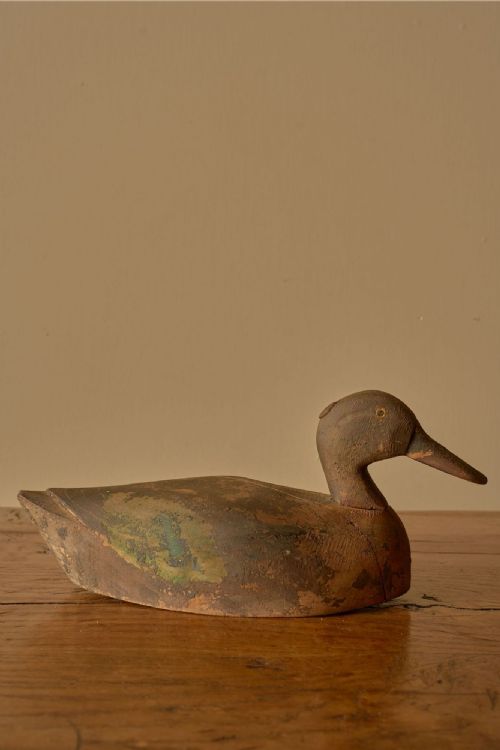
These vintage wood duck carvings bring working country utility and folk art character directly into a modern room.
Vintage Wood Duck
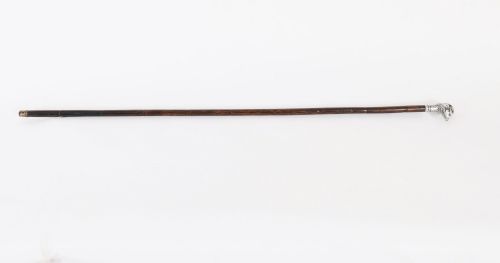
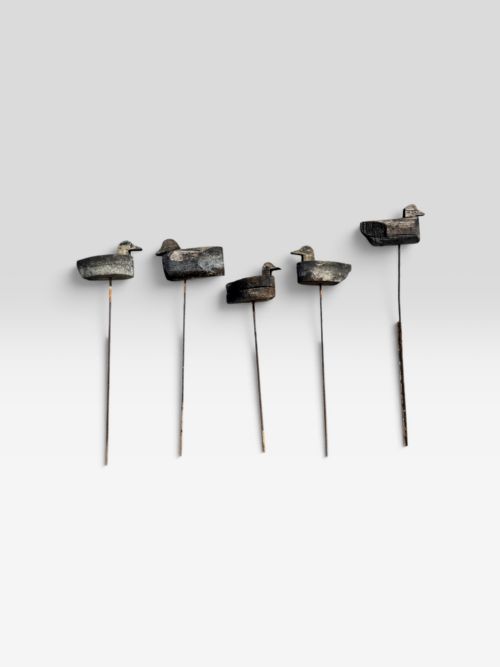
When searching for vintage wood duck, collectors encounter working decoys, walking sticks with carved animal heads, prints, and decorative sculptures from the nineteenth and twentieth centuries. These objects range from English and French folk art waterfowl to Chinese Qing Dynasty hardwood carvings of Mandarin ducks.
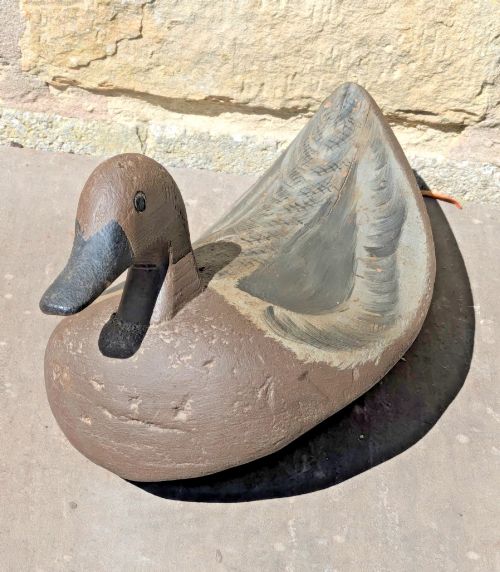
The version most commonly met on this page is the carved timber decoy duck, often bearing hand-painted surfaces that show the wear of actual use on the water. Other frequent forms include framed ornithological engravings and decorative sculptures capturing natural history subjects.
Originating largely from the Edwardian era through the nineteen-thirties, these pieces reflect both utilitarian craftsmanship and regional folk traditions. Buyers choose them for their sculptural presence and the honest patina accumulated over decades.
Materials and construction
The primary material across these listings is solid timber, shaped by hand into bird forms and finished with layered paint or left as polished carved wood. Artisans utilised iron, glass, and paper components in specific items such as walking cane handles and framed ornithological prints.
Decoy construction relied on carving blocks of wood to float upright, followed by hand-painting to mimic the plumage of species like American loons and mallards. Finer decorative items, including Qing Dynasty sculptures, employed dense hardwoods carved with intricate detail.
Quality and character
The distinction between standard examples and superior pieces rests on the expressiveness of the carving and the originality of the painted surface. Stronger items display confident knife work and naturalistic postures rather than stiff symmetry.
Surface preservation plays a major role, as authentic working wear and original paint layers carry significantly more visual interest than later re-paintings. The balance of the form and the integrity of the timber determine the enduring appeal of each decoy or sculpture.
The Vintage Wood Duck Glossary
- Decoy duck
- A carved and painted wooden bird used by hunters to attract waterfowl. These working objects are now collected as folk art.
- Folk art
- Items created by self-taught or traditional artisans using local materials for practical or decorative purposes. This style values directness and utility over academic polish.
- Qing Dynasty
- The final imperial dynasty of China, lasting from sixteen forty-four to nineteen twelve. Carvings from this period often depict auspicious subjects in dense hardwood.
- Edwardian
- The period of British history covering the reign of King Edward the Seventh from nineteen o'one to nineteen ten. Pieces from this era often show refined domestic craftsmanship.
- Ornithological study
- A detailed scientific illustration or engraving of birds. These framed works document natural history through precise line and colour.
Vintage Wood Duck: Frequently Asked Questions
What is a vintage wood duck?
A vintage wood duck typically refers to a carved wooden decoy or decorative sculpture representing waterfowl from the nineteenth or twentieth century.
These pieces encompass working country decoys, walking cane handles, and fine oriental hardwood carvings created for display or utility.
How were decoy ducks used?
Hunters placed wooden decoys on the surface of lakes and rivers to lure wild ducks within range.
Over decades of use, exposure to weather created the distinctive weathered paint and patinated timber surfaces that collectors prize today.
Where do these pieces originate?
The listings include items made in England, France, and China during the Edwardian era and the early decades of the twentieth century.
Regional traditions dictated the carving styles, from rustic European folk art decoys to ornate Qing Dynasty hardwood sculptures.
How should I display a wooden decoy?
Wooden decoys work well placed on bookshelves, sideboards, or coffee tables where their sculptural profiles can be viewed from multiple angles.
Keep them away from direct heat sources and strong sunlight to protect the original painted surfaces and dry timber.