
Vintage Wood Armchair
A vintage wood armchair anchors a room with timber character, bringing solid construction and period design straight to your fireside or desk.
Vintage Wood Armchair
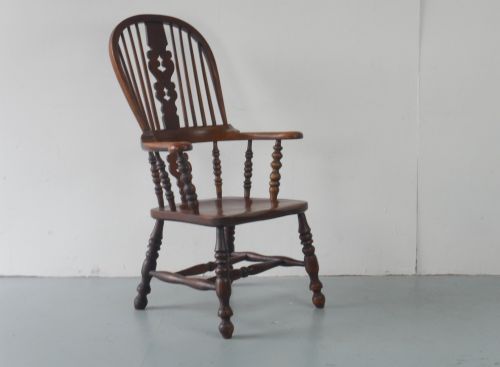
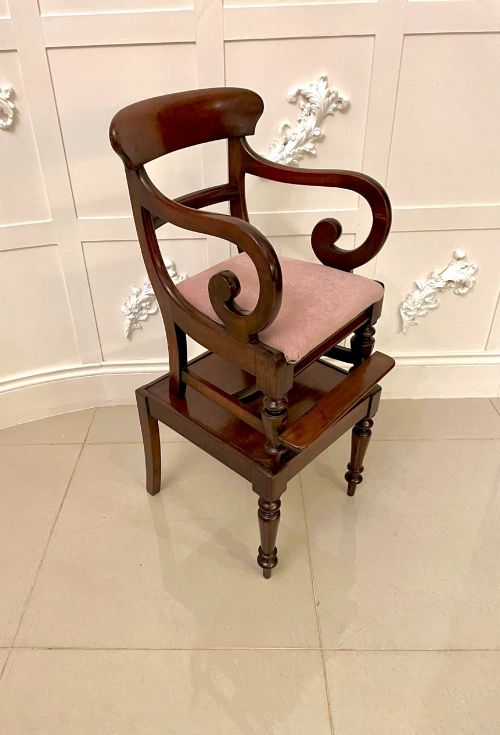
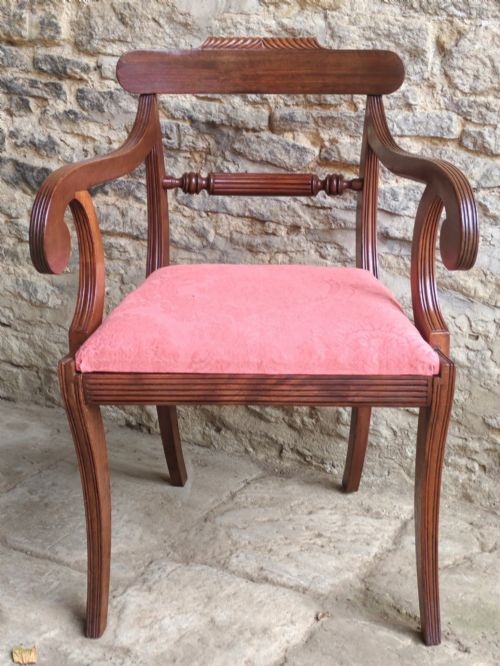
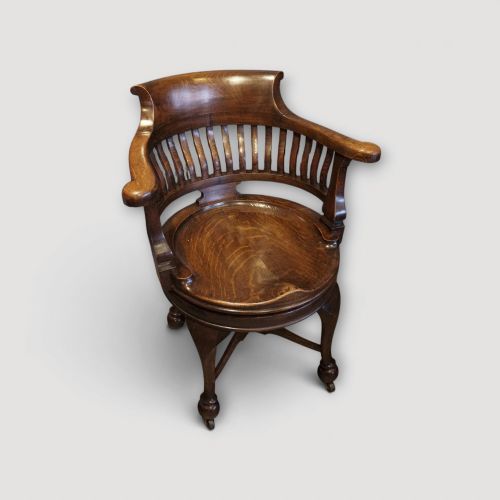
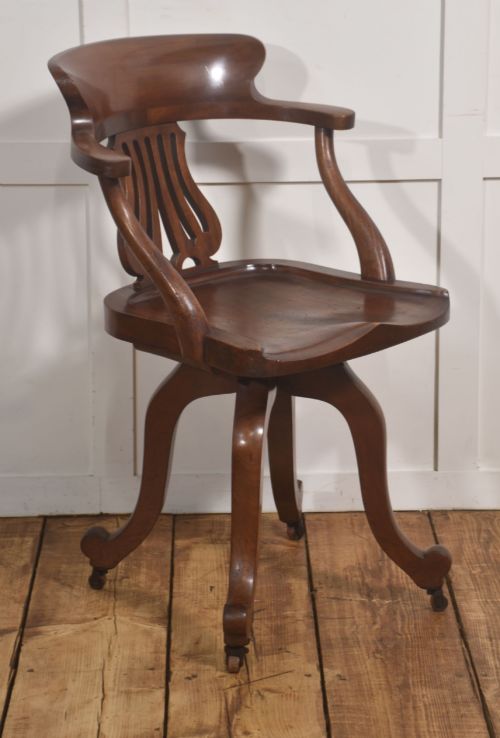
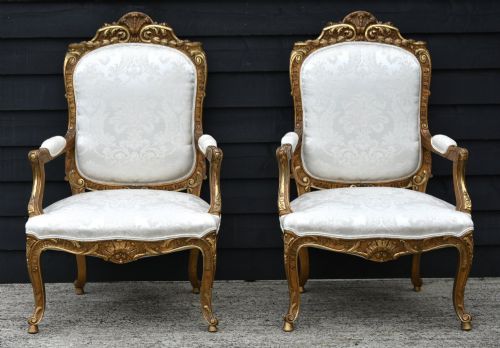
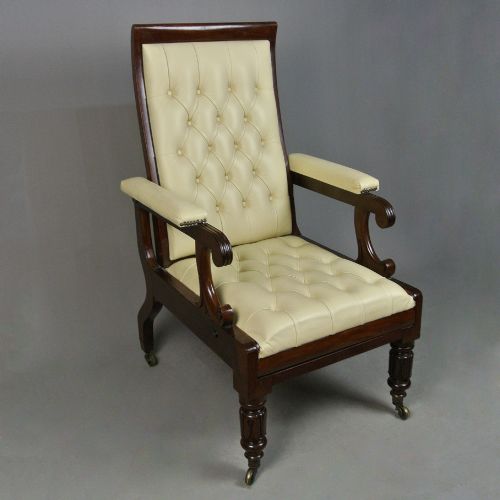
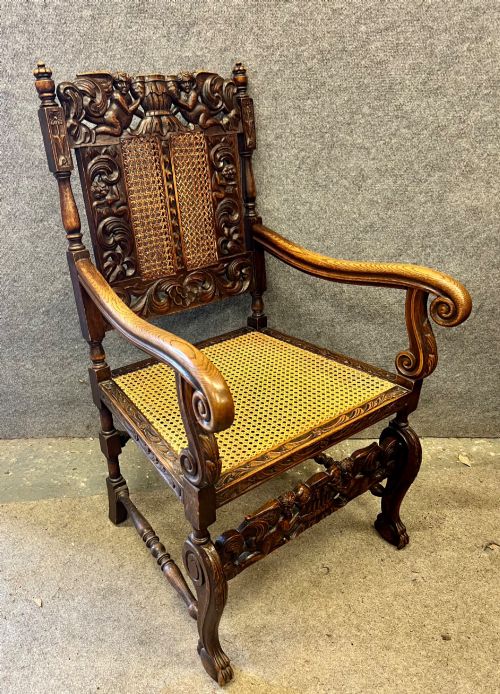
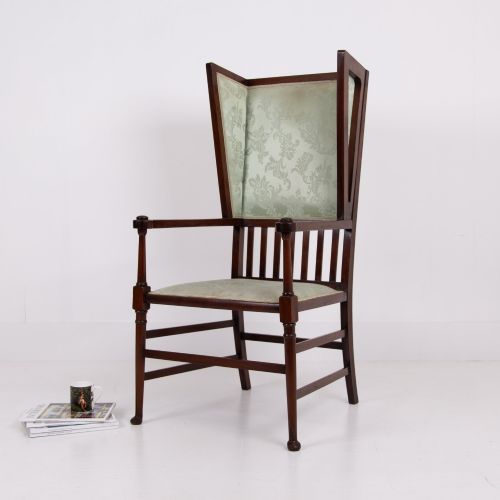
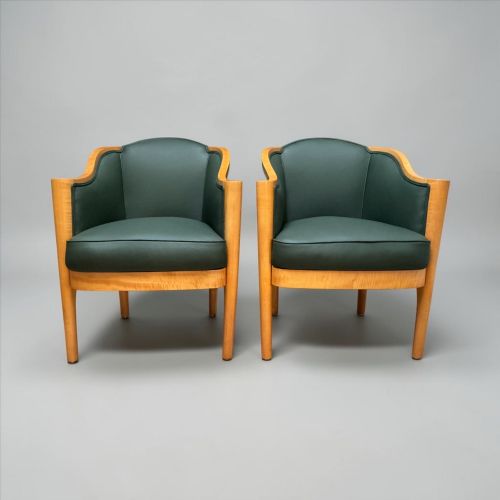
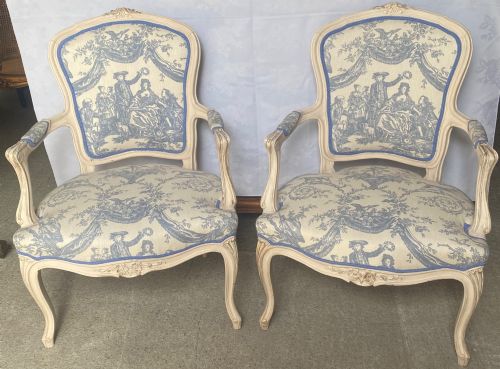
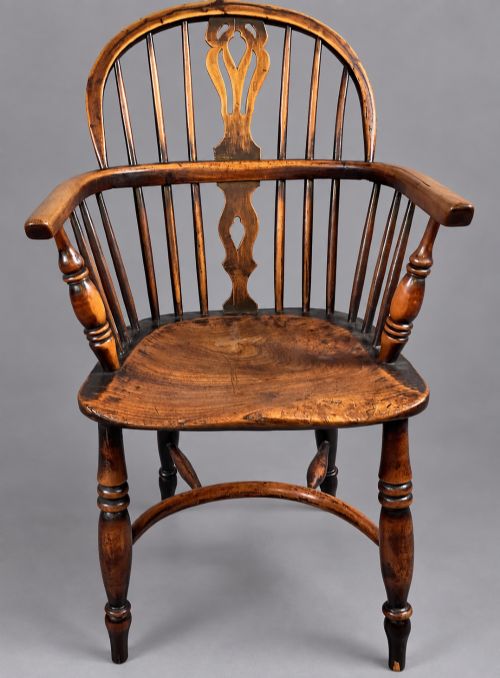
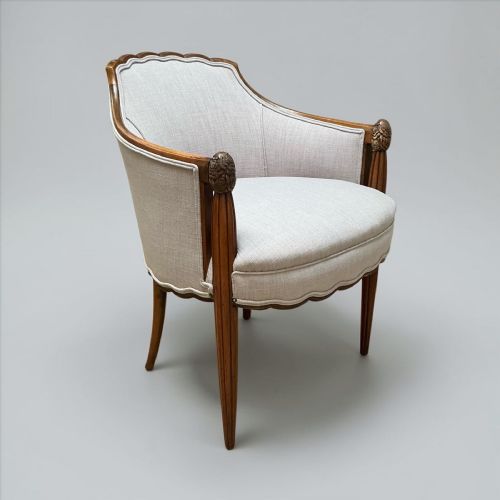
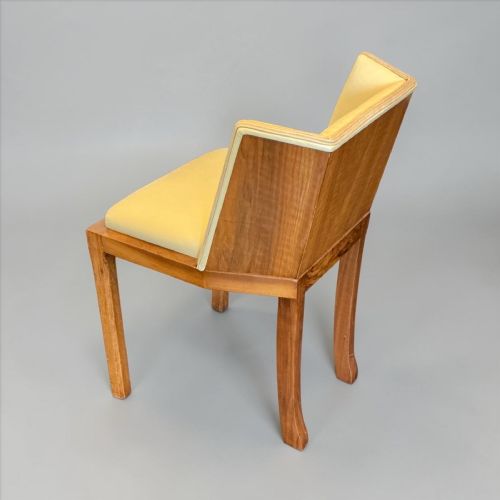
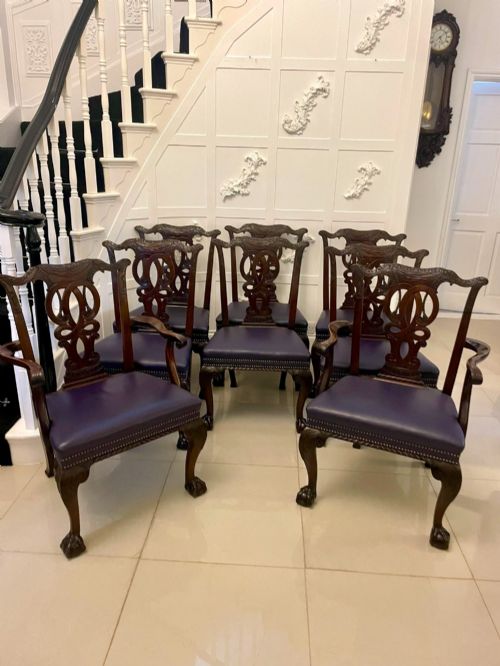
A vintage wood armchair spans sturdy country windsors in elm and beech, formal mahogany library seating, and sculptural art deco frames in birch and satinwood. You will frequently encounter nineteenth-century spindle backs, Edwardian office chairs, and French salon seating when browsing this selection.
The phrase covers everything from low-slung smoker's bows and revolving desk chairs to deep-seated bergères and carved occasional chairs. Regional styles range from English country workshop builds to continental European empire and revival pieces.
Materials and construction
Cabinet makers utilised dense hardwoods such as mahogany, oak, walnut, and rosewood for formal frames, while regional bodgers turned lighter elm, ash, and beech for country stick backs. Steam-bending allowed makers to curve bentwood elements into organic loops, particularly seen in Thonet and secessionist workshop output.
Joinery relies on traditional mortise and tenon joints, pegged constructions, and turned spindles wedged firmly into solid seats. Upholstered variants employ traditional webbing, springs, and horsehair stuffing beneath leather, velvet, or woven fabric covers.
Listings feature timbers including mahogany, elm, ash, beech, oak, satin birch, and rosewood across various European styles.
Assessing craftsmanship
Quality rests in timber selection and the crispness of hand-carved detail, distinguishing master workshop output from simpler regional production. Heavier gauge timbers, tight joint tolerances, and untouched original surface patination elevate a piece above standard utilitarian seating.
Proportion and structural integrity dictate value, where slender arms balance robust undercarriages without unnecessary reinforcement. Maker attribution and retained original upholstery schemes further separate standard survivors from exceptional collector examples.
Maurice Adams·Jacob and Josef Kohn·Thonet
The Vintage Wood Armchair Glossary
- Carver chair
- An armchair designed en suite with a set of dining chairs, usually featuring arms set wider to accommodate formal clothing. These items often anchor the ends of a dining table.
- Windsor
- A wooden chair construction where legs and back spindles are wedged directly into a solid sculpted wooden seat. This vernacular form emerged strongly in English rural workshops.
- Bergère
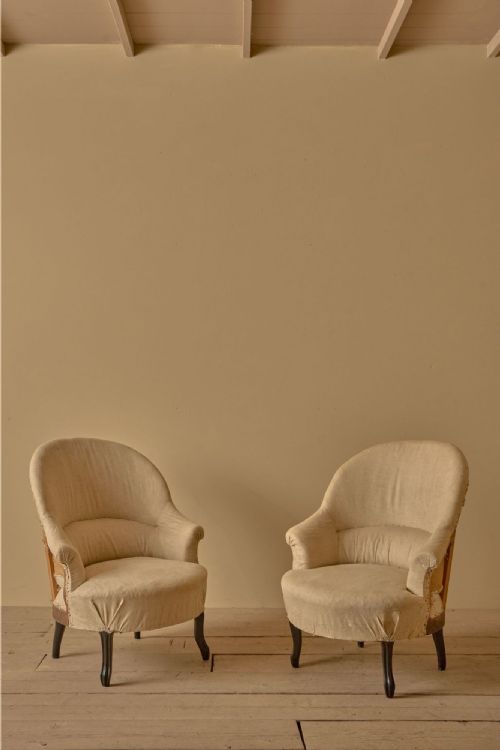
- An enclosed upholstered armchair with wooden framing exposed around the perimeter and tightly woven cane or upholstered sides. Originating in France, they offer deep, comfortable seating.
- Bentwood
- Timber softened by steam and pressed into curved forms using metal straps and wooden moulds. The technique revolutionised lightweight seating production in the nineteenth century.
- Sticks and spars
- The slender turned wooden rods that form the back support of traditional country chairs. They distribute pressure evenly along the sitter's spine.
Vintage Wood Armchair: Frequently Asked Questions
How do I date a wooden armchair?
Examine the tool marks, timber choice, and construction methods visible underneath and inside the frame. Hand-cut joinery and native timbers often point to earlier centuries, while machine-turned components and steam-bending suggest later industrial periods.
Compare the silhouette and decorative motifs against known stylistic periods like Regency, Arts and Crafts, or Art Deco. Secondary wood choices on internal framing can also confirm regional or temporal origins.
Are Windsor chairs comfortable for daily use?
Solid sculpted wooden seats distribute weight naturally, making them surprisingly supportive for sitting over longer periods. Many people add a loose cushion for extra softness.
Their sturdy stick-back construction absorbs movement well without relying on fragile modern springs or foam. Regular maintenance simply involves checking that the leg wedges remain tight.
What is the difference between a desk chair and a salon chair?
Desk chairs prioritise mobility and ergonomic posture, frequently featuring revolving mechanisms, casters, and sturdy timber armrests designed for working environments. They are built heavier to withstand daily office tasks.
Salon chairs focus on decorative elegance and light entertaining, featuring exposed carved frames, upholstered seats, and refined proportions suited for drawing rooms. They use lighter materials and rarely include mechanical adjustments.
How should I care for antique wood furniture?
Keep wooden frames away from direct heat sources and strong sunlight to prevent the timber from drying out and splitting. Maintain a stable room temperature to protect both the wood and any traditional glue joints.
Apply a microcrystalline wax periodically to nourish the surface polish and protect the natural patina. Avoid silicone-based sprays, which can penetrate the grain and damage historic finishes.