
Vintage Wing Chair
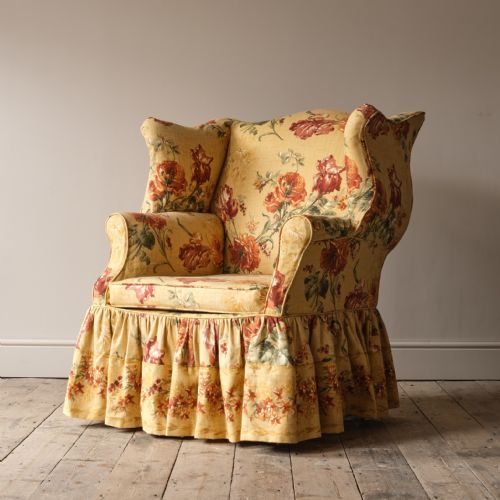
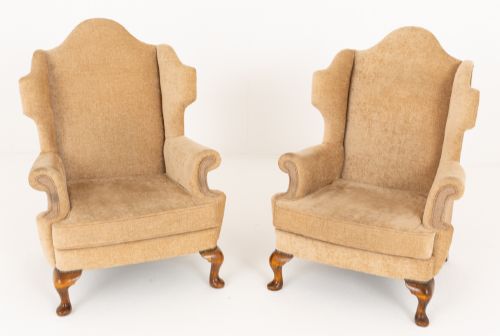
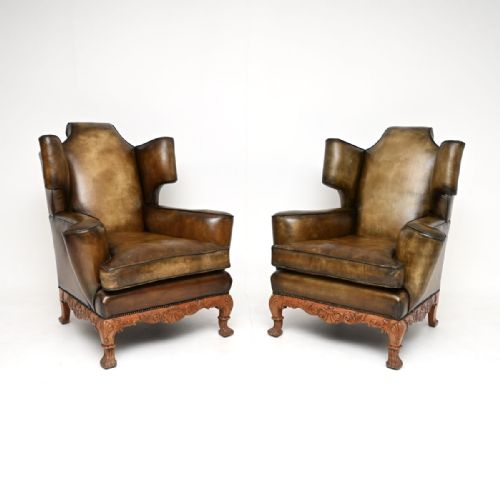
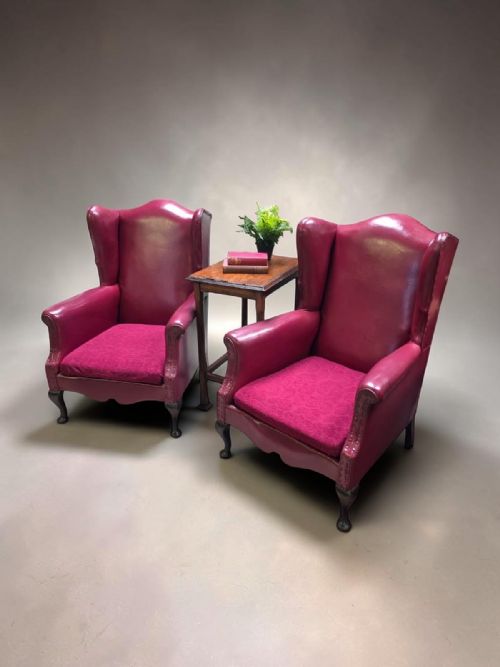
These vintage wing chair examples offer deep side panels and high backs designed to block draughts, bringing traditional comfort to modern rooms.
Vintage Wing Chair
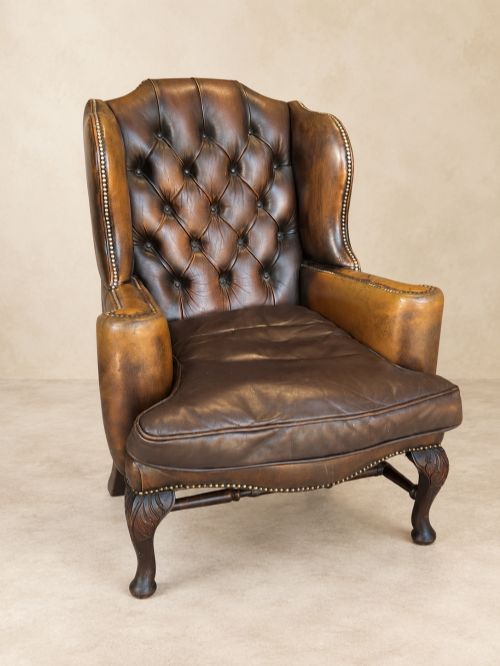
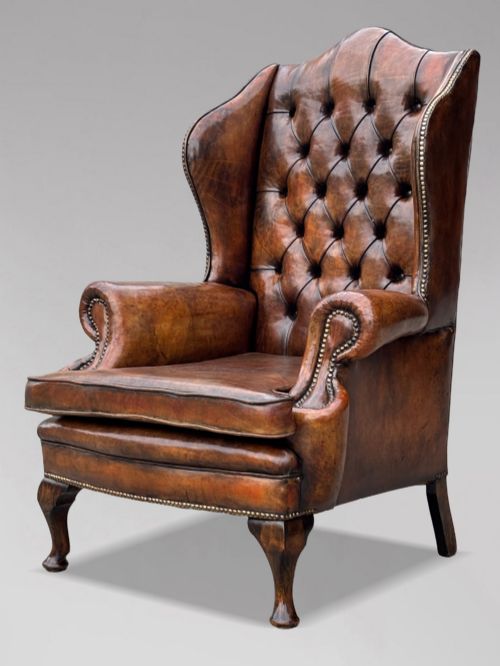
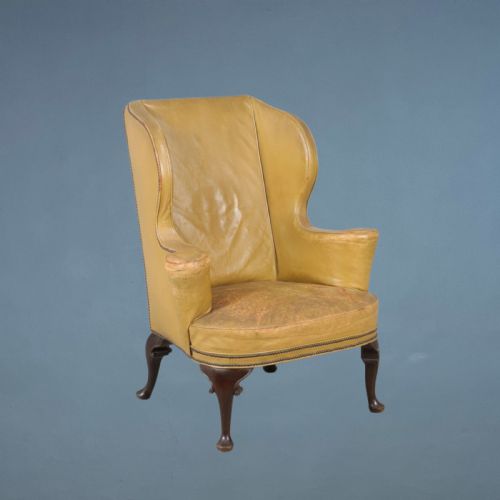
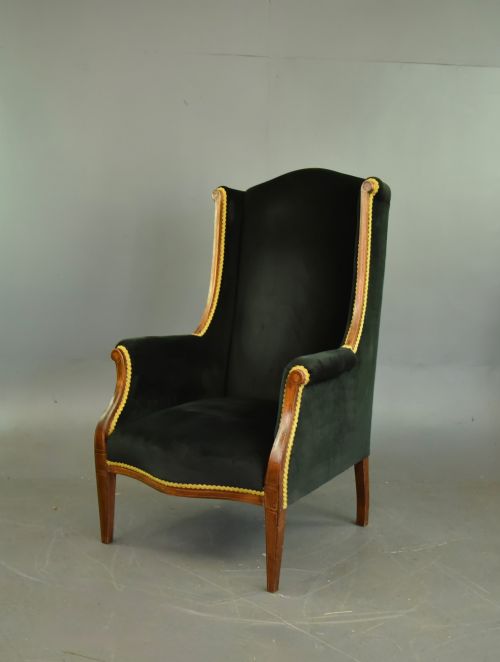
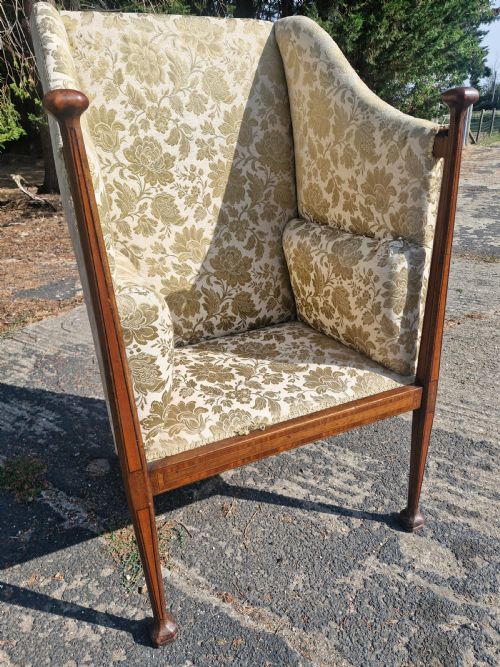
A vintage wing chair provides high protective sides and a deep seat originating from periods spanning the eighteenth century through to the 1930s. The selection includes diverse styles such as Georgian, Victorian, Edwardian, and Queen Anne revival forms.
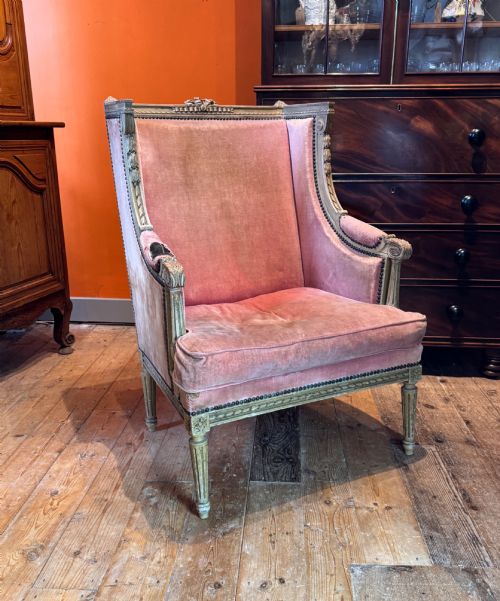
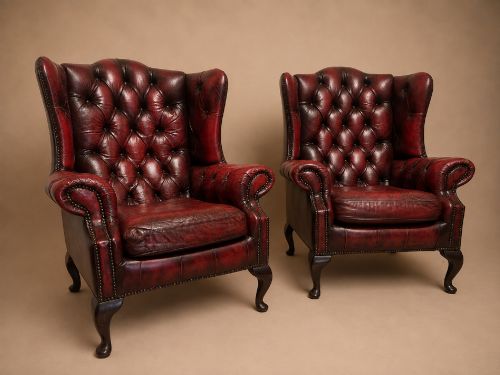
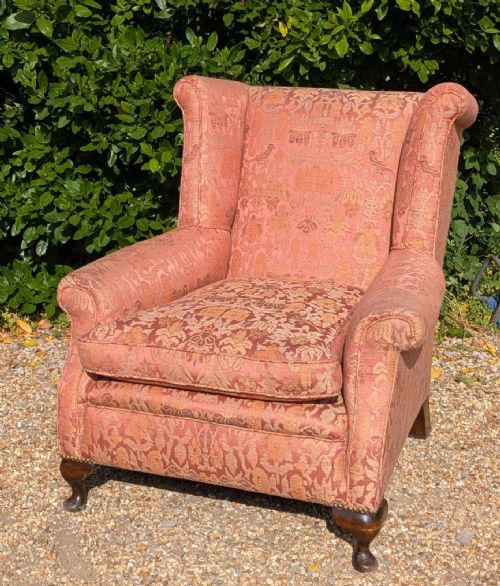
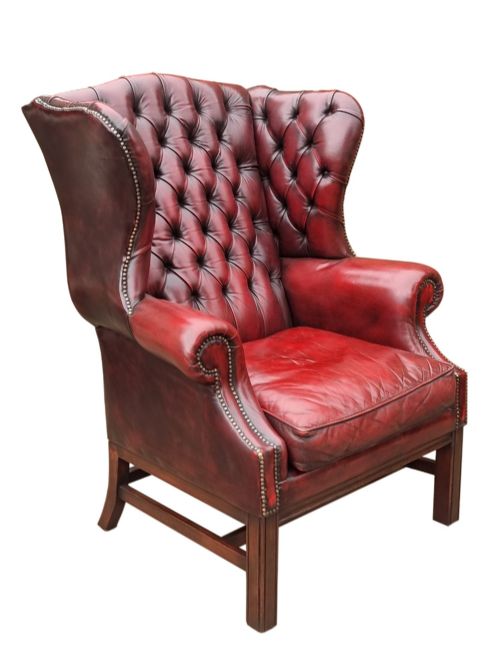
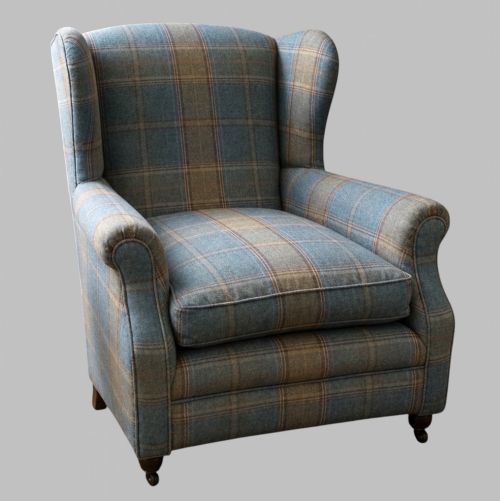
Buyers frequently encounter leather upholstered versions alongside fabric-covered examples in wool plaid, velvet, and chenille. Frames range from full-sized proportions to smaller child variants and barrel-back configurations.
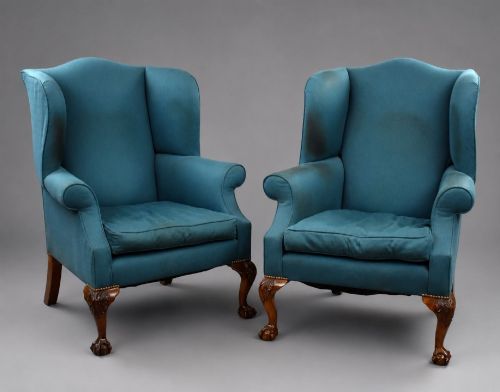
The assortment contains individual armchairs, matching pairs, and multi-piece sets sourced from domestic and continental workshops. Standard wooden frames appear alongside specialised regional designs like Orkney chairs.
Materials and construction methods
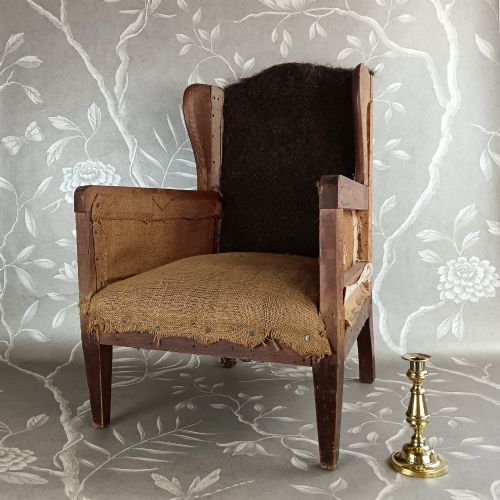
Frames rely on sturdy timbers including mahogany, walnut, oak, hardwood, and beech to support heavy daily use. Traditional upholstery builds the internal shape using horsehair, springs, and feather-filled cushions.
Outer coverings utilise durable natural hides, woolen plaids, velvet, and patterned twill secured with traditional buttoning or close-nailed brass tacks. Wood elements often feature polished finishes, hand-carved details, or inlaid mahogany highlights.
Listings feature hardwood and mahogany frames upholstered in leather, wool plaid, and velvet spanning the eighteenth to the twentieth century.
Distinctions in craftsmanship and condition
Quality rests in the structural integrity of the timber frame, the correct tension of internal springing, and the preservation of original upholstery materials. Pieces retaining early patinated leather or period fabric demonstrate superior historical value.
Execution of carved details on mahogany or walnut legs and the symmetry of the distinctive side wings indicate the skill of the original maker. Substantial proportions and robust joining techniques separate utilitarian seating from finer parlour examples.
Howard And Sons·Whytock And Reid
The Vintage Wing Chair Glossary
- Wingback
- An armchair featuring protective side panels attached to the arms to deflect fireplace draughts. This signature silhouette defines the entire category.
- Buttoning
- Upholstery technique where deep buttons are pulled tight through the padding in a diamond pattern. This secures the internal stuffing and creates a tailored appearance.
- Carolean Style
- Seventeenth-century revival design characterised by baroque scrolling and carved woodwork. It appears on later nineteenth-century interpretations.
- Barrel Back
- A seating form where the upholstered back curves continuously into the arms in a circular enclosure. It offers an alternative to the flat-backed wing design.
- Mahogany
- A durable, reddish-brown tropical hardwood utilised extensively for furniture framing and visible legs. Its dense grain accepts fine carving.
Vintage Wing Chair: Frequently Asked Questions
What is a wing chair used for?
The high back and projecting sides were originally designed to shield the sitter from cold draughts in large rooms with open fireplaces.
Today they function primarily as fireside reading chairs or statement seating in studies and living rooms.
How do I identify a Georgian wing chair?
Authentic pieces from the Georgian era display characteristic stretcher bases, hand-carved mahogany or walnut cabriole legs, and precise proportions.
Later revival pieces mimic these specific eighteenth-century stylistic markers but utilise nineteenth or twentieth-century construction methods.
Are leather wing chairs comfortable?
Leather upholstery offers a supportive, cooling surface that develops a supple patina over decades of regular use.
Internal feather-filled cushions and traditional spring systems provide a yielding seat that conforms to the body.
How do I care for antique upholstery?
Protect fabric and leather surfaces from direct sunlight to prevent fading and keep natural hides nourished with specialised leather balms.
Regular gentle vacuuming removes dust from crevices around buttons and deep tufted folds without damaging the textile.