
Vintage Wing Back
A vintage wing back brings proper draught-excluding comfort and classic upholstery to a room, offering deep-seated support with high protective sides.
Vintage Wing Back
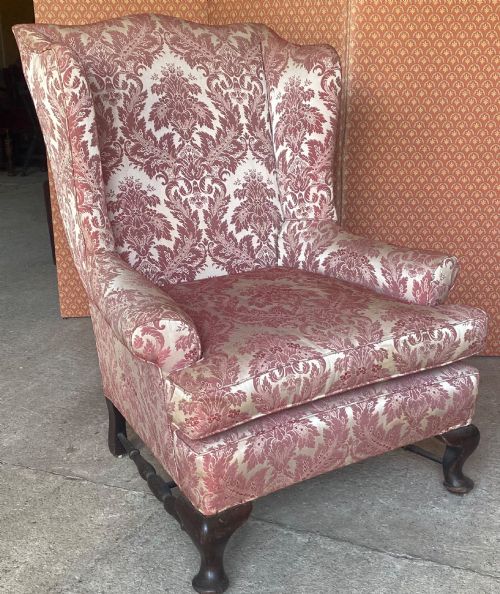
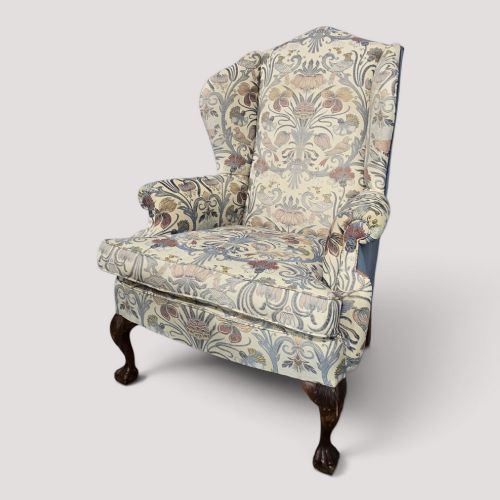
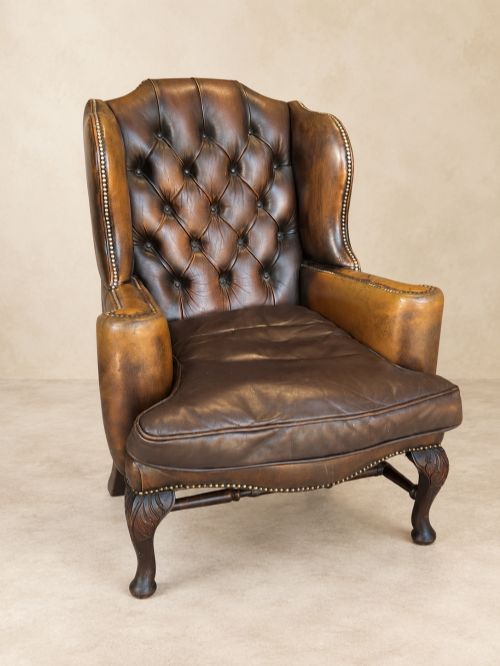
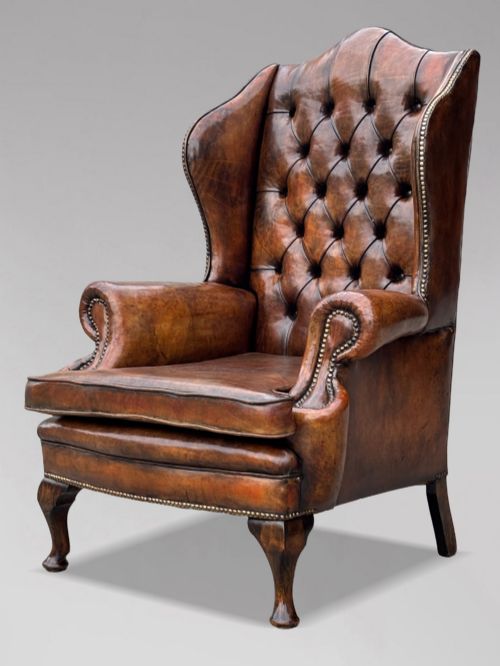
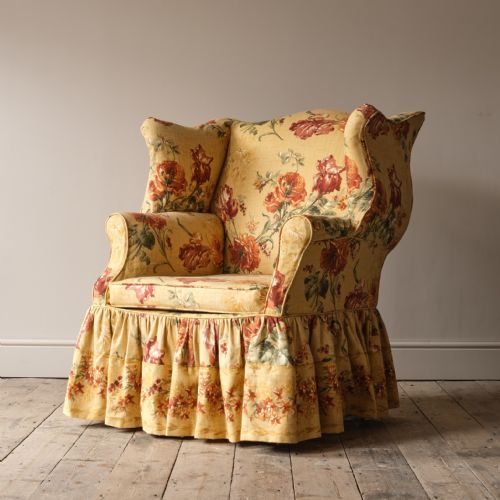
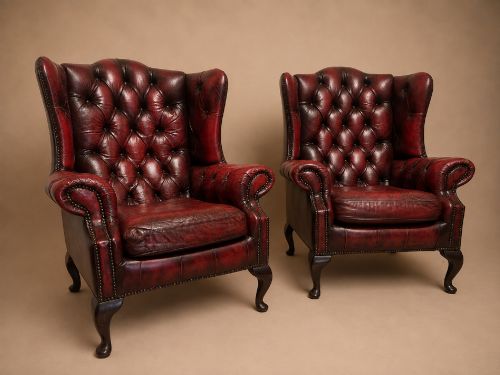
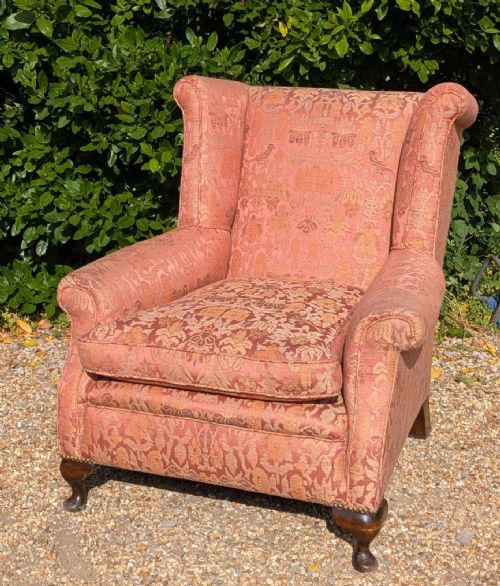
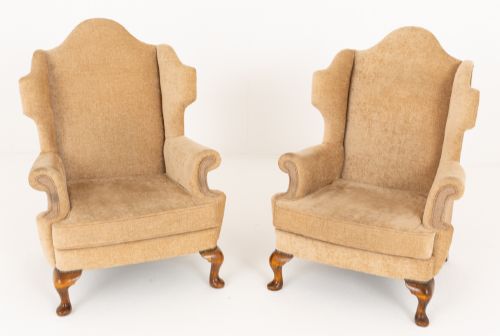
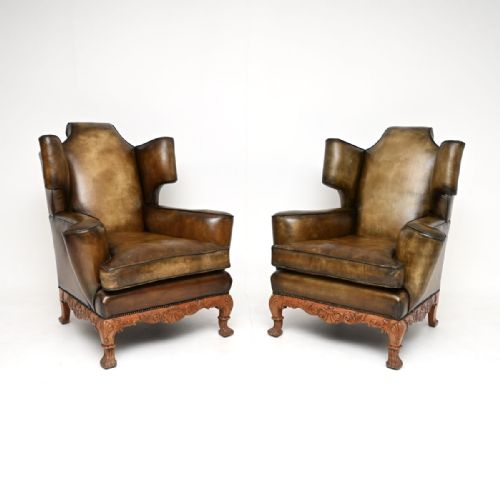
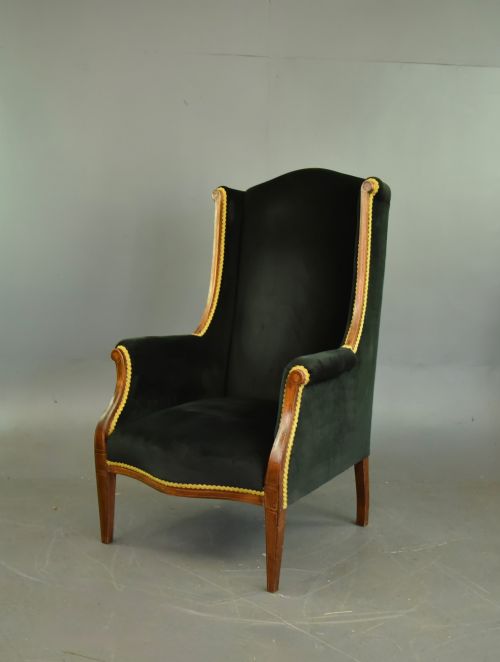
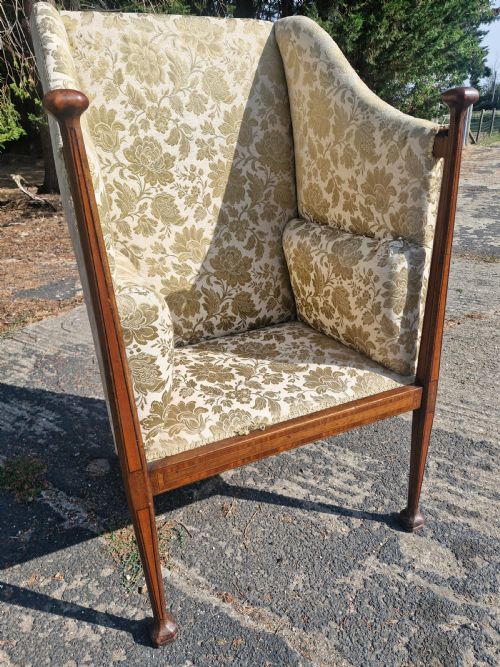
A vintage wing back is primarily represented by substantial armchairs and settees designed with flanking side panels intended originally to trap heat from a fireplace and block draughts. These upholstered forms appear across multiple periods from the eighteenth century through to the Edwardian era and the nineteen-thirties.
How they were made
Frames rely upon timbers such as mahogany, walnut, oak, and general wood or timber, often joined carefully to support heavy padding and upholstery. Brass accents and detailed inlay work sometimes complement the structural woodwork.
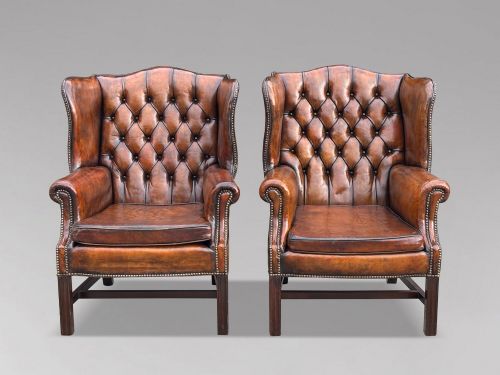
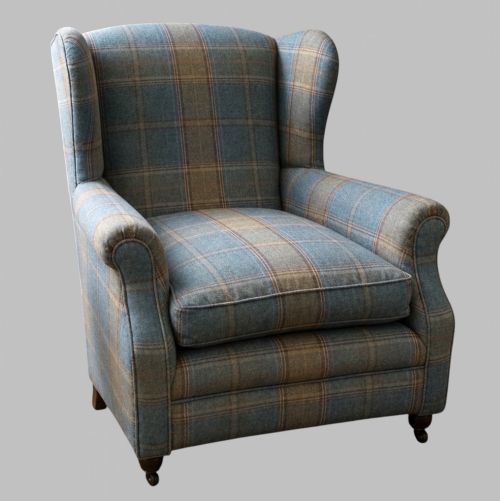
Upholstery techniques incorporate traditional fillings, such as feathers, paired with outer coverings in leather, velvet, wool plaid, and heavy textiles. Deep buttoning and careful stitching secure the materials tightly to the frame.
Early draught-excluding wings were occasionally designed so snugly that gossips could whisper secrets inside without being overheard.
What varies in quality
The standard of timber framing and the integrity of the internal construction dictate the structural firmness and longevity of the seating. Heavier frames with solid mahogany or walnut foundations typically indicate superior craftsmanship.
The choice of covering material and the depth of the upholstery work alter the overall comfort and aesthetic weight of the piece. High-grade leather, rich velvet, and properly stuffed feather fillings separate standard examples from finer ones.
Howard And Sons·Whytock And Reid·CVS
The Vintage Wing Back Glossary
- Wing back
- An armchair or settee featuring projecting side panels attached to the arms and back to shield the sitter from draughts. These panels also help contain warmth around the head and shoulders.
- Buttoned back
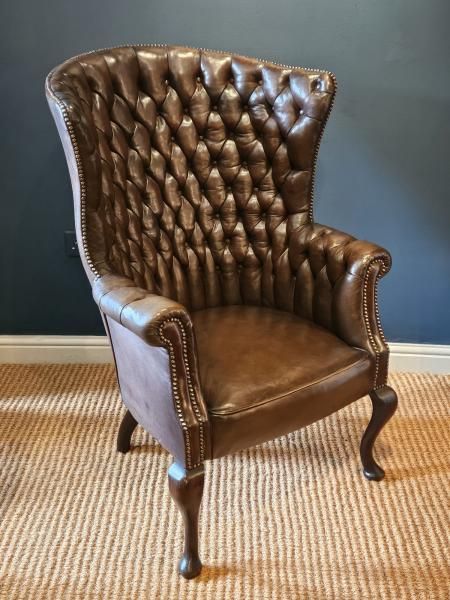
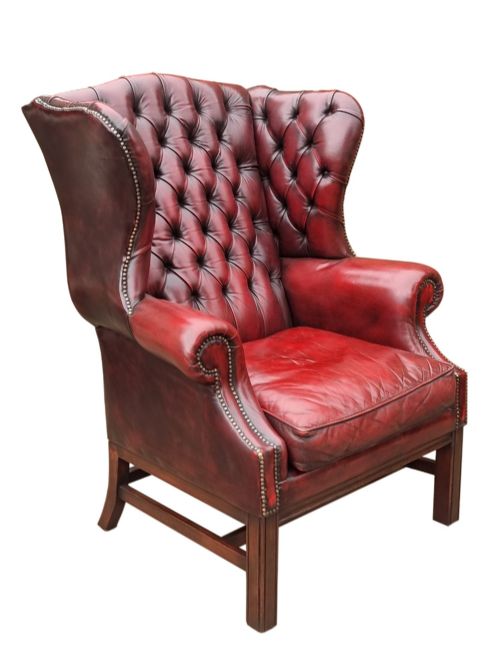
- Upholstery secured with deep indentations held by buttons arranged in a geometric pattern. This technique pulls the fabric tight against internal padding for firm support.
- Bergère
- An enclosed armchair with wooden framing and woven cane or upholstered sides. The style originates from French furniture design.
- Barrel back
- A seating form where the upholstered back curves continuously around to form integrated arms. This creates a semi-circular enclosure for the sitter.
- Chenille
- A fuzzy textured yarn used in woven textiles. It provides a tactile, soft finish to upholstered chair coverings.
Vintage Wing Back: Frequently Asked Questions
What is a wing back chair used for?
These armchairs provide enclosed seating designed historically to protect occupants from cold draughts near fireplaces. The high side panels trap heat and offer comfortable head support for reading or resting.
Today they function as statement armchairs in living rooms, studies, and libraries. Their substantial proportions make them ideal focal points for traditional and country house interiors.
How do I identify a Georgian wing chair?
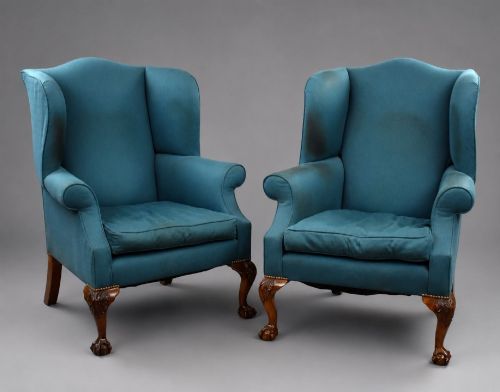
Georgian examples generally display restrained proportions, distinct period leg forms such as cabriole or straight mahogany supports, and traditional stuffing materials. They reflect eighteenth-century cabinet-making styles.
Later revival pieces often imitate these proportions, but material patination, timber density, and construction methods help distinguish eighteenth-century originals from later nineteenth-century interpretations.
Are leather or fabric wing chairs better?
Leather versions offer hard-wearing durability and develop a rich patination over decades of use. They suit studies and libraries where robust seating is preferred.
Fabric options, including wool plaid, velvet, and ticking, introduce softer textures and varied colour palettes to a room. The choice depends entirely on the intended interior atmosphere.
How do I fit a wing chair into a room?
These armchairs require ample floor space due to their high backs and wide projecting wings. Placing them beside a fireplace or in a corner allows them to anchor the room's layout.
Pairing a large wing armchair with smaller side tables or lamps creates a dedicated reading corner. Their traditional presence balances well against modern or classic furniture schemes.