


Terracotta Armchair
When you seek a terracotta armchair, you hunt for a sturdy seat clothed in warm, earthen pile that anchors a room with quiet comfort.
Terracotta Armchair
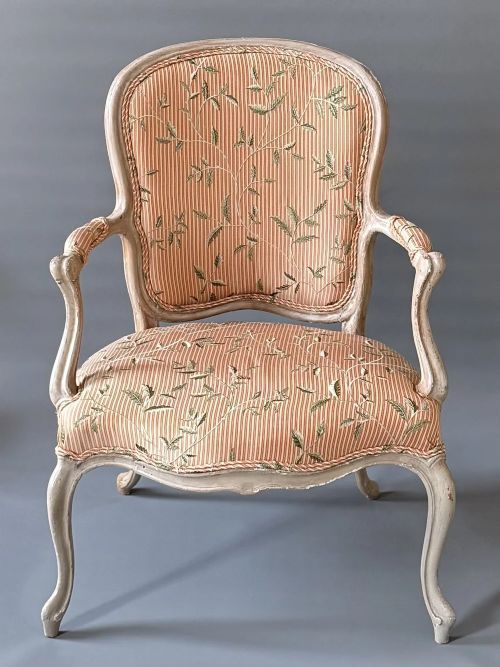
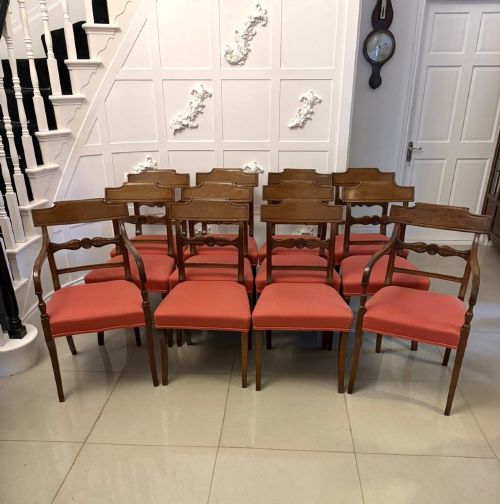
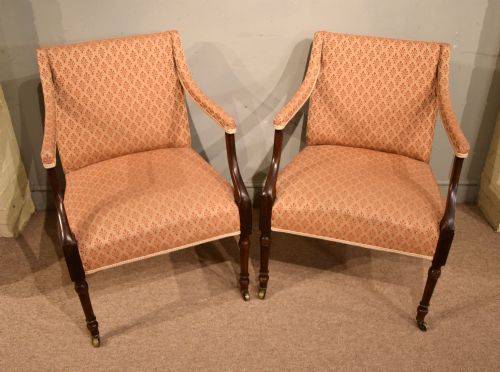
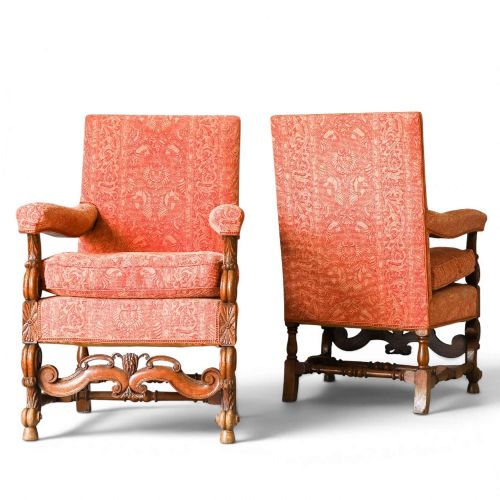
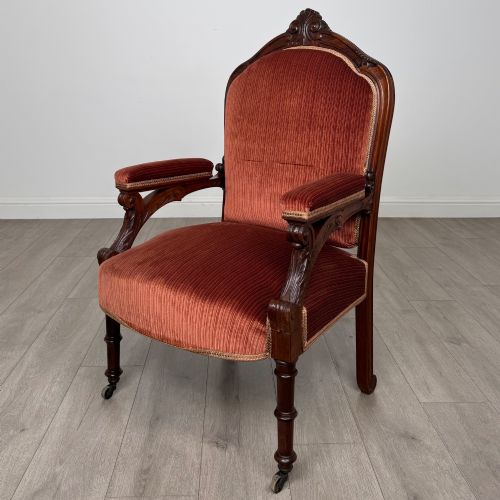
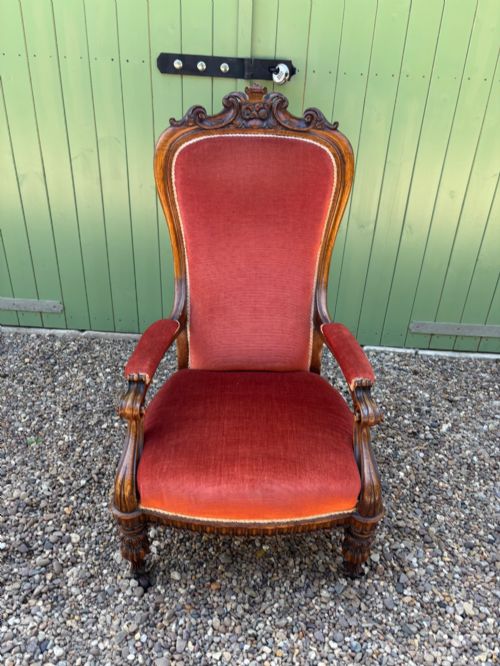
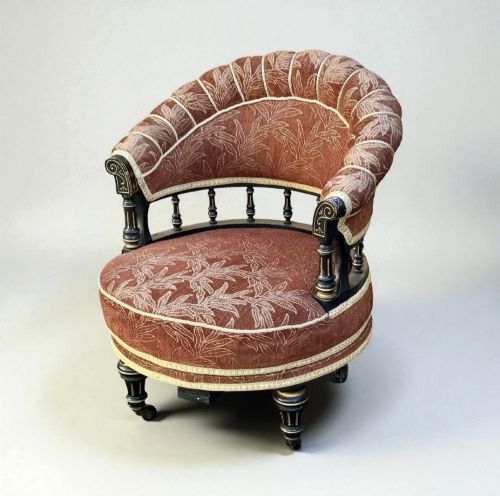
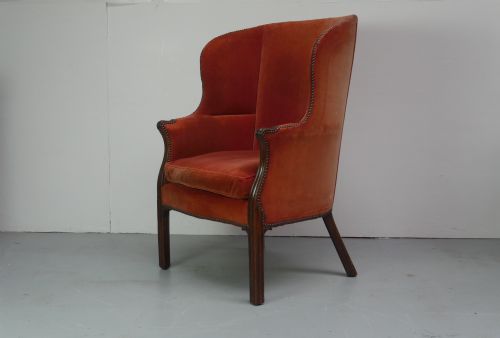
A terracotta armchair brings a distinct earthy warmth to a seating arrangement, anchoring the space with its rich, rust-toned textile. The pieces found here span from the structured elegance of eighteenth-century library designs to the plush upholstery typical of Edwardian and later twentieth-century creations.
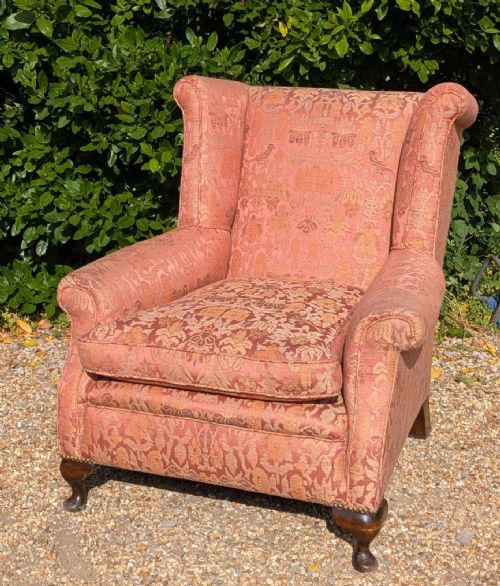
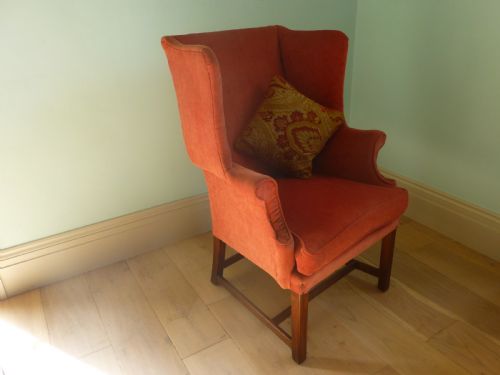
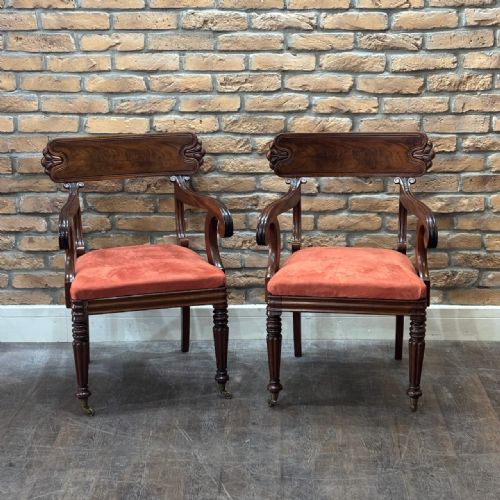
Most examples you encounter merge sturdy timber frames with deep, welcoming cushions. You see high-backed wing chairs, low club chairs, and open-armed elbow seats, each offering a specific posture for reading or relaxing by the hearth.
The aesthetic stretches across multiple design movements, taking cues from Georgian craftsmanship, Victorian opulence, and Edwardian ease. These diverse styles share a common reliance on substantial woodwork paired with tactile, coloured fabric.
Materials and Construction Methods
The framework relies on dense hardwoods such as mahogany, oak, walnut, and rosewood, chosen for their structural integrity and ability to support heavy carving. Cabinetmakers shaped these timbers into sturdy legs, arms, and structural supports, frequently employing brass accents and gilt detailing to elevate the appearance.
Upholstery defines the character of these seats, utilising plush materials like velvet, damask, fabric, and chenille twill to provide both texture and durability. Internal stuffing often incorporates traditional feather fillings, secured within robust frames that ensure long-lasting support.
Georgian library chairs and Victorian tub chairs appear alongside Edwardian wingbacks and twentieth-century club forms in these listings.
Assessing the Standard of Craftsmanship
The distinction between ordinary and exceptional pieces rests upon the precision of the woodwork and the integrity of the frame. Master carvers executed crisp, balanced details on mahogany and oak, whereas lesser examples display softer lines and simpler joinery.
Textile selection and upholstery technique dictate the longevity and tactile appeal of the seat. Superior items feature dense, high-grade velvet or damask expertly secured to resilient internal padding, ensuring the silhouette remains firm and inviting through decades of use.
Howard And Sons
The Terracotta Armchair Glossary
- Wing chair
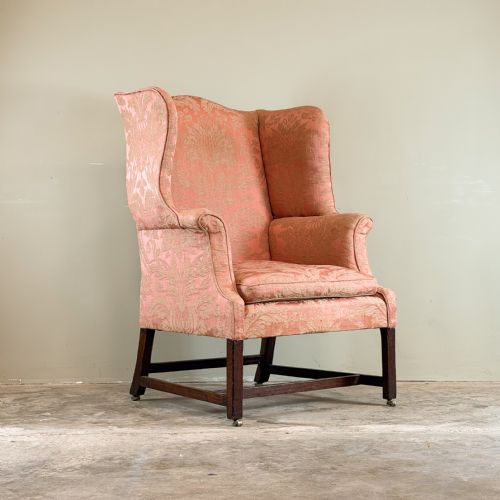
- An armchair featuring side panels designed to shield the sitter from drafts and retain heat from a fireplace. These high-backed seats became popular during the Georgian period.
- Barley twist
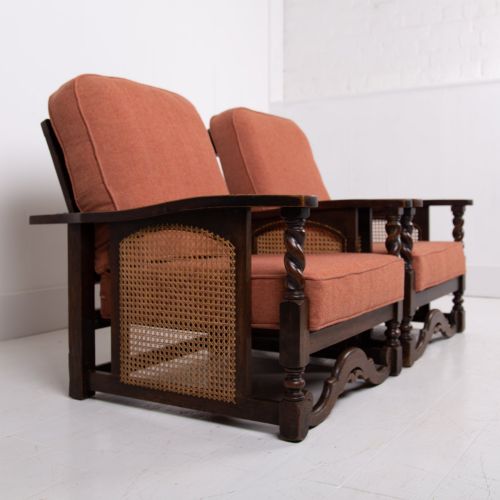
- A decorative turning technique resembling a spiralling rope, frequently utilised on the wooden legs and stretchers of Victorian seating. This method adds visual texture to the frame.
- Knole sofa
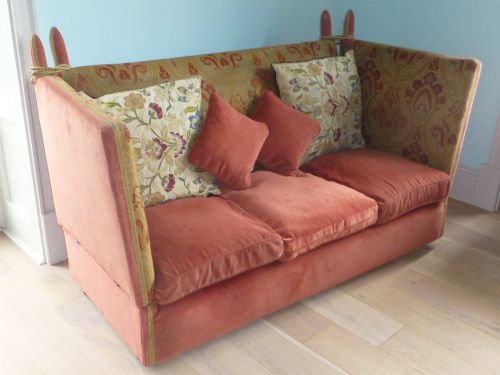
- A deep-seated form featuring adjustable hinged arms that can be lowered or raised, originating from a seventeenth-century aristocratic estate. Later Victorian interpretations adopted similar drop-arm mechanisms.
- Damask
- A reversible figured fabric woven on a jacquard loom, traditionally featuring floral or botanical patterns. It offers a subtle sheen and durable weight suitable for formal upholstery.
Terracotta Armchair: Frequently Asked Questions
How do I care for terracotta velvet upholstery?
Vacuum the fabric gently with a soft brush attachment to lift dust and prevent the pile from crushing. Keep the chair away from direct sunlight to preserve the rich rust tone.
Address accidental spills immediately by blotting with a clean, dry cloth rather than rubbing. Professional cleaning is recommended periodically to maintain the depth and softness of the textile.
Where should I place a wing armchair?
A wing armchair suits a quiet reading corner, a study, or beside a drawing room fireplace where its high side panels can block drafts. Its substantial silhouette provides a strong visual anchor for large open spaces.
Ensure adequate clearance around the chair so the arms and back can be appreciated from multiple angles. Pairing it with a small mahogany side table creates a functional and balanced vignette.
How can I distinguish eighteenth-century frames?
Eighteenth-century frames typically exhibit dense, heavy mahogany or walnut timbers with hand-carved details that reflect Georgian proportions. Look for refined cabriole legs or straight, fluted supports depending on the specific decade.
Examine the underside and joints for evidence of traditional joinery, such as hand-cut dovetails and pegged mortise and tenon connections. These structural indicators point to the period of origin before mass production.
What defines Edwardian seating comfort?
Edwardian seating prioritises relaxed proportions and deep, supportive cushioning designed for casual drawing-room conversation. Frames from this era often balance lighter oak woodwork with expansive upholstered surfaces.
These pieces moved away from the heavy, sombre tones of the late Victorian era in favour of brighter fabrics and approachable silhouettes. They integrate easily into modern living spaces while retaining traditional craft methods.