
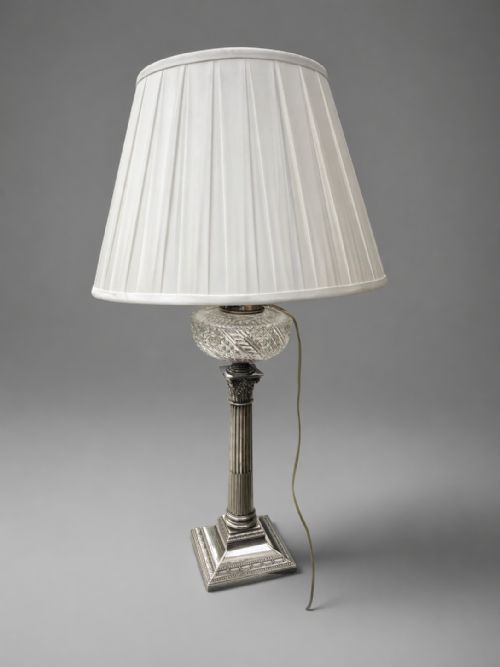


Vintage White Glass Shade
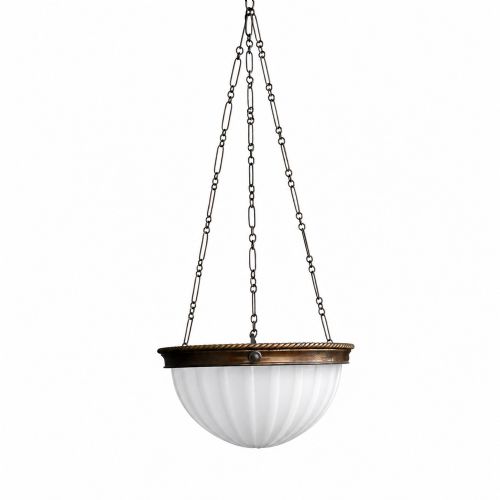
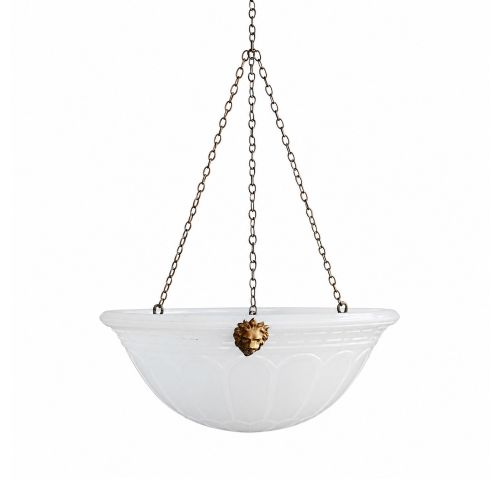
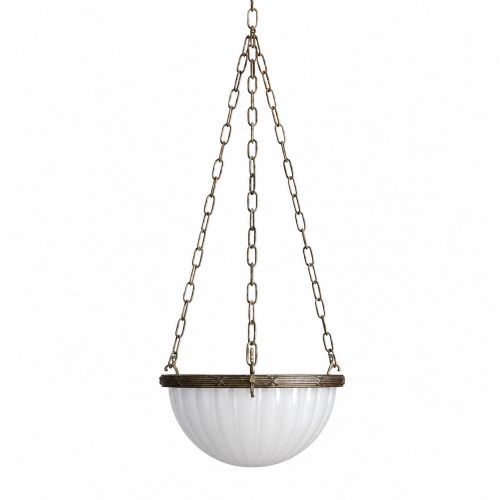
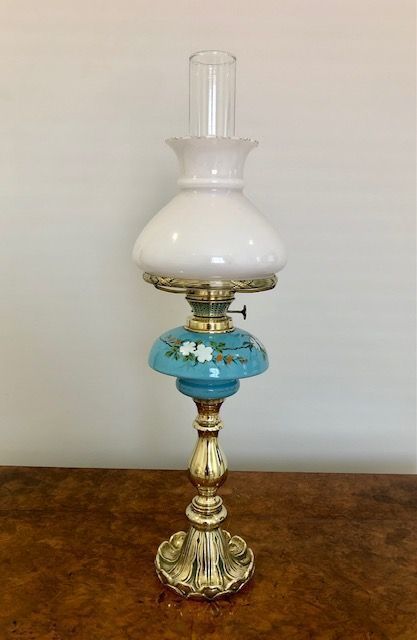
A vintage white glass shade diffuses light with a soft milky glow, bringing period character to ceiling fixtures, pendants and oil lamps.
Vintage White Glass Shade
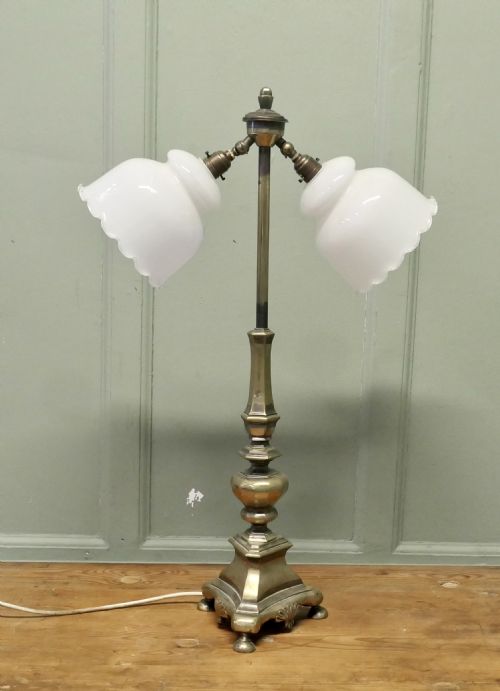
When you search for a vintage white glass shade, you encounter functional lighting components spanning the Victorian era through the Art Deco period. These items appear primarily as replacement shades for oil lamps, pendant lights and ceiling fixtures made from the late nineteenth century to the 1930s.
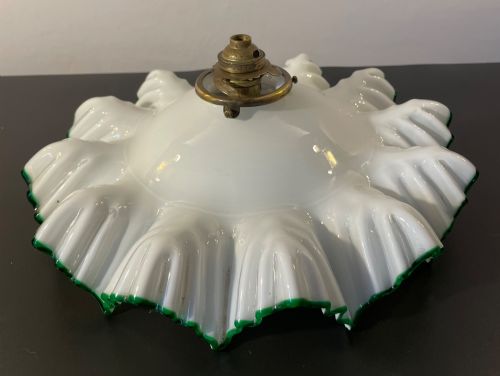
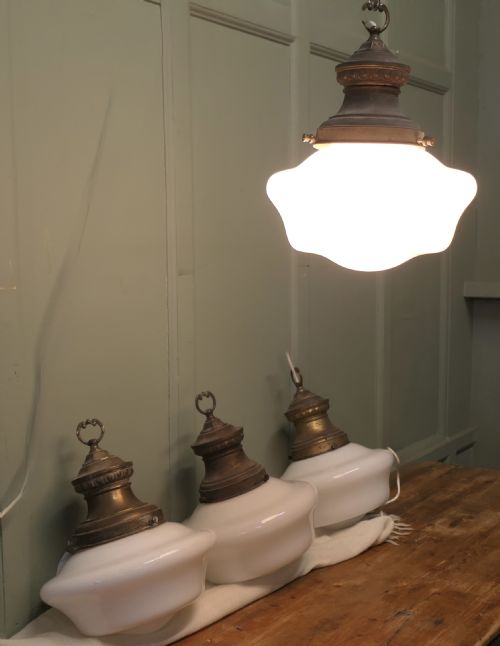
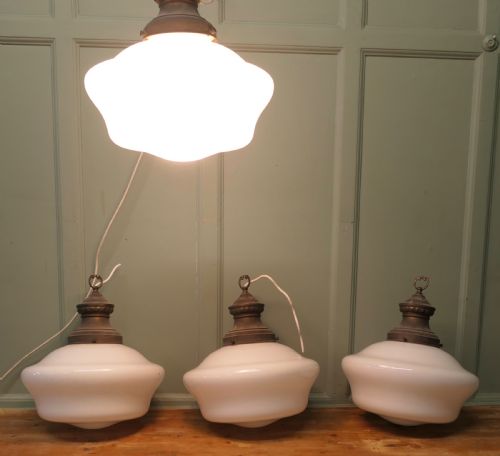
The selections on this page draw from periods including the 19th Century, Victorian, Edwardian, 1900, 1910, 1920 and 1930. Common forms include frilled edges, conical pendants, pear shapes and moonstone globes originally designed for domestic or commercial illumination.
Makers and designers worked within styles such as Art Nouveau, Art Deco, Industrial, Arts and Crafts and Neoclassical. These pieces functioned in settings ranging from oil-burning table lamps to early electrical installations in England and France.
How they were made
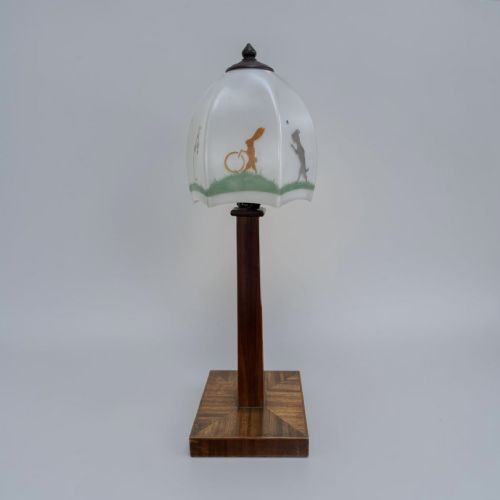
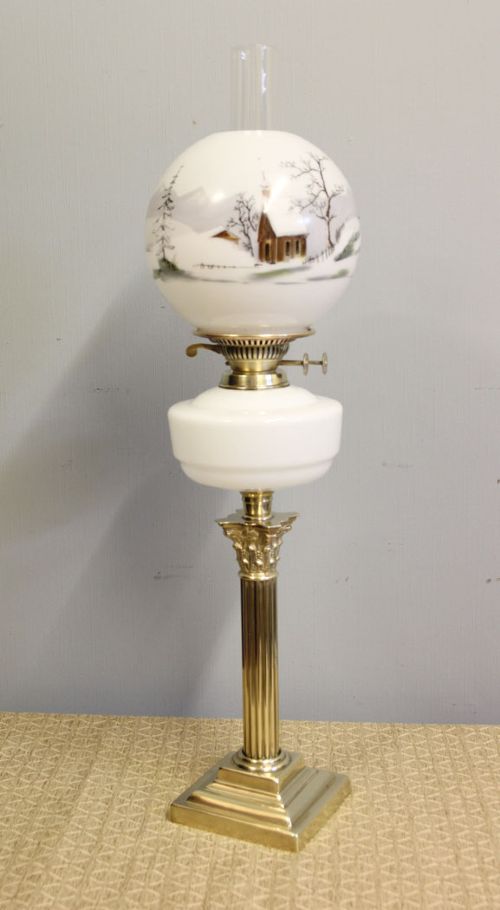
Glassmakers utilised opal, opaline, opalescent and moonstone glass to achieve varying degrees of translucency. Molten material was blown into moulds or shaped by hand to create forms like frilled rims, reeded designs and painted winter scenes.
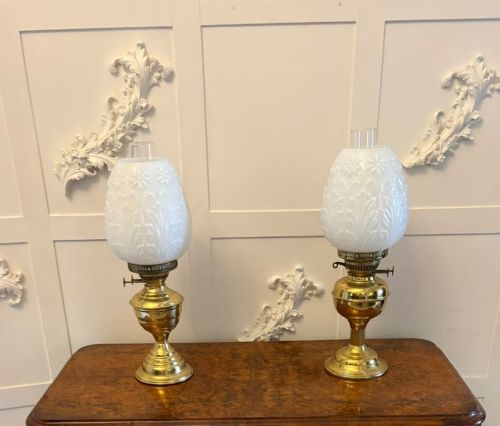
Many shades integrate with mounts made from brass, ormolu, silver plate and other metals. Fittings often include brass rings, galleries and collars designed to secure the glass to oil lamps or hanging pendants.
Listings feature items from the 1870s to the 1930s, incorporating brass, metal, ceramic and fabric elements alongside various types of glass.
What varies in quality
Quality resides in the weight and depth of the glass, distinguishing heavy moonstone and thick opaline pieces from thin commercial variants. The optical quality of the white glass determines how evenly light diffuses across the surface.
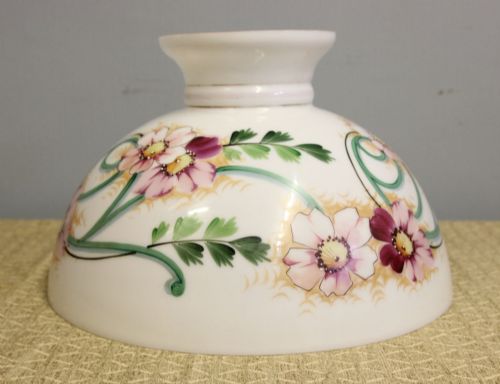
Artistry in shaping, such as hand-formed frilled edges or finely reeded bodies, separates standard utility shades from decorative examples. Painted details, delicate surface textures and intact original brass fittings elevate the character of individual pieces.
The Vintage White Glass Shade Glossary
- Opaline glass
- A semi-opaque white glass developed in France during the nineteenth century. It transmits a soft, milky illumination when lit from within.
- Moonstone glass
- A type of translucent white glass with a mottled or cloudy appearance resembling the gemstone. It creates a diffused, gentle glow.
- Plafonnier
- A ceiling-mounted bowl light fixture set close to the plaster. These shades direct light downwards into a room.
- Frill lampshade
- A shade featuring a ruffled or crimped edge created while the glass was hot and pliable. This Victorian and Edwardian style adds decorative texture to lighting.
- Wild & Wessel
- A nineteenth century German manufacturer known for producing quality duplex burners and metalwork associated with oil lamps. Their hardware often accompanies period shades.
Vintage White Glass Shade: Frequently Asked Questions
How do I fit an old shade to a modern lamp?
Measure the fitter rim diameter carefully to ensure it matches your lamp gallery or holder. Standard brass rings and adapters help secure older glass to contemporary fittings.
Check whether the shade requires a three-screw gallery or a sliding collar. Selecting the correct mounting hardware prevents the glass from tilting or slipping during use.
What is the difference between opal and opaline glass?
Opal glass is a dense, milky-white material that transmits very little direct light. It was widely used for industrial and domestic lighting fixtures.
Opaline glass typically exhibits a more translucent quality with subtle variations in tone. This material was favoured in France and England for decorative table lamps and pendants.
How do I clean a delicate antique glass shade?
Wash the glass gently in lukewarm water using mild washing-up liquid and a soft cloth. Avoid abrasive sponges or harsh chemicals that might damage painted decoration or aged surfaces.
Dry the piece thoroughly with a lint-free towel before reattaching it to metal fittings. Take extra care around hand-painted motifs and delicate frilled edges.