

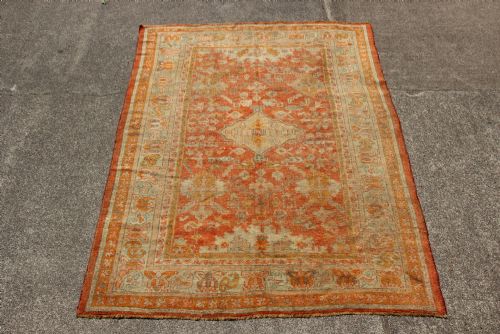


Vintage West Anatolian Rug
A vintage west anatolian rug brings tactile warmth and historic tribal design into a room, offering genuine character from nineteenth and early twentieth century looms.
Vintage West Anatolian Rug
A vintage west anatolian rug represents centuries of weaving tradition from western regions of Turkey, created in villages and regional centres by skilled hands. These pieces frequently manifest as village rugs or prayer rugs, often displaying traditional Anatolian motifs passed down through generations.
The selections available here span from the nineteenth century into the early twentieth century, encompassing specific classical traditions such as Ghiordes, Bergama, Milas, Panderma, and Ushak. Buyers will encounter various formats ranging from compact village prayer formats to larger room-sized carpets.
Originating from distinct localities like Ghiordes and Bergama, these textiles reflect regional design vocabularies including star borders and architectural mihrabs. Every rug serves as a functional textile that doubles as a piece of folk art, anchoring modern or traditional interiors alike.
Materials and construction methods
The structural foundation relies predominantly on wool and cotton, utilising hand-spun wool for the pile to achieve durability and rich texture. Selected examples incorporate angora wool, contributing a distinct softness and sheen to the surface pile.
Weavers employed traditional hand-knotting techniques on upright looms, building up dense geometric and floral patterns stitch by stitch. Natural dyeing traditions yielded the soft colours and muted palettes seen across these nineteenth and early twentieth century examples.
Vintage West Anatolian Rug Retail Price Guide 2026
Typical asking prices for vintage west anatolian rug among the pieces listed under this phrase on Sellingantiques today, from the lower quarter to the upper quarter. They describe what is for sale here now, not the wider market.
The documented periods span across the nineteenth century and extend into the early decades of the twentieth century.
Distinguishing quality factors
Quality rests heavily on the fineness of the knotting and the crispness of the design execution, which separates standard village pieces from masterworks. Tighter construction yields superior durability and sharper graphic definition within medallions and borders.
The integrity and depth of the wool play a crucial role, with hand-spun and angora varieties offering superior tactile richness as they age. Preservation of original borders and balanced proportions further elevate a textile's standing among collectors.
The Vintage West Anatolian Rug Glossary
- Prayer rug
- A small rug featuring a mihrab or niche design, traditionally used for daily prayers in Islamic culture. These formats often display focused symbolic geometry.
- Mihrab
- The arched niche design found at one end of a prayer rug, symbolising the direction of prayer. This architectural motif directs the eye toward the centre of the composition.
- Pile
- The cut surface of looped yarn that forms the upper texture of a rug. Pile height varies depending on the specific regional tradition and intended use.
- Warp
- The vertical threads stretched tightly on the loom before knotting begins. These foundational threads support the entire weight of the textile.
- Weft
- The horizontal threads passed back and forth between warp threads to lock the knots in place. Proper beat of the weft ensures structural stability.
Vintage West Anatolian Rug: Frequently Asked Questions
How do I clean an old wool rug?
Gentle surface vacuuming without a rotating brush removes embedded dust safely. Professional specialist cleaning remains essential for deep maintenance to protect fragile natural dyes.
Avoid household detergents or excessive moisture which can damage hand-spun wool foundations. Regular rotation ensures even wear across rooms with high foot traffic.
Where were these woven?
These textiles originate from various towns and villages across western regions of Turkey, historically known as Anatolia. Prominent weaving centres include Ghiordes, Bergama, Milas, and Ushak.
Each location developed distinct colour palettes and border motifs that identify the piece's geographic roots. Local weavers drew upon shared Ottoman heritage while maintaining unique tribal designs.
Are these rugs durable enough for daily use?
Traditional wool construction provides remarkable natural resilience against normal household foot traffic. Placing a quality underlay beneath the textile prevents slipping and cushions the pile.
Heavily used spaces benefit from rugs with dense knotting and secure foundations. Gentle placement away from harsh direct sunlight preserves the softer colour tones over decades.
How do I identify a prayer rug?
Prayer rugs feature a distinct pointed arch or niche motif at one end, known as the mihrab. This design element historically oriented the worshipper toward Mecca.
Such formats tend to be smaller in scale, intended for individual use rather than covering an entire room floor. Their central fields often display minimal decoration to maintain focus on the niche.