





Tan Oriental Rug
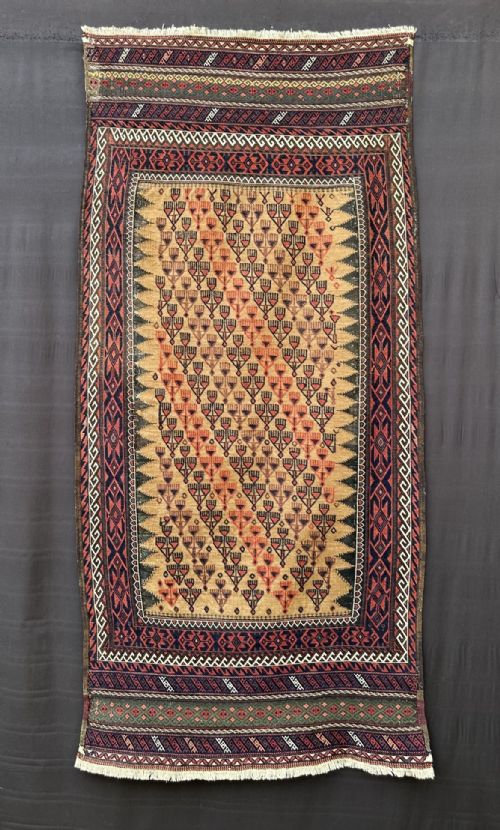
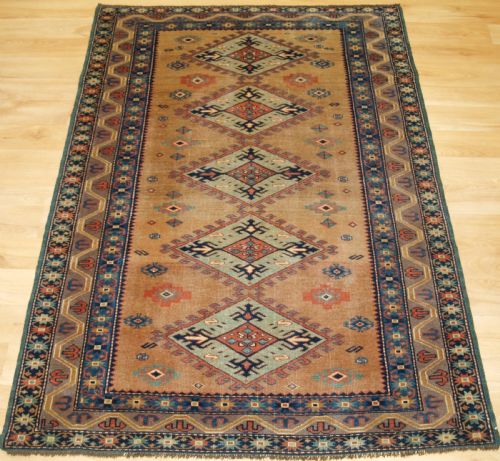
A tan oriental rug brings warmth and deep texture to a room, formed of traditional tribal patterns and natural dyes.
Tan Oriental Rug
A tan oriental rug covers handwoven village and nomad floor coverings originating across Persia, the Caucasus, Anatolia, and Central Asia. These textiles arrive in various formats, including smaller rugs, longer runners, and specific forms like prayer rugs and dining sofreh pieces. The selection on this page centres on pieces from the nineteenth and early twentieth centuries, spanning periods from the 1870s to the 1930s.
Tribal and nomadic groups created the majority of these examples, drawing on regional motifs that reflect their specific heritage. Styles represented include Persian tribal pieces, Caucasian designs, Baluch tribal work, Anatolian village rugs, and Mughal style carpets. Buyers searching for a tan oriental rug frequently encounter softer earth tones derived from natural wool and camel hair.
How they were made
Weavers constructed these rugs predominantly using hand-spun wool and cotton foundations, often incorporating camel wool or camel hair to achieve natural tan and golden shades. The pile is knotted by hand onto warps and wefts, resulting in durable floor coverings built for daily use. Some pieces utilise mixed techniques that combine flatweave sections with knotted pile.
Makers relied on traditional dyeing methods using local plants and minerals, which explains the soft colours seen in older examples. These organic dyes interact with the wool over decades, creating subtle tonal variations across the surface of the rug.
Tan Oriental Rug Retail Price Guide 2026
Typical asking prices for tan oriental rug among the pieces listed under this phrase on Sellingantiques today, from the lower quarter to the upper quarter. They describe what is for sale here now, not the wider market.
Listings on this page include wool, cotton, and camel hair materials across periods from the 1870s to the 1930s.
What varies in quality
Quality in a tan oriental rug rests upon the fineness of the weave and the integrity of the materials. A denser knot count allows for sharper pattern definition and greater resilience under foot traffic. The quality of the wool itself dictates the handle and longevity of the piece, with well-spun natural wool retaining its lustre over time.
The sophistication of the tribal design and the balance of the natural colour palette further distinguish finer examples. Patination and even wear contribute to the character of older rugs, whereas uneven degradation or poor historical repairs diminish the integrity of the piece.
The Tan Oriental Rug Glossary
- Pile
- The upright yarn loops that form the soft surface of a rug. This nap absorbs wear and shows the colours of the design.
- Warp
- The vertical threads stretched tightly on the loom before weaving begins. The fringe of a finished rug is typically formed from these extended threads.
- Weft
- The horizontal threads passed alternately over and under the warp threads to secure the knots in place. Together with the warp, it forms the structural foundation of the rug.
- Sofreh
- A woven spread or cloth used for dining or food preparation in nomadic households. These textiles often feature distinct regional symbolism.
- Prayer rug
- A small rug featuring a mihrab or arch design indicating the direction of prayer. Weavers produced these for personal devotional use.
Tan Oriental Rug: Frequently Asked Questions
How do I clean an antique rug?
Professional specialist cleaning is essential for older wool and natural dye textiles to prevent dye migration and fibre damage.
Regular gentle vacuuming without a beater bar removes surface dust and prevents grit from cutting the pile.
Are these rugs suitable for hallways?
Runners and sturdier village rugs fit well in hallways, provided they receive proper underlay to prevent sliding and cushion footfalls.
Heavily trafficked corridors benefit from denser wool weaves that resist crushing.
How do I identify a tribal rug?
Tribal rugs typically display geometric motifs, repeating medallions, and abrash colour shifts reflecting regional weaving traditions rather than court workshops.
Asymmetric designs and camel hair content often point towards nomadic or village origins.
What is camel wool used for?
Weavers utilised un-dyed camel wool and camel hair to provide natural tan, brown, and golden tones within the rug pile.
This material adds warmth, durability, and soft tactile variation to tribal pieces.