



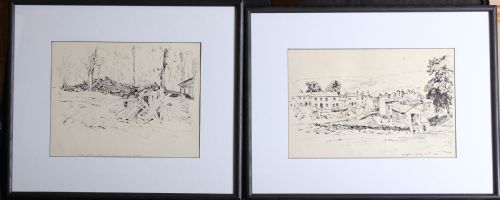
Vintage Watercolour Landscape
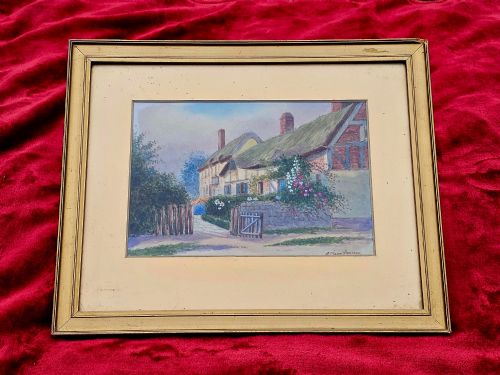
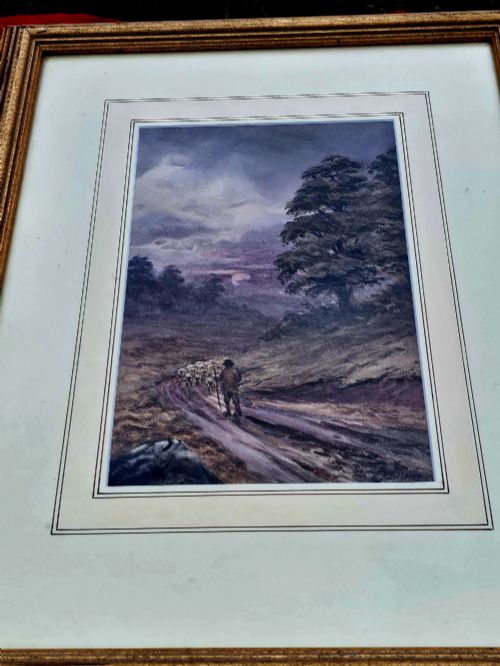
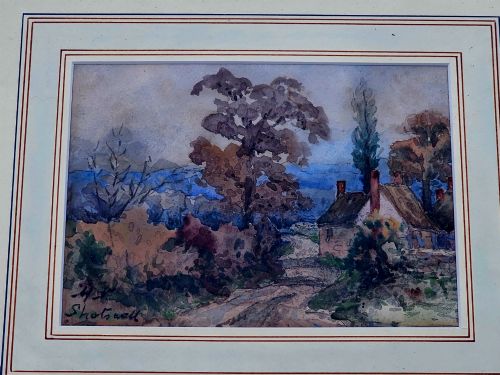
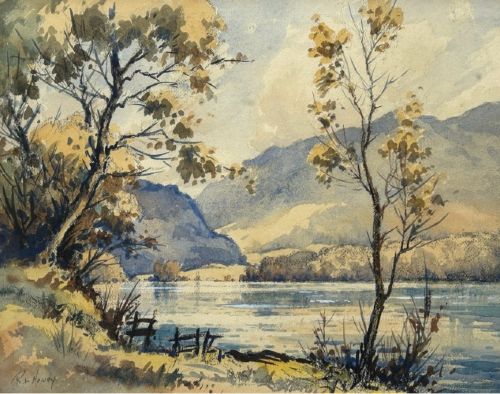
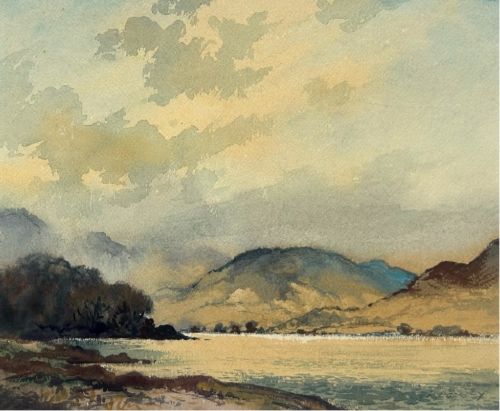
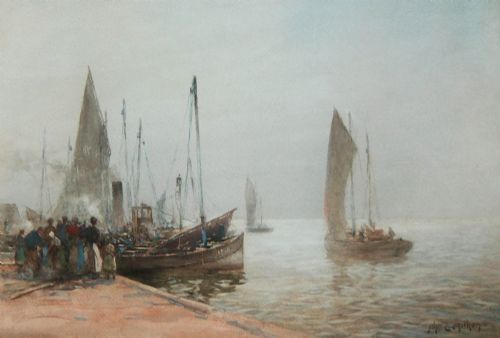
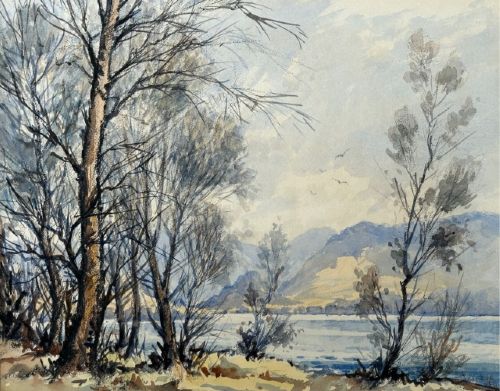
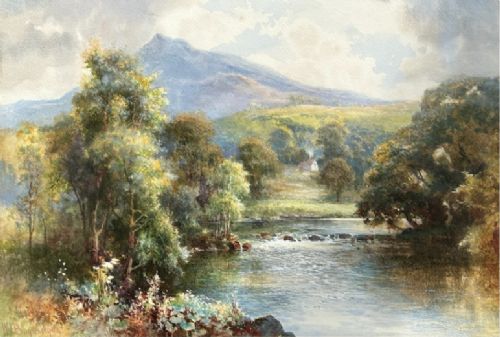
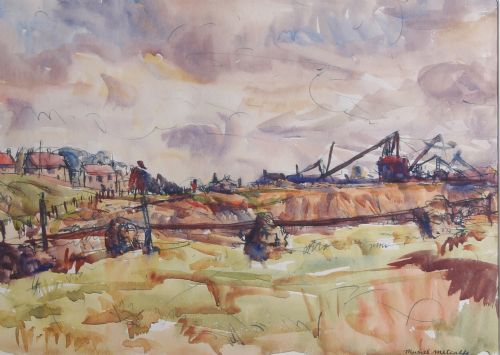
A vintage watercolour landscape captures river valleys, coastal harbours, and rolling hills through delicate washes on paper.
Vintage Watercolour Landscape
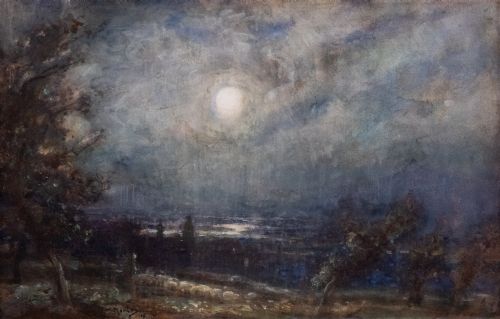
A vintage watercolour landscape is an original painting executed on paper depicting rural scenery, rivers, or coastal views. These works span from the nineteenth century through the mid-twentieth century, encompassing Victorian, Edwardian, and mid-century British movements.
The selections on this page typically feature framed original artworks from named artists and regional schools. Subjects range from Yorkshire dales and Cumbrian lakes to European vistas and coastal havens.
Buyers look for these paintings to bring authentic historical topography and atmospheric brushwork into domestic interiors. Each piece offers a unique record of countryside and coastal traditions from past eras.
How They Were Made
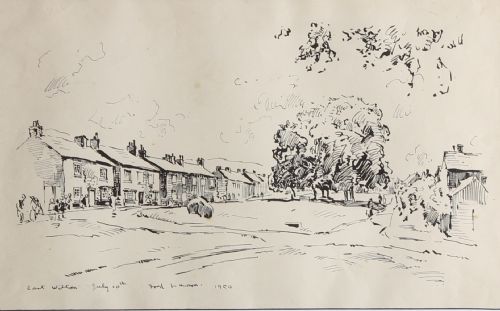
Artists applied transparent watercolour pigments onto heavy rag paper, frequently combining ink, pencil, or gouache to define structural details. Many works emerged directly from plein air sketching sessions before being completed in the studio.
Compositions rely on the natural white of the paper to create luminosity and highlights beneath successive washes of colour. Finished paintings were protected behind glass within wooden frames, occasionally embellished with gilt wood or gold leaf.
Sheep appear to outnumber human figures across the pastoral views, steadfastly herding themselves across centuries of British weather.
What Varies in Quality
Quality rests upon the artist's command of light, tonal depth, and atmospheric perspective within the composition. Masterful control of fluid pigment transforms simple topographical views into compelling visual narratives.
The preservation of the paper and pigment intensity significantly influences the overall standing of an artwork. Strong provenance, such as artist studio stamps or clear signatures, further distinguishes exceptional examples.
Alfred Young Nutt·A. Marie Parsons·Robert Leslie Howey·James E. Aitken·William Banks Fortescue·Thomas William Morley·Fred Lawson·Robert Thorne Waite·Richard Henry Wright·Frederick James Kerr·Henry de Waroquier·William Matthison·George Stanfield Walters·Frank Kelsey·F. J. Snell·William Frederick Settle·Karl S. Wood·Albert Pile·Sir Albert Edward Richardson·Kenneth Holmes·Cecil Arthur Hunt·Garnet Ruskin Wolseley
The Vintage Watercolour Landscape Glossary
- Watercolour pigment
- Finely ground colour particles suspended in a water-soluble binder. This medium allows artists to layer transparent washes that let the reflective quality of the paper shine through.
- Plein air
- The practice of painting outdoors to capture direct observations of natural light and weather. It defined much of the landscape work produced during the nineteenth and twentieth centuries.
- Gouache
- An opaque water-based paint frequently used alongside transparent watercolour to introduce solid highlights and dense areas of tone. It adds contrasting texture to detailed architectural or botanical elements.
- Wash
- A thin, fluid layer of diluted pigment spread evenly across the paper to create skies, water, or distant atmospheric haze. It forms the foundational background of most traditional landscape paintings.
- Provenance
- The documented history of ownership or origin tracing a work of art back to its creator. A verifiable trail adds historical context and confirms the authenticity of signed pieces.
Vintage Watercolour Landscape: Frequently Asked Questions
How should I hang watercolour paintings safely?
Keep watercolours away from direct sunlight to prevent the pigments and paper from fading over time. UV-filtering glass provides an extra layer of protection for sensitive historical pieces.
Hang them on interior walls where humidity and temperature fluctuations remain minimal. Proper framing with acid-free mounts ensures the paper does not touch the glass directly.
What framing is typical for these pieces?
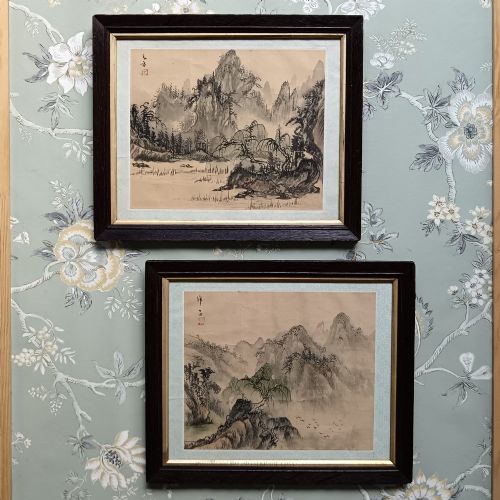
Original frames often consist of simple wood moulding or ornate gilt frames suited to the period of creation. Many watercolours retain their early framing, complete with period mounts and backing boards.
While some collectors preserve the original framing for authenticity, others update the glass or matting using conservation-grade materials to better protect the artwork.
How do I distinguish Victorian from mid-century styles?
Victorian watercolours tend to feature highly detailed narrative elements, dramatic lighting, and elaborate tonal layering. The palettes often lean toward rich, moody earth tones and deeply worked skies. N Mid-century pieces frequently embrace looser brushwork, brighter palettes, and a modernist simplification of form influenced by British Impressionism. Artists of this later era prioritized expressive atmosphere over meticulous topographical precision.