


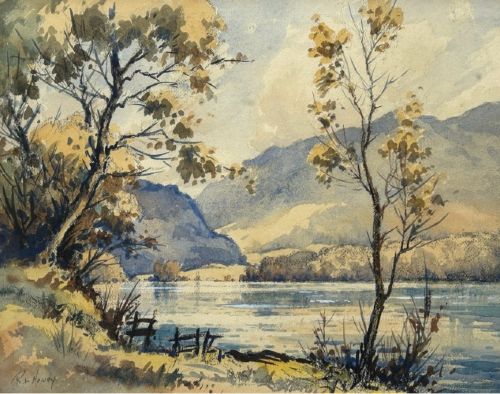
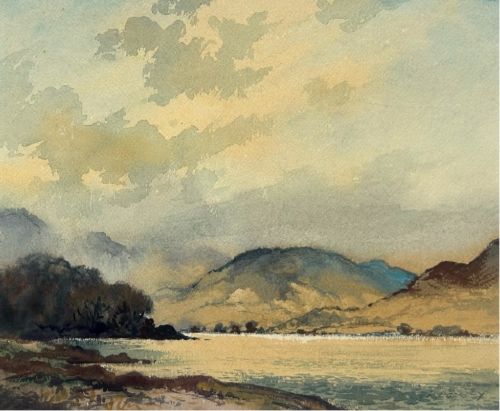
Vintage Watercolour Artwork
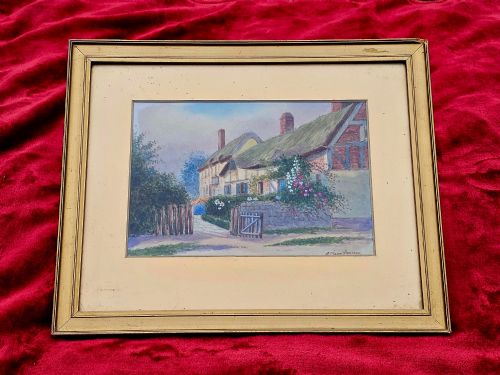
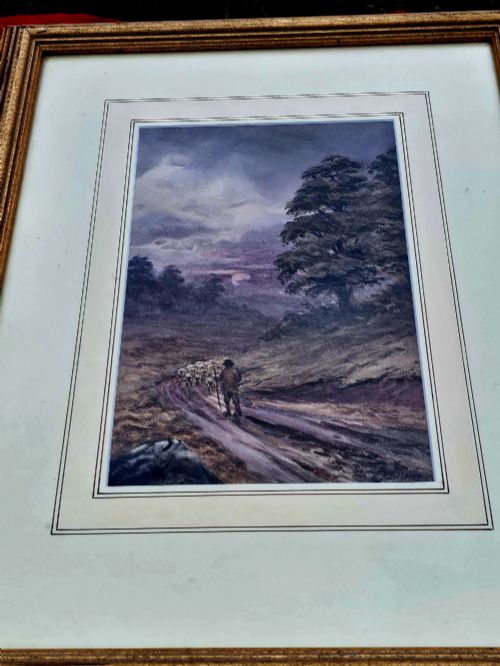
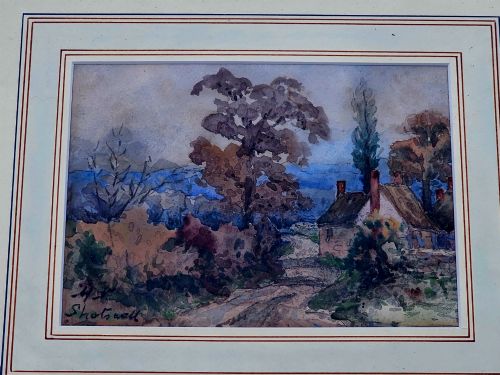
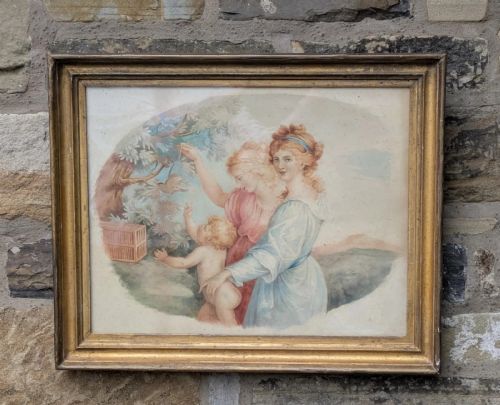
These vintage watercolour artwork pieces capture delicate washes of pigment on paper, offering buyers intimate windows into historical landscapes, portraits, and botanical studies.
Vintage Watercolour Artwork
When searching for vintage watercolour artwork, buyers encounter framed paintings, wall art, and fine art pieces originating from the nineteenth century through the mid-twentieth century. The selection spans distinct periods including Victorian, Edwardian, Regency, and mid-century eras, reflecting varied stylistic movements across Britain and beyond.
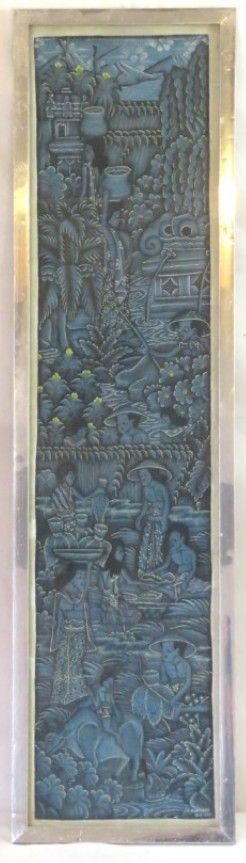
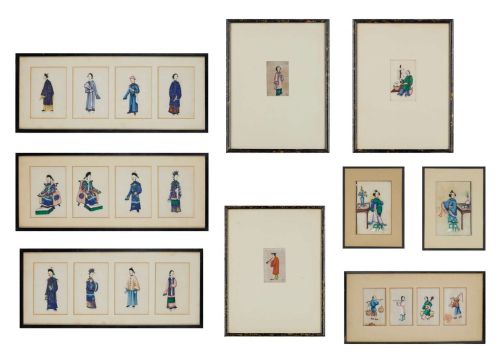
The pieces on this page are most commonly works on paper executed by named artists and regional schools, covering subjects from maritime scenes and rugged Cumbrian lakes to botanical studies and classical figures. Artists utilised watercolour pigment alongside ink to record landscapes, townscapes, and portraits with immediate fluidity.
Many items retain their original framing materials, such as giltwood or rosewood, which complement the delicate paper supports. Collectors find works ranging from small botanical waterpaintings to expansive harbour views and naval depictions.
How they were made
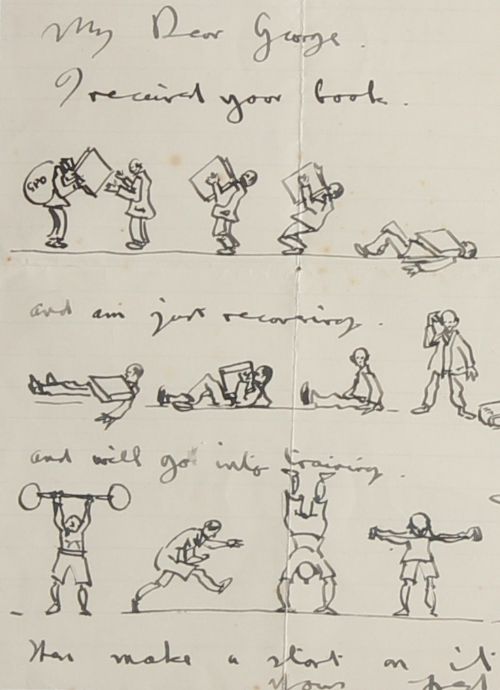
Artists applied watercolour pigment to paper, frequently combining washes with ink line work to define architectural details, botanical specimens, or figures. The transparency of the water-soluble medium allowed painters to build luminosity through successive layers upon paper supports.
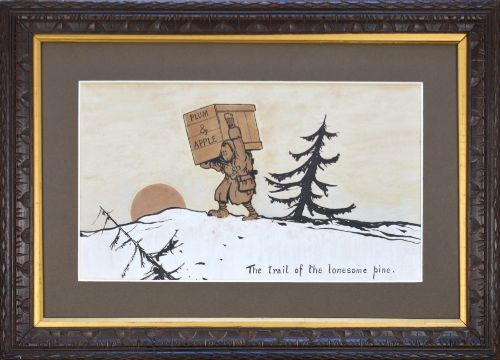
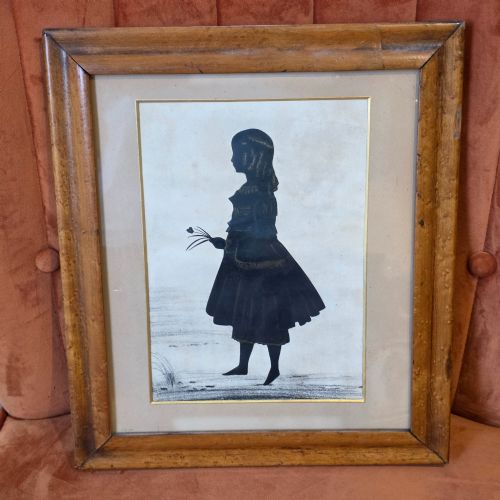
Framing played a crucial role in protecting these delicate works on paper, with period pieces often housed behind glass within wooden frames, giltwood mouldings, or rosewood surrounds. Specialised techniques such as cut-paper silhouettes demonstrate the diverse ways artists worked with paper during the nineteenth and twentieth centuries.
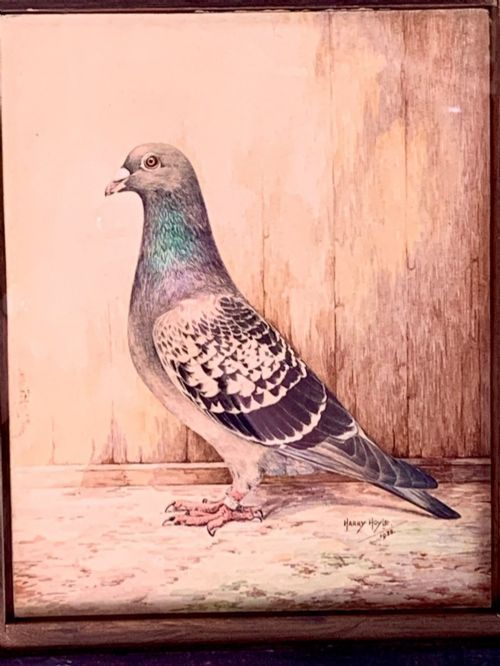
A notable royal racing pigeon secured a win commemorated in paint during 1935.
What varies in quality
Quality in these waterpaintings rests upon the artist's command of line, wash control, and the preservation of the paper support over time. Stronger examples display confident handling of pigment and ink, capturing light and atmosphere with deliberate economy.
The integrity of the original frame and the preservation of the paper surface differentiate standard decorative examples from finer collector pieces. Works that retain vibrant pigments without excessive fading or foxing demonstrate superior longevity and material care.
George Lorain Stampa·Alfred Young Nutt·John Hassall·A. Marie Parsons·EJ Letheren·Robert Leslie Howey·James E. Aitken·Charles Edward Dixon·John E. Aitken·Eric Tufnell·William Banks Fortescue·William Joseph Boyes·Frank Watson Wood·Henry Silkstone Hopwood·Muriel Metcalfe·Fred Lawson·R. Hurst·Frank William Scarbrough·Robert Thorne Waite·John Smith Atherton·Richard Henry Wright·Jack Cross·John Charles Moody
The Vintage Watercolour Artwork Glossary
- Watercolour
- A painting method in which the paints are made of pigments suspended in a water-based solution. Artists applied these translucent washes primarily onto paper supports to achieve delicate tonal gradations.
- Giltwood
- Wood carved and finished with a thin layer of gold leaf. This material was frequently utilised for decorative antique frames enclosing works on paper.
- Provenance
- The documented history of ownership or origin for a piece of art. Evidence of an artist's signature or specific location adds verifiable context to vintage works.
- Foxing
- Brown spots or discolouration that commonly develops on older paper over decades due to chemical reactions. Collectors note its presence when assessing the condition of antique paper supports.
Vintage Watercolour Artwork: Frequently Asked Questions
How should I care for vintage paper art?
Keep works on paper away from direct sunlight to prevent the watercolour pigments from fading over time. Maintaining stable indoor humidity levels also protects the paper and original backing materials.
Ensure framing remains properly sealed behind glass to prevent atmospheric pollutants and dust from settling directly onto the delicate painted surface.
How can I tell the age of a watercolour painting?
Examine the type of paper support, framing materials, and any inscriptions or signatures left by the artist on the front or reverse. Stylistic clues, such as Edwardian costume or Victorian landscape composition, often point to a specific decade.
Examine the back of the frame for old dealer labels, stamps, or handwritten notes that provide historical context for the artwork.
What is the difference between an etching and a watercolour?
A watercolour is a unique painting created by hand using water-soluble pigments applied directly to paper with a brush. Etchings are printed impressions transferred from a metal plate that has been engraved with acid.
Watercolours display individual brushstrokes and unique pigment pooling, whereas printed works rely on ink transferred mechanically from a prepared matrix.
Did artists paint these watercolours outdoors?
Many landscape and marine artists worked outdoors using portable sketching boxes to capture natural light and transient weather effects on site. These preliminary studies were sometimes finished later in the studio.
Studio works often featured more complex compositional arrangements, whereas plein air paintings captured immediate atmospheric conditions in the open air.