

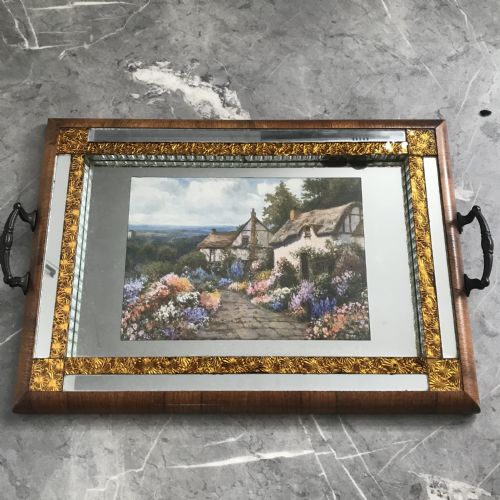


Vintage Walnut Table Mirror
A vintage walnut table mirror brings warmth and reflective depth to a room, offering a practical surface for grooming that doubles as a handsome decorative accent.
Vintage Walnut Table Mirror
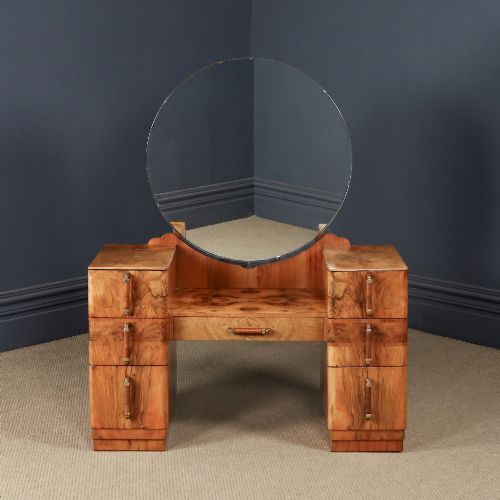
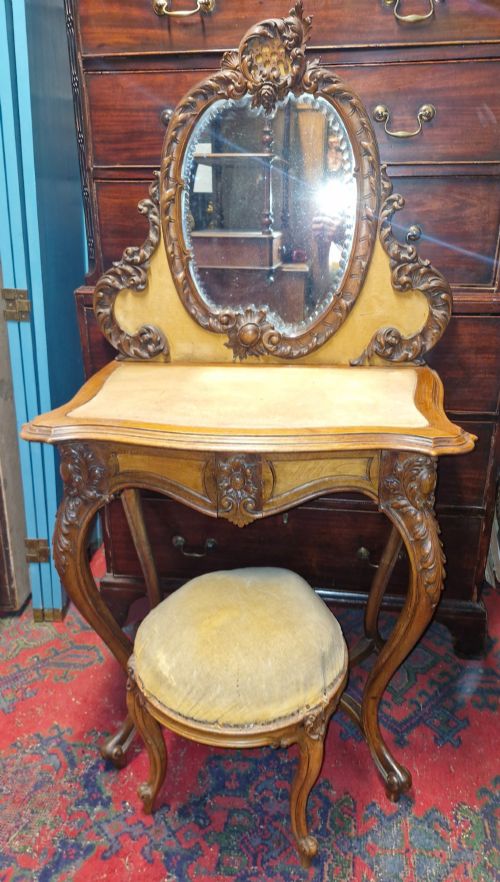
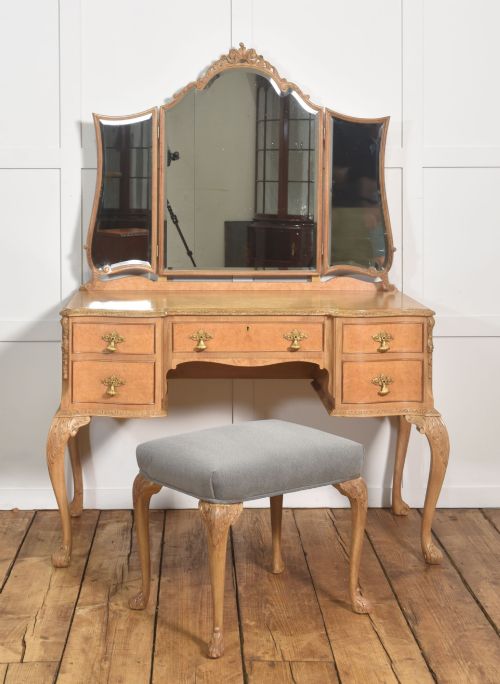
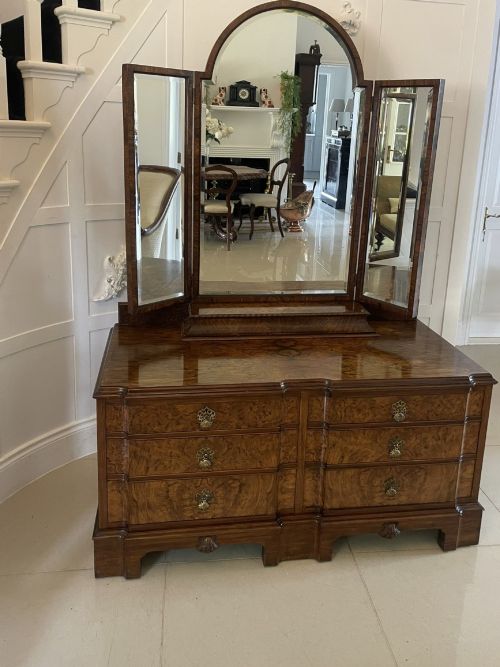
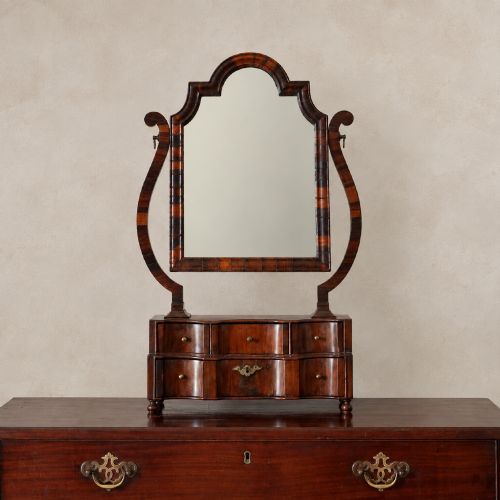
A vintage walnut table mirror serves as a classic piece of bedroom furniture designed to sit atop a dressing table, chest or console. These items range from compact toilet swings of the eighteenth century to more robust Victorian examples and streamlined Art Deco designs.
The selection includes pieces spanning the eighteenth century through the Edwardian era and into the nineteen-thirties. Buyers frequently encounter traditional swing mirrors featuring box bases alongside newer pedestal and cheval variations.
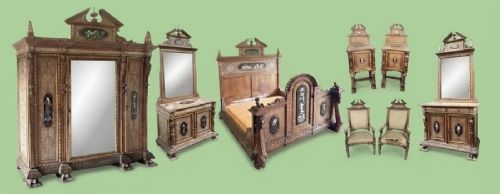
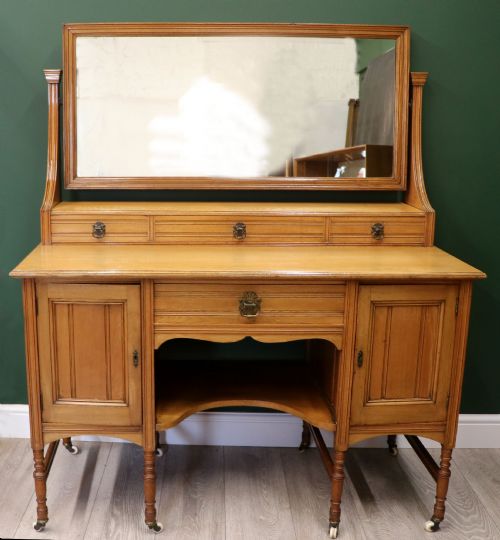
Originating from English, Continental and Dutch workshops, these mirrors appear both as standalone items and as components paired with larger dressing suites or washstands. The form adapts easily to various interior settings, functioning just as well on a modern sideboard as on a period chest.
Construction and materials
Cabinet makers utilised solid walnut and decorative burr walnut veneers over secondary timbers to achieve rich, figured surface patterns. Glass provides the reflective plate, whilst brass hinges, brackets and swing arms allow the mirror frame to tilt.
Joinery techniques involve precise framing methods to support the glass securely within wooden mouldings, often accompanied by small drawers fitted into the base for storage. Some Continental and Dutch examples incorporate intricate marquetry inlay alongside the primary walnut grain.
Materials paired with walnut across these entries include brass hardware, mirrored glass, laburnum and decorative marquetry inlay.
Judging quality and character
Quality rests upon the choice of timber, where highly figured burr walnut veneers demonstrate superior craftsmanship compared to plain grain surfaces. The depth and clarity of the mirror glass, alongside the integrity of the original brass fittings, also distinguish finer specimens.
Proportion and execution define the distinction between everyday utility pieces and exceptional items. Subtle details such as hand-carved mouldings, well-fitted drawer boxes and sound structural joints elevate the standing of a mirror.
Waring and Gillows·Lamb of Manchester·Maurice Adams·Harry and Lou Epstein·Maples
The Vintage Walnut Table Mirror Glossary
- Toilet mirror
- A small mirror designed to stand on a table or chest, often featuring a pivoted frame supported by upright arms above a box base with small drawers.
- Burr walnut
- A specialised wood cut from the warted growths of a walnut tree, highly prized for its swirling, mottled grain patterns used in decorative veneer work.
- Swing mirror
- A looking glass mounted on pivots or axis pins within a frame, allowing the user to tilt the angle of reflection.
- Marquetry
- Decorative inlay work using various coloured woods to create pictorial designs on the surface of furniture.
- Cheval mirror
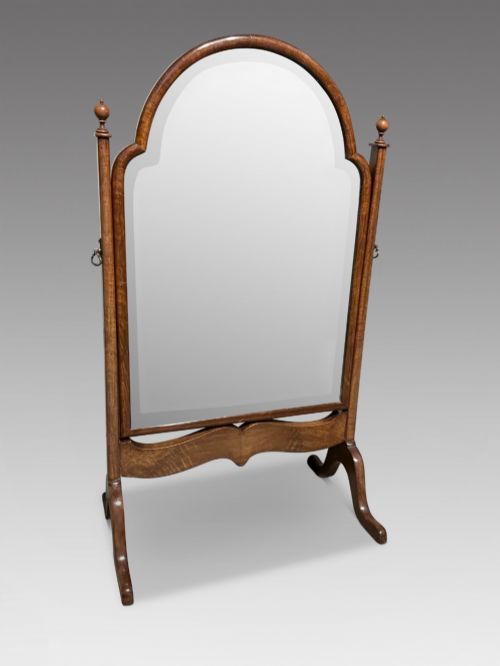
- A full-length or large tabletop mirror suspended within a standing floor or table frame that permits complete rotation.
Vintage Walnut Table Mirror: Frequently Asked Questions
How do I date a walnut table mirror?
Dating relies on observing construction methods, timber choice and stylistic motifs such as Queen Anne curves or Art Deco geometry.
Secondary woods, backboards and the type of mirror glass plate further help confirm the period of manufacture.
Where should I place a table mirror?
These mirrors suit placement on dressing chests, sideboards, console tables or dressing desks in bedrooms and hallways.
Ensure the supporting surface is deep and stable enough to safely hold the weight of the mirror base.
Are original mirror plates common?
Many surviving pieces retain their original glass, which often exhibits gentle foxing, light speckling or slight silver degradation.
Original plates contribute historical authenticity, whilst replacement glass offers a clearer, brighter reflection for daily use.
How do I care for walnut wood?
Maintain the finish by dusting with a soft, dry cloth and avoiding direct exposure to strong sunlight or excessive moisture.
Occasional application of appropriate wax polish preserves the natural lustre of the walnut grain without building up heavy residue.