


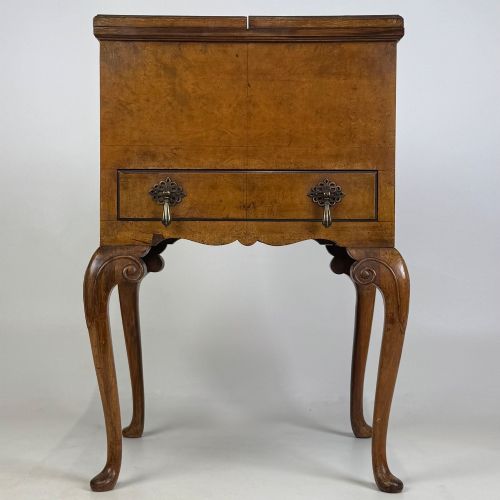
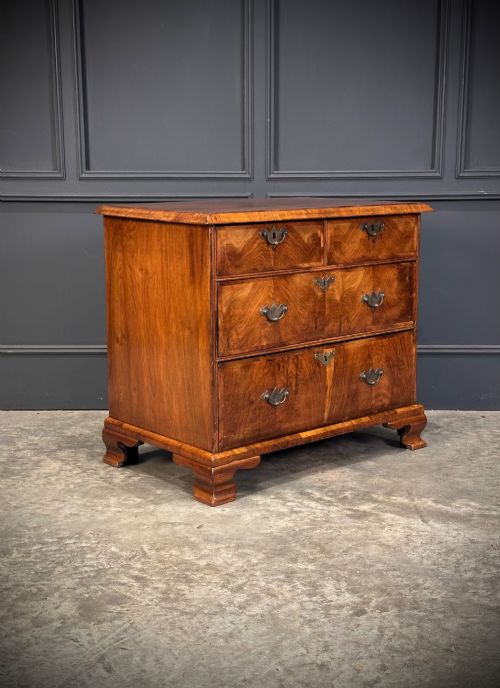
Vintage Walnut Storage Cabinet
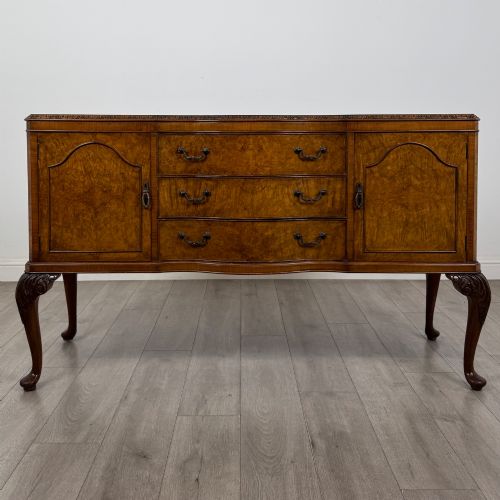
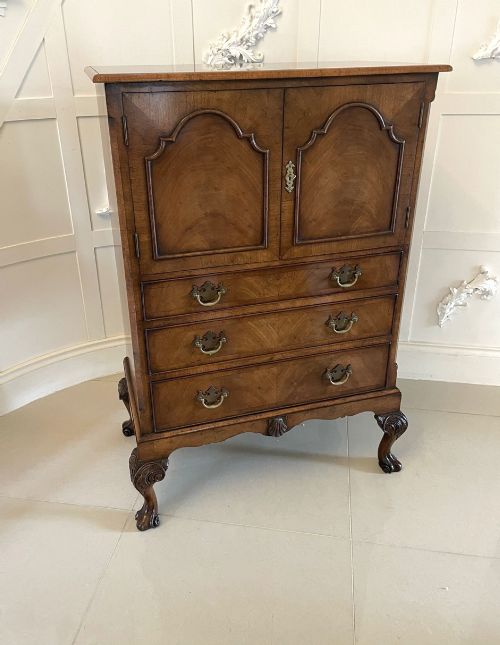
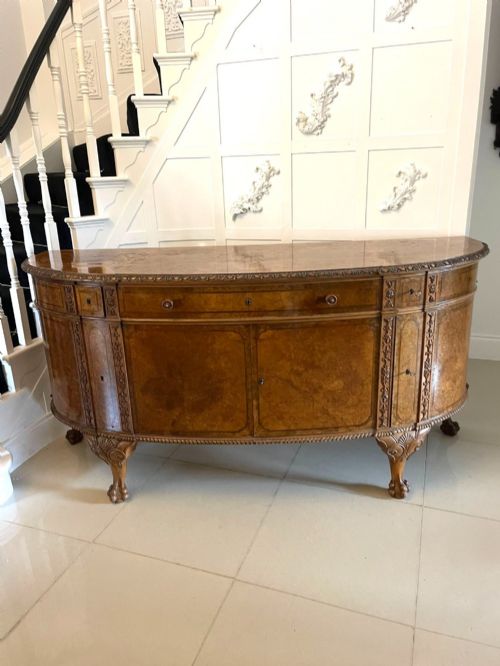
A vintage walnut storage cabinet brings rich grain and practical depth to a room, offering functional storage dressed in figured timbers.

Vintage Walnut Storage Cabinet
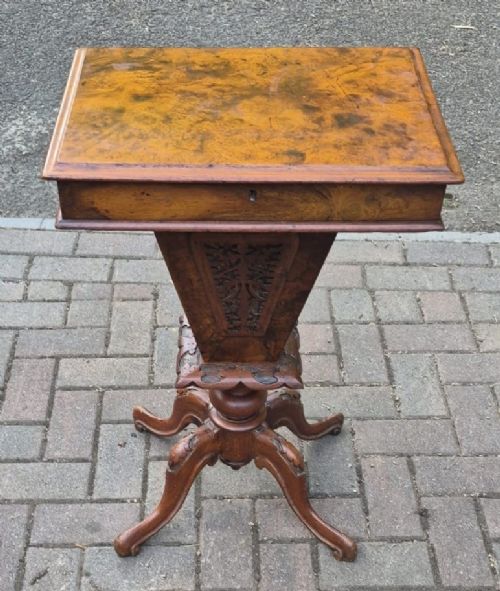
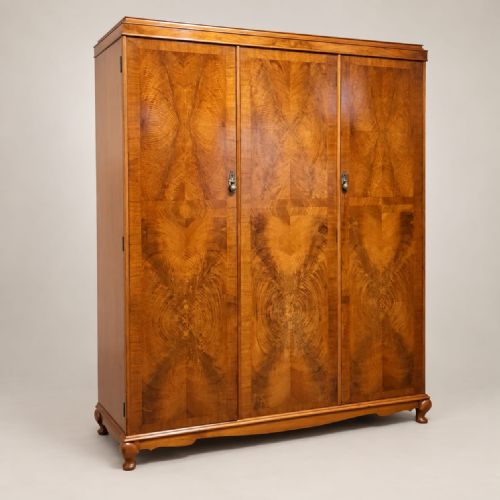
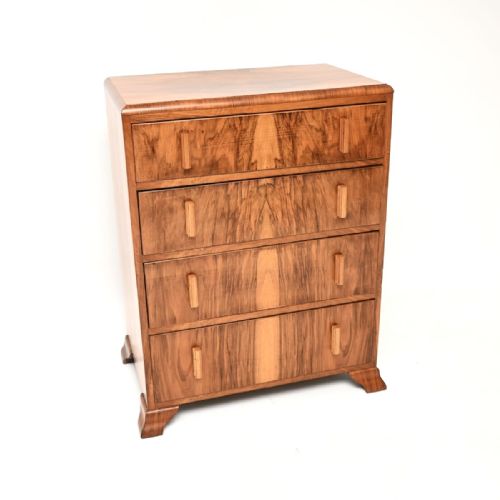
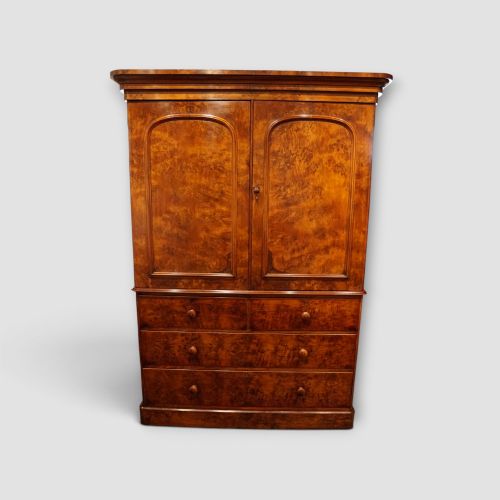
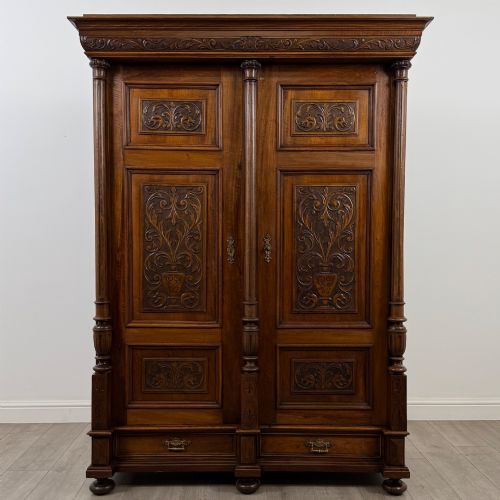
A vintage walnut storage cabinet encompasses diverse forms ranging from large wardrobes and linen presses to bedside cupboards, chests of drawers, and music cabinets. When searching for a vintage walnut storage cabinet, buyers encounter pieces spanning the eighteenth century through the Victorian, Edwardian, and Art Deco periods, though examples from the 1920s and 1930s predominate.
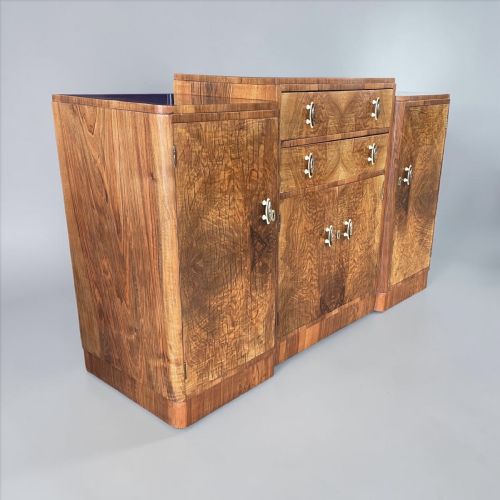
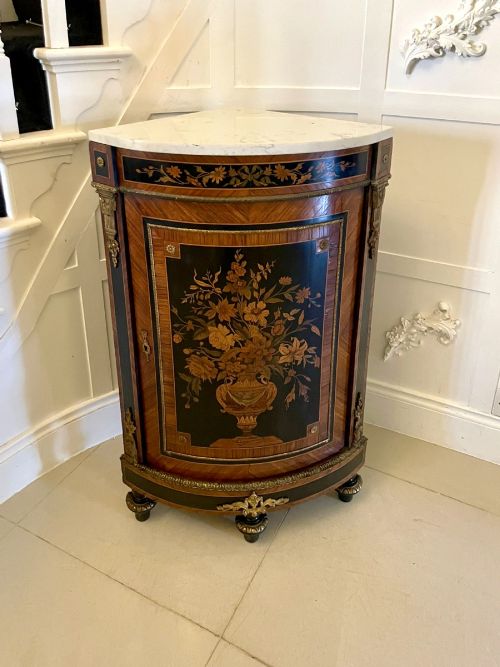
The selection includes regional interpretations such as French Louis Philippe commodes, Swedish bookcases, and English Queen Anne revival pieces. Alongside tallboys and sideboards, these items serve primarily to conceal household goods behind figured timber doors or within disciplined rows of drawers.
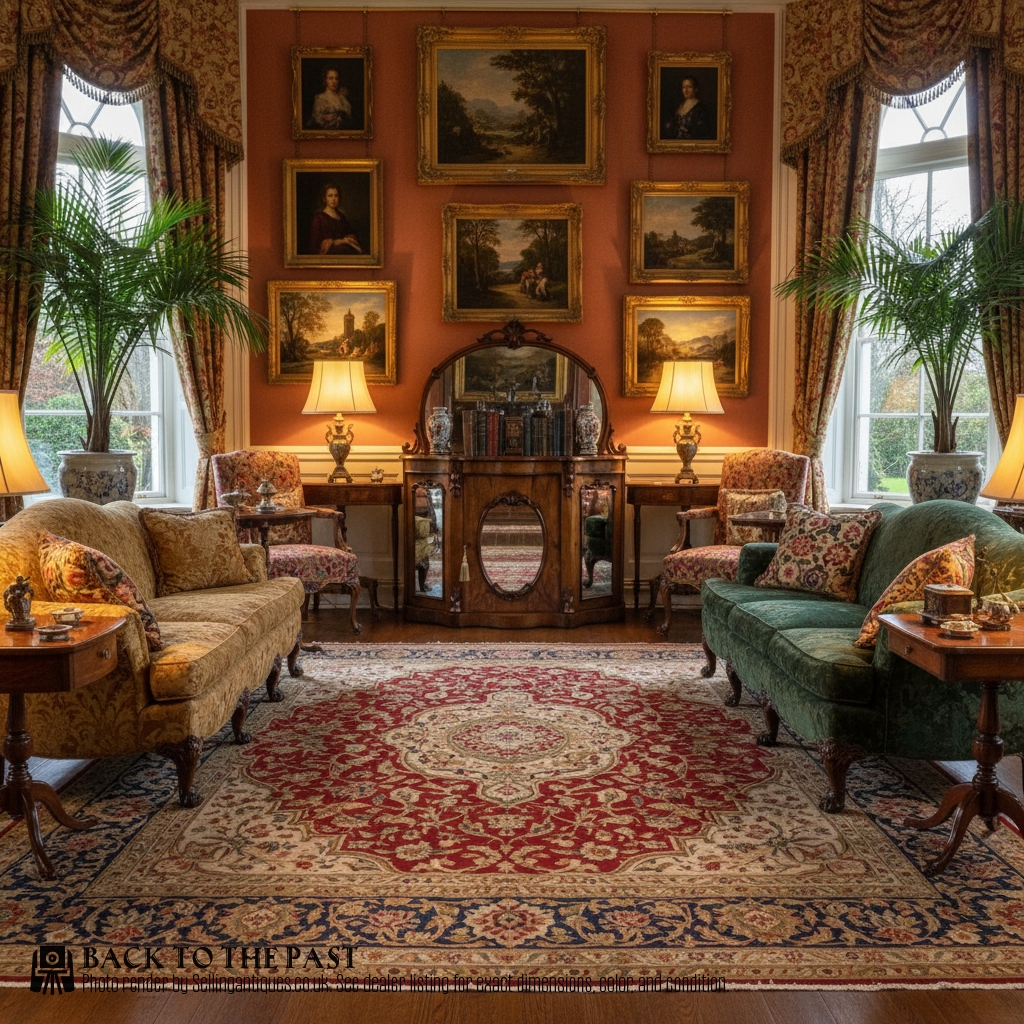
Materials and construction methods
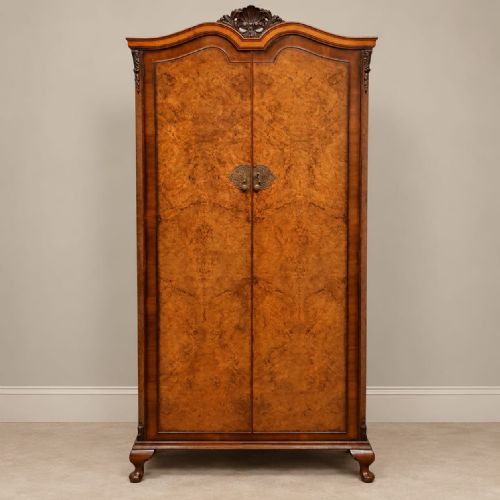
Cabinetmakers utilised solid walnut and decorative burr or figured walnut veneers applied over secondary timbers to create rich, swirling grain patterns across doors and drawer fronts. Brass hardware, metal mounts, and bakelite details frequently accent the primary wood structures.
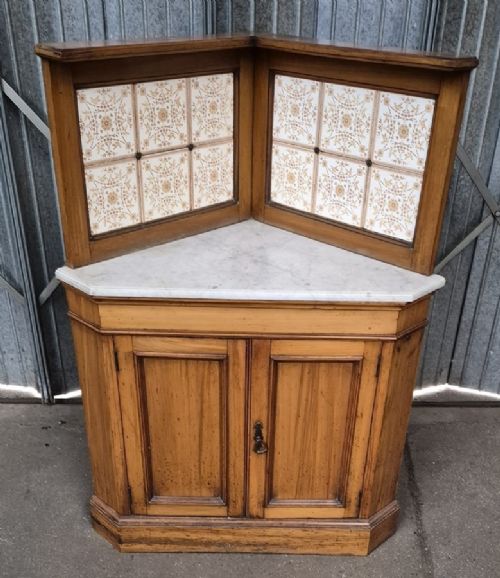
Certain periods integrate contrasting marble tops in grey or rouge, alongside marquetry inlay and carved ornamentation. Interiors often feature fitted shelving, hanging spaces, or segmented compartments designed for specific domestic functions.
Vintage Walnut Storage Cabinet Retail Price Guide 2026
Typical asking prices for vintage walnut storage cabinet among the pieces listed under this phrase on Sellingantiques today, from the lower quarter to the upper quarter. They describe what is for sale here now, not the wider market.
Music cabinets quietly survive to hold modern electronics instead of sheet music.
Factors that separate examples
The sophistication of the timber figure defines the visual merit of a piece, with symmetrical burr walnut veneers requiring exceptional skill to match across large surfaces like triple wardrobes and sideboards. Subtleties in carving execution, the precision of marquetry inlay, and the integration of marble slabs elevate certain examples above standard utilitarian items.
Structural integrity depends on the quality of the internal joinery, the smooth operation of fitted drawers and doors, and the preservation of original brass or metal hardware. The harmony between the chosen walnut veneers and the overall proportions of the piece determines its ultimate refinement.
Harry and Lou Epstein
The Vintage Walnut Storage Cabinet Glossary
- Burr walnut
- A wood harvested from the growths or burrs of walnut trees, yielding highly figured, swirling grain patterns prized for cabinet facades. It is sliced into thin veneers and arranged symmetrically.
- Commode
- A low chest of drawers or cabinet, often of French origin, frequently finished with a marble top. The form developed significantly during the eighteenth and nineteenth centuries.
- Linen press
- A tall storage piece comprising an upper cupboard with sliding trays or shelves above a chest of base drawers. Originally designed for storing folded textiles.
- Marquetry
- The art of applying small pieces of veneer to a structure to form decorative patterns or pictures. Craftsmen utilise various coloured woods to achieve pictorial depth.
Vintage Walnut Storage Cabinet: Frequently Asked Questions
What items count as a storage cabinet?
The category includes wardrobes, chests of drawers, linen presses, sideboards, and bedside cupboards designed to hold household items.
These pieces utilise enclosed shelving, hanging space, and drawers to keep rooms orderly.
How do I identify an Art Deco piece?
Art Deco pieces from the 1930s typically feature clean geometric lines, stepped forms, and highly figured walnut veneers without heavy traditional carving.
They often present a streamlined aesthetic that prioritises the natural pattern of the wood.
Where were marble top cabinets placed?
Marble top cabinets and commodes were often utilised in bedrooms and wash areas where stone surfaces offered practical water resistance.
French and Victorian examples frequently paired grey or rouge marble with walnut timber.
How do I distinguish Edwardian from Victorian furniture?
Victorian pieces often display heavier proportions, darker finishes, and more elaborate carved ornamentation.
Edwardian furniture generally exhibits lighter construction and refined revival styles influenced by earlier eighteenth-century designs.